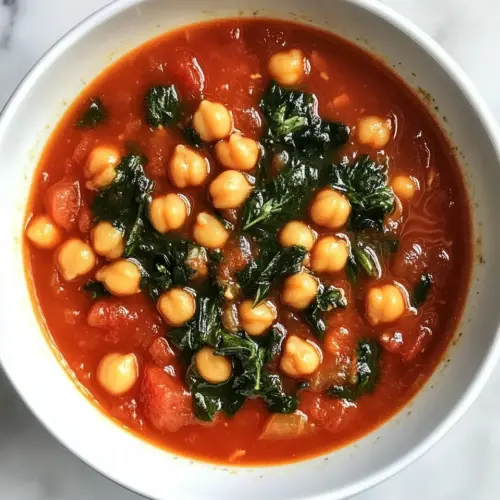
Chickpea Tomato Soup
Chickpea Tomato Soup is a creamy, comforting bowl with tender chickpeas and bright crushed tomatoes, perfect for an easy weeknight dinner. The sautéed onion, carrot, celery, and garlic layer savory depth, while fresh basil and a whisper of parmesan cheese add savory complexity. It’s hearty, nutritious, and simple to adapt for slow cooker or stovetop, a reason to make it tonight for a warming meal.
Equipment
- Large Nonstick Skillet
- Crock Pot
- Large Pot or Dutch Oven
- Pressure Cooker
Ingredients
- 1 tsp olive oil Sauté gently in the beginning to provide a fragrant, oily base that helps soften aromatics and prevent sticking; imparts a light, fruity flavor that complements the soup.
- 1/2 cup chopped onion Cook until translucent to add mild sweetness and foundational savory depth; helps build the soup's aromatic profile and meld with other vegetables.
- 1/2 cup diced carrots Simmer until tender to contribute natural sweetness and texture contrast; balances acidity from tomatoes and rounds out the vegetable base.
- 1/2 cup diced celery Sweat until softened to provide subtle vegetal flavor and moisture; works with onions and carrots to create a balanced mirepoix foundation for the soup.
- 2 garlic cloves, minced Sauté briefly to release pungent, aromatic oils that boost overall flavor; adds savory depth and a gentle bite without overpowering other ingredients.
- 215 oz cans chickpeas, rinsed and drained Rinse and drain well before adding to supply hearty protein and creamy texture; contributes fiber and a satisfying mouthfeel while absorbing soup flavors.
- 128 oz can crushed tomatoes Pour in and simmer to supply concentrated tomato flavor and body; adds acidity and umami that define the soup's tomato base and color.
- 3 cups reduced sodium chicken broth, or vegetable broth for vegetarians Add as the cooking liquid to provide savory richness and depth; choose vegetable broth for a vegetarian version to maintain flavor balance.
- 1 fresh rosemary sprig Bruise or add whole during simmering to infuse subtle piney, resinous notes; remove before serving to avoid overly strong herbaceous bite.
- 2 bay leaves Add during simmering to impart gentle, bay-like aromatic warmth and complexity; remove before serving to prevent an overpowering herbal note.
- 2 tbsp chopped fresh basil Stir in near the end to add bright, fresh herbal fragrance and a sweet, peppery finish; enhances overall freshness and complements tomatoes.
- fresh black pepper, to taste Season to taste at the end to introduce clean heat and enhance all other flavors; freshly ground pepper sharpens the soup's savory notes.
- 2 cups fresh baby spinach Wilt gently into the hot soup to contribute tender green freshness and mild bitterness; adds color, nutrients, and lightness to the finished dish.
- 1/4 cups shredded parmesan cheese, plus extra optional for garnish Sprinkle or stir in for savory, nutty umami and creamy finish; use a modest amount to enrich flavor and offer a salty, tangy garnish option.
Instructions
- Heat oil in a large nonstick skillet over medium heat. Add the carrots, celery, onion, garlic and saute until tender and fragrant, about 6 to 8 minutes. Transfer to the crock pot along with the broth, tomatoes, chickpeas, parmesan cheese, and pepper. Add the rosemary, bay leaves and basil, cover and cook on low for 6 hours.: The pan should feel warm to the touch and the oil will shimmer slightly when it reaches the right temperature. As you add the onion , carrots , celery , and garlic , listen for a soft sizzle, and breathe in the developing sweet and savory aroma. This gentle sautéing releases sugars from the vegetables, which caramelize slightly and provide a rounded base for the soup. Watch the edges of the onion for translucent color and the carrot for a little glossy sheen. A common mistake is to rush this step with high heat, which can scorch the garlic and leave a bitter note, so keep the heat moderate and stir frequently.
- When done add the spinach. Remove bay leaves, rosemary sprig and season to taste with salt and black pepper. Ladle soup into bowls and top with extra parmesan cheese if desired.: Moving the softened vegetables into the slow cooker lets their flavors meld slowly with the broth and crushed tomatoes . There will be a comforting steam as you pour the liquids and add the chickpeas , and the grated parmesan cheese will start to integrate into the liquid, lending a subtle creaminess. Adding black pepper now allows its warmth to infuse the whole pot. Avoid overfilling the crock pot; leave a little headspace so flavors circulate and reduce properly.
- Heat oil in a large pot or Dutch oven over medium heat. Add the carrots, celery, onion, garlic and saute until tender and fragrant, about 6 to 8 minutes. Add the broth, tomatoes, chickpeas, parmesan cheese, and pepper. Add the rosemary, basil and bay leaves, cover and cook on low 30 minutes. Add the spinach, cover and simmer until wilted, about 2 minutes.: As the soup cooks on low, the kitchen will slowly fill with herbaceous notes. The long, gentle heat extracts essential oils from the rosemary and basil , mellowing the thyme like sharp edges and knitting flavors together. Slow cooking is forgiving, but one trap is leaving fresh herbs in for too long; the rosemary sprig and bay leaves are meant for infusion and should be removed before serving to avoid woody bits.
- Remove the bay leaves, rosemary sprig, and season to taste with salt and black pepper. Ladle soup into bowls and top with extra parmesan cheese if desired.: The residual heat wilts the baby spinach almost instantly, changing its color to a darker green and softening its texture. Adding it at the end preserves its freshness and nutrients while giving the soup a lovely verdant contrast against the red broth. Add the leaves gradually so they wilt evenly. A common misstep is overcooking the spinach until it becomes stringy, so stir briefly and cover only until wilted.
- Follow same recipe as above except cook 15 minutes high pressure, natural release.: Pulling out the herb stems and leaves keeps the mouthfeel smooth and prevents bitter woody pieces. Taste the broth and adjust seasoning slowly, because the parmesan cheese and canned broth can contribute salt. Start with a small pinch, taste, and add more only if needed. A typical error is oversalting; correct it by adding a splash of water or more crushed tomatoes if that happens.
- Ladle soup into bowls and top with extra parmesan cheese if desired: Spoon the hot soup into warmed bowls so it stays cozy longer. The finishing sprinkle of parmesan cheese melts on contact, creating tiny ribbons of savory richness on the surface. Serve immediately to enjoy the contrast between warm broth and fresh greens. If the soup sits too long it will continue to soften the spinach , so hold off on garnishing until you are ready to eat.
- Heat oil in a large pot or Dutch oven over medium heat: When using the stovetop method, warm the olive oil until it glints, then add the mirepoix. The pot should offer a steady medium sizzle as vegetables hit the surface. This technique promotes even cooking and a deeper flavor base compared to cold start methods. Avoid crowding the pot which can steam rather than sauté the vegetables.
- Add the carrots, celery, onion, garlic and saute until tender and fragrant, about 6 to 8 minutes: As those vegetables soften, you'll smell a sweet, savory perfume. The carrots will take on a brighter color and the onion should look translucent. Stir often so the garlic does not brown too quickly. A common mistake is stirring too rarely, which can cause uneven browning and hot spots.
- Add the broth, tomatoes, chickpeas, parmesan cheese, and pepper: Pouring these in will create a gentle bubbling as the liquid heats. The crushed tomatoes loosen, and the canned chickpeas start to absorb the savory broth. Letting the mixture come to a gentle simmer allows flavors to marry. If the pot boils too hard, reduce the heat to preserve a steady simmer and prevent breaking up the chickpeas .
- Add the rosemary, basil and bay leaves, cover and cook on low 30 minutes: Simmering for thirty minutes on low lets flavors deepen without the risk of over reducing. The aroma will deepen, and the broth should look cohesive and slightly thickened. Check the texture of one chickpea for tenderness; if it still feels firm, continue simmering a bit longer. Avoid lifting the lid too often which releases heat and lengthens cooking time.
- Add the spinach, cover and simmer until wilted, about 2 minutes: This quick finish preserves the fresh green element and keeps it from turning mushy. The leaves should collapse into the broth and the color will intensify. If the leaves take longer to wilt, increase the heat briefly by a notch then reduce it again. Overcooking here makes the spinach lose its brightness.
- Remove the bay leaves, rosemary sprig, and season to taste with salt and black pepper: Final seasoning is where the soup comes together. Pull out any woody herb bits, then taste and correct. Because canned ingredients vary in salt, adjust carefully. If you over season, a small splash of water or extra crushed tomatoes can rebalance the pot.
- Follow same recipe as above except cook 15 minutes high pressure, natural release: Using a pressure cooker concentrates flavors quickly, resulting in a deeper tasting broth in a fraction of the time. As it comes to pressure you will notice a deeper scent of herbs, and the chickpeas will soften uniformly. After the natural pressure release, open the lid and stir in the spinach so it wilts gently. A common pressure cooker mistake is using too much liquid; ensure you respect the minimum fill line so the cooker reaches pressure safely.
Notes
- Warm your oil first before adding vegetables so they sauté evenly and release their natural sugars without sticking.
- Rinse your chickpeas thoroughly to reduce sodium and any faint canning flavor, which keeps the soup bright.
- Use reduced sodium broth so you can control the final salt level, especially with parmesan cheese added.
- Add delicate greens last to maintain texture and avoid turning the spinach into a limp mush.
- Remove infusing herbs like rosemary and bay leaves before serving, they are for aroma not eating.