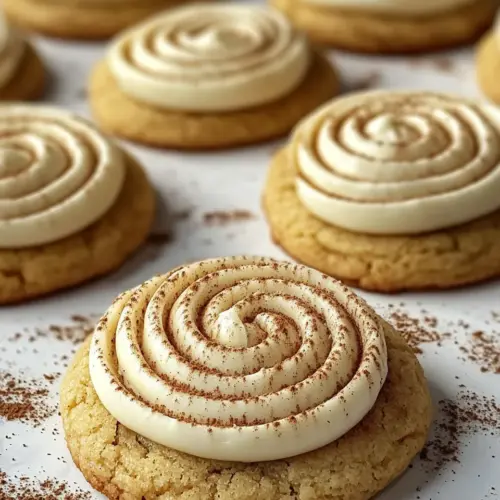
Chai Spice Cookies with Vanilla Frosting
Chai Spice Cookies with Vanilla Frosting are buttery, warmly spiced cookies topped with a silky vanilla frosting, offering a crisp edge and tender center. The chai blend of cinnamon, cardamom, and ginger creates aromatic depth while the frosting adds creamy sweetness, perfect for afternoon tea or easy weeknight baking. Make them for cozy gatherings or as a heartfelt homemade gift.
Equipment
- Stand mixer
- Paddle attachment
- Medium Bowl
- Plastic Wrap
- Parchment Paper
- Wire Rack
- Pastry bag
- Petal piping tip
Ingredients
- 3/4 cup (170 grams) unsalted butter, softened Soften to room temperature and beat until creamy to provide a rich, tender base for the cookie dough, contributing moisture and structure while carrying flavors.
- 1/2 cup (60 grams) confectioners' sugar Sift or measure gently and cream with butter to add fine sweetness and a smooth texture to the cookies, helping create a delicate crumb.
- 2 teaspoons (8 grams) vanilla extract Add for aromatic depth and sweet floral notes; incorporate into creamed butter to infuse the dough with warm vanilla flavor that complements the chai spices.
- 2 cups (250 grams) all-purpose flour Whisk or sift into the batter to form the dry structure of the cookies, supplying gluten and bulk while balancing moisture for proper texture and chew.
- 1 teaspoon (2 grams) ground cinnamon Sprinkle into the dry mix to impart warm, sweet-woody flavor and aroma; works as a primary chai spice that defines the cookie’s profile.
- 1 teaspoon (2 grams) ground ginger Measure and mix with other spices to introduce bright, peppery heat and warmth; enhances complexity and balances the cinnamon’s sweetness.
- 1/2 teaspoon (1 gram) ground cardamom Grind finely and blend into the spice mix to offer a citrusy, floral warmth with a slightly resinous note that elevates the chai blend.
- 1/4 teaspoon kosher salt Dissolve into the dough to enhance overall flavor by balancing sweetness and intensifying the spice profile while supporting dough chemistry.
- 1/4 teaspoon ground allspice Combine with other ground spices to contribute a warm, clove-like depth and subtle fruity undertone that rounds out the chai spice mix.
- 1/8 teaspoon ground black pepper Pinch into the spice blend to introduce a sharp, lingering bite that accentuates the spices and gives unexpected complexity to the cookies.
- Makes about 2 cups Yield estimate indicating final batch volume; use to gauge portioning and storage, helping plan how many cookies or servings the recipe produces.
- 1 cup (227 grams) unsalted butter, softened Soften and whip to create a creamy, stable frosting base; provides richness, structure, and spreadability for the vanilla icing.
- 1/4 teaspoon kosher salt Incorporate into the frosting to control seasoning and enhance flavor contrast; works to balance sweetness and support texture in the icing.
- 3 cups (360 grams) confectioners' sugar Sift directly into the whipped butter to sweeten and thicken the frosting, creating a smooth, pipeable consistency and glossy finish.
- 2 tablespoons (30 grams) heavy whipping cream Pour or add gradually while whipping to adjust frosting consistency and ensure a silky, spreadable texture without becoming runny.
- 2 teaspoons (12 grams) vanilla bean paste Stir into the frosting for concentrated vanilla flavor and flecks of bean for aromatic intensity and gourmet visual appeal in the icing.
- Garnish: ground cinnamon Dust lightly over finished cookies to add color contrast and a final aromatic note, reinforcing the chai spice character with visual appeal.
Instructions
- In the bowl of a stand mixer fitted with the paddle attachment, beat butter and confectioners' sugar at high speed until creamy, 2 to 3 minutes, stopping to scrape sides of bowl. Beat in vanilla.: The kitchen will fill with a sweet, buttery aroma as the butter and confectioners' sugar transform into a pale, fluffy cream, a visual cue that enough air has been incorporated. You should see the mixture lighten in color and smooth out, and when you stop the mixer and run a spatula along the bowl the mixture should come together without gritty sugar. This aeration helps create a tender, slightly lift in the cookie, so resist skimping on the creaming time. A common mistake is undercreaming which yields dense cookies, or overcreaming which can make the dough too soft and cause excessive spreading during baking. Stop to scrape the bowl once or twice so all the ingredients are fully incorporated and uniform.
- In a medium bowl, whisk together flour, cinnamon, ginger, cardamom, salt, allspice, and pepper. With mixer on low speed, gradually add flour mixture to butter mixture, beating until combined. Turn out dough onto a work surface, and roll into a 2-inch-thick log (about 5 1/4 inches long). Wrap tightly in plastic wrap, and refrigerate for at least 2 hours.: As the vanilla is added, inhale the fragrant lift it gives to the buttery base, rounding flavors and adding warmth. The liquid will make the creamed mixture silkier, so watch the texture shift from slightly fluffy to cohesive and glossy. Adding too much liquid at once can make the batter slack, so measure precisely. If the mixture seems too loose, chill briefly before incorporating flour.
- Preheat oven to 350°F (180°C). Line baking sheets with parchment paper.: Whisking these dry elements blends the spices evenly so each slice of dough has a consistent chai character. You will notice the dry mix take on a uniform tan color flecked with darker spices, and the aroma will be concentrated. Sifting is optional but helps with even distribution. A common pitfall is uneven spice distribution which results in some cookies having pockets of intense flavor, so take the extra whisking time.
- Cut log into 1/4-inch-thick slices, and place 1 inch apart on prepared pans.: With the mixer low, the dry mix will disappear into the creamed base without creating cloud bursts of flour. Watch for the dough to come together without streaks of dry flour; it should look soft and hold together when pressed. Overmixing at this stage develops gluten and yields a tougher cookie, so stop as soon as the dough is cohesive. If you see dry bits, fold them in gently by hand rather than running the mixer long.
- Bake until edges are lightly browned, 8 to 10 minutes. Let cool on pans for 2 minutes. Remove from pans, and let cool completely on wire racks.: The dough will feel pliable and slightly cool to the touch, and shaping into a compact log makes even slicing possible. Use light flour on the surface if the dough sticks, but avoid excess as extra flour dries the dough. A common mistake is leaving the log uneven which produces cookies of varying thickness and bake times, so take a moment to roll it smooth and even.
- Spoon Vanilla Bean Frosting into a pastry bag fitted with a small petal piping tip (Ateco #120). Pipe frosting in a zigzag pattern onto each cookie. Garnish with cinnamon, if desired. Store in an airtight container for up to 4 days.: Chilling firms the fat in the dough which helps the cookies hold shape when baking, and it allows flavors to meld, making the spice profile more integrated. The texture after chilling will be denser and easier to slice into thin rounds. Plan ahead, as insufficient chilling can result in spreading, while overchilling makes slicing harder; if very firm, allow a few minutes at room temperature before slicing.
- In the bowl of a stand mixer fitted with the paddle attachment, beat butter and salt at medium speed until smooth and creamy. With mixer on low speed, add confectioners' sugar alternately with cream, beginning and ending with sugar, beating until well combined after each addition and stopping to scrape sides of bowl. Beat in vanilla bean paste. Increase mixer speed to high, and beat until pale and fluffy, 1 to 2 minutes. Use immediately.: A fully preheated oven creates the immediate set at the cookie edges that gives a delicate rim and tender center. The smell of a hot oven is part of the ritual and produces consistent results. Use parchment to prevent sticking and to encourage even browning. A common issue is not allowing the oven to fully come to temperature which leads to pale cookies and uneven texture, so wait until the oven signals it is ready.
- Cut log into 1/4 inch thick slices and place 1 inch apart on prepared pans: Slicing thin, uniform rounds yields cookies with the intended bite, and spacing them allows heat to circulate so edges brown evenly. You will see neat circles with slightly rough tops that will smooth as they bake. If the log is too cold to slice cleanly, let it sit for a minute, but do not let it soften too much. A common mistake is slicing unevenly which leads to some cookies overbaking while others are underdone.
- Bake until edges are lightly browned 8 to 10 minutes Let cool on pans for 2 minutes Remove from pans and let cool completely on wire racks: During baking you will notice the cookies puff slightly then settle, and the aroma of spices will deepen. The visual cue to remove them is a light golden edge while the centers remain pale. Cooling briefly on the pan lets them set so they do not break, then transferring to wire racks prevents sogginess from trapped steam. Overbaking will dry them out, while underbaking leaves the centers doughy, so watch closely in the final minutes.
- Spoon Vanilla Bean Frosting into a pastry bag fitted with a small petal piping tip Pipe frosting in a zigzag pattern onto each cookie Garnish with cinnamon if desired Store in an airtight container for up to 4 days: The frosting should be pale and silky, and piping it creates a pretty texture that contrasts with the spiced cookie. As you pipe, notice the smooth flow of frosting and the gentle vanilla fragrance, and the little flecks from the vanilla bean paste will add visual interest. Dusting a touch of ground cinnamon completes the look. When storing, cool completely to prevent condensation in the container which can soften cookies. A common mistake is piping warm frosting which will slump, so ensure it is properly chilled before decorating.
- In the bowl of a stand mixer fitted with the paddle attachment beat butter and salt at medium speed until smooth and creamy: For the frosting the butter and salt become a silky base as you beat them, creating a slight sheen and a light texture. Stop to scrape the bowl so everything is uniform, and you will see the mixture pale slightly. Underbeating yields a dense frosting, while overbeating can incorporate too much air making it unstable, so aim for smooth and creamy.
- With mixer on low speed add confectioners' sugar alternately with cream beginning and ending with sugar beating until well combined after each addition and stopping to scrape sides of bowl: Alternating the confectioners' sugar and heavy whipping cream ensures the frosting reaches the right consistency without clumps, and it prevents the cream from splattering. The texture will transition from stiff to spreadable as you alternate additions. If you add the cream too quickly the frosting becomes soupy, so proceed gradually and judge consistency visually.
- Beat in vanilla bean paste Increase mixer speed to high and beat until pale and fluffy 1 to 2 minutes Use immediately: The final high speed whip adds air, making the frosting light and cloud like, and the vanilla bean paste contributes both flavor and pretty speckles. The pale color and creamy peaks are signs it is ready. Use the frosting right away for best pipeability, and avoid overwhipping which can turn it grainy or separate.
Notes
- Reduce sweetness: If you prefer less sweet cookies, slightly decrease the frosting confectioners' sugar and increase heavy whipping cream a little to keep pipeability while lowering sugar intensity.
- Increase spice: For a bolder chai profile, add a touch more ground cardamom or ground ginger, but add gradually to avoid overpowering the balance.
- Make ahead: You can prepare the dough and freeze the wrapped log for up to one month, thawing in the fridge before slicing and baking for fresh cookies on demand.
- Firmer frosting: If you need firmer frosting for stacking, chill the finished frosting briefly so it holds its shape when piped and does not smear.
- Adjust for humidity: In humid climates you may need a bit less heavy whipping cream in the frosting to prevent it becoming too soft; add cream in small increments to find the right consistency.