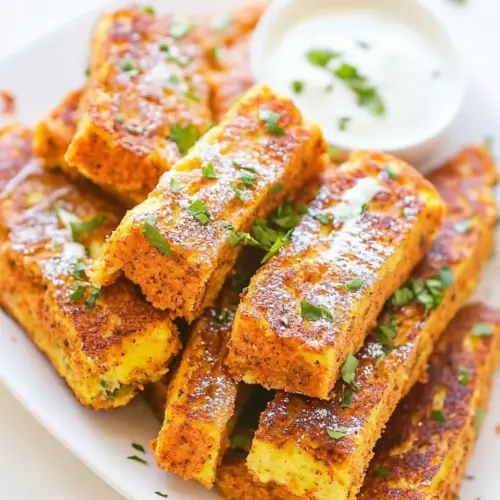
Carrot Cake French Toast Sticks
Carrot Cake French Toast Sticks are a crispy edged, custardy breakfast with warm cinnamon, shredded carrot, and toasted walnuts. This easy to make version turns simple whole wheat bread into a playful, dessert like morning treat perfect for busy days or relaxed weekends. Try it for an easy weeknight brunch or a cozy weekend breakfast that still feels special.
Equipment
- Skillet
- Grater
- Mixing Bowl
- Whisk
- Knife
Ingredients
- 1 medium carrot Grate finely to add natural sweetness, moisture, and subtle vegetal texture that integrates into the batter and browning during cooking.
- 4 large egg Whisk thoroughly to provide structure, richness, and binding action, creating a custardy coating that helps the slices hold together when cooked.
- 1/4 cup milk Combine smoothly to thin the egg mixture and contribute creaminess, ensuring an even custard consistency that soaks into the bread without becoming soggy.
- 1 teaspoon cinnamon Sprinkle evenly to lend warm, aromatic spice notes and depth of flavor that complement the carrot and cinnamon-forward profile of the dish.
- 1 teaspoon vanilla extract Stir in for delicate floral sweetness and aroma that brightens the custard mixture and enhances the overall flavor complexity of the French toast sticks.
- 5 slices bread, whole wheat Cut into sticks and toast to serve as the sturdy base, delivering whole-grain chew, structure for dipping, and a toasty exterior that crisps when fried.
- 1 tablespoon coconut flakes Toast lightly or sprinkle on top to add a faint tropical note and gentle crunch that contrasts the soft interior and creamy toppings.
- 1 cup yogurt, vanilla, low-fat Spoon alongside or serve as a dip to provide tangy creaminess, mild sweetness, and a cooling contrast that balances the warm spices.
- 2 medium banana Slice and layer or serve as a side garnish to contribute natural sweetness, creamy texture, and a complementary fruity flavor that pairs well with nuts and yogurt.
- 1/2 cup walnuts, chopped Chop coarsely to incorporate crunchy texture and rich, nutty flavor that adds contrast and a satisfying bite to each stick.
Instructions
- Grate carrot; add to a shallow dish. Whisk in eggs, milk, cinnamon, and vanilla.: Close your eyes to the rhythm of the grater, and notice the fine, orange strands collecting in the dish, releasing a faint, sweet vegetal aroma that hints at the cake notes. This fine grating helps the carrot meld into the custard, preventing large wet bits that would weigh down the bread . You'll feel the texture with your fingertips, and a visual check ensures uniform pieces. If the shreds are too large, the sticks can steam rather than sear, so aim for thin threads. Avoid pressing hard on the grater which can create uneven shreds and excess moisture. A common error is skipping this fine grate, which leads to bulky carrot pieces that disrupt the toast's structure.
- Dip bread one at a time in egg mixture. Place on a large skillet over medium heat; cook both sides until golden brown and the egg is set.: As you whisk the mixture, listen for the soft, steady beat of the fork against the bowl and watch the custard lighten to a pale, homogenous color. The aroma of cinnamon will bloom, lifting against the creamy scent of milk and vanilla extract . Whisking thoroughly ensures the eggs emulsify with the milk , creating a silky bath that soaks into the bread evenly. If you spot streaks of yolk or pockets of spice, keep whisking until smooth. Underwhisking can produce clumps that cook unevenly; overwhisking is less risky but can incorporate too much air, altering texture.
- Slice into strips; top with nuts and additional coconut and grated carrots if desired. Serve with yogurt and bananas.: As you dip each slice, feel how the custard clings and watch the surface darken slightly, evidence that it has absorbed liquid. Hold the slice just long enough for it to take on moisture but not so long that it becomes soggy. The right moment is when the bread feels saturated but still holds its shape. Use the edge of the dish to let excess drip off gently. A trap many fall into is soaking for too long, which yields a limp interior and difficulty achieving a crisp exterior during sear.
- Place on a large skillet over medium heat: Set the skillet to medium and listen for a soft sizzle when the first piece hits the pan it should not immediately brown too fast. The skillet should be hot enough to create a golden crust while allowing the interior to set. If the pan is too hot, the exterior will char before the center cooks; too cool, and the sticks will absorb oil and become soggy. Watch for even bubbling along the edges as an indicator of heat balance. Use a steady hand when placing multiple sticks so the pan temperature remains stable.
- Cook both sides until golden brown and the egg is set: Observe a visual cue when the edges firm and the surface turns a warm golden color, and you may hear a low crackle as moisture escapes. Flip when the underside reaches an even color, then cook the reverse until it matches. The interior should feel slightly springy, signaling the custard is set. If the center feels overly soft, reduce heat and give it more time, as rushing this step results in raw custard pockets. Avoid flipping repeatedly which prevents proper browning and can tear the sticks.
- Slice into strips: After brief resting on a plate, notice how the crust sets and the inside firms making clean slicing possible. Use a sharp knife to create tidy, uniform sticks which make for neat dipping and consistent bites. The cuts reveal a moist interior flecked with bright carrot and speckled cinnamon . Dull knives will compress the pieces, causing the filling to tear and leak out; keep your blade sharp for clean presentation.
- Top with nuts and additional coconut and grated carrots if desired: As you sprinkle chopped walnuts , lightly toasted coconut flakes , and a hint more grated carrot , you add contrasting textures and a layered aroma. The crunchy nuts give a toasty counterpoint to the tender interior, while the coconut adds a subtle sweetness. If you add toppings immediately while still warm, they meld and release extra fragrance; adding them too early while the sticks are steaming can soften the coconut. One common mistake is overloading toppings which masks the core flavors.
- Serve with yogurt and bananas: Present the sticks alongside a bowl of vanilla yogurt and sliced banana so each person can dip or pile as they like. The cool, tangy yogurt calms the warmth and cinnamon, and the banana adds mellow sweetness. The contrast in temperature and texture completes the experience. Avoid very runny yogurts which can make the plate soggy; aim for a spoonable consistency to keep the presentation tidy.
Notes
- Swap the bread Use sturdy, slightly dense slices like day old whole wheat bread to maintain structure when dipping and cooking.
- Adjust sweetness Increase or reduce the cinnamon or add a touch more vanilla if you prefer a sweeter custard, but keep proportions balanced to avoid sogginess.
- Make it nut free Omit the chopped walnuts and boost texture with extra coconut flakes if you need to avoid nuts for guests.
- Change the yogurt Use a thick vanilla yogurt for dipping to keep the plate tidy and add a tangy counterpoint to the warm sticks.
- Double the batch The custard mixes quickly; prepare more and keep cooked sticks warm in a low oven while you finish the rest.
- Serve on the go Cut into sticks and pack with a small container of vanilla yogurt and sliced banana for an easy portable snack.