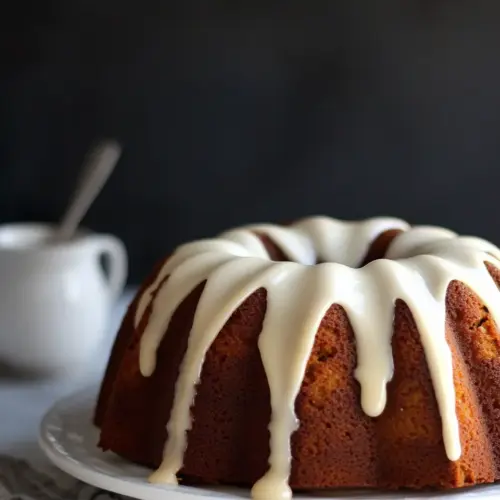
Butterscotch Pumpkin Bundt Cake
Butterscotch Pumpkin Bundt Cake is a moist, spiced bundt with pockets of gooey butterscotch, creamy tangy glaze, and a tender crumb. The combination of warm pumpkin pie spice and rich brown sugar creates a cozy dessert perfect for fall gatherings and easy weeknight treats. Bake it for Thanksgiving or a weekend when you want a simple yet impressive centerpiece that everyone will rave about.
Equipment
- Butterscotch Chips
- KitchenAid 5-Quart Mixer
- Bundt Pan with Handles
Ingredients
- 3 cups all-purpose flour Sifted to ensure even texture and incorporated as the primary dry base that provides structure and crumb to the cake; contributes gluten for stability and absorbs moisture from wet ingredients.
- 1 tablespoon pumpkin pie spice Aromatic spice blend added to impart warm, autumnal notes and depth; balances the sweetness and complements the pumpkin and butterscotch flavors.
- 1 teaspoon baking soda Leavening agent included to react with acidic components and produce carbon dioxide, helping the cake rise and become tender; provides lift and a lighter crumb.
- 1/2 teaspoon baking powder Mild chemical leavening used alongside baking soda to fine-tune rise and prevent over-expansion; contributes to an even, soft texture without large air pockets.
- 1/2 teaspoon kosher salt Kosher salt sprinkled to enhance and balance sweetness while strengthening gluten bonds slightly; elevates overall flavor and rounds out taste.
- 1/2 cup unsalted butter, room temperature Creamy fat beaten with sugars to create air incorporation and richness; adds tenderness, flavor, and moisture while contributing to the cake’s mouthfeel.
- 1 cup sugar Granulated sweetener creamed with butter to provide bulk, tenderization, and caramelization during baking; helps structure and balances spice and pumpkin flavors.
- 1 cup dark brown sugar Molasses-rich sweetener added for deeper caramel notes and moisture; enhances chewiness and complements the butterscotch chips and pumpkin.
- 1/4 cup Greek yogurt Thick cultured dairy used to add moisture, a slight tang, and acidity which reacts with leaveners; contributes to a tender crumb and keeps the cake from drying out.
- 3 large eggs Large eggs beaten to provide structure, emulsification, and lift; bind ingredients, trap air for rise, and add richness and sheen to the cake.
- 15 ounce can pumpkin puree Viscous pumpkin puree folded in to supply moisture, dense body, and characteristic autumn flavor; contributes natural sweetness and a soft, moist crumb.
- 12 ounces butterscotch chips Sweet chips incorporated to deliver concentrated butterscotch flavor pockets and pleasant textural contrast; partially melts to create ribbons of caramelized sweetness throughout the cake.
- 4 ounces cream cheese, room temperature Softened cream cheese used to make a tangy, creamy frosting or swirl that adds richness and balances sweetness; smoothes when whipped and contributes to a silky finish.
- 1/2 cup powdered sugar Finely ground confectioners’ sweetener blended with cream cheese to sweeten and thicken the frosting; dissolves quickly for a smooth, velvety texture.
- 2 teaspoons vanilla bean paste Fragrant vanilla paste added for concentrated vanilla flavor with visible flecks; enhances aroma and complements the butterscotch and pumpkin profile.
- 4 tablespoons heavy cream Rich liquid dairy stirred into frosting to loosen consistency and add silkiness; adjusts spreadability and contributes a subtle cream flavor.
Instructions
- Preheat the oven to 350 degrees F and spray a 12-cup bundt pan with non-stick spray.: As the oven warms you will notice a gentle hum and a steady rise in ambient warmth, which helps the cake begin its rise as soon as it goes in. Preparing the pan well is critical because the intricate grooves of a bundt pan can trap batter and cause sticking; non stick spray ensures a clean release and keeps the cake surface smooth and unmarred. A common mistake is skipping the thorough coating or not getting into the nooks, which leads to broken slices. I like to also lightly flour the pan after spraying for extra insurance against sticking.
- In a medium mixing bowl add flour, pumpkin pie spice, baking soda, baking powder, and salt. Whisk together and set aside.: When you whisk these dry elements you can see the spices disperse and dark flecks of pumpkin pie spice scatter through the pale flour , signaling an even distribution that prevents pockets of spice or leavening. This step ensures the chemical reactions during baking are uniform, which is why I always whisk for at least 30 seconds. If you rush and leave clumps, you risk uneven rise and concentrated flavor spots; if your leaveners are older, you may notice weaker lift, so test them if unsure.
- In the bowl of an electric mixer add butter, sugar, and brown sugar. Mix together until blended. The mixture will be thick.: Creaming butter with both sugars traps tiny air pockets that expand in the oven, giving the cake lift and a tender crumb. The texture should go from dull and crumbly to lighter and slightly fluffy, and you may smell a toffee like aroma from the dark brown sugar. Overbeating can lead to a gummy texture, while under mixing leaves the batter heavy, so aim for a smooth but aerated mixture. If your butter is too cold you will see chunks instead of a creamy blend, so make sure it is at room temperature.
- Add in Greek yogurt, eggs, and pumpkin puree. Mix to combine.: As you add the wet elements the batter will go from thick to glossy and well integrated; the pumpkin changes the color to a warm amber and gives off a subtle earthy scent. The Greek yogurt contributes tang and moisture while the eggs emulsify the mix, creating a cohesive batter. A frequent misstep is adding the eggs cold which can cause small lumps, so bring them to room temperature beforehand. Mix until smooth but avoid overmixing, which can tense the gluten from the earlier flour.
- Slowly add in flour mixture until fully combined.: Adding the dry mix in slow increments keeps the batter from becoming floury or lumpy, and as you fold the flour in you will notice the batter thicken and the surface become matte rather than shiny. This staged approach preserves air and prevents overdeveloping gluten, so the crumb remains tender. A mistake to avoid is dumping all the dry at once and vigorously beating, which creates a dense cake. Stop mixing as soon as you no longer see streaks of flour .
- Fold in butterscotch chips and pour batter into the prepared pan.: Folding in the butterscotch chips gently protects the batter's aeration while ensuring even distribution of those sweet pockets; you will see little amber morsels throughout the batter. Pouring into the bundt pan should be steady and slow, using a spatula to coax the batter into grooves without trapping large air pockets. If you over stir here the chips can begin to melt and streak the batter, or sink to the bottom during baking. A helpful trick is to reserve a few chips to sprinkle on top of the batter for a pretty finish.
- Bake for 50-60 minutes or until a toothpick comes out clean when inserted in the middle of the cake.: As it bakes the kitchen fills with the scent of spice and caramel; the top will turn golden and the edges will pull slightly from the pan. The toothpick test gives the best cue, and you might see a few moist crumbs cling to the tester because of melted butterscotch chips , which is okay. Underbaking leaves a gummy center, while overbaking dries the crumb, so begin checking at 50 minutes and test every 3 to 5 minutes. If the top browns too quickly, tent with foil to protect the color while the center finishes cooking.
- Let the cake rest in the pan for 5 minutes and pop the cake out of the pan onto a wire cooling rack.: That brief rest lets the structure set so the cake unmolds cleanly; you will hear a slight sigh as it releases and feel the warmth on your hands as you invert the pan. Removing it too soon risks breakage, while leaving it too long can cause condensation on the bottom. Use a thin knife to loosen edges if necessary, then invert confidently onto the rack for even air circulation while it cools.
- Once the cake is cooled cover in cream cheese glaze and devour.: When the cake has cooled to lukewarm the glaze adheres without sliding off; the contrast between the cool, tangy cream cheese topping and the warm spice fragrant crumb is delightful. Pour or spread the glaze to your preferred coverage and let it set slightly before slicing. If the cake is too hot the glaze will melt and run, and if too cold the glaze may not spread smoothly, so aim for that sweet spot of warmth.
- In a mixer cream cheese, powdered sugar, vanilla bean paste, and 1 tablespoon of heavy cream.: Starting the glaze with these ingredients yields a silky, tang forward base; you will see a glossy pale mixture come together with tiny vanilla flecks from the paste. The powdered sugar thickens while the cream cheese provides body, and starting with 1 tablespoon of heavy cream avoids over thinning. If your cream cheese is not fully softened you will notice lumps, so bring it to room temperature first.
- Mix on low and add more cream until your reach your desired consistency. I like mine to be thick so it doesn't completely drip off. More of a frosting than a glaze.: As you mix slowly, the texture transforms from dense to silky and spreadable; adding heavy cream gradually lets you control whether the topping drips or clings. A thicker finish keeps the cake looking polished and prevents a runny mess on the serving plate. One common error is adding liquid too quickly which makes the glaze too loose; fix that by whisking in more powdered sugar if needed to regain body.
Notes
- Swap the chips thoughtfully Replace butterscotch chips with white chocolate or chocolate chips for a different candy note; each will change the sweetness profile and melting behavior, so fold gently to avoid streaking the batter.
- Use sour cream as an option If you prefer a slightly tangier crumb, you can use sour cream instead of Greek yogurt, which will yield a similar moisture level with a subtle shift in tang and texture.
- Adjust glaze thickness For a thicker frosting like I prefer, add less heavy cream and a touch more powdered sugar; for a pourable glaze increase the cream slowly until it flows but still clings to the cake.
- Vanilla alternatives If you do not have vanilla bean paste you can use vanilla extract, but note the bean paste gives visual specks and a deeper, more aromatic vanilla presence in the cream cheese glaze.
- Top with reserved chips Sprinkle a few extra butterscotch chips on the glaze while it is tacky for a pretty finish and extra pockets of flavor in each slice.