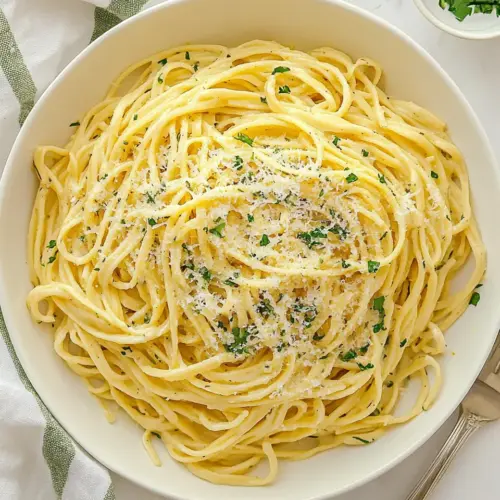
Buttered Noodles
Buttered Noodles are a creamy, comforting bowl of glossy pasta tossed with fragrant garlic, rich butter, and savory parmesan. This easy weeknight dinner comes together quickly and relies on simple technique like reserved pasta water to create a silky sauce, making it perfect for busy nights and family meals. Keep it classic or brighten with herbs, it is a reliable crowd pleaser to make time and again.
Equipment
- Large Pot
- Large Pan
- Colander
Ingredients
- 250 grams dried pasta Boil vigorously to cook pasta until al dente, providing the starchy base that carries flavors; rinse only if needed to stop cooking and prevent sticking. Reserve some cooking water to adjust sauce consistency and help bind butter and cheese to noodles.
- salt Season generously during boiling to enhance overall flavor and help the pasta itself taste savory; add to the water early so it dissolves and distributes evenly. Use coarse salt for better control over seasoning intensity.
- 60 grams butter 4 Tablespoons Melt gently to create a rich, glossy sauce that coats the noodles; use unsalted or salted butter depending on salt preference. Brown lightly if desired to add nutty depth, but avoid burning which can produce bitterness.
- 2 garlic cloves crushed Crush finely to release strong aromatic oils and infuse the butter with savory garlic flavor; add toward the end of cooking to prevent harsh raw bite. Sauté briefly in butter to mellow and distribute aroma evenly through the dish.
- 65 grams parmesan 1/2 cup Grate finely to provide salty, nutty umami that thickens the sauce and clings to the noodles; add off heat to avoid clumping and preserve delicate texture. Stir in gradually with reserved pasta water to create a silky, cohesive coating.
- 1 tablespoon parsley Chop finely to add fresh, bright herbaceous notes and a pop of color that balances richness; sprinkle over the finished dish for aroma and visual appeal. Use parsley sparingly to avoid overpowering the simple butter and cheese flavors.
Instructions
- Cook your pasta in salted water to al dente as per the packet instructions, drain the pasta reserving 1 cup of the pasta cooking water to be used later in the recipe.: The steam and scent of boiling pasta is the first cue that dinner is underway. You should hear a gentle rolling boil and see the noodles moving freely; this movement prevents sticking and encourages even cooking. Taste a strand a minute or two before the packet time finishes, you want a slight bite to the center. Save about 1 cup of that cloudy, starchy water before draining because it is essential for making the sauce cling. A common mistake is discarding the water right away, which can leave the final dish dry and clumpy. If the water is under salted, the noodles will taste flat even after saucing, so be mindful of seasoning the boiling water early on.
- Heat a pan large enough to hold the pasta over a low heat.: When the pan is warm you will feel gentle radiating heat and see the metal shimmer slightly. Using a pan that gives the noodles room makes tossing easier and helps the sauce coat the strands evenly. Low heat is intentional here, it prevents the butter from separating and allows the garlic to infuse gently. A common error is cranking the heat, which can scorch the butter and garlic, imparting an unpleasant bitterness.
- Add the butter and crushed garlic and sauté until the butter is flavoured with the garlic but has not browned.: As the butter melts you will perceive a fragrant, warm aroma of garlic building in the pan. The surface will go from shiny to satin as the aromatics infuse. Keep the heat low so the garlic releases its flavor without browning, which would turn it bitter. Stir constantly for even flavor distribution. A trap to avoid is letting the garlic sit and brown; this ruins the delicate balance of the dish.
- Add the cooked pasta to the butter, tossing the pasta so it is all covered in the buttery goodness, add the reserved pasta water 1/4 of a cup at a time until the pasta is coated and glossy (you may not need to use the full cup of pasta water that you reserved.: Once the pasta hits the pan you will hear a soft sizzle and see the strands begin to glisten. Tossing helps every piece pick up the sauce and encourages the starch in the reserved water to emulsify with the butter , creating a clingy coating. Add the pasta water gradually, watching for a silky sheen to form, and stop when you achieve a glossy, saucy finish. A common misstep is pouring all the water at once, which can make the sauce watery instead of silky.
- Stir through the parmesan cheese, and parsley: When you fold in the grated parmesan , it should melt gently into the warm pasta, thickening the sauce and adding savory depth. The aroma will become richer and more complex, and the texture will shift to a creamier mouthfeel as the cheese dissolves. Finish with the chopped parsley for a pop of color and freshness. Avoid adding cold cheese straight from the fridge in large clumps, as it may not integrate smoothly, causing grainy pockets.
- Season to taste with salt and pepper: Taste the noodles and adjust the seasoning carefully. The parmesan contributes saltiness, so add table salt incrementally to avoid oversalting. Freshly ground black pepper adds a mild heat and aromatic lift. One typical oversight is over seasoning early on without re tasting at the end, which can result in an unbalanced final dish.
- Enjoy! Serve with extra parsley and parmesan if desired: The final presentation should look glossy and inviting, with flecks of green from the parsley and a light dusting of parmesan . Serve immediately while the texture is luxuriously warm and creamy. If you wait too long to serve, the sauce can tighten up as it cools, so plate quickly and enjoy. A mistake I see is letting the dish sit too long, which reduces the glossy finish and fresh herb aroma.
Notes
- Salt the water generously, it is the only time you can season the pasta itself. Taste the water, it should be as salty as the sea so the noodles absorb flavor during cooking.
- Keep the heat low when melting butter, gentle warmth helps the garlic infuse without browning, which would add bitterness and alter the intended delicate flavor.
- Use the reserved pasta water as an emulsifier, add it slowly in small amounts so you form a silky, clingy sauce rather than diluting the flavor.
- Grate the parmesan finely, it will melt more evenly into the warm noodles and contribute to a smoother texture without forming clumps.
- Finish with fresh herbs, adding parsley at the end preserves its bright color and fresh aroma, making the plate look and taste livelier.