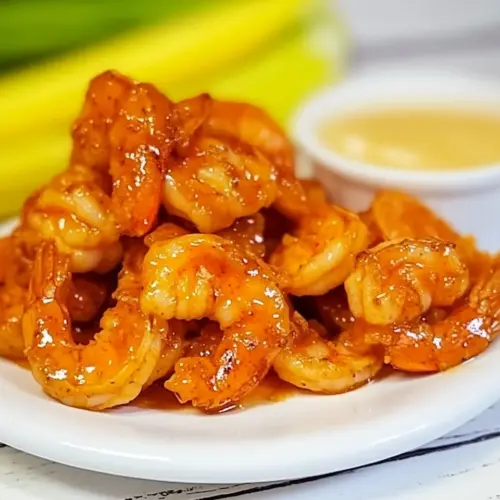
Buffalo Shrimp
Buffalo Shrimp is a crispy, spicy, and easy crowd pleaser featuring quick broiled shrimp tossed in a buttery Buffalo sauce. The mix of warm spices, olive oil, and a tangy hot sauce creates a bold, zippy bite that works for easy weeknight dinners or party appetizers, making it a must make for lovers of bright, fiery flavors.
Equipment
- Rimmed Baking Sheet
- Broiler
- Medium Bowl
Ingredients
- 2 teaspoons onion powder Enhance the savory base by contributing a sweet, mild onion flavor that rounds out other spices; use to season shrimp evenly before cooking for depth. Dissolve easily in oil or marinades and helps create a cohesive spice blend that clings to proteins.
- 1 teaspoon garlic powder Boost overall aroma and provide a warm, mellow garlic note without the moisture of fresh garlic; sprinkle into dry rubs or oil to ensure consistent flavor penetration. Complements other seasonings and helps lift the buffalo sauce when combined.
- 1 teaspoon paprika Add a smoky, slightly sweet backdrop that deepens color and balances heat; incorporate into the seasoning mix to bring complexity to the shrimp. Works well with paprika’s oil-soluble pigments to enhance browning during cooking.
- 1/2 teaspoon black pepper Contribute mild heat and earthy bite that highlights other flavors without overpowering; blend into the spice mix to add subtle sharpness and balance richness. Helps to season shrimp uniformly and enhances overall tasting profile.
- 1/2 teaspoon cayenne pepper Introduce concentrated heat and a bright, spicy kick that defines the buffalo-style character; use sparingly to control the dish’s spiciness while allowing other flavors to shine. Pairs with butter and sauce to create the classic tangy, spicy coating.
- 1 1/2 pounds large shrimp, peeled and deveined Provide the main protein and textural centerpiece for the dish, offering natural sweetness and quick-cooking tenderness when peeled and deveined. Absorbs seasonings and sauce well, making it ideal for a saucy buffalo preparation.
- 3 tablespoons Extra-virgin olive oil Act as the cooking medium and flavor carrier, helping to crisp exteriors and transfer heat evenly during sautéing or grilling. Use extra-virgin olive oil for a fruity undertone and to help the spices adhere to the shrimp.
- 2/3 cup Buffalo sauce, I use Frank's Red Hot Wing Sauce Supply the signature tangy, vinegary heat of buffalo wings that defines the sauce coating; combine with melted butter to create a balanced, pourable sauce. Choose a quality wing sauce to ensure consistent flavor and heat level across the dish.
- 4 tablespoons melted butter Provide richness and mouthfeel, mellowing the vinegar bite while adding a glossy finish to the sauce when melted and mixed with buffalo sauce. Use to calibrate heat and keep the coating on the shrimp silky and cohesive.
- Blue Cheese Dressing Offer a cool, creamy, and tangy accompaniment that contrasts the spicy shrimp, providing a refreshing dip and balancing strong flavors. Serve on the side to allow diners to customize their heat and add creamy flavor.
Instructions
- Turn broiler on and spray a rimmed baking sheet with cooking spray.: A hot broiler creates intense direct heat that gives the shrimp a quick sear and a slightly charred edge, producing a crisp exterior while keeping the interior tender. You should hear a faint sizzle when the shrimp first touch the hot pan, and see the surface start to dull as proteins firm up; these are the visual cues that the cooking is progressing. Use a rimmed sheet to catch any sauce or butter drips, and spraying it helps prevent sticking so the delicate shrimp are easy to flip. A common mistake is placing the tray too close to the broiler, which can burn the edges before the centers are done, so position the rack about 4 to 6 inches below the element. If your broiler runs hot, reduce the time slightly to avoid a dry texture.
- Combine onion powder, garlic powder, paprika, black pepper, and cayenne pepper in a medium bowl. Add shrimp and stir to coat. Drizzle olive oil over shrimp and stir again.: The aroma should bloom as you stir, releasing those warm, toasty notes that signal a well balanced spice mix. When the spices are fully combined they coat more evenly, which ensures every bite of shrimp carries the same flavor profile. Adding the shrimp to the bowl and tossing helps the seasoning cling to the surface, while a drizzle of Extra-virgin olive oil encourages browning and prevents the shrimp from drying. You want the shells to glisten but not be swimming in oil, since excess fat can cause flare ups under the broiler. Avoid overmixing the shrimp which can break their delicate flesh; gentle tossing keeps them intact.
- Spread shrimp out on prepared baking sheet. Broil for 3 minutes. Flip the shrimp over and broil another minute or two or until they have completely turned pink.: Lay the shrimp in a single layer so they have room to cook evenly; crowding leads to steaming and a softer texture. You should hear tiny pops and see the edges begin to change from translucent to opaque as they cook. If the shrimp are arranged too close together, they will release moisture that prevents browning, which changes the mouthfeel dramatically. A common error is piling them up for convenience, which lengthens cooking time and yields uneven doneness. Aim for consistent spacing so each piece receives even heat from the broiler.
- Stir together buffalo sauce and melted butter in a bowl. Place shrimp on a serving plate and drizzle half the buffalo sauce mixture over them. Serve with remaining buffalo sauce and blue cheese.: The initial period under high heat starts the searing process, tightening the proteins on the outside while keeping the center juicy. During this stage the scent of toasted spices and the sweet brine of the shrimp becomes prominent, and the surface should start to take on a faint golden hue. Timing here is crucial since broilers vary; set a timer and keep an eye on color change. If you notice the tips darkening too quickly, slide the tray slightly away from the heating element. Avoid walking away during this step since a minute or two can be the difference between perfectly cooked and overdone shrimp .
- Flip the shrimp over and broil another minute or two or until they have completely turned pink: When you turn each piece, you should see a clear shift to opaque pink and the flesh will feel slightly firm to the touch. The second short burst of broiling finishes the cooking evenly and gives a light char on both sides, enhancing texture and flavor. The shrimp will continue to cook a little after you remove them from the heat, so aim for a firm but springy feel rather than rock hard. An easy trap is leaving them in until they are stiff, which results in rubbery texture, so err on the side of slightly under rather than overcooked.
- Stir together buffalo sauce and melted butter in a bowl: Combining hot spicy Buffalo sauce with warm melted butter creates a silky, glossy finish that clings to the shrimp . The first stir releases a buttery steam and the sauce should look uniform and slightly thickened, signaling good emulsion. This finishing step softens the edge of the hot sauce while amplifying its mouth coating, creating a rounded flavor that complements the spice rub. A frequent misstep is using cold butter which causes the sauce to seize; ensure the butter is warm so it blends smoothly.
- Place shrimp on a serving plate and drizzle half the buffalo sauce mixture over them: As you drizzle, the warm sauce will glisten and scent the air, and the juices on the plate will mingle with the sauce to create a delicious finishing gloss. Coating only half initially allows guests to experience both sauced and lightly spiced versions, and it prevents the texture from becoming soggy. Watch for pooling on the plate; too much sauce can overwhelm the crisp edges you worked to create. If you want more pronounced sauciness, serve the remaining sauce alongside so diners can add to taste.
- Serve with remaining buffalo sauce and blue cheese: Presenting the extra sauce and the Blue Cheese Dressing alongside gives a cooling contrast and lets people customize each bite. The creamy, tangy dressing cuts through the heat and the salted, slightly pungent blue cheese flavor pairs beautifully with the buttery spice. If you notice guests skipping the dressing, mention it as a balancing option because it often transforms a hot bite into a layered flavor experience. Avoid mixing everything on the plate too early, since the cool dressing loses its texture if combined with the hot sauce for too long.
Notes
- Dry the shrimp: Pat them very dry with paper towels so the seasoning adheres and they sear instead of steam under the broiler.
- Even spacing: Place the shrimp in a single layer with space between each to ensure direct heat and consistent browning.
- Warm the butter: Combine warm melted butter with the Buffalo sauce for a smooth, shiny glaze that coats the shrimp evenly.
- Watch your broiler: Set a timer and stay nearby, since a broiler can change the outcome in under a minute; adjust rack height if the edges darken too fast.
- Serve extras on the side: Offer the leftover sauce and the Blue Cheese Dressing separately so guests can customize sauciness and preserve the crisp texture of the shrimp.