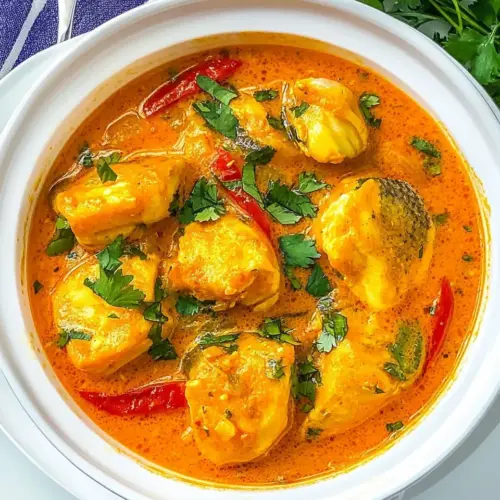
Brazilian Fish Stew Moqueca Baiana
Brazilian Fish Stew Moqueca Baiana offers creamy coconut richness, bright lime lift, and tender seafood in one pot. This easy weeknight dinner delivers layered flavors with aromatic onion, garlic, and paprika, finished with fresh cilantro. It’s perfect when you want a comforting, flavorful meal without fuss, and makes a persuasive choice for both family dinners and small gatherings.
Equipment
- Dutch Oven
- skillet with a lid
Ingredients
- 1 pound (450 g) raw shrimp peeled and deveined, 31-40 count per lb Provide succulent, sweet seafood flavor and tender texture when sautéed briefly; contribute protein and a delicate briny note that pairs well with citrus and spices. Marinate lightly with lime juice and seasoning to enhance flavor without overcooking, adding visual contrast to the stew.
- 1 pound (450 g) white fish fillets (like halibut), cut into 2-inch pieces Add firm, flaky texture and mild flavor that holds up during simmering; supply substantial body and absorb surrounding flavors from the broth and coconut milk. Cut into uniform pieces to ensure even cooking and to create hearty bites throughout the stew.
- 1 large lime (for juice and zest) Offer bright acidity and aromatic oils when zested and juiced; cut through the richness of coconut milk and palm oil while enhancing seafood flavors. Use fresh lime juice to tenderize seafood slightly and zest sparingly for fragrant citrus notes.
- 1/2 teaspoons salt Season the stew with essential salinity to amplify other flavors and balance acidity; dissolve into marinades or the cooking liquid for even distribution. Use sparingly and adjust to taste toward the end of cooking to prevent over-salting.
- 1/2 teaspoon ground black pepper Provide warm, sharp heat and subtle earthiness to complement other spices; grind freshly if possible to maximize aroma. Add during cooking to build background spice and finish with a light sprinkle for aromatic lift.
- 2 tablespoons olive oil not extra virgin Create a neutral cooking fat for sautéing aromatics and vegetables without overpowering flavors; prevent burning at moderate heat and help develop fond. Choose light olive oil for its balance of flavor and smoke point in stew preparation.
- 1 large yellow onion diced Supply sweet, savory base flavor and bulk when caramelized; contribute texture and natural sweetness that enriches the broth. Dice finely for even melting into the stew and longer simmering to deepen flavor.
- 4 cloves garlic minced Deliver pungent, savory depth and aromatic sharpness to the dish; release flavor when minced and gently sautéed with onions. Use minced garlic early in cooking to infuse the oil and broth with umami character.
- 1 cup diced carrots Add subtle sweetness, body, and slight earthiness; soften and release natural sugars that help thicken and flavor the stew. Dice uniformly so carrots cook evenly and complement the texture of seafood pieces.
- 1 fresh jalapeno seeds removed, finely diced Introduce bright heat and vegetal spice without overwhelming the stew when seeds are removed; finely diced jalapeño lends gentle kick and fresh pepper flavor. Add to taste during sautéing to control the level of spiciness.
- 1 bell pepper red or yellow, diced Contribute sweet, crisp flavor and colorful visual appeal while adding body and texture; bell pepper softens and integrates into the stew as it simmers. Dice for even cooking and choose red or yellow for sweeter, milder notes.
- 14 ounces (400 ml) fish stock or seafood stock Provide a savory, oceanic backbone to the cooking liquid; use fish or seafood stock to deepen the stew's seafood character without adding fishiness. Pour hot stock to deglaze the pan and build a well-seasoned broth base.
- 2 tablespoons tomato paste Concentrate tomato flavor, add umami and slight acidity, and help thicken the sauce when cooked into the base; dissolve into the sauté to prevent raw paste taste. Use measured spoonfuls to enrich color and backbone of the stew.
- 2 teaspoons paprika powder Bring warm, smoky color and mild pungency to the stew; paprika enhances visual appeal and adds a gentle depth to the flavor profile. Sprinkle early in cooking to bloom its oils in the fat and integrate with other spices.
- 1 cup cherry tomatoes halved Offer bursts of sweet-tart freshness and juicy texture that brighten each bite; halved cherry tomatoes release concentrated flavor into the broth as they soften. Add during simmering to maintain some intact pieces for contrast.
- 14 ounces (400 ml) canned coconut milk Contribute creamy richness and tropical sweetness that mellows acidity and ties together seafood and spices; coconut milk creates a silky mouthfeel and fuller body. Gently heat to prevent curdling and stir to combine evenly with the stock.
- 2 -3 tablespoons Dende – red palm oil or coconut oil Impart characteristic deep color, slight sweetness, and robust savory richness when drizzled into the stew; red palm oil (dendê) or coconut oil provide traditional flavor and aroma. Add toward the end to preserve its distinctive fragrance and vivid hue.
- 1/2 cup chopped cilantro Add bright, herbaceous freshness and a citrusy, slightly peppery finish when chopped and sprinkled over the finished dish; cilantro lifts the stew visually and flavor-wise. Stir in at the end or use as garnish to retain its vibrant green color.
Instructions
- Marinate Seafood: Pat the fish and shrimp dry. Mix with lime zest, 1 tablespoon lime juice, salt, and pepper in a bowl. Set aside for 10 minutes.: The shrimp and fish should be dry to the touch so the lime zest and juice can cling, releasing bright citrus oils that cut through the eventual creaminess. As you gently toss the pieces, notice the scent of citrus lifting from the bowl. This brief rest seasons the proteins evenly and starts the flavor infusion. A common mistake is over marinating in citrus, which begins to cure the seafood and alters texture, so stick to the ten minute timeframe and keep the pieces chilled while they sit.
- In a large skillet with a lid, heat olive oil over medium heat. Sauté onions until soft (2-3 minutes), then add garlic and cook for one minute or until fragrant.: As the oil warms in a heavy skillet, you should see it shimmer, signaling the right temperature for sautéing. Add the diced onion and stir until translucent and soft, watching for edges just beginning to gloss, which indicates sugars releasing. The aroma should turn sweet and savory, a comforting base note. Avoid high heat, which can char the onion and introduce bitterness rather than gentle sweetness.
- Add carrots, jalapeno, and bell pepper, cooking each until slightly softened (about 3 minutes).: When the minced garlic hits the warm onions, a quick sizzle and pop should occur, followed by a wave of aromatic garlic perfume. Cook only about a minute until fragrant, stirring continuously to prevent sticking. Overcooking will create a sharp, burnt taste, so remove from high heat quickly if brown bits appear.
- Pour in fish stock and stir in tomato paste and paprika. Bring to a boil then reduce to simmer, then let it simmer for 3-4 minutes. Remove half of the vegetables with a slotted spoon and set aside. Add cherry tomatoes.: Add the diced carrot , finely diced jalapeno , and diced bell pepper so they soften but still hold shape. You should hear a gentle sizzle and see the vegetables become glossy, signaling moisture release. The mix will smell layered with sweetness and heat. Cutting vegetables unevenly is a common slip, causing some pieces to mush while others remain raw, so keep the dice uniform.
- Place fish and shrimp in the skillet. Return the set-aside vegetables, layering over the seafood.: When you add the fish stock , it will steam and lift the fond from the pan, incorporating flavor. Stir in the tomato paste and paprika until their deep color dissolves into the liquid, then bring the mixture to a boil and reduce to a simmer. You want the surface to show gentle movement without a furious boil. Let it simmer briefly so flavors marry, but don’t over reduce which can concentrate saltiness excessively.
- Pour in coconut milk and red palm oil (dende) if using, reduce heat, cover, and simmer on low heat for about 15 minutes.: As the broth simmers for a few minutes, aromas will round and deepen, and the vegetables will tenderize. Use a slotted spoon to remove about half of the vegetables, setting them aside; their reserved texture will add contrast when returned later. A typical error is removing too much liquid with the vegetables, so be precise and let excess broth drip back before transferring.
- Taste and adjust seasonings if needed. Garnish with cilantro.: Stir in the halved cherry tomatoes so they warm and begin to release sweet juices, adding bright pops of acidity to the broth. Their skins may gently wrinkle while their flesh softens, creating small bursts of flavor. Add them after the bulk simmer to preserve their texture; adding them too early will cause them to disintegrate completely.
- Place Fish and Shrimp in the Skillet: Nestle the marinated white fish pieces and shrimp into the hot broth, laying them gently to avoid breaking the fish. The proteins will begin to firm as the liquid returns to a low simmer, and you should see opaque edges appear first. Overcrowding the pan is a common mistake, which can lower temperature and lead to uneven cooking, so arrange in a single layer if possible.
- Return Reserved Vegetables: Layer the previously set aside vegetables back over the seafood to create a mosaic of color and texture that steams gently under the lid. As they warm, they release additional flavor into the cooking liquid, enriching the stew’s body. Ensure the layer is even and not packed tightly, because crowding can trap steam and make textures too soft.
- Pour in Coconut Milk and Dende: Pour in the canned coconut milk and add the Dende or coconut oil , watching as the broth turns silkier and deeper in hue. The surface should show small, slow ripples rather than a rolling boil, and the scent will round into a richer, slightly sweet profile. Use low heat for this step, as high heat can cause the coconut milk to separate and change the mouthfeel.
- Reduce Heat, Cover, and Simmer: Cover the skillet and let the stew simmer on low for about fifteen minutes so flavors meld and the seafood finishes cooking through. You should hear a quiet simmer and see the edges of the stew gently bubbling. The fish will flake and the shrimp will be springy, signaling readiness. A common mistake is lifting the lid frequently, which lets heat escape and prolongs cooking unpredictably.
- Taste and Adjust Seasonings, Garnish: Finally, taste the broth and adjust with additional salt or a splash of lime if needed to brighten the profile. Finish with the chopped cilantro scattered on top for herbal lift. If any element seems flat, a tiny squeeze of lime can snap the dish into balance. Over seasoning is easy at this stage, so add increments and taste between additions.
Notes
- Choose Firm Fresh Fish Select white fish with a mild aroma and firm flesh so it holds its shape during simmering and flakes nicely when served.
- Don't Over Marinate Keep the marination to about ten minutes to avoid the lime starting to cure the seafood and altering textures.
- Use Neutral Olive Oil A light olive oil helps sauté aromatics without imposing extra flavor; avoid extra virgin if you want a clean base.
- Control Jalapeño Heat Remove seeds to tame spice, and taste as you go to keep the heat balanced with the coconut milk.
- Reserve Some Vegetables Setting aside half the vegetables and returning them later preserves texture and yields a more interesting mouthfeel.
- Finish with Fresh Cilantro and Lime Adding herbs and citrus at the end brightens the dish and balances the richness of the coconut milk.