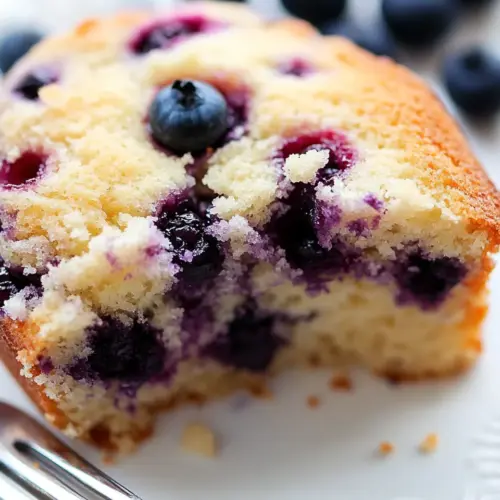
Blueberry Cake
Blueberry Cake is a tender, fruity loaf with juicy bursts of blueberry and a soft, buttery crumb. This easy, quick bake works for breakfast, snacks, or a light dessert and is perfect for easy weeknight baking or casual gatherings. The simple pantry ingredients yield consistent results, making it a go to recipe you'll keep returning to.
Equipment
- Oven
- Mini loaf pans
- Mixing Bowls
- Whisk
Ingredients
- 1/4 cup unsalted butter, softened Creamy and softened to incorporate air when beaten, helping create a tender crumb and rich flavor in the cake. Use at room temperature to ensure even creaming with sugar and proper emulsification with the egg. Contributes moisture and helps dissolve sugar for a smooth batter.
- 1/2 cups sugar Granulated and used to sweeten the batter while aiding in structure through creaming with butter. Helps to incorporate air when beaten, contributing to cake rise and crumb texture. Adjusts overall sweetness and browning during baking.
- 1 large egg Beaten to bind ingredients and provide structure through coagulation of proteins during baking. Adds moisture and richness while helping to trap air incorporated during mixing. Use at room temperature for better emulsification with fats and liquids.
- 1/4 cup milk Added to thin the batter and provide moisture, contributing to a tender texture and helping distribute ingredients evenly. Also helps dissolve dry ingredients and slightly enriches the cake when using milk with some fat. Warm or room-temperature milk blends more smoothly into the batter.
- 1/2 teaspoon vanilla extract Used to enhance overall flavor with a sweet, aromatic note and complement the blueberries. Small amounts elevate perceived sweetness and depth without adding moisture. Add to batter for consistent flavor distribution.
- 1 cup all-purpose flour Provides the primary structure and bulk of the cake through gluten formation when mixed with liquids. Supplies starches that gelatinize during baking, setting the crumb and absorbing moisture. Sift or gently fold to avoid overworking and a tough texture.
- 1 teaspoon baking powder Acts as a leavening agent by producing carbon dioxide when combined with moisture and heat, contributing to cake rise and lightness. Balances the batter to prevent it from becoming dense and compact. Ensure freshness for reliable lift.
- 1/4 teaspoons salt Used to balance flavors and strengthen gluten slightly while enhancing overall taste through salt's flavor-enhancing properties. Small amounts improve sweetness perception and round out the cake's profile. Dissolve into the dry ingredients for even distribution.
- 1 1/2 cups blueberries, fresh or frozen Provides bursts of fruity flavor and moisture, adding texture and color contrast throughout the cake. Can be used fresh or frozen; if frozen, fold in gently to prevent color bleed and avoid overmixing. Distribute evenly in batter to prevent sinking during baking.
Instructions
- Preheat the oven to 350°F (176°C). Grease four mini loaf pans with butter (I used 3" x 1.75" (7 cm x 4.5 cm) pans). You may also use one regular loaf pan.: Warm air hitting the pans signals the start of transformation, and you'll notice a faint, clean warmth when the oven is ready. This temperature promotes even baking and a tender crumb while allowing the top to develop a pleasing golden color. I always preheat fully so the batter meets consistent heat immediately, which helps the rise. A common mistake is placing the batter into a not fully heated oven, which can result in uneven rise and a denser center. If you smell a metallic scent or anything unusual from the oven, stop and check the oven settings before baking.
- Place the butter, sugar, egg, milk, and vanilla extract in a bowl. Whisk for 2 minutes until well combined.: As you whisk, the aroma of butter and vanilla will lift, and the mixture will become smoother and slightly paler as air incorporates. This aeration is subtle but important for a light texture. The sound is a soft whoosh as the whisk moves through the glossy batter. If the mixture appears curdled, it usually means the egg was too cold, so let it sit for a few minutes and whisk gently to bring it together. Avoid overmixing which can make the cake tough by developing too much gluten.
- Combine the flour, baking powder, and salt in a bowl. Stir this mixture into the creamed mixture, then fold in the blueberries.: When you add the dry ingredients, the batter will thicken and change to a velvety texture that clings to the spoon. Folding in the dry mix gradually helps maintain air trapped earlier. The scent shifts to a subtle, bready note as the flour integrates. Folding in the blueberry s should be done gently, with a few big turns, to avoid crushing them and releasing too much juice. A common pitfall is over folding which breaks berries and creates a blue-hued batter, so fold just until the berries are evenly distributed.
- Transfer the batter into the pans and bake for 30 minutes, or until a cake tester inserted in the center comes out clean. If using a regular loaf pan, you may need to bake for 40 minutes or longer. If the top of the cake starts to darken too much, cover it with a sheet of aluminum foil at the 30-minute mark to prevent over-browning.: As the loaves bake, you'll notice a warm, fruity perfume and the gently rising domes. The tops will turn a light golden brown and the edges will pull slightly away from the pan. The sound is quiet, but when you tap the top lightly it should feel springy. If the tester shows wet batter, return to the oven and check in five minute increments. Avoid opening the oven repeatedly early on because it can cause the loaves to sink from lost heat.
- Let the loaves cool for 10 minutes, then dust with powdered sugar if desired.: Cooling lets the crumb set and the juices redistribute, so the loaves slice cleanly and the interior isn't gooey. You will sense a softer, more completed aroma as the steam settles. After a brief rest, the tops will be just cool enough to handle, and dusting with powdered sugar adds a light sweetness and visual finish. A common error is slicing too soon which can compress the loaf and make it appear gummy, so be patient for at least those ten minutes before serving.
Notes
- Room temperature ingredients matter Bring the butter, milk, and egg to room temperature for smoother mixing and a more even crumb.
- Flour the berries Toss the blueberrys in a teaspoon of all-purpose flour so they remain suspended in the batter and do not sink to the bottom.
- Frozen berry handling Fold frozen blueberrys in while they are still frozen to avoid turning the batter blue and to keep the berries intact.
- Pan choice Mini loaf pans give cute individual portions, while a standard loaf pan requires 10 to 20 extra minutes of baking time; adjust accordingly and test with a cake tester.
- Check at the edges Look for a light pull away from the pan and a springy top as signs of doneness, rather than relying solely on color, which can vary between ovens.