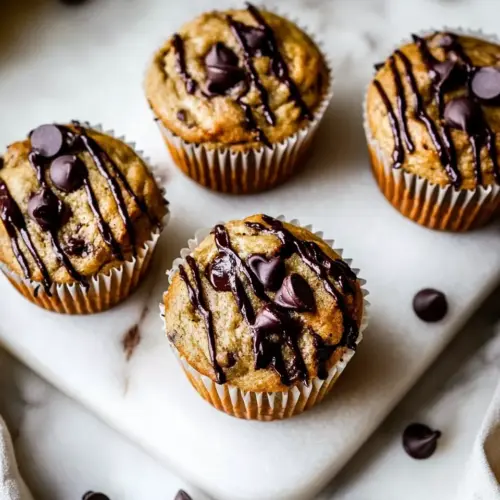
Blender Cottage Cheese Chocolate Chip Peanut Butter Banana Muffins
Blender Cottage Cheese Chocolate Chip Peanut Butter Banana Muffins are moist, slightly nutty, and studded with melty chocolate chips. The creamy cottage cheese and ripe banana create a tender, protein rich muffin that still feels indulgent. Quick to blend and bake, they are perfect for easy breakfasts or crowd pleasing snacks, offering a wholesome yet comforting reason to make them today.
Equipment
- Blender
- Muffin Tin
- Spatula
Ingredients
- 1/2 cup whole milk cottage cheese Provide a creamy, tangy moisture boost that enriches batter texture and adds protein, helping muffins stay tender while contributing a subtle dairy tang.
- 3 medium ripe bananas, mashed Offer natural sweetness and moisture while acting as a binder and tenderizer when mashed, helping create structure and a soft crumb in the muffins.
- 1/2 cup creamy peanut butter Contribute rich, nutty fat and flavor that enhances mouthfeel and tenderness while adding protein and helping to bind dry ingredients together.
- 2 tablespoons melted coconut oil Add light, neutral fat to improve moistness and tenderness, helping distribute flavors and contribute to a softer crumb when melted.
- 1/4 cup pure maple syrup Impart natural sweetness and a slight caramel note that sweetens the batter without refined sugar, also adding moisture to the muffins.
- 2 eggs Provide structure and lift by coagulating proteins and trapping air, contributing to overall stability and a light, cakey texture in the muffins.
- 1 tablespoon vanilla extract Deliver aromatic sweetness that enhances other flavors, balancing banana and peanut butter while contributing to the overall flavor profile.
- 1 1/2 cups whole wheat pastry flour (or all-purpose flour) Supply bulk, structure, and whole-grain flavor while absorbing moisture; whole wheat pastry flour yields a tender crumb similar to all-purpose flour.
- 1 1/2 teaspoons baking soda React with acidic components to produce carbon dioxide for leavening, helping muffins rise and creating a light, airy texture when combined properly.
- 1/2 teaspoon kosher salt Enhance and balance flavors while controlling fermentation and gluten development; salt brightens sweetness and deepens overall taste.
- 1 cup semi-sweet or dark chocolate chips Introduce pockets of melted chocolate throughout the muffins, providing bursts of rich sweetness and contrasting texture that elevate each bite.
- peanut butter, for serving Serve as an optional finishing touch to spread on warm muffins, adding extra richness and a smooth, salty-sweet complement to the chocolate and banana.
Instructions
- Preheat the oven to 350° F. Grease 16 muffin tins. In a blender, blend the cottage cheese until almost whipped, about 1 minute. Add the mashed bananas, peanut butter, coconut oil, maple syrup, eggs, and vanilla. Blend to fully combine. Add the flour, baking soda, and salt, blend again until just combined. Fold in the chocolate chips. Divide the batter among the prepared muffin tins. Bake for 20-22 minutes, until just set. Serve with peanut butter and sea salt (if desired) on top.: The kitchen will begin to warm with a soft baking aroma, and the consistent oven heat is essential for an even rise and uniform crumb. A properly preheated oven prevents the muffins from spreading too much and encourages a slightly domed top. One common mistake is placing the pan in too early, which can cause uneven texture and longer bake times.
- Grease 16 muffin tins: Greasing each well ensures the baked muffins release cleanly and keeps bottoms from sticking, and you will notice the exposed edges turn gently golden as they bake. If you prefer, use liners to make removal easier, but greased tins promote a slightly crisper exterior. Be careful not to over grease, which can lead to greasy sides and less appealing texture.
- In a blender, blend the cottage cheese until almost whipped, about 1 minute: As you blend, the cottage cheese transforms from curds to a creamy, velvety texture, and the sound will change from clatter to a smoother hum. This step helps the dairy integrate seamlessly, preventing lumps in the final batter. Over blending can thin the mixture too much, so stop when it is visibly smooth but still slightly thick.
- Add the mashed bananas, peanut butter, coconut oil, maple syrup, eggs, and vanilla: These wet ingredients will create a glossy, fragrant batter when combined, filling your kitchen with warm banana and nutty notes. The peanut butter blends into ribbons, giving the batter body, while eggs add a sheen. A frequent error is adding cold eggs or oil that solidifies, which can create small clumps, so bring eggs to room temperature and allow melted oil to cool slightly before blending.
- Blend to fully combine: The mixture should have a uniform color and smooth viscosity, indicating the ingredients are fully incorporated. You will see streaks disappear and the batter become cohesive, which contributes to an even crumb. Avoid over blending as this can develop gluten once you add the flour, potentially making muffins denser than desired.
- Add the flour, baking soda, and salt: When these dry ingredients are added, they will matte the batter and thicken it noticeably, readying it to hold structure during baking. The smell will shift subtly as the baking soda and flour integrate, and you will notice the batter take on a sturdier body. A common mistake is adding too much flour by compacting it into the cup, so spoon and level for the best texture.
- Blend again until just combined: The goal here is to achieve a batter where no visible streaks of flour remain, yet it has not been overworked, preserving tenderness. You will see the batter cling thickly to the blender blade, and this sheen indicates readiness. Over working will create a tougher crumb, so pulse briefly and check visually rather than relying on a timer.
- Fold in the chocolate chips: As you fold, pockets of glossy chocolate chips will pepper the batter, promising molten centers after baking. Folding preserves the air in the batter and keeps the chips distributed evenly, which gives you melting bites throughout. A pitfall is mixing them in the blender which can break them down, so use a spatula and gentle turns instead.
- Divide the batter among the prepared muffin tins: Spoon or scoop the batter so each well is about three quarters full, and you will notice a smooth top that will rise to a rounded crown as it bakes. Even distribution ensures uniform baking and consistent texture from muffin to muffin. Avoid overfilling as it can lead to spillover and uneven centers that remain underbaked.
- Bake for 20 to 22 minutes, until just set: During baking you will observe the edges turning golden brown and the centers springing back when touched gently, with a warm, toasty aroma filling the kitchen. This visual and tactile check helps you avoid overbaking which dries the crumb. If you test too early and the center is still wobbly, return them to the oven in short intervals to prevent a dry texture from overbaking the muffins.
- Serve with peanut butter and sea salt (if desired) on top: A smear of peanut butter on a warm muffin melts into the crumb, and a light sprinkle of flaky salt creates a lovely contrast that heightens the flavors. The heat releases the aroma of the peanut butter and intensifies the chocolate chips , making every bite more complex. Be mindful of salt amounts, too much can overwhelm the sweet notes you worked to build.
Notes
- Room temperature eggs blend more evenly, reducing streaks and giving a smoother batter.
- Measure flour by spooning into the cup, then level, to avoid a dense, dry crumb from too much flour.
- Pulse the blender rather than running it continuously after adding flour, to prevent gluten development and keep muffins tender.
- Cool slightly before removing from the tin, so the muffins set and release cleanly, avoiding breakage.
- Store properly in an airtight container at room temperature for up to three days, or freeze for longer storage to keep them fresh.