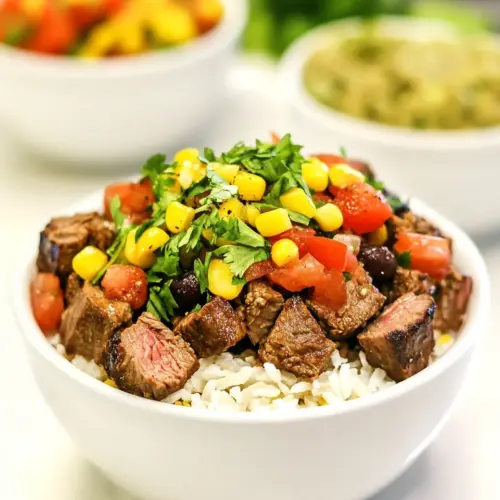
Better Than Chipotle Homemade Steak Burrito Bowls
Better Than Chipotle Homemade Steak Burrito Bowls deliver juicy, seared steak with bright cilantro lime rice, creamy beans, and crisp romaine for an easy weeknight dinner. The bowls combine smoky, tangy, and fresh notes for a balanced, crowd pleasing meal. Make them to enjoy restaurant style flavors at home with minimal fuss and big payoff.
Equipment
- Heavy duty pan or griddle
- Knife
- Cutting Board
- Bowls or platter
Ingredients
- 4 3-ounce steaks, boneless any cut Pan-sear to develop a deep, savory crust while providing the main protein and hearty texture for each bowl; slice thinly against the grain for tenderness before serving.
- 4 cups romaine lettuce, washed and chopped Chop finely to add a crisp, refreshing bed that contrasts richer components and provides bright, cooling crunch to balance savory flavors.
- 1/2 cup Mexican blend or mozzarella cheese, shredded Sprinkle evenly to introduce a creamy, mild saltiness and melty texture that binds fillings together and adds indulgent richness.
- 1/2 cup sour cream, optional Dollop sparingly to lend cool creaminess and a tangy counterpoint that tempers spicy or acidic notes in the bowl when desired.
- 1/2 cup thinly sliced onions Sauté briefly or serve raw to contribute sharp, sweet-pungent aromatics and a tender bite that complements grilled steak and peppers.
- 1/2 cup thinly sliced bell peppers Sear quickly to bring out natural sweetness and add colorful, tender-vegetable body that pairs well with onions and steak.
- 1/2 cup chopped tomatoes Dice into uniform pieces to introduce juicy acidity and freshness that cuts through richness and brightens every forkful.
- 1 cup black beans, canned Rinse and drain before warming to provide creamy, protein-packed heartiness and a soft texture that complements rice and steak.
- 1/2 cup yellow corn, canned Heat gently or serve chilled to contribute sweet, starchy kernels that add pop and a pleasant contrast in texture and flavor.
- 2 teaspoons oil Heat in a skillet to prevent sticking and facilitate good searing; also helps carry flavors when cooking vegetables or steak.
- 5 -6 cups cooked cilantro lime rice Fluff and portion to form the carbohydrate base that soaks up sauces and juices and adds aromatic cilantro-lime brightness to bowls.
- Cilantro lime marinade Marinate steaks briefly to infuse citrusy, herbaceous flavor and tenderize meat, creating signature brightness associated with cilantro lime.
Instructions
- Marinate the steak in the cilantro lime marinade for 2-3 hours in the fridge. If you are in a rush you can also marinate the steak and cook it right away. After the steak has marinated, heat a heavy duty pan or griddle and coat with 1 teaspoon of oil, cook the steaks for 2-3 minutes on each side then remove and allow to rest for 5 minutes before cutting. After removing the steak from the pan add the sliced onions and bell peppers. Be sure not to wash the pan in order to keep all the flavor of the steak. Cook the onions and peppers for 2-5 minutes or until the edges are golden.: The aroma of bright citrus and fresh herb will be pronounced as the steak soaks up the marinade, giving the meat a tangy lift that cuts through richness. You will notice the surface becoming slightly tacky and more aromatic, which indicates penetration. This step matters because acid and herb soften fibers and add flavor, making a small piece of meat taste much larger than it is. A common mistake is overcrowding the container, which prevents even contact with the marinade, so arrange the steak in a single layer if possible. If you skip extended marination, allow at least a brief 20 minute rest to let flavors start to develop.
- While the steak is cooking chop the veggies and arrange along with the cilantro lime rice in a big bowl or platter. After the steak is cooked and cut layer the burrito bowls in small individual bowls. Place a layer of rice, a layer of beans, tomatoes, and corn, a layer of steak and onions, a layer of salad, and then top with a sprinkle of cheese and a teaspoon of sour cream.: When time is tight the smell of citrus will still be present, and you will catch hints of cilantro in the steam as the pan heats. This shortcut works because the surface flavors quickly concentrate under heat, producing pleasing browning. The why is simple, heat intensifies surface aromatics and provides that restaurant like sear even without long marination. A pitfall is assuming quick marination equals deep flavor, so resist cranking the heat too high to compensate, as that can char the outside before the center is cooked.
- After the steak has marinated, heat a heavy duty pan or griddle and coat with 1 teaspoon of oil: A hot pan will hiss when the oil meets the metal and small ripples of shimmer will form across the surface, signaling readiness. Using a heavy pan retains heat and creates the best sear, giving the steak caramelized edges that are rich and savory. This technique is crucial because proper searing locks in flavors and develops the Maillard crust that defines the experience. Avoid adding too much oil, which can cause splatter and inhibit even browning.
- Cook the steaks for 2 to 3 minutes on each side then remove and allow to rest for 5 minutes before cutting: You will hear a confident sizzle as the steak hits the pan and see a dark golden crust form, with juices starting to bead on the surface. Resting is essential, the juices redistribute and the meat finishes gently, keeping slices juicy when cut. This matters because cutting too soon bleeds moisture out, leaving the steak drier than intended. A frequent error is flipping too soon, which disrupts crust formation, so let the meat form a stable surface before turning.
- After removing the steak from the pan add the sliced onions and bell peppers: The residual fond on the pan will flavor the vegetables, and you will hear them sizzle as they hit the warm surface. Cook until edges develop a golden color and the aroma turns sweet and nutty, those caramelized notes pair beautifully with the savory steak . This technique harvests the pan flavors rather than wasting them, which deepens the overall dish. A common mistake is washing the pan first which removes the fond, so keep the pan hot and work quickly to build flavor.
- Be sure not to wash the pan in order to keep all the flavor of the steak: Leaving the fond means you capture concentrated savory taste in the next components, the pan juices will mingle with the vegetables and create a cohesive flavor profile. The sizzling smell will be richer, with meaty undertones that boost the entire bowl. This matters because flavor continuity is what makes composed bowls taste thoughtful and layered. Avoid rinsing the pan, and do not add cold liquid immediately, which can cool the surface and inhibit proper caramelization.
- Cook the onions and peppers for 2 to 5 minutes or until the edges are golden: As they soften you will notice a sweeter scent and golden edges that indicate the sugars are caramelizing. The gentle char creates complexity that complements the steak and bright elements in the bowl. This step matters because those browned edges add umami and a softened texture that balances crunchy lettuce. A common error is overcrowding the pan, which steams the vegetables instead of browning them, so give them room to color.
- While the steak is cooking chop the veggies and arrange along with the cilantro lime rice in a big bowl or platter: The sound of chopping and the fresh, green scent of herbs will fill the air as you prepare the romaine lettuce , tomatoes , and other veg. Arranging components on a platter makes assembly simple and inviting, allowing diners to see the colors and choose portions. This matters because a communal set up encourages customization and keeps textures distinct. Avoid cutting everything too far in advance, which can dull freshness, so chop close to serving time when possible.
- After the steak is cooked and cut layer the burrito bowls in small individual bowls: Start with a bed of warm cilantro lime rice , followed by a scoop of black beans , then tomatoes and corn , a portion of sliced steak and the sautéed onions and peppers, finishing with crisp romaine lettuce and a sprinkle of cheese . The contrast of warm and cool, soft and crunchy, is immediately noticeable on the first bite and keeps each mouthful engaging. This composition matters because it ensures balance and prevents a single ingredient from dominating. One mistake to avoid is piling everything in a single hot layer, which can wilt the lettuce and flatten the textures.
- Place a layer of rice, a layer of beans, tomatoes, and corn, a layer of steak and onions, a layer of salad, and then top with a sprinkle of cheese and a teaspoon of sour cream: Each addition contributes its own aroma and texture, with the final cheese melting slightly against warm elements and the sour cream adding a cooling touch. The finished bowl will present a mosaic of color, and the combined scent of citrus, char, and fresh herbs will be enticing. This final assembly step ties everything together, ensuring each bite contains multiple flavor notes. Avoid over topping the bowl, which can make it difficult to taste the individual components distinctly.
Notes
- Use room temperature steak, when possible, take the steak out of the fridge 20 minutes before cooking to help it sear more evenly and avoid a chilled center.
- Pat meat dry before searing, moisture on the surface will steam instead of brown, so blot the steak and get a better crust.
- Warm your rice, heating the cilantro lime rice briefly will help the cheese melt slightly and meld flavors with the warm beans and steak.
- Toast canned corn lightly, after draining, toss the yellow corn in the hot pan for a minute to deepen its sweetness and add texture.
- Pack components separately for meal prep, store the steak, rice, and salad in separate containers so the lettuce stays crisp until serving.