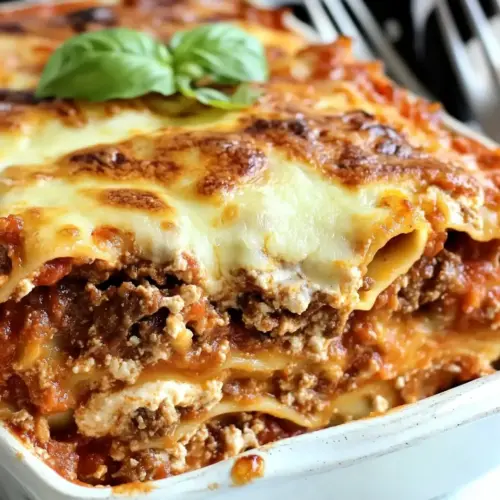
Best Cowboy Lasagna Easy Recipe
Best Cowboy Lasagna Easy Recipe is a creamy, hearty layered casserole with browned beef and italian sausage, melty mozzarella, and savory tomato sauce. This easy weeknight dinner doubles as a crowd pleaser, offering crispy edges and bubbling cheese that lure everyone to the table. Make ahead friendly and freezer safe, it’s perfect when you want comforting, effortless feeding for family and friends.
Equipment
- 9 X 13 baking dish
- Frying Pan
- Baking Sheet
- Pot for boiling noodles
Ingredients
- 1 lb browned ground beef Browned and seasoned to add rich, savory depth and a hearty texture that forms the protein base of the casserole. Provides meaty flavor that complements the tomato sauce and cheeses, helping create a balanced, robust dish.
- 1 lb browned italian sausage Browned until cooked through to contribute a slightly spiced, fatty richness that layers with the ground beef for a fuller flavor profile. Enhances mouthfeel and adds complexity, making the lasagna more indulgent and satisfying.
- 2 jars tomato based Pasta Sauce Tomato-based sauce poured over layers to supply acidity, sweetness, and aromatic herbs that tie the components together. Acts as the primary moistening element to prevent dryness and infuses the casserole with classic Italian-inspired flavor.
- 12 Lasagna noodles cooked per package instruction Cooked according to package instructions to provide tender, pliable layers that separate the fillings and absorb sauce. Creates the structural framework of the lasagna so slices hold together while remaining soft and inviting.
- 12 oz pepperonis two packages Sliced pepperonis added between layers to introduce a spicy, cured-meat punch and extra savory fat that crisps slightly when baked. Contributes small bursts of intense flavor and a pleasing contrast to the cheeses and sauce.
- 4 cups Shredded Mozzarella Cheese Shredded mozzarella sprinkled liberally to melt into a gooey, stretchy layer that unifies the lasagna components. Provides mild creaminess, an appealing golden top when baked, and a satisfying stringy texture when served.
- 8 oz Ricotta Cheese Ricotta dolloped or spread to offer a creamy, slightly tangy layer that adds richness and a smooth mouthfeel to each bite. Helps bind fillings together while balancing the acidity of the tomato sauce and the saltiness of the meats.
- 4 oz Grated Parmesan Cheese Grated Parmesan sprinkled for nutty, salty complexity and a sharp finish that elevates overall flavor. Melts into the surface and edges to create a savory, slightly crisp accent and deepen the savory profile.
Instructions
- Preheat the oven to 350.: As the warm, dry air begins filling the oven, you should notice the faint metallic click as the heating starts, and the racks will slowly glow with residual warmth. Preheating ensures the lasagna begins cooking evenly the moment it goes in, which helps the cheese melt uniformly and the center heat through rather than requiring extended bake time. One common mistake is skipping preheat, which can lengthen bake time and lead to uneven bubbling and a gummy center. If your oven runs hot or cold, use an oven thermometer to confirm accuracy.
- While the oven is preheating, brown the ground beef and the Italian sausage over medium heat in a frying pan. When browned, remove each from the heat and reserve. Cook the Lasagna noodles according to package instructions and reserve.: You will hear a steady sizzle as the meat hits the pan and smell savory, caramelized aromas as it browns, with small brown bits clinging to the pan that are full of flavor. Browning concentrates flavors by driving off moisture and creating Maillard reactions, which is why it matters. For the noodles, boiling until just tender yields the ideal chew after baking, and laying them flat on a tray prevents sticking. A slip to avoid is crowding the pan which can steam the meat instead of browning it, and overcooking noodles will lead to mushy layers.
- In a 9 x 13 baking dish spoon several spoonfuls of the pasta sauce into the baking dish.: The bright tomato aroma will open up as you spread a thin layer of pasta sauce across the bottom, creating a barrier that prevents noodles from sticking and offering immediate saucy flavor to the first layer. This base also creates a visual contrast when you begin layering. An easy oversight is skimping on this step, which can cause the lasagna to cling to the dish and tear when cut. Use a silicone spatula to spread the sauce evenly.
- Begin layering the ingredients as follows: 3 lasagna noodles, 1/3 of the pasta sauce, 1/3 of the browned ground beef, 1/3 of the Italian sausage, 1/3 of the pepperonis, 1/3 of the Mozzarella Cheese, 1/3 of the Ricotta Cheese, 1/3 of the parmesan. End with the cheeses on top.: 3 lasagna noodles, 1/3 of the pasta sauce, 1/3 of the browned ground beef, 1/3 of the Italian sausage, 1/3 of the pepperonis, 1/3 of the Mozzarella Cheese, 1/3 of the Ricotta Cheese, 1/3 of the parmesan. End with the cheeses on top. : As you build each tier, listen for the slight clink of noodles against the pan and watch the colors alternate between red sauce, browned meat, and creamy cheeses. Layering in thirds promotes even distribution, preventing dense pockets of meat or sparse cheese zones. The technique matters because consistent layers ensure even baking and balanced bites. A common error is piling ingredients unevenly, leaving some slices over loaded and others skimpy, so measure mentally or visually to keep things even.
- Place the 9 x 13 pan on a baking sheet and place on the middle rack of the oven. Bake for 45-55 mins until heated through and bubbly. Cheese will be melted throughout and the edges will be browned. If you like yours less browned, lightly cover with aluminum foil for the last 15 minutes.: During baking you will hear a gentle bubbling sound as moisture escapes and the cheese melts, and the aroma of cooked sauce will intensify into a warm, comforting perfume. Visual cues include active bubbling in the center and golden edges on the cheese. Covering with foil prevents excessive browning while still allowing the interior to heat through. A pitfall is opening the oven too often, which drops the temperature and prolongs baking, so check only near the end of the time window.
- Remove from the oven and serve hot. Great with garlic bread and a salad!: Once out of the oven, the surface should be bronzed and the sauce visible around the edges, releasing a heady blend of meat, tomato, and melted Mozzarella Cheese . Letting it rest briefly allows the layers to settle so slices hold together when served, and the aroma will invite guests to gather. Avoid cutting immediately or the juices will run and slices may fall apart; a rest of 10 to 15 minutes improves presentation dramatically.
Notes
- Prep ahead: Prepare the browned ground beef and italian sausage and the cooked lasagna noodles the day before to make assembly a breeze; chilling the components also helps them layer more cleanly.
- Combine meats option: You can brown both meats together to save time; just ensure they are cooked through and drain excess fat if the pan seems greasy to avoid a heavy final dish.
- Handling sausage casing: If using sausage links, slice and squeeze the meat out of the casings before browning to incorporate easily into layers.
- Mozzarella choice: Using fresh mozzarella yields creamier, silkier melts, though pre shredded Mozzarella Cheese is convenient and fine for everyday cooking.
- Parmesan quality: Grating real Parmesan Cheese from a wedge offers brighter, nuttier flavor than pre grated varieties and improves the overall balance of the casserole.
- Prevent noodle sticking: Lay cooked lasagna noodles on a tray and spray lightly with nonstick spray or drizzle a tiny bit of oil to keep them separate while you assemble.
- Freezing: This lasagna freezes well either assembled before baking or after baking; thaw overnight in the fridge before reheating for best results.