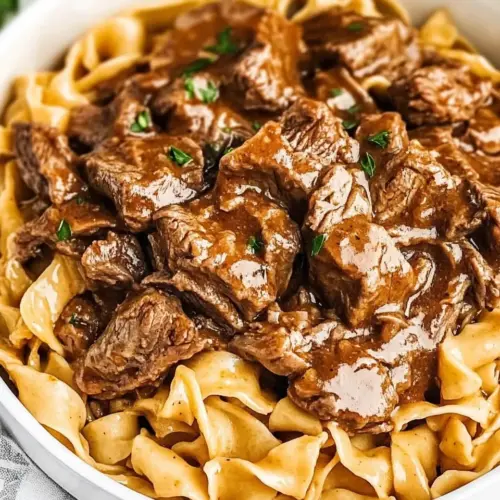
Beef And Noodles
Beef And Noodles is a creamy, savory, slow simmered classic that pairs fork tender beef with silky egg noodles for an easy weeknight dinner. Rich broth, aromatic thyme, and a glossy sauce make each bite comforting and deeply flavorful, perfect for cold evenings and make ahead meals. Try it for a cozy family supper and enjoy leftovers that taste even better the next day.
Equipment
- Le Creuset 3.75-Quart Braiser
Ingredients
- 2 pounds chuck roast (cut into 1-inch cubes) Brown and sear to develop a deep, caramelized crust that locks in beefy flavor and creates fond for deglazing; cut into uniform 1-inch cubes to ensure even cooking and tender results when simmered.
- salt and pepper (to taste) Season generously to enhance natural flavors and balance richness; adjust to taste during cooking and after finishing to achieve the preferred savory profile.
- 2 tablespoons vegetable oil Heat and coat to facilitate a hot cooking surface for browning; neutral oil allows high-heat searing without imparting competing flavors while preventing sticking.
- 1 large onion (chopped) Sweat and soften until translucent to build a sweet, aromatic base; chopped pieces provide body and meld with beef during long simmering to enrich the sauce.
- 3 cloves garlic (minced) Mince and release pungent aromatic oils to brighten the stew and complement savory notes; add early for mellowed garlic flavor or later for more pungency depending on preference.
- 4 cups beef broth (low sodium or no sodium added) Simmer and provide concentrated savory liquid to cook the beef and noodles; low- or no-sodium options allow precise seasoning control and prevent over-salting during reduction.
- 2 tablespoons Worcestershire sauce Enhance umami depth and add a subtle tang to amplify beefy savoriness; stir in during simmering to layer flavor complexity without overpowering other aromatics.
- 1 teaspoon dried thyme Impart warm, herbaceous notes and subtle earthiness to complement beef; dried thyme stands up to long cooking and infuses the broth with consistent herbal character.
- 2 bay leaves Infuse a subtle, bay-like aroma and add depth while simmering; remove leaves before serving to avoid unpleasant texture while leaving behind complex, slightly floral undertones.
- 3 tablespoons cornstarch Thicken and glossy-coat to create a velvety sauce that clings to noodles and beef; cornstarch forms a clear, smooth slurry when mixed with water and heated into the broth.
- 3 tablespoons water Create a smooth slurry to disperse cornstarch evenly and prevent lumps; combine with cornstarch before whisking into hot liquid to achieve consistent thickening.
- 12 ounces egg noodles Cook and carry the sauce while providing a tender, comforting base for the dish; egg noodles absorb flavors and finish quickly, offering a soft, slightly chewy texture.
- fresh parsley (chopped, for garnish) Garnish and brighten the finished dish with fresh, herbaceous color and a light peppery note; chopped parsley adds visual appeal and a fresh contrast to rich, savory flavors.
Instructions
- Season the beef cubes with salt and pepper. In a large pot or Dutch oven, heat the vegetable oil over medium-high heat. Add the beef in batches and brown on all sides. Remove the beef and set aside.: The moment the beef hits the hot oil you will hear a lively sizzle and smell that rich, roasted aroma that hints at the depth to come. Browning in batches avoids crowding, which would trap steam and keep the meat from forming a caramelized crust. Aim for a deep mahogany color on each side rather than a pale tan, flipping only when a crust releases easily from the pan. A common mistake is using too cool a pan, which leads to grey edges and more liquid in the pot, diluting flavor. If you notice too much liquid building up, increase the heat slightly and allow it to evaporate before continuing. The browned bits left behind are flavor gold, so don’t wipe the pot clean.
- In the same pot, add the chopped onion and cook until translucent. Add the garlic and cook for an additional minute.: As the onion softens it will release a gentle sweetness and the surface will turn glossy, signaling it is ready for the garlic . The brief cooking of the garlic awakens its aroma without risking bitterness, and you should smell a fragrant, toasty note. Stir frequently to prevent sticking, and watch closely because garlic browns faster than onion . If you smell a sharp burnt scent, lower the heat and remove from the pan to cool slightly before proceeding.
- Pour in a bit of the beef broth to deglaze the pot, scraping up any browned bits. Add the browned beef back to the pot. Pour in the remaining beef broth, Worcestershire sauce, dried thyme, and bay leaves. Bring to a boil, then reduce heat to a simmer. Cover and let the beef simmer for about 120 minutes, or until it is tender.: When you add the first splash of beef broth , use a wooden spoon to lift the fond stuck to the bottom, and you will see the liquid take on a dark, savory hue; that is the backbone of the broth. Returning the seared beef and adding Worcestershire sauce , thyme , and bay leaves builds complexity. Bring to a vigorous boil to kickstart collagen breakdown, then lower to a gentle simmer where small bubbles rise slowly. You should smell a rounded, concentrated aroma as the hours pass and the beef becomes tender. A common error is simmering too hot, which makes the meat tough. Keep the lid slightly ajar if the liquid threatens to boil away too fast, and check occasionally to ensure steady low bubbling.
- In a small bowl, mix the cornstarch and water to create a slurry. Stir this into the pot to thicken the broth slightly.: The slurry should be fully smooth and pour in without showing lumps. As you stir it into the hot broth you will see the liquid transform, going from brothy to glossy and slightly viscous, which helps it cling to the noodles . The scent becomes richer and more concentrated as the sauce thickens. If the sauce thickens too much, add a splash of reserved warm beef broth to loosen it. Avoid adding cornstarch directly to the pot dry, because it will make stubborn clumps that are hard to break up.
- In a separate pot, cook the egg noodles according to package instructions. Drain.: When the water reaches a rolling boil, salt it lightly if desired, then add the egg noodles . Watch for the moment they become tender with a gentle bite, that al dente feel ensures they do not collapse when sauced. Drain them promptly and give a quick toss to prevent sticking. Overcooking makes them mushy and unable to hold the sauce, so stir and test frequently in the final minute.
- Serve the beef and sauce over the cooked egg noodles. Garnish with chopped fresh parsley.: At service the glossy sauce should coat the noodles, and the fork tender beef should fall apart easily when pierced. The warmth of the bowl will release the herbaceous brightness of the parsley , which cuts through the richness. A frequent oversight is reheating too aggressively, which tightens the meat, so rewarm gently over low heat if needed. Enjoy the interplay of tender beef , silky sauce, and toothsome noodles .
Notes
- Choice of beef: Use well marbled chuck roast for the richest texture because the connective tissue melts into a luscious mouthfeel during the long simmer. If you prefer smaller portions, trim and cube the roast uniformly so browning is even.
- Searing technique: Brown the beef in hot oil without crowding the pot to build complex flavors. Sear in batches and let the surfaces develop a deep color, that caramelization is non negotiable for the best broth.
- Thickening tip: Make the cornstarch slurry with cold water first and whisk thoroughly before adding to the hot liquid to avoid lumps and achieve a glossy sauce that clings to the noodles.
- Make ahead: Prepare the beef and sauce the day before and gently reheat, reserving the noodles to cook fresh to preserve texture. Cooling concentrates flavor and makes reheating effortless.
- Freezing strategy: Freeze only the beef and sauce in airtight containers, leaving the egg noodles out until serving day to avoid sogginess. Thaw overnight in the fridge and reheat slowly on the stovetop.