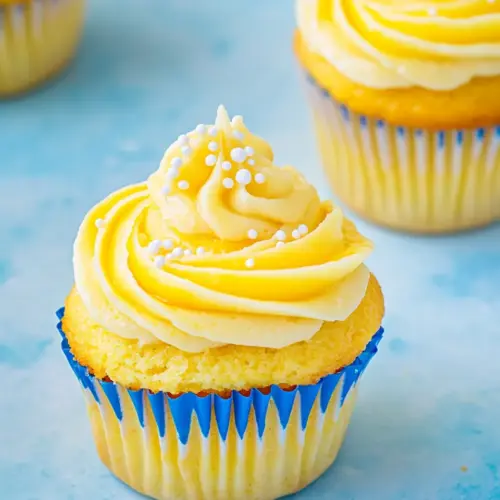
Banana Cupcakes with Banana Mousse Filling
Banana Cupcakes with Banana Mousse Filling are tender, creamy, and delightfully airy, featuring real mashed banana in both cake and mousse for consistent flavor. The combination of moist cupcake, chilled banana mousse, and silky buttercream creates a pleasing texture contrast ideal for easy entertaining or a fun weekend bake. Make these for a crowd pleasing treat that feels special and worth sharing.
Equipment
- Muffin Pan
- Paper liners
- Stand mixer
- Mixing Bowls
- Whisk
- 1 inch circle cutter
- Blender or food processor
- Piping bag with large round tip
- wire cooling rack
Ingredients
- 1 1/2 cups (6 3/8 ounces) all-purpose flour Provide structure and bulk to the batter, creating the crumb and supporting leavening; whisk gently to avoid overworking gluten for tender cupcakes.
- 1 teaspoon baking powder Lighten the batter by producing gas bubbles during baking, contributing to rise; measure accurately to maintain proper texture and volume.
- 1/4 teaspoon kosher salt Enhance overall flavor balance and strengthen gluten slightly while also controlling yeast and chemical reactions; dissolve evenly for consistent saltiness.
- 1/2 cup (1 stick) unsalted butter, room temperature Cream with sugar to incorporate air and fat, lending richness and tenderness; ensure room temperature for proper emulsification with eggs.
- 3/4 cup granulated sugar Sweeten and tenderize the cupcakes while aiding browning; cream with butter until light for a finer crumb and even sweetness.
- 2 large eggs, at room temperature Incorporate moisture, richness, and structure while helping to emulsify the batter; bring to room temperature for better incorporation and volume.
- 1 large ripe banana, mashed (about 1/2 cup mashed) Add natural sweetness, moisture, and banana flavor while contributing to tender crumb and a subtle fruity aroma; mash smoothly for even distribution.
- 1 teaspoon vanilla extract Boost overall flavor with warm sweet notes and enhance other aromatics; add with wet ingredients to integrate flavor uniformly.
- 1/2 cup whole milk Provide liquid to hydrate dry ingredients and thin the batter as needed, contributing to tenderness; use whole milk for added fat and richness.
- 1/4 teaspoon unflavored gelatin Stabilize the mousse by thickening and setting it slightly, preventing weeping; bloom properly and dissolve for a smooth filling.
- 1/2 cup heavy whipping cream Whip to incorporate air and create a light, airy mousse texture when folded into banana mixture; chill before whipping for better volume and stability.
- 2 tablespoons granulated sugar Sweeten and help stabilize whipped cream by providing sugar for structure; add gradually while whipping to taste and texture preference.
- 1 large ripe banana, mashed (about 1/2 cup mashed) Contribute intense banana flavor and natural sweetness to the mousse filling, reinforcing the cupcake’s primary flavor; mash until smooth for even consistency.
- 1 cup (2 sticks) unsalted butter, preferably cultured, at cool room temperature (in warmer months I’d recommend substituting at least 1/4 cup of butter with vegetable shortening for stability). Provide a rich, spreadable base for frosting with a high butterfat content that gives structure and stability; keep cool room temperature to prevent greasiness.
- 2 to 3 cups powdered sugar, or as needed Sweeten and thicken the frosting while allowing control over consistency and sweetness level; add gradually until desired texture is reached.
- 1 to 3 tablespoons heavy cream, as needed Adjust frosting consistency and add creaminess or loosen thickness as needed for piping or spreading; add sparingly to reach stability and sheen.
- 1/2 teaspoon vanilla extract Add warmth and depth of flavor to frostings and fillings with a small amount of extract; stir in to blend flavor evenly throughout mixtures.
- food coloring (optional) Add visual color and decorative interest to the frosting or mousse, used sparingly to avoid affecting flavor; choose gel or paste color for intense hues without thinning.
Instructions
- Preheat oven to 350 degrees F. Line a muffin pan with paper liners.: The warm, cozy smell of the oven coming up to temperature sets the stage, and you should hear a faint hum from the heating elements as it approaches 350 degrees F . Preheating ensures the cupcakes gain lift immediately when they hit the oven, which promotes even rise and a fine crumb. A common mistake is putting batter into an oven that is not fully preheated, which can cause uneven doming and denser centers. Make sure the oven indicator shows it is at temperature and the racks are positioned in the center for even heat circulation.
- In a bowl, whisk together flour, baking powder and salt and set aside.: As you whisk the dry ingredients, you should see the flour take on a uniform, pale texture with tiny specks of baking powder distributed through it. This step prevents clumps of leavening and salt that would otherwise create pockets of uneven taste or rising. A sieve would help if the flour seems lumpy. Avoid skipping this step because adding wet ingredients into unblended drys can lead to streaks of flour and inconsistent rise.
- In a large mixing bowl or the bowl of a stand mixer, beat butter and sugar on medium/medium-high speed until light and fluffy, 2 to 3 minutes. Add eggs, one at a time, mixing well after each addition. Mix in mashed banana and vanilla and mix until combined, scraping down the sides of the bowl as needed.: Creaming the butter and sugar traps air, which gives the cupcakes lift and a tender crumb. You should notice the mixture becomes paler and slightly fluffy after a couple minutes, and keeping the mixer at medium to medium high ensures steady aeration. Adding eggs slowly prevents the batter from breaking, and scraping the bowl keeps everything uniform. When you fold in the mashed banana , the batter will become more fragrant and slightly looser. A common pitfall is using butter that is too soft or too cold, which prevents proper aeration or causes lumps, so aim for a cool room temperature consistency.
- Add half of dry ingredients to mixing bowl, mixing on low speed until almost incorporated. Drizzle in half of milk while the mixer is going on low speed. Add remaining dry ingredients, followed by remaining milk, mixing until just combined and no streaks of flour remain. Scoop a scant 1/4 cup (or use a large cookie scoop) into cupcake liners, filling each cavity about 2/3 full.: You will see the batter smooth out as the flour and milk are incorporated. Mixing on low prevents developing too much gluten, which keeps cupcakes tender. The batter should be uniform without visible streaks of flour, slightly thick but pourable. Filling the liners two thirds full gives the batter room to rise without overflowing, and using a scoop promotes even sizing. Overmixing at this stage is a frequent error, which leads to tough cupcakes, so stop as soon as the batter looks cohesive.
- Bake for 18 to 20 minutes, until edges are lightly golden and a toothpick inserted near the center comes out clean. Transfer pans to a wire cooling rack for 10 minutes, then remove cupcakes from pans to cool completely. Once cool, use a 1-inch circle cutter to core the cupcakes about 1" deep in the middle. Discard cores (chef’s snack!): As the cupcakes bake you should smell a gently sweet aroma and see tiny domes forming with lightly golden edges. The toothpick test ensures the centers are set. After removing from the oven, letting them rest in the pan for about ten minutes firms the structure and makes it easier to unmold. When cooled completely, coring reveals a neat cavity for the mousse; the discarded centers are pleasantly chewy and make a nice tasting reward. Cutting too deep or leaving cupcakes warm while coring can collapse the cavity, so wait until they are fully cooled before coring.
- To prepare mousse, sprinkle gelatin over 1 tablespoon cold water in a small dish and set aside to soften.: Blooming the gelatin in cold water hydrates its granules so they dissolve smoothly when warmed. You will notice the gelatin absorbs the water and plumps slightly, which signals it is ready for brief heating. If you skip this step and add gelatin dry to warm liquid, it can clump and leave a gritty texture. Let it sit for the recommended time to ensure even melting.
- In a chilled mixing bowl or a metal bowl of a stand mixer fitted with the whisk attachment, beat cream until frothy and thick. Slowly sprinkle in sugar and continue beating until cream holds medium-stiff peaks (careful not to overbeat it or you’ll end up with butter).: Cold heavy whipping cream whips faster and holds structure better, producing soft peaks that feel satiny and retain shape. As you add the granulated sugar , the cream will become slightly glossier and a touch firmer. Listen for a change in the mixer sound from airy to denser, and stop once you reach medium stiff peaks. Overwhipping will lead to grainy, separated cream which will ruin the mousse texture, so watch closely and pause to check frequently.
- Puree banana in a blender or food processor or, if it is really ripe, just mash well until no large chunks remain. Just don’t do this until the very last minute to prevent the banana from browning.: A smooth banana puree keeps the mousse silky, and fresh puree looks bright and glossy. Doing this step right before assembly prevents oxidation and browning, which can alter color and flavor. If you prepare it too far ahead the banana will darken and taste more fermented, so time this step close to when you will fold the mousse.
- Briefly warm gelatin in the microwave (cook for about 5 seconds on high speed) until melted, then combine with banana in a mixing bowl. Add about half of whipped cream and fold to lighten mixture. Add remaining whipped cream and fold until evenly incorporated. Transfer to a piping bag fitted with a large round tip and pipe filling into centers of cupcakes until it is flush with the top. Refrigerate cupcakes while you prepare the buttercream.: When you melt the bloomed gelatin , it should turn clear and liquid in a few seconds; avoid overheating which weakens its setting power. Combining it with the banana ensures the fruit incorporates evenly and the gelatin distributes. Folding in whipped cream in two additions lightens the base and preserves air, resulting in a mousse that feels airy yet stable. Piping the filling creates clean, tidy centers. A common mistake is stirring too vigorously which knocks out the air and yields a dense filling, so use gentle folding motions and chill the cupcakes afterward to set the mousse.
- For frosting, in a large mixing bowl, beat butter on medium-high speed until smooth and fluffy, 2 to 3 minutes. Add powdered sugar, 1/2 cup at a time, mixing well after each addition. As frosting thickens, add a few tablespoons of cream if needed. Depending on the temperature and consistency of your frosting, continue alternating additions of cream and powdered sugar, until frosting is light and fluffy. In warmer months you may not need any cream at all, just use your judgement here. Add vanilla and food coloring and beat until evenly incorporated. Spread or pipe onto cooled cupcakes; top with sprinkles, banana chips, or other decorations, as desired.: When you beat the butter it should become smooth and slightly glossy. Adding powdered sugar in stages prevents a cloud of sugar dust and helps you control consistency. The frosting should be light and hold peaks for piping, but still smooth enough to spread. If the frosting seems too soft, add more powdered sugar or chill briefly; if too stiff, add a spoon of heavy cream . Mixing in vanilla and optional food coloring finalizes the flavor and appearance. A frequent mistake is working with warm butter which makes the frosting greasy, so keep your kitchen cool and beat until the texture is cohesive.
Notes
- Make it dairy free: Swap whole milk, heavy whipping cream, and butter with coconut milk and coconut based whipped alternatives, keeping in mind texture differences and chilling to firm the mousse.
- Stabilize frosting for warm weather: Use a portion of vegetable shortening in the buttercream as suggested, which improves hold without dramatically changing flavor.
- Adjust banana intensity: Increase or decrease the mashed banana in the batter or mousse to taste, but watch overall moisture so the cake structure remains balanced.
- Color for events: Use gel food coloring sparingly to tint the buttercream for parties, which creates a polished look without thinning the frosting.
- Advance prep plan: Bake cupcakes and freeze unfilled for up to one month, thawing gently then coring and filling with chilled mousse when ready to serve.