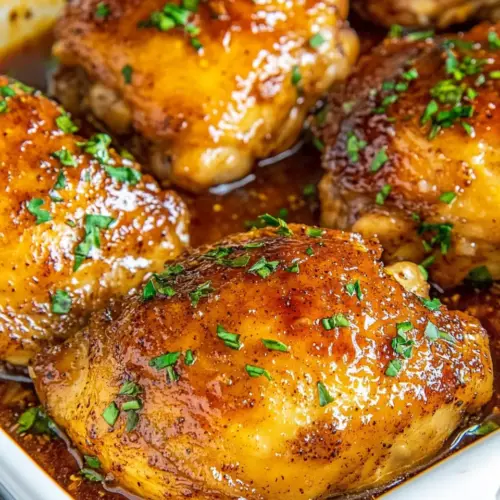
Baked Brown Sugar Italian Chicken
Baked Brown Sugar Italian Chicken combines sweet caramelized brown sugar with savory dry Italian seasoning for an easy weeknight dinner that feels special. Tender chicken bakes to juicy perfection with a sticky, herb studded coating, making this recipe both comforting and crowd friendly. It’s a simple, flavorful dish that’s perfect for quick family meals or meal prep.
Equipment
- 8×8 inch baking dish
- 9×9 inch Baking Dish
- Digital Thermometer
Ingredients
- 1/2 cup light brown sugar, packed Adds deep caramelized sweetness and moistness to the chicken while helping form a sticky, glossy glaze during baking; pack firmly to ensure accurate sweetness and even texture in the finished dish.
- 1 packet dry Italian dressing mix, (this is a dry seasoning mix; see the blog post and FAQs for more info and substitution info) Provides a concentrated blend of herbs, spices, and salt that seasons the meat uniformly and contributes classic Italian flavors like oregano, basil, and garlic; use the packet as-is for convenience or adjust quantity if reducing sodium.
- 4 boneless skinless chicken thighs, (skin-on may be used if preferred, or chicken breasts may be substituted) Offers rich, tender meat with balanced fat content that stays juicy under high heat; choose boneless skinless thighs for quick cooking, or substitute skin-on or breasts if preferred while adjusting cooking time accordingly.
Instructions
- Preheat oven to 425 F and spray an 8×8-inch baking dish or a 9×9-inch baking dish with cooking spray; set aside. Tips – Do not use a baking sheet because there will be too much juice/liquid that's created during baking and a baking sheet won't likely be enough to catch it all. If you want to add veggies like sliced bell peppers, onions, or zucchini, you can but use a 9×9.: The oven heat should feel immediate and hot, primed to caramelize the sugar on the chicken surface, producing that warm, sweet aroma that signals the start of something tasty. I love the way the air in the oven hums as it reaches temperature, and the high heat encourages the sugars to brown rather than simply melt into the juices. A common mistake is baking at too low a temperature, which results in a soggy rather than caramelized top. Also, be careful not to use a baking sheet, because juices will spread thin and the sugar will burn on the metal quickly, leading to an uneven finish. If you plan to add vegetables, choose the larger dish so everything fits comfortably and roasts evenly.
- To a small bowl, add the brown sugar, dry seasoning (do not add oil or vinegar to it which is what the directions likely say, just keep it dry), and stir to combine.: Right away you should notice the texture contrast as the granular brown sugar meets the powdered herb mixture, a fragrant dusting that smells of oregano and garlic beneath the sweet molasses scent. Combining them while dry ensures the seasoning adheres to the chicken without becoming a paste, which is crucial for achieving that glossy, slightly crusted finish. A typical slip up is introducing liquid too early, which will dissolve the sugar and prevent proper caramelization; keep everything dry until the pieces are in the dish.
- Evenly sprinkle it over all the chicken pieces evenly, making sure to coat both sides and the sides of the chicken.: As you work, press the mixture gently into the surface with your fingers so the grains of sugar and herb cling to the chicken . You want to feel a slight tackiness as the rub adheres, not a drippy mess. This tactile step matters because an even coating creates uniform caramelization, ensuring each bite has that sweet savory layer. Avoid piling too much on one area, which can cause uneven cooking and localized burning.
- Place the coated chicken pieces in the prepared baking dish. If you have extra dry rub, sprinkle it over the top of the chicken.: When you arrange the pieces, leave a little space between them so heat circulates and the surface can develop a consistent finish. You should hear a barely audible hush as you set them in the dish, and visually they will glisten slightly from the sugar. Overcrowding traps steam and prevents the tops from browning properly, so resist the urge to cram everything in for the convenience of fewer pans. If there is extra dry rub, sprinkling it on top will intensify the crust and deepen flavor.
- Bake for about 25 minutes, or until the chicken is done. Either thighs or breasts are done when the internal temperature measures 165 F. Use a thermometer and don't guess for best results. Optional – If you want to crisp up the top a bit, you can broil the chicken for 1-2 minutes. If you choose to do this, make sure to watch it like a hawk! Broilers are very potent and can burn things in a matter of seconds. And since this chicken has a high sugar content, it will be more prone to burning, so you have been warned. Easy does it, don't turn your back on it! Note that it will never become ultracrispy since this is more of a saucy chicken recipe than a crispy chicken recipe. Mentioning this to balance expectations.: During baking you will catch wafts of sweet, herbaceous aroma, and the surface will shift from sandy to glossy, then to a lightly browned finish. The internal target is 165 F, which ensures both safety and juiciness; relying on a thermometer removes guesswork and prevents overcooking. A frequent error is assuming color equals doneness, but chicken can brown before it reaches a safe temperature. If you opt to broil for 1 to 2 minutes to crisp the top, watch carefully because the sugar can burn almost instantly under a high broiler. Take the dish out promptly when it hits temperature to rest briefly for the juices to redistribute.
- Let the chicken rest momentarily before optionally garnishing it with fresh herbs (such as fresh parsley, basil, oregano, thyme), and serving. If desired, season with salt, pepper, red pepper flakes, etc. as desired before serving.: After removing the dish from the oven, the aroma intensifies in the quiet minutes while the chicken rests. This pause allows the juices to settle, producing a moist interior and making slicing or serving neater. I like to add a scattering of chopped fresh herbs for color and a lift in flavor right before plating. One thing to avoid is cutting into the meat immediately, which causes juices to run out and leaves the chicken drier than it should be. Season to taste at the end if you like more salt, pepper, or a sprinkle of red pepper flakes for heat.
Notes
- Swap the cut Use chicken breasts if you prefer leaner meat, but watch cooking time carefully because breasts can dry out faster than thighs.
- Adjust sweetness Reduce the brown sugar slightly if you prefer less sweet, but know that less sugar will also reduce the caramelized sheen on the surface.
- Make it herby Sprinkle additional dried oregano or basil into the rub for a more pronounced Mediterranean profile without changing the method.
- Add vegetables Roast sliced bell peppers, onions, or zucchini in a 9×9 inch baking dish for a one pan meal, arranging them around the chicken so they cook at the same pace.
- Use skin on If you like a richer bite, choose skin on thighs; the skin will render and add flavor, though it will change how the sugar browns on the surface.
- Meal prep friendly Double the batch and refrigerate portions for quick lunches; the flavors mature slightly in the fridge, making leftovers especially tasty.