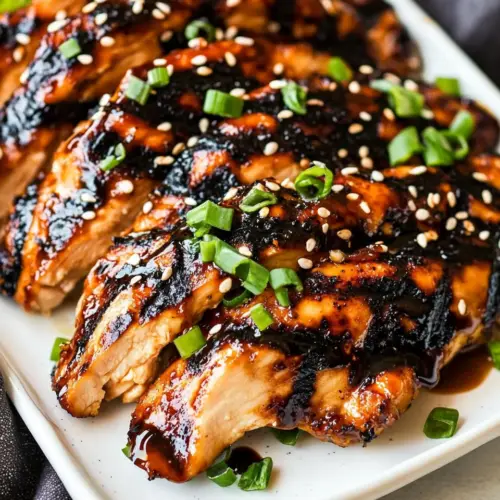
Asian Grilled Chicken
Asian Grilled Chicken is a glossy, savory grilled chicken recipe with toasted sesame, fresh ginger, and a bright squeeze of lemon. This easy weeknight dinner is quick to cook, delivers crispy edges and tender meat, and is perfect for casual meals or backyard gatherings. Make it for a simple, flavorful meal that scales well for guests.
Equipment
- Grill Panor grill
Ingredients
- 8 thin boneless skinless chicken breast cutlets, about 3 ounces each Tenderize and provide the main protein for the dish, offering a lean, mild-flavored base that soaks up marinades and grills quickly; slice or pound thin for even cooking and serve hot for best texture.
- 2 tablespoons lemon juice Brighten and balance the marinade with fresh acidity, helping to tenderize the chicken slightly while adding a clean citrus note that lifts the savory and sweet flavors in the sauce.
- 2 tablespoons toasted sesame seeds, plus more for garnish Enhance texture and add a toasty, nutty crunch when toasted; sprinkle into the marinade to contribute depth of flavor and reserve a little for garnish to finish the plated chicken attractively.
- 2 cloves garlic, minced Infuse savory pungency and aromatic depth when minced finely, providing a foundational flavor that partners well with ginger and soy to create an umami-forward profile for the marinade.
- 2 teaspoons fresh ginger, peeled and minced Provide warm, sharp, and slightly spicy aromatics when peeled and minced; help cut through richness and pair with garlic to create an authentic Asian flavor backbone in the sauce.
- 2 green onions, minced Contribute a mild oniony bite and fresh green flavor when minced, adding both aromatics to the marinade and a finishing freshness when sprinkled over the cooked chicken.
- 1/4 cup low sodium soy sauce, for gluten free, use tamari Deliver salty umami and dark soy flavor to the marinade while keeping sodium controlled by choosing the low-sodium option; swap to tamari for a gluten-free version without sacrificing savory depth.
- 1/4 cup teriyaki sauce Add a glossy, sweet-savory layer with complex soy and mirin-like notes; balances the soy sauce by bringing sweetness and a caramelized finish when grilled.
- 1 teaspoon honey Sweeten and mildly thicken the marinade while rounding out salty and acidic components; a small amount helps balance flavors and encourages caramelization on the grill.
- 2 teaspoons sesame oil Introduce a concentrated sesame aroma and richness in small amounts to the marinade, enhancing nuttiness and depth while pairing seamlessly with toasted sesame seeds for a cohesive flavor profile.
- scallions, for garnish Garnish and finish with a fresh, crisp green note; thinly sliced scallions add color, mild sharpness, and a bright contrast to the grilled, savory chicken when scattered over the plated dish.
Instructions
- Combine all marinade ingredients in a small bowl.: The first sensory cue is the aroma that rises as the garlic , ginger , soy sauce , and teriyaki sauce meet, a savory perfume that hints at the dish to come. Whisk until the honey dissolves and the oils glisten on the surface, and notice the oil separating slightly because that visual shows the sesame oil lending its sheen. This blend matters because each component contributes different flavor notes, and emulsifying them briefly helps the marinade cling to the chicken . A common mistake here is using pre crushed or old spices which can mute the freshness, so always use freshly minced aromatics for the brightest scent. If the mixture seems too salty, a squeeze more lemon can balance it.
- Pour the mixture over the chicken, turn the pieces to coat evenly, cover and place in refrigerator a minimum of 3 hours, but preferably overnight.: When the chicken soaks in the marinade, you will start to notice how the surface darkens and becomes glossy, an early visual sign of flavor penetration. I press the marinade into each piece so it sits flush against the meat, then cover tightly to prevent odors in the fridge. Marinating allows acids and salt to tenderize the outer proteins, while aromatic oils infuse the flesh, which is why I prefer at least 3 hours. A typical error is to skimp on time, which can leave the center under flavored, so plan ahead when possible. Also, never marinate at room temperature, always keep it refrigerated to stay safe.
- Preheat grill or grill pan set to medium-low heat and oil the grates so it doesn't stick.: When you heat the grill to medium low, you should feel steady heat but not an aggressive roar, and a drop of water should dance rather than evaporate instantly. Lightly oiling the grates prevents sticking and makes removal clean, and the sizzling sound when the chicken hits the surface is a satisfying cue that caramelization will follow. This moderate heat gives the sugars in the teriyaki and honey time to brown rather than char instantly, producing a glossy crust. A frequent slip is using too high heat which blackens the exterior before the interior reaches the right texture, so err low and be patient.
- Grill chicken top side down first until well browned charred, about 2 to 3 minutes, turn and cook on the second side about 2 to 3 more minutes, careful not to burn.: The sound of the chicken meeting the grill should be a steady sizzle, and within minutes the edges will deepen to a rich golden brown with occasional dark flecks where sugars have concentrated. That visual, combined with a glossy surface, signals a good sear. Turning once helps build a uniform crust while preserving juiciness. Because these are thin cutlets, the interior will cook fast, so monitor closely and use a thermometer if you prefer; aim for opaque, just cooked through rather than overdone. People often leave pieces too long, leading to dryness, so watch for the faint steam and firming texture as cues to flip or remove.
- Transfer to a serving platter and garnish with sesame seeds and scallions.: As you move the chicken off the heat, the residual warmth will continue to relax the juices, so give it a minute to rest on the platter before cutting. The toasted sesame seeds add a warm crunch and the sliced scallions contribute a fresh, green contrast both visually and in flavor. The final glossy appearance, flecked with seeds and green ribbons, is the reward for careful grilling. A common oversight is adding garnishes too early, which can wilt them, so wait until the last moment to sprinkle. If any pieces look uneven, rest them covered loosely to redistribute juices before serving.
Notes
- Marinating time: If you are short on time, aim for at least 45 minutes to an hour at room safe conditions before refrigerating, but know that 3 hours to overnight is ideal for fuller flavor.
- Gluten free option: Substitute low sodium soy sauce with tamari to keep the salty umami while making this recipe gluten free without changing other proportions.
- Sesame aroma: If you do not have toasted sesame seeds, toast untoasted seeds gently in a dry pan for 1 to 2 minutes until aromatic to replicate the intended flavor boost.
- Prevent sticking: Oil the grill pan using a folded paper towel dipped in oil and wiped across the grates with tongs, this creates a thin barrier that reduces sticking without flaring.
- Adjusting sweetness: If your teriyaki is particularly sweet, reduce the added honey slightly to avoid burning during grilling, and consider a squeeze more lemon juice to balance.