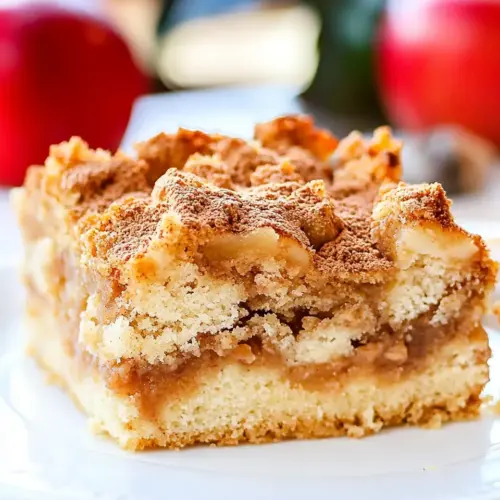
Apple Coffee Cake
Apple Coffee Cake is a tender, buttery cake layered with spiced apples and a crisp crumb topping, offering warm, autumnal flavors and a soft, comforting texture. This easy to make cake uses pantry staples and shines for brunches, cozy breakfasts, or as a casual dessert, making it an ideal easy weeknight or weekend bake worth making again and again.
Equipment
- 9-inch springform pan or 8x8-inch square baking pan
- Mixing Bowls
- Spatula
- Oven
Ingredients
- 1/4 pound butter, softened Softened and creamed to provide richness and moisture, contributing to a tender crumb and helping incorporate air when mixed with sugar.
- 1/2 cups sugar Granulated sweetener used to tenderize the cake structure and balance flavors; creamed with butter to help create a light texture in the batter.
- 1 egg yolk Separated yolk used to add fat and emulsification, improving richness and color while helping create a smooth, cohesive batter.
- 2 cups all-purpose flour Primary dry structure component providing bulk and gluten formation; combines with leavening to give the cake body and chew.
- 1/2 teaspoon baking powder Leavening agent that gently helps the cake rise by producing lift when combined with wet ingredients; balances texture for a light crumb.
- 5 tablespoons milk Added liquid dairy used to adjust batter consistency and add tenderness and slight richness, aiding in proper hydration of dry ingredients.
- grease for the pan (shortening or butter) Used to prepare the baking surface by preventing sticking; ensures easy removal and preserves presentation of the finished cake.
- 8 apples, peeled and sliced into 1/4-inch slices Fresh fruit sliced thinly to add moisture, natural sweetness, and a tender-tart contrast; layered into the batter for texture and flavor bursts.
- 3/4 cups sugar Additional granulated sweetener typically used in the apple layer to macerate fruit, enhance caramelization, and provide balanced sweetness.
- 1 teaspoon cinnamon Ground spice applied to the apple layer to add warm, aromatic flavor and highlight the fruit’s natural sweetness.
- 1/4 pound butter, softened Softened and creamed in the streusel or topping to provide richness and a tender, crumbly texture when mixed with flour and sugar.
- 1 cup all-purpose flour Used in the streusel or topping to provide structure and a crumbly texture; combines with butter and sugar to form crisp bite-sized crumbs.
- 1/4 cups sugar Granulated sweetener used in the topping to sweeten and help form a crunchy, caramelized streusel that contrasts the cake’s tenderness.
- 2 teaspoons cinnamon Ground spice included in the topping to deepen flavor with warm, aromatic notes, complementing both apples and sweet components.
- 1/4 cup powdered sugar for garnish Finely powdered sugar dusted over the finished cake to add a delicate sweetness and decorative finish that enhances presentation.
Instructions
- Preheat the oven to 350°F. Grease a 9-inch springform pan or an 8×8-inch square baking pan.: The warm, buttery scent of the oven coming up to temperature sets the mood, and preheating ensures the cake begins baking immediately for even rise. You should hear a faint click as your oven cycles, and feel the heat when you open the door briefly to check its readiness. Greasing the pan well prevents sticking, which matters when you unmold the cake later. A common mistake is not preheating long enough, which can lead to uneven texture, so wait until the oven has fully reached 350°F before placing the pan inside.
- In a bowl, cream together the butter, sugar, and egg yolk.: At first you will notice the butter softening and the sugar beginning to dissolve into it, creating a pale, slightly glossy mixture. The sound is a gentle whir from a mixer, or a soft scraping if you use a wooden spoon. Creaming creates tiny pockets of air that contribute to a light crumb, and the egg yolk enriches the batter, lending silkiness. If your butter is too warm, the mixture will be runny and will not trap air properly, so chill slightly if necessary.
- Add the flour, baking powder, and milk, and mix well.: As you fold in the flour and baking powder , the texture becomes noticeably thicker, and the aroma shifts to a wholesome, bready note. The small addition of milk brings the dough together into a smooth consistency that is spreadable. Mixing just until combined keeps the base tender; overmixing develops gluten and will make it tougher. If you see dry pockets of flour, gently combine until they disappear, but avoid aggressive stirring.
- Spread the dough to cover the bottom of the pan.: Press the dough evenly across the bottom using a spatula or floured fingers, creating a uniform layer. You should see a consistent thickness that will support the apple layer, and the surface will look matte and slightly dimpled where you smoothed it. Uniform spreading helps the cake bake evenly and prevents thin spots that might burn. A mistake is pressing too thin in the center, which could lead to a sunken middle after baking.
- Bake for 10 minutes. Remove the cake from the oven and let it cool in the pan, but keep the oven at 350°F.: After ten minutes the base will be set but not fully browned, emitting a gentle, toasty scent. Allowing it to cool in the pan stabilizes the structure so it can hold the apple layer. Keeping the oven hot is crucial because the assembled cake returns to the oven for a longer bake, so do not turn the oven off. Be careful not to overbake this initial stage, as it should remain pale and slightly springy rather than deeply golden.
- Once the cake has cooled, sprinkle with confectioner’s sugar.: The powder will dust the surface in a soft, snowy layer that brightens the cake and adds a delicate sweetness. This little touch balances the apple layer and gives a visual cue to where the fruit will sit. If you sprinkle too early while the base is still warm, the sugar can dissolve, so wait until it is cool enough to maintain the dusting.
- Mix all the apple filling ingredients together in a bowl.: When you toss the peeled and sliced apples with sugar and cinnamon , they take on a glossy sheen and release a faint, syrupy aroma as the sugar draws out juices. The mix should be evenly coated so every slice gains flavor. Let it sit briefly if possible to macerate, which deepens the flavor and softens the fruit slightly. Avoid letting it sit too long or the apples will become overly juicy, making the cake soggy.
- Spread this mixture over the cooled cake in the pan.: Arrange the apple slices in a single layer or a slightly overlapping pattern so the juices distribute evenly while baking. The apples should glint with syrup and smell warmly spiced. This layer provides moisture and an aromatic center, so even distribution prevents dense pockets. A common error is piling too many slices in one spot, which can create an underbaked area beneath.
- Mix all the butter crumb topping ingredients together in a bowl.: When you combine the butter , flour , sugar , and cinnamon for the topping, you want a coarse, crumbly texture that will crisp during baking. The mix should clump slightly when pinched between fingers, and the butter should be thoroughly incorporated but not melted. This topping creates contrast to the tender apples. Overworking it can make the crumbs too uniform and dense rather than light and crunchy.
- Spread the topping over the apple filling in the pan.: Scatter the crumbs generously so they form a rustic blanket over the fruit. As the cake bakes, these bits will brown and become crunchy, giving a pleasing textural counterpoint. The sound of the crumbs settling is quiet, and you will see an even distribution that allows steam to escape. Avoid patting them down firmly, as loose crumbs produce the best crispness.
- Bake for about 1 hour. To test for doneness, insert a toothpick and if it comes out clean it is done, if the toothpick comes out with batter on it, place back into the heated oven and cook for an additional 5 minutes before testing again.: As the cake bakes you will notice the kitchen filling with the scent of caramelizing apples and toasty crumbs, and the topping turning a deep golden color. To test doneness, insert a toothpick into the cake; if it comes out clean the cake is done, if it shows batter return it to the oven and check again after a few minutes. The internal juices of the apples should be bubbling slightly near the surface when ready. A common pitfall is removing the cake too early, which yields a soggy center, so rely on the toothpick and visual cues rather than time alone.
Notes
- Measure flour properly by spooning it into your measuring cup and leveling off with a knife, this avoids packing and a dense cake.
- Soften butter correctly by leaving it at room temperature until yielding under gentle pressure, not melted, for ideal creaming with the sugar.
- Even apple slices help the fruit cook uniformly, use a mandoline or steady knife and aim for about 1/4 inch thickness.
- Do a quick maceration by tossing the apple slices with sugar and cinnamon and letting them sit for 10 minutes to draw out juices and deepen flavor.
- Watch the crumb in the final bake and tent with foil if it browns too quickly while the center still needs time.
- Cool before dusting with powdered sugar so it remains decorative and does not dissolve into the surface.