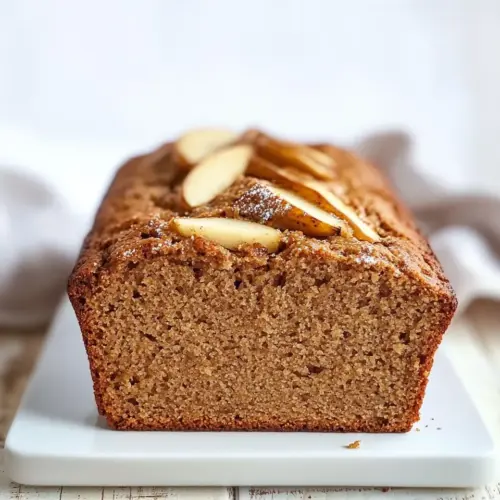
Apple Banana Bread
Apple Banana Bread is a moist, warmly spiced loaf combining creamy mashed bananas and fresh diced apples for texture. This easy make-ahead loaf is lightly sweetened with honey and coconut sugar, offering a wholesome option for breakfast or snack. With comforting cinnamon swirls and tender whole wheat or gluten-free crumb, it’s a crowd pleasing treat you’ll want to bake again and again.
Equipment
- Oven
- 9×5-inch loaf pan
- Mixing Bowls
- Wire Rack
- Measuring Cups and Spoons
Ingredients
- 2 tablespoons coconut sugar Sweeten gently and add a subtle caramel flavor; helps balance tartness from apples and bananas. Sprinkle into batter or over apple pieces to create light pockets of sweetness and a bit of texture when baked.
- 1 teaspoon ground cinnamon Warm aromatic notes and enhance depth of flavor; pairs well with apples and bananas to create that classic spiced profile. Stir into the batter to distribute cinnamon's sweet-savory character evenly throughout the loaf.
- 1 1/4 cups peeled and diced organic apples about 1 large apple Provide tender fruit chunks and natural moisture while contributing fresh apple flavor and slight acidity. Dice into uniform pieces to ensure even distribution and to prevent large wet pockets in the bread.
- 1 teaspoon ground cinnamon plus extra for apple mixture Add extra warming spice specifically for tossing with the apple mixture to highlight fruit flavors; offers coordination with the other cinnamon in the batter. Mix with the apples so the fruit is evenly coated and fragrant before folding into batter.
- 2 cups whole-wheat flour or gluten-free all-purpose flour Form the structural base and provide body to the loaf; whole-wheat or gluten-free all-purpose flour determines texture and density. Measure and sift if needed to avoid lumps, and combine with leaveners for even rise.
- 1/2 teaspoon baking soda React with acids and help create lift by producing carbon dioxide; contributes to subtle browning and a lighter crumb. Dissolve or whisk into dry ingredients to ensure even activation alongside baking powder.
- 1 1/2 teaspoons baking powder Work with baking soda to provide reliable leavening and a tender crumb while contributing to oven spring. Blend thoroughly into the dry mix so gas release is consistent during baking for an even rise.
- 1/2 teaspoon fine sea salt Enhance overall flavor balance and strengthen gluten structure slightly while controlling yeast-like notes if present. Measure accurately to prevent over-salting, which can suppress sweetness and spice.
- 1/4 teaspoon ground nutmeg Introduce warm, nutty undertones and complementary depth to the spice mix; used sparingly to avoid overpowering. Stir into dry ingredients to distribute its subtle complexity throughout the loaf.
- 1 1/2 cups mashed ripe bananas about 3-4 large bananas Provide primary moisture, sweetness, and banana flavor while contributing to a soft, tender crumb; quantity affects density and natural sweetness. Mash fully to a smooth consistency so it incorporates evenly into the wet ingredients.
- 1/4 cup melted coconut oil Add healthy fat that contributes to tenderness and a subtle coconut aroma; when melted it blends smoothly with other wet ingredients. Combine with honey and eggs to create an emulsion that helps leavening distribute evenly.
- 1/4 cup honey Sweeten, add moisture, and contribute to a slightly sticky crumb while enhancing browning; honey also adds floral notes. Warm slightly for easier mixing and whisk together with oils and eggs for an even batter.
- 1/4 cup coconut sugar Provide additional sweetness and slight caramelization; helps achieve a balanced overall sweetness without relying solely on honey or bananas. Sprinkle into wet mixture as called for to ensure a consistent sweet profile.
- 1/2 cup unsweetened applesauce Contribute moisture, reduce fat content, and help bind ingredients while adding apple flavor; keeps loaf tender and less dense. Fold into wet ingredients to replace some oil while maintaining moisture and structure.
- 2 large eggs Bind ingredients, provide structure, and help leaven the bread while contributing richness and color; eggs also add protein for crumb structure. Beat lightly before adding to wet mix so they incorporate smoothly and help trap air.
- 1 teaspoon pure vanilla extract Bring fragrant vanilla sweetness that enhances and rounds other flavors; intensifies perception of overall sweetness without adding sugar. Add with wet ingredients to evenly distribute its aromatic notes throughout the batter.
- 1/4 cup almond milk unsweetened Thin the batter slightly for workable consistency and add a touch of dairy-like tenderness while keeping the loaf moist. Stir in last, adjusting amount slightly if batter appears too thick.
Instructions
- Position an oven rack in the lower third of the oven and preheat to 350°F. Grease a 9×5-inch loaf pan with coconut oil or line with parchment paper for easy removal.: The scent of the oven warming fills the kitchen and primes the environment for even baking. You want the heat distribution to be steady, so positioning the rack in the lower third gently encourages the loaf to rise without browning the top too quickly. Greasing the pan or using parchment ensures the loaf releases cleanly, preserving its edges. A common mistake is starting with a cooler oven, which can cause uneven rise and a dense center. Check your oven thermometer if you suspect temperature drift, because consistent heat ensures an even, golden crust and a properly set interior.
- In a small bowl, combine 2 tablespoons of coconut sugar and 1 teaspoon of cinnamon to create your cinnamon swirl mixture. Set aside.: The aroma of cinnamon blended with coconut sugar will be noticeably sweet and inviting when mixed, and this concentrated mixture is what creates those warm pockets of flavor inside the loaf. Setting it aside keeps it ready for layering without dissolving into the batter. If you skip prepping this ahead, the swirl can become patchy rather than velvety; having it measured and mixed makes the assembly smooth. Texture wise, the sugar should be loose and grainy, not clumped, so fluff gently with a fork if needed.
- Toss apples with a sprinkle of cinnamon until they’re nicely coated.: As you toss the diced apples, the cinnamon clings and intensifies their fragrance, creating small spiced bites in the finished loaf. The apples should look evenly dusted, not wet, so that they remain distinct pieces in the batter rather than dissolving. One slip to avoid is using apples that are too large in dice, which can make the loaf uneven; aim for small uniform cubes so each slice has a few apple pieces. The contrast between soft bananas and slightly firmer apple bits is part of what makes each mouthful interesting.
- In a medium bowl, whisk together the whole-wheat flour, baking soda, baking powder, salt, and nutmeg.: The dry mix will smell faintly of nutmeg and will look uniform when fully combined, which is important for even rise. Whisking incorporates air and breaks up any lumps, helping the leaveners distribute evenly so the loaf rises consistently. Overlooking this step can leave pockets of leavening or salt that create off textures or flavor bursts, so take a moment to ensure the blend is homogenous. If your flour is clumpy, sift it for an even lighter crumb.
- In a large bowl, mash the bananas until smooth. Stir in the melted coconut oil, honey, coconut sugar, and applesauce. Crack in the eggs, pour in the vanilla extract, and mix until well combined.: The bowl will steam slightly from the warm melted coconut oil , and the mash should be velvety with small bits, not wholly liquid. This wet mixture is where flavor and moisture concentrate, so combine gently to keep air pockets without overbeating. A frequent error is mixing in the eggs when the oil is too hot, which can cook the eggs; allow the oil to cool slightly before adding. The resulting mixture should be glossy and slightly elastic, indicating proper emulsification.
- Gradually add the dry ingredients to the wet, alternating with the almond milk, and stir until just combined and you see no more flour streaks.: The batter should come together in a thick, slightly lumpy consistency, with soft peaks of batter that slowly fold back into themselves. Alternating the dry mix with the almond milk helps prevent overmixing and keeps the crumb tender, because you are integrating the ingredients in stages. Visual cues are important here, the batter should hold together but not be overly stiff. The most common mistake is stirring too vigorously, which develops gluten and yields a tougher loaf. Once you see no streaks of flour, stop mixing to preserve tenderness.
- Pour half of the batter into your prepared loaf pan. Sprinkle half of the cinnamon swirl mixture over it, then layer on the diced apples. Top with the remaining batter and finish with the rest of the cinnamon swirl mixture. Take a knife and swirl it through the batter to create a marbled effect.: As you layer, the contrast in colors becomes striking, and the swirl will give the interior a lovely marbled pattern. Gently pressing the apple layer slightly into the batter helps it stay put during baking, and the knife swirl should be just a couple of passes to avoid overmixing. A frequent slip is burying the apples too deep, which prevents their texture from showing; keep them near the center so slices reveal those tender fruit pockets. The swirling motion should be confident but not excessive to maintain those defined cinnamon ribbons.
- Bake for 60-70 minutes. Check for doneness at around 55 minutes by inserting a toothpick into the center. If it comes out clean or with a few moist crumbs, it’s ready. If the top is browning too quickly, tent with aluminum foil.: The kitchen will fill with a caramelized fruit scent as the loaf bakes and the edges will pull slightly away from the pan. When inserting the toothpick, look for moist crumbs rather than wet batter, which signals a tender but fully cooked interior. If the top is deepening in color too fast, tenting with foil will slow browning while allowing the center to continue baking. Avoid opening the oven too often during the early minutes, as temperature drops can inhibit proper rise. Rely on the toothpick test rather than timing alone for the most accurate doneness.
- Allow the bread to cool in the pan for about 10 minutes, then transfer it to a wire rack to cool completely before slicing.: This resting time allows steam to redistribute so the crumb sets and slices cleanly without becoming gummy. The loaf will still emit a warm, spiced aroma as it cools, and moving it to a rack prevents the bottom from becoming soggy. A common mistake is slicing too soon, which leads to a torn, compressed center. Patience here rewards you with neat slices that hold their shape and show the swirl and fruit pockets ideally.
Notes
- Choose very ripe bananas for maximum sweetness and moisture, their dark skins indicate concentrated sugars that improve flavor and reduce the need for added sweetener.
- Don’t overmix the batter, stir until you see no more dry streaks to keep the loaf tender; overmixing develops gluten and creates a tougher crumb.
- Peel and dice apples uniformly so each slice has a balanced distribution of apple pieces, aiming for small cubes to avoid large pockets that disrupt the slice.
- Prepare the cinnamon swirl in advance so assembly is quick and the swirl layers remain distinct rather than dissolving into the batter.
- Check oven temperature with an oven thermometer if you suspect hot spots, ensuring even baking and preventing an overbrowned top.