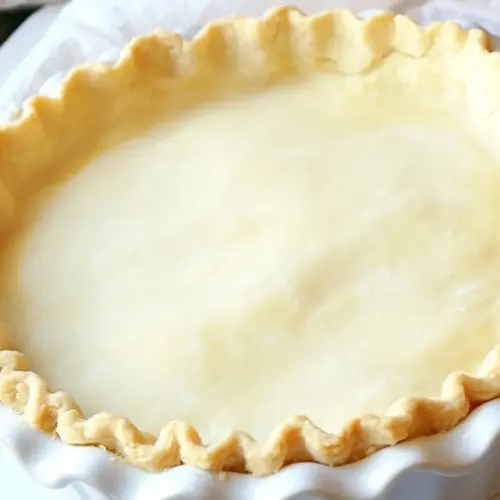
Amish Pie Crust
Amish Pie Crust is a tender, flaky pastry made with simple pantry ingredients like all-purpose flour and vegetable shortening. This easy, forgiving crust browns beautifully and supports both sweet and savory fillings, making it an ideal choice for an easy weeknight dinner tart or a holiday pie. Perfect for bakers who want consistent results with minimal fuss, try it for reliably flaky results.
Equipment
- Food Processor
- Mixing Bowl
- Wooden Spoon
- Plastic Wrap
- Rolling Pin
- 9-inch pie dish
Ingredients
- 4 cups all-purpose flour Provide structure and bulk to the dough; hydrates when mixed with liquid to form gluten that gives the crust strength. Measure accurately for consistent texture and avoid overworking to keep crust tender.
- 1 tablespoon granulated sugar Add a touch of sweetness that balances savory notes and can help with browning; dissolves easily into the dry mix. Use sparingly to prevent altering the traditional savory-sweet balance of a classic pie crust.
- 1 teaspoon salt Enhance overall flavor and control yeast or chemical reactions in the dough; sharpens taste and balances richness. Dissolve into the dry ingredients to ensure even distribution throughout the crust.
- 1 1/2 cups vegetable shortening cubed Contribute flakiness and tenderness by coating flour particles, preventing excessive gluten formation; the cubed shape helps create pockets of fat that steam during baking. Keep chilled and handle minimally to maintain distinct layers and a flaky texture.
- 1 egg beaten Introduce moisture and a small amount of fat and protein to bind dough components; beaten form mixes quickly into the liquid phase. Incorporate gently to avoid over-developing gluten while improving rollability and richness.
- 1 tablespoon vinegar Provide acidity that helps tenderize the dough by slightly weakening gluten and enhancing flavor; balances the fat and flour interaction. Combine with the egg and water for even acid distribution without altering crust consistency.
- 1/2 cup water Hydrate the dry ingredients to form a cohesive dough while tailoring the amount for desired tenderness; cold water helps keep fat solid until baking. Add gradually to achieve the proper dough consistency without making it sticky.
Instructions
- In the bowl of a food processor, pulse together all-purpose flour, sugar, and salt until combined.: The moment you pulse the dry mix you will see the ingredients come together into a uniform, pale mass, and the scent will be a clean, slightly sweet flour aroma. Pulsing rather than blending quickly helps avoid warming the flour and developing too much gluten, which keeps the crust tender. A common mistake is running the processor continuously, which creates heat and makes the final crust tougher. If you notice the bowl warming, stop and let it rest for a minute before continuing. Look for even distribution, with no streaks of salt or sugar left on the sides, and scrape the bowl once if needed to ensure consistency.
- Add the cubed shortening and pulse until pea-sized crumbs form.: As you add the cold, cubed vegetable shortening , pulses will create coarse crumbs that resemble tiny peas; this visual cue is important because those chunks of fat will melt in the oven and produce flake. You should hear short, staccato pulses rather than a constant whirl, and the sound will be rhythmic and light. If you over-process, the mixture will look pasty and the crumbs will be too small, which reduces flake. One way to troubleshoot is to chill the mixture briefly if it feels warm, then continue. Aim for a texture with a range of pea to cornmeal size pieces so you get a tender, layered result.
- Transfer the dough to a large bowl and using your hands or a wooden spoon bring the dough together.: When you move the crumbly mixture to a bowl, you should still see distinct pieces of fat, and the act of stirring brings them into closer contact with the flour. The dough at this stage feels dry and sandy, with the occasional larger piece of shortening visible. Use a gentle folding motion with your hands or a wooden spoon to avoid melting the fat; warmth from your palms can soften the shortening and change the texture. A common error is overworking the flour, which develops gluten, so keep movements light and intentional, combining until the mixture looks cohesive but not smooth.
- In a small bowl, whisk together the egg, vinegar, and water.: Whisking these liquids until uniform creates a pale, slightly frothy mixture that will hydrate the dough evenly. You should notice the vinegar blending seamlessly into the egg and water , and the aroma will be faintly acidic from the vinegar, which is normal. Mixing the liquids first prevents pockets of egg or vinegar in the dough that could affect texture. One tip is to use cold water to keep the overall dough temperature low. If you forget this step and add liquids separately, you might end up with uneven hydration, which can lead to sticky spots.
- Add the mixture to the dough and mix until combined, it will be sticky.: Once you pour the liquid into the bowl the mixture will transform from sandy to tacky, and you will see it start to clump. The dough should be slightly sticky but not wet, and it should hold together when pressed. This sticky stage means the ingredients have bound and are ready to shape. If the dough seems too wet, chill it for ten to twenty minutes to firm up; if it appears crumbly, add a teaspoon of water at a time until cohesive. Avoid adding large amounts of liquid at once, because overhydration is hard to reverse.
- Wrap the dough with plastic wrap and let it chill in the refrigerator for at least 1 hour before rolling.: Chilling is where patience pays off, because it firms the vegetable shortening and gives the gluten a chance to relax, resulting in a more tender crust and easier rolling. After wrapping, the dough will cool and the texture will become smooth and slightly firm; you might notice a faint condensation in the wrap, which is fine. A common mistake is skipping this rest and trying to roll warm dough, which tears and shrinks in the oven. I usually chill for longer if I have time, up to overnight, as deeper chilling improves handling and flavor melding.
- When ready to use, place the dough on a floured surface and divide it in half.: The chilled dough should feel firm but pliable when you press it with your fingers, and flouring the surface prevents sticking. Dividing it in half creates two workable portions for top and bottom shells. If the dough cracks at the edges when you press, let it warm for a few minutes; if it becomes too soft and sticky, pop it back to the fridge briefly. I separate and wrap the extra portion to avoid overhanding the piece I plan to roll, which preserves its cold temperature.
- If your pie has a top, keep both halves, if you only need the bottom part, wrap the remaining dough in plastic wrap and store it in the fridge.: Wrapping leftover dough tightly prevents drying and keeps it ready for later use, and storing in the fridge for up to two days is convenient. You will notice the wrapped dough is denser and quieter in the fridge compared to fresh dough on the counter. A mistake here is leaving it uncovered where it will form a skin. If you plan to freeze it, use airtight packaging to avoid freezer burn and thaw gently in the fridge before rolling.
- Roll half of the dough to 1/4-inch thick and transfer to a 9-inch pie dish.: Rolling to about a quarter inch gives a balanced crust that bakes evenly and supports fillings without being too thick. As you roll, the dough should glide smoothly, and you will see faint layers forming if the fat remains cold. Rotate and flour as needed to prevent tearing but do so sparingly to avoid incorporating too much extra flour. Hearing a soft, dry scraping noise as the pin crosses the board is normal. If the crust resists stretching into the dish, let it rest for a few minutes; forcing it can cause shrinking in the oven.
- Bake as instructed in the recipe you are using.: The final bake varies with your filling and temperature, but during baking you should watch for a golden edge and a gently browned surface, signals that the crust is done. The aroma will become toasty and slightly nutty, and you may hear a subtle crisping sound as steam escapes. Avoid opening the oven too often, since temperature swings can affect browning. If the edges brown too quickly, tent them with foil to prevent burning while the center finishes. Trust a visual and textural check rather than an exact minute count when working with different fillings.
Notes
- Chill Everything: Always use cold vegetable shortening and cold water to prevent the fat from melting into the flour. This preserves those tiny pockets that create flakiness in the oven. If your kitchen is warm, briefly chill the processed crumbs before adding liquids.
- Accurate Measuring: Measure the all-purpose flour by spooning into the cup and leveling with a knife, rather than scooping from the bag, to avoid packing too much flour which yields a dry crust.
- Pulsing Technique: Use short pulses in the food processor instead of running it continuously, and stop when pea-sized crumbs form. Overprocessing produces a paste that diminishes flakiness, and the dough may become tough.
- Hydrate Slowly: Add the egg, vinegar, and water mixture gradually, using the minimum needed to bring the dough together. Too much liquid makes the dough sticky and harder to roll, while too little yields crumbly pastry.
- Rest Before Rolling: Chill the dough for at least one hour; this firms the fat and relaxes gluten. If you are short on time, a quick twenty to thirty minute chill helps, but longer is better for texture and flavor.
- Repair Tears Gently: If the dough tears while transferring, patch with small bits of leftover dough and chill briefly. Avoid stretching the dough to cover holes, as that causes shrinkage during baking.