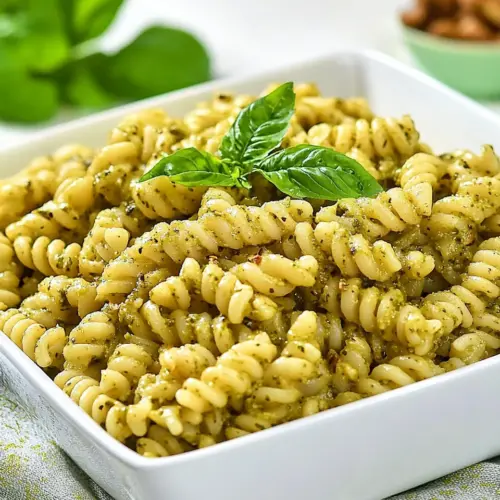
Alonti Pecan Pesto Pasta
Alonti Pecan Pesto Pasta is a creamy, nutty, and vibrant pasta that comes together quickly for an easy weeknight dinner. Fresh basil, toasted pecans, and sharp cheeses create a rich, textured sauce that clings to pasta for a comforting, flavorful meal. Make it when basil is at its peak to enjoy the freshest herb notes and a satisfying, crowd pleasing dish.
Equipment
- Food Processor
- Skillet
- Pot
- Colander
Ingredients
- 25 fresh basil leaves Provide bright, aromatic flavor and herbaceous complexity to the pesto; bruise the leaves slightly to release essential oils and ensure an even, fragrant base. Balance the richness of nuts and cheeses while contributing a fresh green color and light, peppery notes to the final sauce.
- 1/2 cup extra virgin olive oil Bind and enrich the pesto with silky mouthfeel and fruity richness; drizzle gradually while pulsing to create a cohesive emulsion with the basil and cheeses. Carry the flavors across the pasta, adding a smooth texture that helps coat each strand evenly for a luxurious finish.
- 5 garlic cloves Deliver pungent, savory heat and depth when crushed or minced; mellow slightly when blended into the oil and cheese to create a balanced aromatic backbone. Support preservation of bright flavors by adding sharpness and a lingering savory kick that enhances the overall pesto profile.
- 1 teaspoon kosher salt Season and elevate overall flavors with a clean saline boost that enhances herb, nut, and cheese notes; dissolve evenly into the oil for consistent seasoning. Control final taste balance by adjusting to preference, making sure the pesto and pasta are neither under- nor over-salted.
- 1/2 cup pecans Contribute earthy, buttery crunch and rich, toasty flavor when ground or chopped; act as the primary nut component that gives pesto body and texture. Complement the cheeses and basil by adding nutty depth and a slightly sweet background that rounds out the sauce.
- 1 cup Parmesan cheese Provide sharp, umami-rich savory character and granular, creamy texture when grated into the pesto; melt slightly into the warm pasta for a cohesive sauce. Intensify overall flavor depth and add a salty, nutty finish that harmonizes with the basil, nuts, and oil.
- 2 tablespoons Romano cheese Add piquant, salty tang and firm texture when finely grated, contributing a complementary sharpness to the Parmesan; help achieve a balanced, layered cheese profile. Enhance the pesto’s flavor complexity and support sauce cohesion with its drier, crumbly quality.
- 1 pound pasta cooked according to package directions Serve as the vehicle for the pesto, absorbing and showcasing the sauce when cooked properly; hot pasta helps bind the oil, cheeses, and basil into a silky coating. Finish the dish by tossing with the pesto so each piece becomes evenly flavored, creating a comforting, cohesive meal.
Instructions
- Wash the basil leaves and place them into a food processor with the olive oil and garlic. Pulse several times until the garlic begins to break into small pieces.: Right away you will notice the basil releasing its green, herbaceous perfume, a fresh, almost citrusy scent that tells you it is lively. The initial pulsing breaks down the leaves enough to start blending flavors without turning them into a lifeless puree, and the olive oil will begin to coat the fragments so the aroma carries. Listen for a steady chopping noise rather than a frantic whine which means the processor is working through leaves evenly. Why this matters, the gentle pulsing preserves texture and prevents the basil from warming up too much which can darken the color and make flavors dull. Troubleshooting tip, if the mixture clumps or sticks to the sides, stop and scrape down the bowl so everything processes evenly and you avoid large unblended pockets.
- Add the kosher salt and pecans and process briefly at medium speed.: At this point the scent shifts to a deeper, roasted note once the pecans break apart and release their oils, and the salt helps draw out flavor from both the nuts and the basil. You will hear a slightly heavier, crunchier rhythm from the processor which signals the nuts are being incorporated. The why, combining nuts with the herb base early helps the oils distribute and gives the pesto structure. A common mistake is overprocessing here; if you blend too long you will lose the pleasant granular texture, so pulse briefly and check for small bits of nut still present.
- Add the cheese and pulse until the cheese is mixed uniformly throughout.: When you add the Parmesan cheese and Romano cheese , the mixture will take on a creamy, savory aroma with a salty lift. Pulsing rather than running continuously lets the cheeses integrate without melting or turning greasy, preserving a balanced mouthfeel. Visually you should see fine flecks of cheese distributed through the green sauce, which indicates proper incorporation. This step matters because the cheeses thicken and stabilize the pesto, helping it cling to pasta . Troubleshooting, if the mixture seems dry add a splash more olive oil or reserved pasta water to reach the desired consistency.
- Pour some or all of the pesto over the cooked pasta and mix well.: As you add the pesto to hot, freshly drained pasta , steam will lift the aromatic notes and the sauce will loosen and become glossy, especially if you add a bit of reserved starchy pasta water. The sensory details include the quiet sound of sauce sliding over noodles and the visual of each strand or shell becoming evenly coated, shimmering slightly. The why, tossing while warm helps the pesto emulsify with the pasta water and oil, creating a silky finish that clings. One common pitfall is adding too much sauce at once which can overwhelm the pasta, so start with less and add more to reach perfect coating.
- Store any remaining pesto in an airtight container in the refrigerator. It will remain fresh for a few days.: Stored pesto keeps a concentrated herbal fragrance and richer, deeper flavors after resting, and a thin layer of olive oil on top will help prevent oxidation and browning. You may notice the smell mellows slightly in the cold, but when brought back to room temperature the aromas return. The reason this matters is that proper storage preserves both color and taste for later use. Troubleshooting, if the pesto darkens a bit on the surface simply scrape away the top layer and you will find fresher green pesto beneath.
Notes
- Toast the pecans: Lightly toasting the pecans in a dry skillet for two to three minutes intensifies their oils and deepens flavor, adding a caramelized note that complements the fresh basil.
- Adjust the garlic level: If you prefer a milder bite, reduce the number of garlic cloves to three and let the nutty and cheesy notes shine through more prominently.
- Keep texture: Pulse the mix in the food processor rather than blending continuously so you retain small pieces of pecan for a pleasing mouthfeel.
- Use reserved pasta water: Stir in a few tablespoons of hot starchy pasta water when tossing to achieve a silky sauce that clings to the pasta.
- Oil top for storage: When refrigerating leftover pesto, pour a thin layer of olive oil on the surface to minimize oxidation and maintain color and flavor.
- Fresh cheese matters: Grate the Parmesan cheese and Romano cheese fresh rather than using pre-grated for better texture and melting into the sauce.
- Measure salt last: Because the cheeses contribute saltiness, add kosher salt in small increments and taste before adjusting.