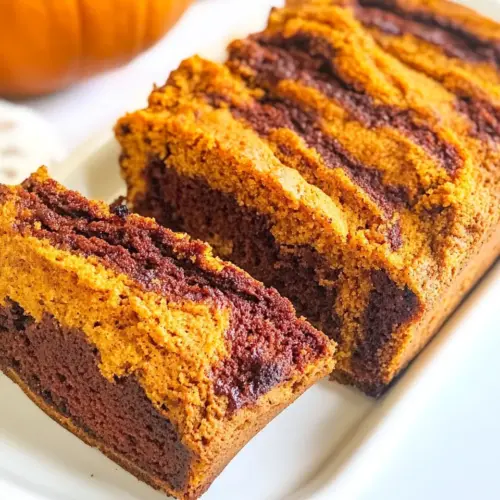
Almond Flour Cinnamon Swirl Pumpkin Bread
Almond Flour Cinnamon Swirl Pumpkin Bread is a moist, nutty loaf infused with warm spice and a gooey cinnamon ribbon. This easy seasonal loaf uses pumpkin puree and almond flour for tender texture, perfect for a cozy breakfast or holiday brunch. Make it for an effortless crowd pleaser that feels special and bakes up reliably every time.
Equipment
- Loaf Pan
- Parchment Paper
Ingredients
- 1 1/2 cups canned pumpkin puree Provide creamy moisture and dense structure while contributing subtle sweetness and pumpkin flavor; helps bind ingredients and keeps the bread tender when baked.
- 2 eggs Add structure, lift, and richness by helping to emulsify wet and dry components; contributes to the bread’s overall stability and golden color.
- 1 tsp pure vanilla extract Enhance and lift other flavors with a warm floral aroma; balances sweetness and complements the pumpkin and spice notes in the loaf.
- 2 cups almond flour Supply a gluten-free base and slightly nutty flavor while providing bulk and a moist crumb; contributes healthy fats and works as the primary dry component.
- 1/3 cup tapioca flour Lighten the texture and absorb moisture to help the batter set; works with almond flour to create a tender, cohesive crumb without gluten.
- 1/4 cup coconut sugar Impart mild caramel-like sweetness and help reduce refined sugar; offers flavor depth while blending easily into the wet ingredients.
- 1 1/2 tsp baking powder Provide chemical leavening to help the bread rise and create a lighter crumb; reacts during baking to produce lift and subtle aeration.
- 1 tsp pumpkin pie spice Introduce warm, spiced flavors that complement pumpkin and cinnamon; blends nutmeg, cloves, ginger, and cinnamon to define the seasonal profile.
- 1/2 tsp sea salt Enhance and balance flavors while controlling sweetness; strengthens other seasonings and helps the palate perceive the spices more clearly.
- 1/2 cup coconut sugar or brown sugar Create a cinnamon-sugar swirl component by providing granular sweetness and structure for the ribbon; helps caramelize slightly during baking for texture contrast.
- 1 tbsp ground cinnamon Deliver concentrated warm spice for the swirl, adding aromatic depth and amplifying the cinnamon layer; contributes visual and flavor distinction.
- 1 tbsp pumpkin pie spice Intensify the pumpkin-spice character in the swirl layer for additional warmth and complexity; pairs with cinnamon to create a robust filling.
- Pinch sea salt Adjust seasoning balance and heighten other flavors without adding volume; a tiny amount sharpens sweetness and spice contrasts in the swirl.
Instructions
- Preheat the oven to 350 degrees Fahrenheit and line a 9” x 5” loaf pan with parchment paper. I recommend using parchment paper over cooking spray for this almond flour recipe in order to prevent any crumbling or breakage.: The warm oven creates an even bake so the center cooks through as the edges brown, and lining with parchment paper prevents sticking and helps you lift the loaf out intact. You should feel the heat as you open the door, and the faint scent of warming metal signals readiness. A common mistake is skipping the lining, which can cause the fragile almond flour crumb to cling and break when you remove the loaf.
- Mix together the ingredients for the cinnamon swirl in a small bowl and set it aside until ready to use.: As you stir the coconut sugar , ground cinnamon , and pumpkin pie spice , notice the dry sugar granules coated in spice, and the mix smells intensely warm. Setting it aside lets the flavors meld and keeps the swirl ready to scatter evenly. Avoid making the swirl too wet, which can sink into the batter and blur the ribbon effect.
- Mix the canned pumpkin puree, eggs, and pure vanilla extract together in a large mixing bowl until well combined.: Combine until the pumpkin looks silky and uniform, the eggs fully incorporated, and little ribbons of glossy batter form. You’ll sense a rich, earthy aroma from the pumpkin with vanilla brightening the scent. Overbeating is unnecessary here, as too much air can change the texture, so stir until smooth and homogenous.
- Add the dry ingredients (almond flour, tapioca flour, coconut sugar, baking powder, pumpkin pie spice and sea salt) to the bowl with the wet ingredients and stir until completely combined. There’s no need to combine the dry ingredients in a separate bowl.: When you fold in the almond flour , tapioca flour , coconut sugar , baking powder , pumpkin pie spice , and sea salt , the batter should thicken to a spoonable consistency with no streaks of flour. You’ll notice the scent deepening, and the batter should feel reassuringly dense. A common error is under mixing pockets of dry flour, which leaves dry specks in the finished loaf.
- Pour half of the bread batter into the prepared loaf pan and spread it into an even layer.: The batter should glide into the pan, and smoothing it ensures the swirl sits on a stable base. Pat the batter gently so there are no air pockets. If the layer is uneven, the swirl may break through during baking, so take an extra moment to level it.
- Sprinkle all of the cinnamon swirl mixture over the pumpkin layer, creating an even layer of cinnamon and sugar.: As you scatter the swirl, aim for full coverage so every slice has that sugary ribbon. The sugar will sit on the batter’s surface, ready to melt and caramelize a bit while baking, producing a sweet fragrance. Too heavy a layer can weigh the batter down, so keep it even rather than piled.
- Spread the remaining pumpkin bread batter over the cinnamon swirl layer. Use a butter knife to draw an “S” shape into the batter, creating the cinnamon swirl.: Gently spoon and spread the remaining batter to envelop the swirl, then use a butter knife to carve a sweeping S to lift a portion of top batter into the swirl. The motion creates visible ribbons when the loaf is sliced, and you should see the surface ripple slightly. Pressing too deeply will smear the swirl, so keep the knife shallow for defined bands.
- Cover the bread pan with aluminum foil and bake in the oven for 40 minutes. Remove the foil and bake for another 15 to 20 minutes, or until the top of the bread is golden brown and it is baked through.: Covering initially prevents the top from browning too quickly while the center sets, then removing the foil allows the top to color. You’ll hear the quiet settling of the loaf and later see a warm golden top and a lightly firm spring when touched. A frequent mistake is baking too long after removing the foil, which can dry the crumb; watch for that golden color and gentle spring.
- I like to take the internal temperature of quick bread recipes to be sure it is fully baked. To do so, insert a digital thermometer into the center of the bread. If it is 190 degrees or higher, it is fully baked.: Using a digital thermometer, aim for an internal reading of 190 degrees Fahrenheit or higher, which indicates the center is set. The thermometer should slide in smoothly, and when it reads correctly you’ll know the loaf will slice cleanly. Forgetting to test the center can lead to a loaf that looks done but is underbaked inside.
- Allow the bread to cool completely before slicing and serving.: Cooling lets the crumb firm up and the swirl set, yielding clean slices and fuller flavor as aromas settle. The loaf will give off a last burst of spice as it cools, and the crust will relax. Cutting too soon often results in a gummy center or crumbling slices, so be patient and let it rest until mostly cool.
Notes
- Swap sweeteners cautiously Use the suggested coconut sugar or brown sugar amounts to retain moisture and flavor, and if you must use a liquid sweetener reduce other liquid slightly to avoid a loose batter.
- Adjust spice intensity Increase the pumpkin pie spice by a half teaspoon if you prefer a bolder profile, but add gradually so the spice does not overpower the nutty almond base.
- Make mini loaves Divide the batter into smaller pans and shorten the bake time, checking doneness with a thermometer for the smaller volumes to avoid drying out the crumb.
- Boost the swirl For more visible ribbons, make a slightly thicker swirl by reducing any excess moisture in the filling, and press the swirl gently into the batter before adding the top layer.
- Store properly Wrap cooled slices tightly and refrigerate for up to a week or freeze for longer storage, bringing to room temperature before serving to restore tenderness.