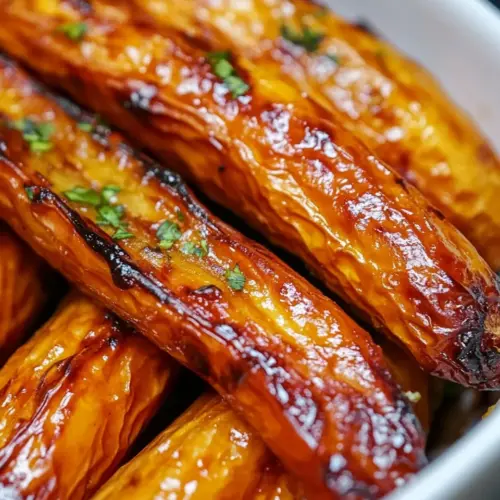
Air Fryer Carrots
Air Fryer Carrots deliver sweet caramelized edges and a tender interior with minimal effort. These crispy roasted style carrots are easy, quick, and perfect for an easy weeknight dinner or meal prep. Brightened with lemon and fresh herbs, they make a versatile side you will want to serve again and again.
Equipment
- Air Fryer
- Tongs
- Paper towels
Ingredients
- 1 pound carrots Provide sweet, earthy body and a tender-crisp texture when air fried; peel and trim as needed then cut to uniform sizes for even cooking and caramelization.
- 3/4 teaspoon your favorite Nom Nom Paleo spice blend or Diamond Crystal kosher salt Season boldly to enhance natural sweetness and balance; add to carrots before cooking to ensure even distribution and to create a flavorful crust.
- 1 tablespoon extra virgin olive oil or avocado oil Coat evenly to facilitate browning and prevent sticking in the air fryer; use oil sparingly to promote crisp edges while keeping the interior moist.
- 1/4 teaspoon freshly ground black pepper Season lightly to add a sharp, warm bite and subtle depth; grind fresh and sprinkle after tossing to maintain aromatic intensity.
- 2 tablespoons lemon juice or aged balsamic vinegar Brighten and add acid-driven balance that lifts flavors; drizzle before serving or toss briefly after cooking to preserve freshness.
- 2 tablespoons minced chives, parsley, chervil, or tarragon Garnish with a light herbaceous note and fresh color; mince finely and sprinkle at the end to retain bright flavor and visual appeal.
Instructions
- Wash and scrub the carrots and pat them dry with paper towels. Drizzle on some extra virgin olive oil or avocado oil.: You will notice the wash water run clearer as the dirt comes off, and dry skins brown far better than damp ones. A thorough scrub removes grit trapped in the creases, which prevents a sandy bite. One thing to avoid is leaving them wet, because moisture creates steam that prevents crisping. If your carrots are uneven, try to match sizes by cutting the larger ones to keep the cook even.
- Sprinkle on your favorite Nom Nom Paleo spice blend or Diamond Crystal kosher salt and toss well to evenly distribute the oil and seasoning.: The oil should shimmer slightly when it warms against the carrots, and it coats the surface so the heat can pull sugars to the exterior, creating golden caramelization. You want just enough to lightly coat, not pool, because excess oil can cause uneven browning. A common misstep is overdosing on oil which leads to greasy and heavy results, so start with a tablespoon and toss well to distribute.
- Preheat the air fryer to 380°F (if necessary) and set it to cook for 20 minutes.: When you sprinkle the salt and spices, breathe in the aroma as it releases; this is an early signal of how the final dish will smell. Tossing helps every surface get flavor and prevents pockets of over-seasoned pieces. Avoid adding all the salt at the very end, because seasoning early helps draw out moisture and concentrates flavors during cooking.
- When the air fryer reaches the set temperature, place the carrots in a single layer in the air fryer basket.: Preheating gives the basket immediate hot air, which encourages quick surface browning. If your model does not require preheating, set the temperature and be ready to monitor earlier than the timer suggests. A common error is skipping preheat, which can lengthen cooking and reduce browning, leaving you with pale carrots.
- Air fry the carrots for 18 to 20 minutes, flipping or shaking them at the halfway point. If your carrots are irregularly sized, you may have to take the smaller ones out earlier. Baby carrots can cook quicker, so start checking at the 12 minute mark. The carrots are ready when they’re easily pierced with a knife and the skin is golden brown.: A single layer ensures hot air circulates freely and creates even color, and you will hear a soft air hum rather than a clogged, stifled sound. Crowding will steam the carrots instead of crisping them, so if you have more than fits comfortably, cook in batches. People often pack the basket too tightly to save time, but that sacrifices texture for speed.
- Transfer the roasted carrots to a platter. Add some freshly ground black pepper and drizzle on fresh lemon juice and herbs. You can also serve the carrot with a tasty sauce (see below in the notes).: As they cook you will smell a toasty, sweet aroma and see the surfaces turn golden brown. Flipping helps all sides get contact with hot air and prevents one sided charring. If your carrots vary in thickness, start checking earlier for the smaller ones, because overcooking will make them dry. A typical mistake is not checking at the midpoint, which can allow some pieces to overcook while others are still underdone.
- If your carrots are irregularly sized, you may have to take the smaller ones out earlier: Smaller pieces will give a thinner, crisp edge and can go from perfect to overdone in minutes, so use tongs to remove them as they reach a tender center. The visual cue is a darkening at the tips and a glossy sheen on the cut surface. Avoid leaving all pieces together without monitoring, because the variance in size will cause uneven doneness.
- Baby carrots can cook quicker, so start checking at the 12 minute mark: Baby carrots often have a higher surface area to volume ratio, so they crisp faster and brown earlier, giving a sweeter bite quickly. Touch them to assess tenderness; they should yield to a fork without collapsing. A common oversight is relying solely on time instead of texture, which leads to dry or overly soft results.
- The carrots are ready when they’re easily pierced with a knife and the skin is golden brown: Use a paring knife to test the center; a smooth slide indicates done and a slightly resistant center indicates you need more time. The golden exterior should be slightly blistered and glossy, with a hint of sticky sweetness at the cut edges. Overcooking makes them too soft and dulls the flavor, so pull them once they reach that tender but intact stage.
- Transfer the roasted carrots to a platter: As you move them, notice the aroma intensify from the steam, and the sight of the caramelized edges is rewarding. Transferring promptly stops further cooking from residual heat in the basket that can push them past the desired texture. Leaving them sitting in the hot basket is a common mistake that results in softer carrots than intended.
- Add some freshly ground black pepper and drizzle on fresh lemon juice and herbs: The black pepper adds a warm lift, the lemon juice brightens all the flavors, and the herbs contribute a fresh, green note that contrasts the roast sweet. Add these finishing touches while the carrots are still warm so the aromatics release, but avoid over-squeezing the citrus which can make the surface soggy. People sometimes skip finishing acid, but it is the element that transforms sweet and savory into a cohesive bite.
- You can also serve the carrot with a tasty sauce: A sauce adds another textural and flavor layer, whether it is nutty, tangy, or herby, and it can make the dish feel more composed. Offer sauces on the side so guests can customize their experience, and keep the sauce room temperature to avoid watering down the carrots. A mistake to avoid is pouring a heavy sauce directly onto the carrots too early, since it can mask the crisped edges.
Notes
- Choose similar sized carrots: Uniform pieces help ensure consistent doneness, which is especially important when you air fry a single batch. If sizes vary, cut larger ones to match smaller pieces or cook in two batches.
- Swap oils for flavor or heat tolerance: Use extra virgin olive oil for bright fruitiness, or avocado oil for a higher smoke point and a neutral finish, particularly when you want an intense roast without oil breakdown.
- Season lightly to start: Apply a modest amount of kosher salt or your preferred spice blend; you can always finish with a sprinkle after cooking if the carrots need more lift.
- Finish with acid and fresh herbs: A squeeze of lemon juice or a splash of aged balsamic vinegar awakens the flavors, while minced herbs add a fresh visual contrast and aroma.
- Use the oven swap when needed: If you do not have an air fryer, roast in a 425°F oven for 30 to 35 minutes, turning once, to approximate the same caramelization and doneness.