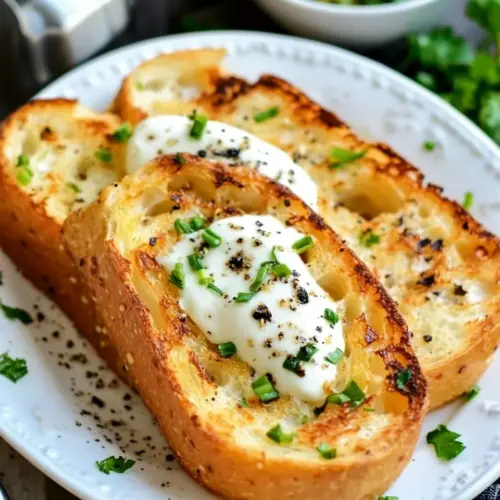
4 Ingredient Easy Texas Toast
4 Ingredient Easy Texas Toast is a crispy, garlicky, and buttery quick bake that elevates simple bread into a craveable side. Perfect for easy weeknight dinners or last minute gatherings, the straightforward method yields golden edges and a tender interior. Keep the ingredients on hand for an effortless crowd pleaser that pairs with soups, salads, or pasta, and makes entertaining stress free.
Equipment
- Broiler or Oven with Broiler
- Baking Sheet
- Mixing Bowl
- Serrated Knife
- Spreading Knife or Butter Knife
Ingredients
- 1 loaf Italian Bread or any bread that you enjoy. Provides a sturdy base for the toast and supplies the bread structure that crisps when toasted; choose Italian bread or any favorite loaf to control thickness and crumb. Slices absorb butter and garlic flavors while delivering a chewy interior and golden exterior after baking or broiling.
- 8 Tbs Butter room temp Adds rich creaminess and helps achieve a crisp, golden-brown finish when melted onto the bread; room temperature butter is easier to mix with garlic and herbs for even spreading. Contributes savory fat that enhances mouthfeel and carries flavor across each slice.
- 1 Tbs garlic minced Imparts pungent, aromatic flavor that infuses the butter and permeates the bread during toasting; minced garlic disperses evenly for consistent garlicky notes. Promotes a bright, savory profile that balances the richness of the butter and complements the herbs.
- 1 Tbs Italian Herbs dried Delivers savory, aromatic complexity and Mediterranean character to the butter mixture; dried Italian herbs combine flavors like oregano, basil, and thyme to round out the toast. Adds a fragrant finish and helps lift the overall flavor without adding moisture.
Instructions
- Slice the bread to the thickness that you enjoy. 1" is about right.: As you slice, notice the soft give of the crumb and the resistance of the crust, which tells you the loaf is fresh yet sturdy enough to hold the topping. The sound will be a soft, clean cut rather than a squish, and the visual cue is a clean edge without compressed crumb. This thickness soaks up enough butter to be flavorful while still crisping under heat. A common mistake is pressing too hard with the knife, which compresses the loaf and yields a denser bite; use a serrated knife and gentle sawing motions.
- In a bowl, mix together the room temperature butter, garlic and herbs.: As you stir, inhale the immediate herbal and garlicky aroma, which brightens as the ingredients marry. The butter should appear creamy and slightly glossy, holding tiny flecks of herb. That silky texture helps the mixture spread evenly, which promotes uniform browning. If the butter is still lumpy or cold, the mixture will not distribute well, leading to uneven flavor; let it soften more, or mash it with a fork until smooth.
- Spread the butter mixture on the bread.: When you apply the mixture, take a moment to feel the spread glide across the surface and watch it coat the crumb. Even coverage ensures each slice crisps and browns consistently. You should see tiny herb flecks and a sheen from the butter . Avoid piling too much on one spot, which can cause soggy areas that resist browning; aim for a thin, even layer instead.
- Cook under the broiler for 4 minutes on one side.: As the slices go under the broiler, the kitchen will fill with a toasty, nutty scent as the butter begins to brown. Keep the oven door slightly ajar if your oven manual allows, and watch for the edges to turn golden and for bubbling on the surface. This timing creates a crisp exterior while protecting the interior. One common misstep is leaving slices too close to the heat, which can char the tops; position the rack at a medium distance so browning is controlled.
- Turn the bread and broil on the other side for 1 minute.: The second side needs far less time because the surface is already heated and the crumb is gently warmed. You should hear a faint sizzle and see quick golden spots form, signaling readiness. This brief finish balances texture, leaving the interior soft while ensuring both sides have that satisfying crunch. Avoid overbaking here, as an extra minute can quickly change golden to burnt.
- Serve hot.: When you bring the tray out, the aroma will be strongest and the texture at its best, with a crisp exterior and warm, tender interior. Serve promptly so contrast remains between the crunchy crust and the buttery center. If you wait too long, the toast will steam and soften; to preserve texture, keep it warm in a low oven for only a short time if needed.
Notes
- Swap the loaf — Try a country Italian loaf or a thicker sandwich loaf for a different crumb texture, keeping the preparation identical so you preserve the recipe's ease.
- Make garlic milder — If you prefer a softer garlic presence, use a touch less minced garlic or let the butter and herbs sit for 10 minutes to mellow before spreading.
- Herb boost — If dried Italian Herbs are light, increase to 1 and a half tablespoons for a more pronounced herbal profile without altering technique.
- Room temperature trick — When in a hurry, cut the butter into small cubes to speed softening and ensure a uniform compound when mixed with the garlic and herbs.
- Broiler distance — Adjust the oven rack to medium height so the top browns evenly without burning, a small repositioning often fixes uneven coloring.
- Prep ahead — Mix the compound butter up to a day early and refrigerate, then soften slightly before spreading for fast assembly the moment guests arrive.