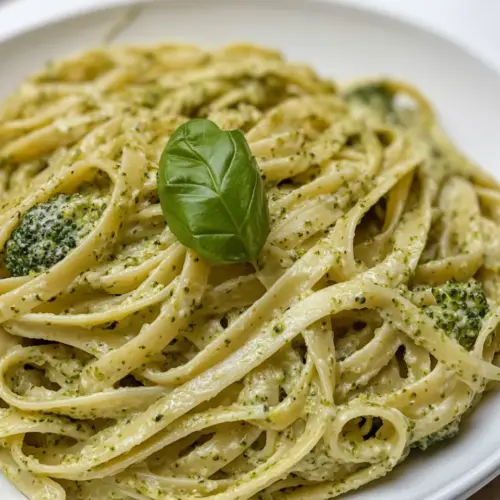
30 Minute Broccoli Basil Pasta
30 Minute Broccoli Basil Pasta is a creamy, herbaceous, and easy weeknight dinner that blends broccoli stems and soaked cashews into a silky sauce. Bright basil and lemon cut through the richness while miso and nutritional yeast add savory depth. Quick to prepare and full of texture, it makes a satisfying plant based meal you will want to repeat again and again.
Equipment
- Blender
Ingredients
- 4 broccoli stalks (600 grams) Chopped into florets and stems, provides a hearty, slightly bitter backbone and substantial texture to the dish; steam or sauté until tender-crisp to retain nutrients and color while blending seamlessly with the sauce.
- 2 tablespoons olive oil, divided Divided between cooking and finishing, offers rich, fruity fat for sautéing shallots and garlic and for tossing with pasta to carry flavors and create a silky mouthfeel without overpowering other components.
- sea salt and ground black pepper, to taste Season generously during cooking and at the table to enhance and balance flavors; use to draw out sweetness from vegetables and to highlight the savory, bright elements of the sauce while adjusting to taste.
- 3/4 cup water, plus extra Used to add moisture for steaming or thinning the cashew-based sauce; reserve extra for adjusting consistency during blending or to deglaze the pan and create a cohesive emulsion with the oil.
- 1 large shallot, chopped Finely chopped and gently cooked to build a sweet, aromatic base; sweated in oil until translucent to release depth and complexity that supports the garlic and chili flakes without dominating the dish.
- 4 cloves garlic, minced Minced and briefly sautéed to provide pungent, savory warmth and aromatic lift; cook until fragrant to avoid bitterness and to meld with shallots and olive oil for a flavorful foundation.
- 1/2 teaspoon chili flakes, or to taste Sprinkled to add a controlled heat and subtle smoky warmth; adjust amount to personal preference and toast briefly if desired to bloom the chili oils and integrate into the sauce.
- 1/2 cup raw cashews, soaked for at least 2 hours and drained Soaked and drained to create a creamy, dairy-free base when blended; contributes body, a mild nutty flavor, and silky texture that helps emulate cheese-like richness in vegan preparations.
- 3 tablespoons nutritional yeast Added for nutty, savory, umami-rich depth and to impart a subtle cheesy note; stir into the blended cashew mixture to boost savory complexity and enhance the overall creaminess.
- 1 tablespoon miso Dissolved into the sauce to deliver concentrated umami and salty-savoury punch; whisk or blend to integrate smoothly and help the cashew cream mimic aged-cheese flavors.
- 1/2 teaspoon lemon zest Zested to provide a concentrated citrus aroma and bright, floral oils that lift the sauce; use sparingly to avoid bitterness while enhancing freshness and complexity.
- 2 tablespoons lemon juice Squeezed to impart clean acidity and vibrant brightness; balances the richness of the cashew cream and helps brighten the basil and broccoli flavors for a lively finish.
- 1 cup basil leaves, lightly packed (plus extra) Lightly packed leaves blended into the sauce and reserved for garnish provide fresh herbal fragrance and peppery, sweet notes; stir into the cashew mixture for color and aromatic intensity.
- 375 grams short pasta of choice Cooked until al dente to supply the primary carbohydrate component and texture; choose a short pasta shape that captures sauce in its grooves and holds bites together harmoniously.
- chili-infused olive oil Drizzled at the end to infuse a spicy, aromatic finish and extra sheen; use sparingly to intensify heat and flavor without overwhelming the basil and lemon brightness.
- vegan 'parm' Sprinkled as a final finishing touch to contribute a salty, tangy, and slightly granular cheesy impression suited to vegan preparations; enhances mouthfeel and visual appeal.
- extra black pepper Cracked over the plated pasta to add sharp, warming spice and final seasoning; apply freshly ground to taste for balanced seasoning and to accentuate other flavors.
Instructions
- Cut the stem away from the broccoli and break up the florets into bite sized pieces. Peel the tough outer layer of the broccoli stems, revealing the tender inner stalk. Roughly chop the stems and keep them separate from the florets.: As you work, you will notice the stems are firmer and paler than the florets, and peeling the tough outer layer reveals a tender, sweeter core. The tactile act of snapping florets into uniform bite sized pieces helps them cook evenly, giving you consistent texture in every forkful. Avoid leaving large chunks of stem unpeeled, they can stay fibrous and detract from the sauce smoothness. If the stems feel especially dense, shave them thinner so they soften at the same pace as the florets.
- Heat a large sauté pan over medium heat. Pour in 1 tablespoon of the olive oil and swirl it around. Add the broccoli stems and season them with salt and pepper. Sauté the broccoli stems until they turn bright green, about 5 minutes. Then, pour in a splash of water and close a lid on top. Continue cooking until tender, about 3 more minutes. Transfer the sautéed broccoli stems to an upright blender.: The peel can be stringy and chewy, so removing it ensures the stems blend into a creamy base rather than a fibrous slurry. As you peel, notice the inner stalk's pale green color and slightly sweet scent, which intensifies when sautéed. A common mistake is to skip peeling, which can result in tiny stringy bits in the sauce. Use a vegetable peeler or a sharp knife to remove only the inedible outer layer for a silky final texture.
- Return the sauté pan to the stove over medium heat. Pour in the remaining tablespoon of olive oil. Add the shallot to the pan and sauté until soft about 2-3 minutes. Then, add the broccoli florets to the pan and season with salt and pepper. Add the garlic and chili to the pan as well and stir until fragrant, about 30 seconds. Pour in a big splash of water and place a lid on top. Cook until the broccoli is just starting to get tender, about 6 minutes. Then, turn off the heat.: Chopping into even pieces helps the stems cook quickly and blend smoothly. Keep them separate because stems and florets have different cooking times, this separation prevents overcooking the florets while ensuring the stems are tender. If you mix them too early, the florets may collapse into an overly soft mass, losing their pleasant bite. Aim for uniformity so each piece softens evenly in the pan.
- Transfer half of the sautéed broccoli mixture to the blender. Keep the remaining sautéed broccoli in the pan. Into the blender, also add the cashews, nutritional yeast, miso, lemon zest, lemon juice, basil, 3/4 cup water, and some salt and pepper. Blend the mixture on high until completely smooth. Pour this thick sauce back into the sauté pan.: You want a steady, moderate heat so the broccoli can gently sizzle and develop a bright green color without burning. When the pan is ready, it should feel warm to the touch above the surface and you may hear a subtle hissing when you add oil. Too high a flame can brown the broccoli too quickly and mask its fresh flavors, while too low will not create those fragrant sauté notes. Maintain medium heat for controlled cooking.
- Cook your pasta according to package directions in well-salted water. Before draining, reserve about 1 cup of pasta cooking water. Once pasta is drained, add it to the sauté pan with the sauce along with the reserved sautéed broccoli mixture. Stir it all together to combine. Add reserved pasta water until you have a creamy and fluid consistency. Serve immediately with extra basil, drizzles of chili oil, extra black pepper etc on top.: The oil acts as a flavor carrier and helps the broccoli stems get a light sheen and begin to soften. Swirling ensures an even coating, which promotes uniform sauté and prevents sticking. If you skip coating the pan, pieces can cling and brown unevenly. The oil should shimmer gently, not smoke; if it smokes, reduce the heat to protect the delicate flavors.
- Add the broccoli stems and season them with salt and pepper: Seasoning early helps draw out moisture and encourages gentle caramelization, which deepens flavor. As the stems hit the pan you will hear a soft sizzle and see their color brighten to a vivid green, that is the cue they are cooking properly. Avoid over seasoning at this stage, as you will adjust later when the sauce is blended. A common issue is adding too much salt early, which can make the sauce overly briny once reduced.
- Sauté the broccoli stems until they turn bright green, about 5 minutes: During these minutes, watch for a translucent sheen and small golden edges forming on some pieces, those visual cues mean sugars are developing and flavor is deepening. The aroma will shift from raw vegetal to a richer, roasted green scent. If the stems brown too much, lower the heat to preserve the bright color. Overcooked stems will lose sweetness and become dull in color.
- Then, pour in a splash of water and close a lid on top: Adding water and covering traps steam, speeding tenderization without extra oil, it softens the stems so they blend into a creamy texture. You will notice steam rising and the pan will become misty, a sign the process is working. If you add too much water, you will dilute flavor, so keep the splash modest. A common misstep is leaving the lid off, which prolongs cooking and can dry out the stems.
- Continue cooking until tender, about 3 more minutes: Tenderness is your goal, the stems should pierce easily with a fork and feel yielding. This quick steam step preserves bright color and fresh flavor while making the stems blend ready. Test frequently to avoid turning them mushy because oversteaming will create a watery puree rather than a silky sauce base. Adjust time slightly if your pieces are larger or smaller.
- Transfer the sautéed broccoli stems to an upright blender: Moving the tender stems to the blender while hot helps them break down smoothly when combined with cashews and liquids, creating a cohesive, creamy sauce. The warmth helps the cashews integrate more easily, giving a silkier mouthfeel. Be careful with very hot contents, and allow a moment for steam to settle so you avoid pressure buildup in the blender. If you skip blending while warm, you may need more liquid to achieve the same texture.
- Return the sauté pan to the stove over medium heat: The pan will be reused to build the sauce layers with the florets and aromatics, so keeping it warm ensures immediate cooking when ingredients are added. A warmed pan helps the shallot soften quickly and the garlic bloom in flavor. If the pan is cold, the shallot may sweat rather than caramelize slightly, resulting in less depth. Preheating saves time and preserves the dynamic flavors you want.
- Pour in the remaining tablespoon of olive oil: The second portion of oil is for sautéing the shallot and florets, adding sheen and carrying the aromatic oils of garlic and chili. This staged oil use layers flavor more effectively than adding all oil upfront. The oil should coat the pan evenly and shimmer gently. Adding oil to a cold pan can cause uneven heating and sticking, so ensure the pan is hot but not smoking.
- Add the shallot to the pan and sauté until soft about 2 to 3 minutes: As the shallot softens, it will release a sweet, onion like aroma that forms a flavor foundation. Watch for translucence and tiny golden fringing at the edges, that indicates you are in the right window. If you let it brown too much, the flavor becomes more roasted and less delicate, which may overpower the basil. Stir often to prevent uneven browning.
- Then, add the broccoli florets to the pan and season with salt and pepper: The florets cook faster than stems, so adding them now ensures they stay tender crisp rather than falling apart. When they hit the pan, you should hear a lively sizzle, and the color will deepen to a vibrant green. Overcrowding the pan can steam them instead of sautéing, resulting in a softer texture than desired, so give them enough room to breathe.
- Add the garlic and chili to the pan as well and stir until fragrant, about 30 seconds: This brief moment is critical, garlic becomes fragrant quickly and releases its savory oils that infuse the oil and vegetables. The chili releases its heat and aroma, giving subtle warmth to the whole dish. Do not leave garlic unattended because it can turn bitter if browned; aim for just a fragrant bloom.
- Pour in a big splash of water and place a lid on top: The splash of water and lid help the florets cook through without burning, preserving bright color and tender texture. Steam will condense on the lid and drip back, keeping the pan moist. If you use too much water, the flavors may dilute, so use just enough to encourage tenderization. Leaving the lid off will lengthen cooking time and could dry the pan.
- Cook until the broccoli is just starting to get tender, about 6 minutes: You want the florets to be tender but still vibrant and holding shape, giving pleasant bite in the finished dish. Test by piercing a floret with a fork; it should give but not collapse. Overcooked florets become mushy and will disappear into the sauce, losing textural contrast. Adjust minutes slightly depending on floret size.
- Then, turn off the heat: Allowing residual heat to settle prevents overcooking while you prepare the sauce in the blender. The pan will remain warm, which helps when you return the blended sauce later. Turning off the heat also keeps the aromatics from continuing to cook and potentially burn while you blend. Leaving the pan on can lead to over reduced liquids.
- Transfer half of the sautéed broccoli mixture to the blender: Reserving half keeps some bright, textured broccoli to toss with the pasta, creating contrast with the blended silky sauce. The reserved florets will add bite and visual interest to the final plate. If you blend all of it, the dish becomes uniformly smooth, which is fine if that’s your preference, but you will lose the pleasant textural interplay.
- Keep the remaining sautéed broccoli in the pan: This reserved portion will be reunited with the pasta for texture and balanced flavor. Keeping it in the warm pan ensures it stays at serving temperature and mixes seamlessly when you add the pasta. If left to cool, it may clump, making it harder to integrate evenly when tossed.
- Into the blender, also add the cashews, nutritional yeast, miso, lemon zest, lemon juice, basil, 3/4 cup water, and some salt and pepper: These ingredients combine into a complex, creamy emulsion; the cashews provide body, nutritional yeast and miso bring umami, and lemon and basil lift the profile. The aroma at this stage should be bright and slightly nutty, with a savory backdrop. Be cautious with miso and salt because miso is concentrated in sodium; adjust later if needed.
- Blend the mixture on high until completely smooth: High speed breaks down the cashews and broccoli into a velvety texture that coats the pasta beautifully. The mixture should look glossy and uniform with no visible bits. If it appears grainy, blend a bit longer or add a splash more water. Overblending very hot mixtures can create steam pressure in some blenders, so vent carefully as needed.
- Pour this thick sauce back into the sauté pan: Reheating the sauce gently in the pan wakes the flavors and allows you to adjust thickness before adding pasta. You will notice the aroma intensify and the sauce will spread more easily across the pan surface. If the sauce thickens too much, a little reserved pasta water will rescue it. Avoid boiling vigorously, which can dull fresh basil notes.
- Cook your pasta according to package directions in well salted water: Well salted water seasons the pasta from within and is essential for balanced flavor. As the pasta cooks, the starch released into the water will help bind the sauce to the noodles later. Undersalting is a frequent oversight that results in flat tasting pasta, while oversalting is hard to fix, so taste the water before adding pasta if uncertain.
- Before draining, reserve about 1 cup of pasta cooking water: That starchy water is magic for adjusting sauce consistency and helping it cling to the pasta. When you add reserved water, it will turn the sauce into a glossy emulsion that coats every piece. Forgetting to reserve it can make the sauce feel thick or pasty, so always scoop some out before draining.
- Once pasta is drained, add it to the sauté pan with the sauce along with the reserved sautéed broccoli mixture: Tossing everything in the pan while still hot lets the sauce marry with the pasta, and the reserved florets distribute texture throughout. Use tongs or a sturdy spoon to fold gently so every piece gets coated. If you pile pasta on and do not toss, the sauce may end up unevenly distributed.
- Stir it all together to combine: The act of stirring encourages the sauce to cling and the flavors to meld, while the heat briefly loosens starches for a silky finish. Aim for even coating and check seasoning as you go. A common mistake is over stirring which can break tender florets, so be gentle to preserve texture.
- Add reserved pasta water until you have a creamy and fluid consistency: Add the water gradually, watching as the sauce loosens and becomes glossy. The right amount will yield a sauce that hugs the pasta without pooling on the plate. Too much water makes the dish soupy, while too little leaves it thick and clumpy; add incrementally until you reach the ideal mouthfeel.
- Serve immediately with extra basil, drizzles of chili oil, extra black pepper etc on top: Finishing touches lift the plate visually and on the palate, basil adds fresh aroma, chili oil brings heat and sheen, and fresh pepper sharpens flavor. Serve while hot to enjoy the creamy texture and vibrant colors. Letting it sit too long can dull the basil and thicken the sauce as it cools.
Notes
- Swap the cashews: If you need a different nut option, soaked macadamia nuts or raw sunflower seeds make a creamy base, though macadamias may require longer soaking time for full softness.
- Add cooked beans for protein: Stirring one cup of cooked white beans in at the end will increase satiety and integrate well with the creamy sauce without overpowering the flavors.
- Try whole grain pasta: Whole wheat or spelt penne adds nuttiness and texture, and the extra starch they release complements the sauce beautifully.
- Top with blistered cherry tomatoes: Quickly sauté whole cherry tomatoes until they burst, then spoon them over the plated pasta for a sweet acidic contrast.
- Use extra basil as a garnish: Adding a handful of roughly torn basil leaves at the end brightens the dish and delivers fresh herb aroma on the first bite.