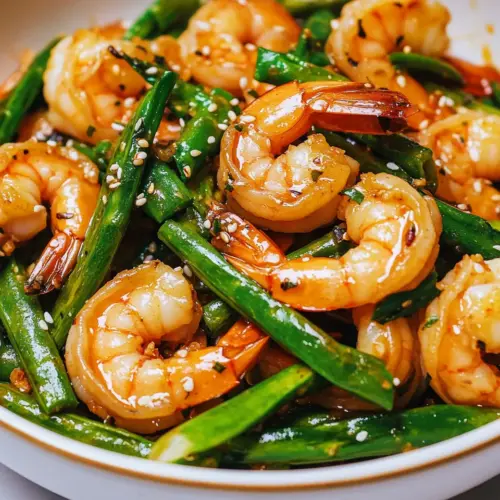
20 Minute Honey Garlic Shrimp Stir Fry
20 Minute Honey Garlic Shrimp Stir Fry offers juicy, tender shrimp tossed in a glossy, sweet savory glaze with crisp asparagus. This easy weeknight dinner combines bright garlic and ginger notes with a sticky honey soy sauce, creating a quick, flavorful meal that's perfect for busy evenings and spring produce. Make it for a fast, crowd pleasing supper that tastes like more effort than you put in.
Equipment
- Large Skillet
- Small Bowl
Ingredients
- 1 tbsp olive oil Coat the pan to prevent sticking and add a light, fruity flavor that helps brown the shrimp and cook the vegetables evenly; use a tablespoon to control oiliness and keep the dish light.
- 1 1/2 lb medium shrimp, peeled and deveined Provide the main protein and quick-cooking element that absorbs the sauce flavors; peel and devein for best texture and to allow even heat penetration during the short cooking time.
- 1 lb asparagus, trimmed and cut into 1-inch pieces Add a crisp, green vegetable component that brings freshness, color, and a slightly bitter contrast; trim and cut into uniform 1-inch pieces so they cook tender-crisp in the stir-fry.
- Salt and pepper, to taste Season to enhance and balance flavors throughout the dish; adjust to personal preference at the end to avoid over-salting the sauce and to brighten the final plate.
- 1/4 cup reduced sodium soy sauce Contribute savory umami and saltiness while keeping sodium lower; use reduced-sodium soy sauce to create a deep, glossy base for the honey-garlic sauce.
- 1 tbsp rice vinegar Introduce a mild tang that balances sweetness and salt; a tablespoon of rice vinegar lifts the flavors and prevents the sauce from tasting cloying.
- 2 tbsp honey Sweeten and caramelize to create the signature honey-garlic glaze; two tablespoons add glossy sweetness that pairs with soy and balances acidity.
- 4 cloves garlic, minced Infuse pungent aroma and savory depth when minced and cooked briefly; four cloves deliver a strong garlic presence that defines the dish's flavor profile.
- 2 tsp fresh ginger, minced Provide warm, spicy notes and aromatic brightness when minced; two teaspoons of fresh ginger complement garlic and cut through the honey's sweetness.
- 1 -2 tsp cornstarch, to thicken sauce Thicken the sauce to a glossy coating so it clings to the shrimp and vegetables; use one to two teaspoons mixed with water to reach desired consistency without cloudiness.
Instructions
- To make the sauce: In a small bowl, whisk together soy sauce, rice vinegar, honey, garlic, ginger and cornstarch. Set aside.: Immediately you will notice the sweet aroma of honey mingling with the sharp tang of minced garlic and warm bite of fresh ginger , a scent that signals the sauce is layered and lively. Whisking the cornstarch into this mixture creates a smooth slurry that will thicken quickly under heat, giving you that glossy cling to coat the shrimp and asparagus . Why this matters, the slurry prevents lumps and yields a silkier texture than adding dry cornstarch at the last minute. A common mistake is failing to dissolve the cornstarch fully, which can lead to small gritty bits in the sauce. If you see any graininess, whisk again until it's smooth before setting aside.
- In a large skillet over medium high heat, drizzle olive oil and cook shrimp until it just starts to turn pink, about 3 minutes. Add asparagus and season with a bit of salt and pepper. Cook until tender, about 2 to 3 more minutes.: As the oil warms you will hear a gentle shimmer, and when the shrimp hits the pan you should get a quick sear, a soft sizzling that tells you the heat is right. The shrimp will change from translucent to a pale pink with slightly opaque centers, releasing a sweet, briny fragrance. This initial sear locks in juices and develops flavor through mild caramelization. Avoid overcooking, which makes shrimp rubbery, and be wary of crowding the pan, that lowers temperature and prevents a proper sear. Keep the shrimp moving just enough to brown the surfaces without letting them curl excessively.
- Toss in your sauce and continue to cook until the sauce has thickened and shrimp and asparagus is coated, about 2 to 3 minutes.: The asparagus should hit the skillet with a bright green pop and start to sizzle, releasing a fresh, grassy aroma. As it cooks you will see the color deepen and the edges begin to blister lightly, a sign it's developing a sweet, nutty note. The brief cook preserves a pleasant snap, so aim for tender crisp rather than limp. I often toss the pan once or twice so pieces cook evenly. A typical slip is leaving asparagus in too long, which dulls color and makes it mushy, so test one piece for texture before proceeding.
- Remove from heat and garnish with sesame seeds and black pepper, if desired. Serve immediately and enjoy!: The moment the sauce hits the hot pan you will hear a lively hiss and see the liquid bubble as it reduces, concentrating flavors. Within a minute the cornstarch will activate, transforming the sauce into a shiny glaze that clings to the shrimp and asparagus , visibly thickening and becoming syrupy. This coating is important, it ensures every bite is balanced instead of watery. If the sauce seems too thin, let it simmer a touch longer; if it thickens too fast, lift the pan from the heat briefly to control it. Do not add too much cornstarch at once, that can make the sauce overly gummy.
- Remove from heat and garnish with sesame seeds and black pepper if desired Serve immediately and enjoy: As you take the skillet off the flame you will notice the final aromatic lift from the heat releasing the garlic and ginger . Garnishing with a sprinkle of sesame seeds adds a nutty crunch and visually elevates the dish, while a crack of black pepper adds a finishing bite. Serving right away preserves the glossy texture and textural contrast between the sauced shrimp and crisp asparagus . A common error is letting the dish sit in the pan, which will continue to cook and soften the vegetables, so transfer to a warm plate promptly for best results.
Notes
- Preheat the skillet: Ensure your pan is hot before adding the olive oil so the shrimp sizzles on contact and develops a quick sear instead of steaming. I wait until I can feel the heat a few inches above the surface. If the oil smokes excessively, lower the heat briefly to avoid burning the aromatics.
- Dry your shrimp: Pat the shrimp dry before cooking to promote browning and reduce splatter. Moisture in the pan prevents a good sear. If they are wet, blot them with paper towels and season just before they hit the skillet.
- Mince aromatics fine: Chop the garlic and ginger small so they disperse evenly into the sauce and release their full flavor without large bites. Overly large pieces can scorch during quick cooking, so keep them small and consistent.
- Control the sauce thickness: Start with the lower amount of cornstarch and add more only if needed once it reduces; too much will create a gummy glaze. If the sauce thickens too quickly, pull the pan off heat and stir to regulate consistency.
- Use reduced sodium soy sauce: It keeps the sauce balanced with the honey and prevents excessive salinity. Taste before adding extra salt, since the soy sauce already contributes sodium.