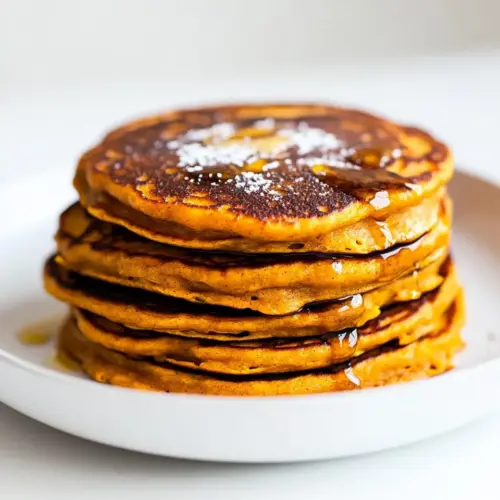
2 Ingredient Sweet Potato Pancakes
2 Ingredient Sweet Potato Pancakes are a creamy, easy breakfast that combines mashed sweet potatoes and eggs to create tender, naturally sweet pancakes. These cozy, gluten free friendly cakes brown to a golden crisp on the outside while staying soft inside, making them perfect for an easy weeknight breakfast or relaxed weekend brunch. Try them for a quick, nourishing morning treat that tastes like comfort.
Equipment
- Skillet
- Mixing Bowl
- Measuring Cup
- Spatula
Ingredients
- 1 cup sweet potatoes mashed (about 2 medium potatoes, peeled and cooked) Mashed to provide a naturally sweet, moist base that binds and flavors the pancakes while contributing a tender texture and vibrant color; helps keep the batter cohesive without added flour or sugar and adds nutrients like beta-carotene and fiber.
- 2 eggs Beaten to act as the primary binder and leavening contributor, creating structure and lift while setting the pancakes as they cook; supplies protein and moisture, enriching the batter and helping achieve a golden, custardy interior.
Instructions
- Combine the sweet potato and egg. Stir well. If desired, add 1/2 teaspoon cinnamon.: Right away you will notice the texture change, a soft, slightly sticky batter that smells faintly of roasted sweet potatoes . As you stir, watch for a uniform color and no large lumps, which means the eggs are fully incorporated. The sound is subtle, a quiet scraping of spoon on bowl, and you should feel the batter thicken slightly. This mixing step matters because even integration ensures each pancake cooks evenly and holds together. A common mistake is under mashing the sweet potatoes ; if pieces remain too chunky, they may not bind and can lead to a crumbly pancake. If you choose to add a pinch of cinnamon, fold it in here for gentle warmth.
- Lightly spray a skillet with non-stick spray and heat on medium heat. Pour about 1/4 cup of the batter into the pan. Cook about 3 to 4 minutes, or until pancakes begin to bubble in the center and the edges are dry. Carefully flip and cook for another 2 to 3 minutes. Once cooked, remove pancake from the pan and repeat the process until all the batter has been used. Grease the skillet as needed with non-stick spray in-between cooking the pancakes.: As the pan warms, you might notice a faint metallic warmth from the surface and a slight shimmer when the oil is ready. Test readiness by flicking a few drops of water, they should dance and evaporate quickly. Properly heating the skillet ensures the pancakes form an immediate crust that locks in moisture. If the pan is too cool, the pancakes spread thin and become greasy; if too hot, they can burn before the center cooks. Keep an eye on temperature and adjust now rather than later.
- Serve hot. If desired, top with maple syrup, honey, coconut butter, fresh fruit, or your favorite jam!: When the batter hits the skillet it should sizzle softly and spread into a round. The initial hiss indicates good contact and sets the edge while the center cooks. Use a measuring cup for consistent size, which helps with even cooking times. Visually, the surface will look wet and glossy at first, then matte as proteins set. A common error is pouring too much batter at once, leading to thick pancakes that cook unevenly, so stick to manageable portions.
- Cook about 3 to 4 minutes, or until pancakes begin to bubble in the center and the edges are dry: During this time you will see tiny bubbles rising on the surface and the edge will change from glossy to matte and slightly pull away. The underside should have developed golden brown spots; you can lift an edge gently to check. This sensory window is crucial because it signals the internal structure has set enough to flip without breaking. Avoid the temptation to flip early, or the center can remain undercooked and dense.
- Carefully flip and cook for another 2 to 3 minutes: After flipping, listen for a softer sizzle and watch the second side develop even browning. The aroma will shift to a deeper roasted sweetness, and the texture will tighten as the eggs finish coagulating. This finishing time ensures the interior is warmed through and the exterior is pleasantly crisp. A frequent mistake is flipping multiple times, which prevents a stable crust from forming.
- Once cooked, remove pancake from the pan and repeat the process until all the batter has been used: Stack the cooked pancakes on a plate and keep them warm if needed. As you continue, you may need to adjust pan heat slightly to maintain even browning, and reapply a quick spray of non stick to prevent sticking. Taste a finished pancake and note the balance of crisp edge to tender center, which guides your technique in later batches. Avoid overcrowding the pan, which can trap steam and produce soggy pancakes.
- Grease the skillet as needed with non stick spray in between cooking the pancakes: Periodically refreshing the pan surface prevents sticking and helps each pancake develop an even crust. The amount of spray required may vary with your pan, so watch the first few pancakes closely. Too much oil can fry the edges and make them greasy, while too little causes tearing and sticking. A light, even misting is usually all that is necessary.
- Serve hot: Serve immediately so the pancakes retain their tender interior and crisp edges. As they cool the texture becomes denser, so timing matters for best mouthfeel. Common serving mistakes include stacking too many while cold, which traps steam and softens the crust. If you like, top with maple style syrup, honey, coconut butter, fresh fruit, or jam, keeping in mind each topping will add moisture and sweetness to the finished bite.
Notes
- Add warming spices — Fold in a pinch of cinnamon or nutmeg into the batter for cozy aroma and subtle depth, but keep the quantity small so the sweet potato flavor remains dominant.
- Thin the batter carefully — If your batter is dense, add water or a neutral non dairy milk a teaspoon at a time until it pours gently, which improves spread and internal cook without diluting flavor.
- Control your heat — Start at medium and adjust down if the edges brown too quickly; a steady pan temperature yields even browning and a tender interior.
- Batch warming — Keep cooked pancakes on a wire rack in a low oven to maintain texture without trapping steam, which prevents sogginess when serving multiple people.
- Top with contrast — Bright toppings like a spoonful of tart fruit preserve or a squeeze of citrus can balance the natural sweetness, creating a more complex bite.