Sweet Cornbread Recipe
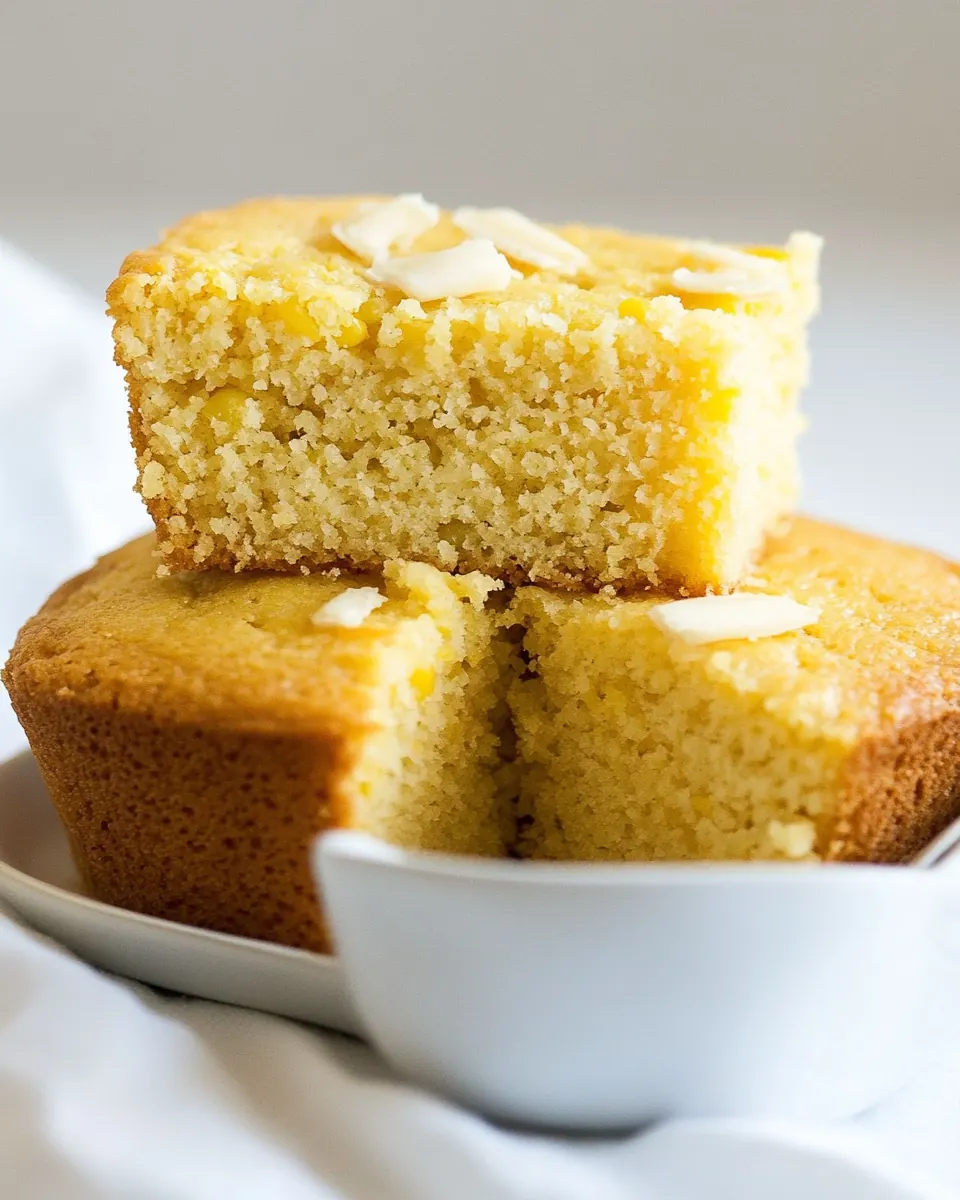
Sweet Cornbread Recipe is one of those loaves I reach for when the house smells like childhood, warm and buttery, with a hint of honeyed corn. I remember the first time I baked this for a church potluck, arriving with a foil covered pan and palms trembling because I wanted it to be perfect. The golden top cracked just so when I pulled it from the oven, and someone lifted a corner, steam rising in a soft curl. It felt like passing along a small, comforting secret.
Since then Sweet Cornbread Recipe has become my reliable companion on chilly evenings and busy weekends. I like to pair it with simple bowls of beans or a platter of roasted vegetables, but honestly I will stand at the counter and slice a warm square and eat it plain. The texture is slightly crumbly yet tender, the crumb dotted with fine cornmeal that gives a pleasant, rustic bite. I often think of hands that learned this from church cookbooks and family tables, and I try to honor that with careful stirring and a patient bake.
Every time I make Sweet Cornbread Recipe I learn something small about heat and timing. Ovens vary, so I listen for the faint pop as the batter settles and watch for a deep golden top that resists a gentle touch. I like the smell of browned butter and sugar coming together, a scent that promises a soft interior and caramelized edges. If you love easy, comforting bakes that travel well and feed a crowd, this is one to keep on repeat.
Recipe Snapshot
35 mins
10 mins
25 mins
Easy
300 kcal
American
Gluten-Free, Low FODMAP
Desserts
Oven, 9×13 casserole dish, Large bowl, Mixer or wooden spoon
Why You Need This Sweet Cornbread Recipe
Reliable Crowd Pleaser
I have served Sweet Cornbread Recipe to potlucks and family dinners, and it consistently disappears. The combination of cornmeal and flour creates a structure that holds together while still feeling tender, so guests can slice clean pieces without crumbling the whole pan. I love that it scales easily, which makes it my go to when I need something that feeds many without fuss.
Comforting Texture and Flavor
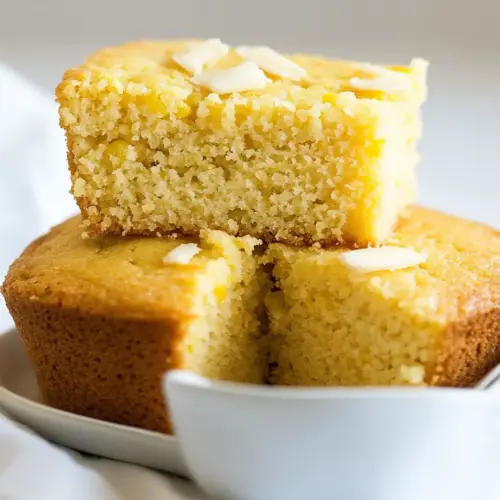
The balance here is between sweet and buttery, with a grainy but soft crumb from the cornmeal. That slight gritty quality is what gives this bread personality, while the softened butter and granulated sugar melt into the batter to create a tender, almost cake like interior. I always appreciate recipes that manage to be both nostalgic and refined at once.
Flexible Serving Options
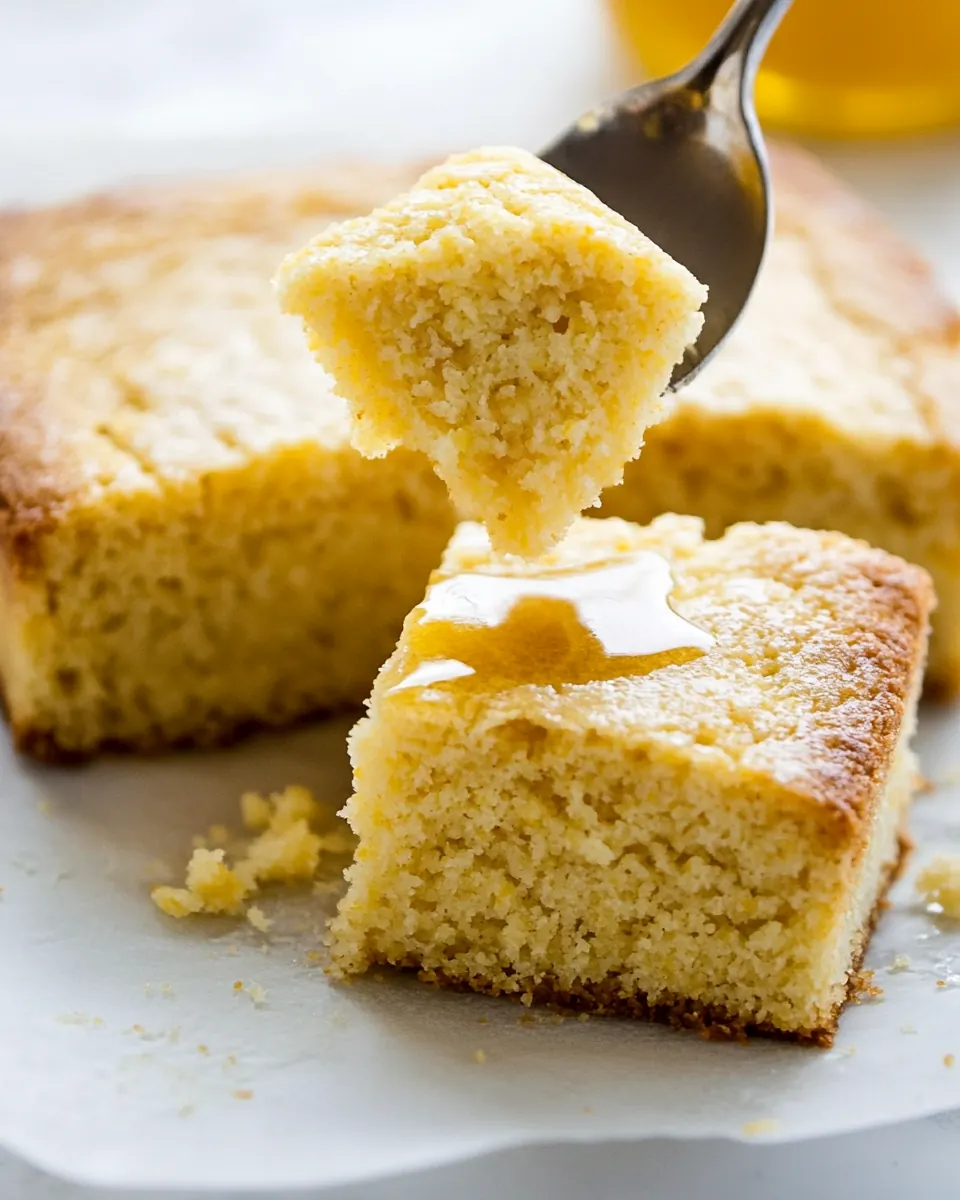
I often serve slices warm with a pat of butter or a drizzle of honey for a simple treat, but it’s equally happy alongside soups and stews. Because it holds moisture well, you can make it ahead and reheat gently without losing tenderness. I like recipes that adapt to my schedule, and this one definitely does.
Simple Techniques, Big Payoff
What I adore about Sweet Cornbread Recipe is that it uses straightforward mixing methods, yet rewards attention to details like creaming the butter and sugar properly and not over mixing the batter once the dry ingredients are added. These small steps make the difference between a dense loaf and a light, tender slice.
Time Tested and Trustworthy
This recipe traces back to a church cookbook tradition, and I trust it because it’s been refined by home bakers. That provenance gives it warmth and reliability. When I want a safe bet that will please both kids and adults, I reach for this one without hesitation.
Ingredients Required for Sweet Cornbread Recipe
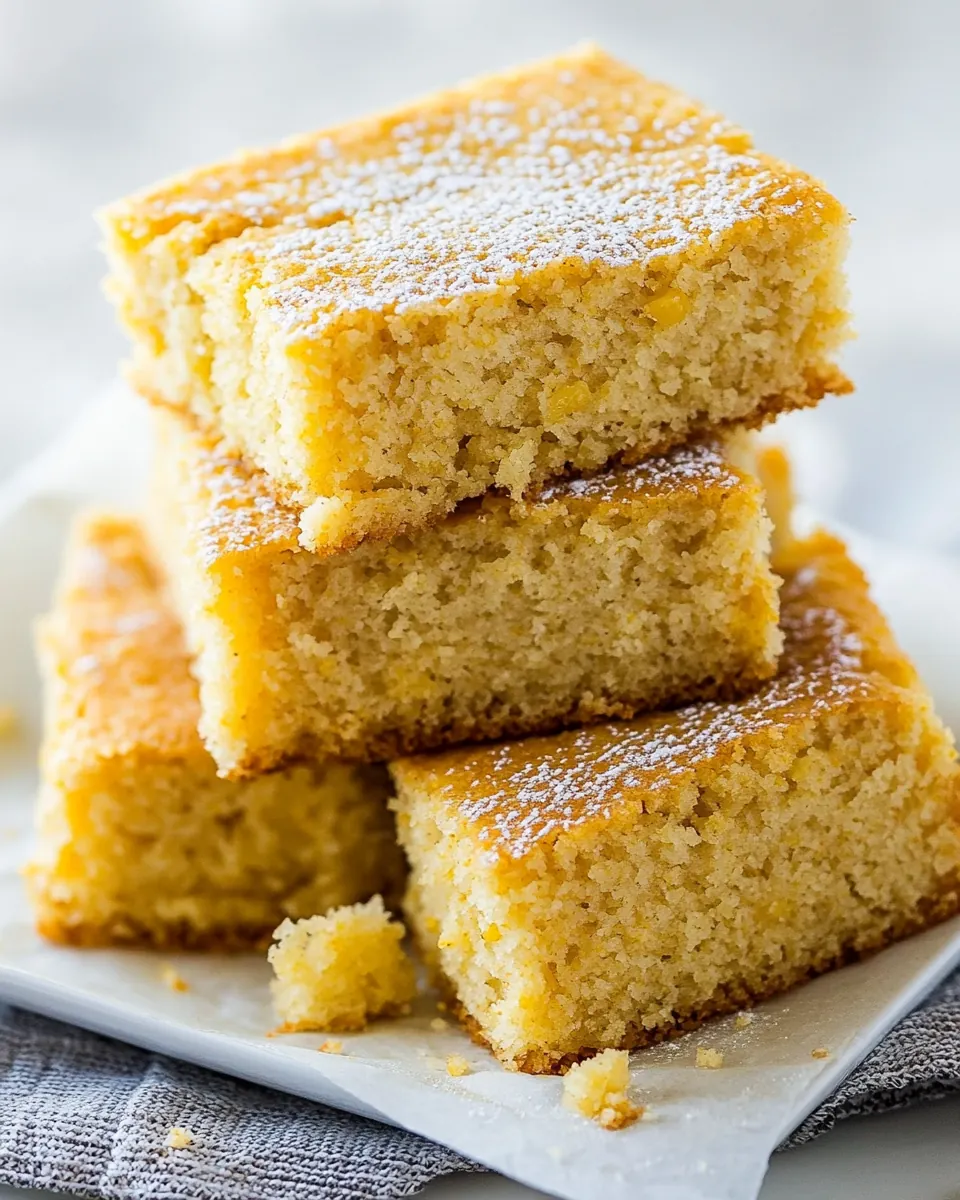
These ingredients work together to create a cornbread that is sweet, soft, and slightly rustic. The cornmeal gives texture and corn flavor, while the combination of flour and leaveners provides structure and lift. The dairy and eggs add moisture and richness, and butter and granulated sugar bring sweetness and browning. Each item plays a clear role in balancing tenderness with a crumb that slices well.
- 1 cup unsalted butter, softened: Cream and incorporate to add richness, moisture, and a tender crumb; softened texture makes it easy to blend with sugar and eggs for a smooth batter. Contributes buttery flavor that enhances overall taste and helps brown the cornbread during baking.
- 1 1/3 cup granulated sugar: Sweeten evenly and dissolve into batter to provide structure and caramelization; fine granulated sugar helps achieve a balanced sweetness without graininess. Also aids in browning and creating a slightly crisp top crust.
- 4 eggs: Whisk in to provide lift, structure, and moisture; eggs bind the ingredients together and contribute to a tender, cohesive crumb. Beat well to incorporate air for a lighter texture and to help leavening agents perform effectively.
- 1 teaspoons salt: Season and enhance flavors while balancing sweetness; salt strengthens the gluten matrix and accentuates other ingredients. Use measured amount to avoid overpowering the corn and butter flavors.
- 2 cups buttermilk, (see Note for easy substitution): Moisten and tenderize the batter while adding tangy acidity that reacts with baking soda; buttermilk creates a delicate crumb and subtle flavor depth. Substitute with a simple mixture (see Note) if buttermilk is unavailable, maintaining the acidic component for proper rise.
- 1 1/4 cups fine cornmeal, (found by the flour): Provide authentic corn flavor and slight grainy texture; fine cornmeal integrates with the flour to deliver characteristic cornbread taste and body. Use the fine grind specified for a smoother, more uniform batter and pleasant mouthfeel.
- 2 3/4 cups flour: Form the primary structure and bulk of the batter; all-purpose flour develops gluten for strength and crumb formation. Sift or whisk to remove lumps and ensure even distribution with the cornmeal and leaveners.
- 1 1/2 teaspoons baking powder: Leaven and add gentle lift to the cornbread; baking powder contributes both immediate and sustained rising power during baking. Measure accurately to avoid metallic or bitter aftertastes while ensuring proper rise.
- 1/2 teaspoon baking soda: React with acidic buttermilk to produce carbon dioxide for additional leavening; baking soda helps create an open, tender crumb when combined with the acid. Use sparingly to prevent soapy flavors and to balance the leavening system.
Step by Step Instructions for Sweet Cornbread Recipe
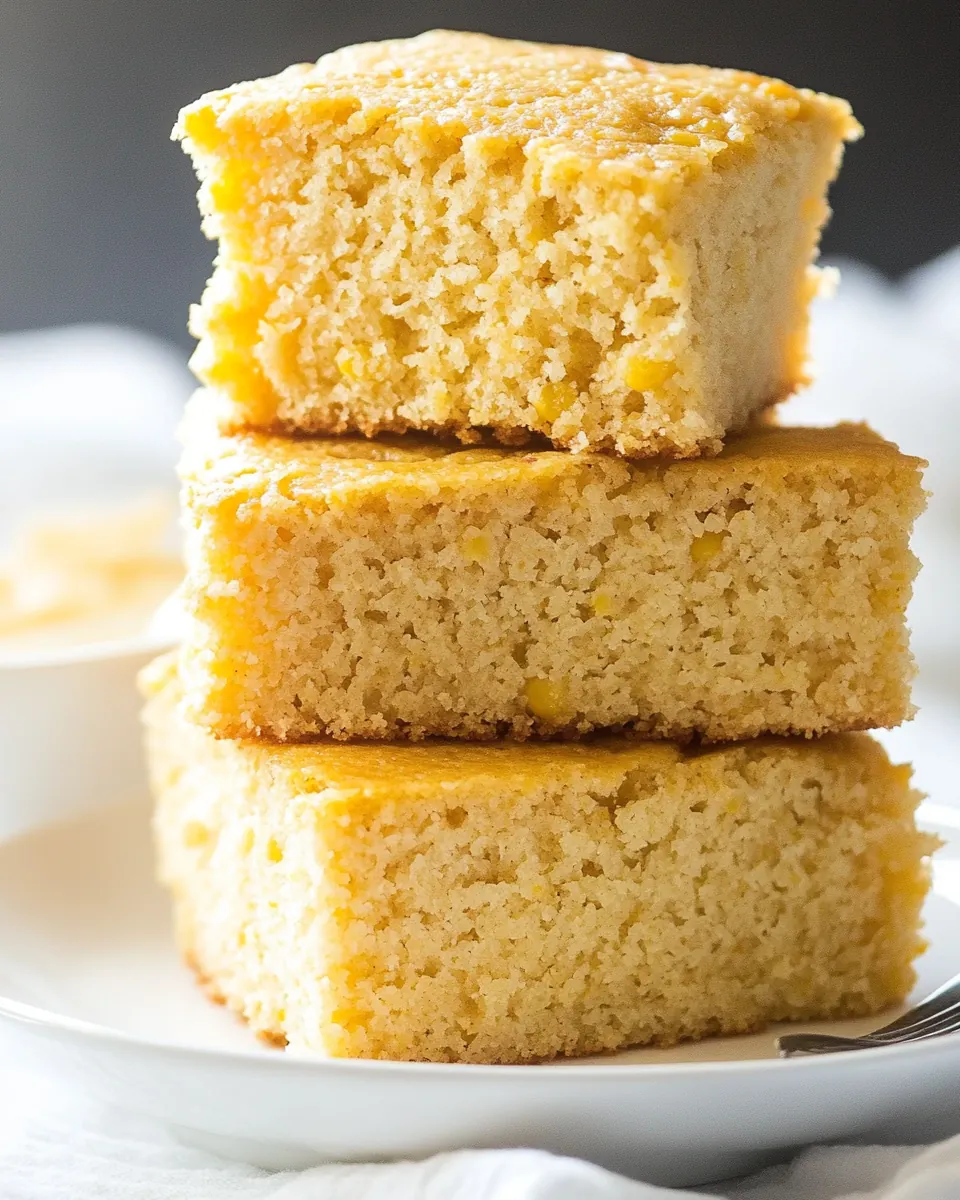
This recipe follows straightforward mixing and baking steps that reward attention to sensory cues. Read each step fully, then follow along in sequence. I’ll walk you through what to look for in texture, smell, and appearance so your Sweet Cornbread Recipe comes out consistent every time.
- Preheat oven to 350 degrees F. Grease a 9×13 casserole dish.: Warmth will spread through the batter evenly when the oven is at the right temperature, and greasing the pan ensures a clean release, so listen for the faint hum of the oven coming up to temp and notice the gentle dry heat when you open the door. If the oven is cooler than expected, the top may stay pale and the center will bake longer, so use an oven thermometer if you can. A common mistake is skipping greasing, which makes the edges stick and tear when you slice. Use a light coating of butter or oil, and line with parchment if you want an extra insurance against sticking.
- In a large bowl, cream the butter and sugar. Add the eggs and salt and mix until combined. Add the buttermilk and stir until thoroughly combined. Next, add the cornmeal, flour, baking powder, and baking soda to the wet ingredients. Mix to incorporate.: When you beat the softened butter and granulated sugar , aim for a texture that is pale and slightly fluffy, with the sugar partially dissolved into the fat. The sound will change from a thin slapping to a steady, thicker churn as air is incorporated, and the aroma becomes noticeably buttery and sweet. This step matters because those trapped air bubbles help lighten the final crumb. A frequent misstep is using too cold butter , which will leave lumps, or over beating so the mixture becomes overly soft and loses structure.
- In a large bowl, cream the butter and sugar. Add the eggs and salt and mix until combined. Add the buttermilk and stir until thoroughly combined. Next, add the cornmeal, flour, baking powder, and baking soda to the wet ingredients. Mix to incorporate.: After adding each egg , you should see the batter become silkier and more cohesive, with the occasional ribbon of beaten egg sinking smoothly into the mixture. The tiny crystals of salt will dissolve and brighten the aroma. Proper mixing avoids large streaks of raw egg , but over mixing can weaken the air pockets created earlier. One mistake to avoid is dumping all the eggs in cold from the fridge, which can cause the creamed mix to seize; bring eggs to room temperature for best results.
- Pour batter into prepared baking pan. Bake until golden. The cooking time will be different for every oven. START checking it for doneness at 25 minutes and bake longer until a golden-brown color if needed (up to 35 minutes).: Pour in the buttermilk steadily and you will notice the batter loosen and develop a gentle sheen, with a faint tang cutting through the sweet aroma. This liquid ensures tenderness and activates the baking soda , so even mixing matters to distribute acidity evenly. If you shake the bowl lightly you may hear a soft slosh as the batter becomes more fluid. A common error is adding all liquids at once into a frozen butter base, which can cause separation; temper the mixture gradually for a smooth result.
- Pour batter into prepared baking pan. Bake until golden. The cooking time will be different for every oven. START checking it for doneness at 25 minutes and bake longer until a golden-brown color if needed (up to 35 minutes).: As the dry cornmeal and flour go in, the batter will thicken and get textured, speckled with tiny granules of cornmeal . Fold with a gentle movement until you no longer see streaks of flour, then stop. You want a uniform color and a batter that falls slowly from a spoon in a ribbon, not one so beaten that the gluten tightens and makes the loaf tough. Over mixing at this stage is a frequent cause of a dense crumb, so combine just until homogeneous.
- Serve warm with butter and a drizzle of honey.: The batter should glisten as you pour, and it will settle into the pan with a smooth top that levels on its own. Tapping the pan gently on the counter releases trapped air and leaves a few small bubbles on the surface, which is normal. Getting the batter evenly distributed helps it bake evenly, avoiding thick spots that remain underdone. One mistake is filling pans inconsistently, which leads to uneven bake times and a center that stays moist while edges over brown.
- Bake until golden.: The oven will transform the batter into a loaf with a deep golden top and slightly firm edges; listen for a gentle crackle as the surface sets. Begin checking at 25 minutes by inserting a toothpick near the center, and look for a clean or mostly clean pick with a few moist crumbs. The aroma will shift from sweet butter to a toasted, almost nutty scent from the cornmeal . If the top browns too quickly, tent loosely with foil. A common pitfall is relying only on time, rather than visual and tactile cues, so trust the toothpick test and the color of the crust.
- The cooking time will be different for every oven. START checking it for doneness at 25 minutes and bake longer until a golden-brown color if needed (up to 35 minutes).: Variability in ovens means you need to monitor changes toward the end of the bake, watching for an even golden color and a slight spring when touched. The center should feel set but not rock hard, and the aroma will become intensely toasty. Leaving it in too long will dry it, so err on the side of checking early and often. One common oversight is opening the oven repeatedly early in the bake, which can lower the temperature and lengthen cooking time.
- Serve warm with butter and a drizzle of honey.: When you cut into a warm pan, steam should rise slightly, and the crumb will feel tender and moist to the touch. Spreading a pat of butter lets it melt into nooks, while a drizzle of honey adds a glossy sweetness that pairs with the corn notes. This immediate finish enhances texture and flavor; cold slices will firm up and have a different mouthfeel. A mistake to avoid is covering the pan tightly while still hot, which can trap steam and soften the crust excessively.
Expert Tips about Sweet Cornbread Recipe
I like to keep these tips handy when I bake Sweet Cornbread Recipe. They focus on technique, timing, and small adjustments that make a big difference in texture and flavor.
- Cream the butter and sugar properly to trap air, which yields a lighter crumb and better rise.
- Measure flour by spooning it into the cup and leveling to avoid a dry, dense loaf from too much flour.
- Use room temperature eggs and buttermilk so the batter emulsifies smoothly and the texture remains tender.
- Start checking at 25 minutes and rely on color and a toothpick test rather than a strict time to prevent over baking.
- Fine cornmeal gives a softer crumb, while coarse cornmeal adds texture; choose based on your preference.
- Grease the pan well or line with parchment to ensure easy removal and neat slices.
Serve This Sweet Cornbread Recipe With
Sweet Cornbread Recipe shines as both a side and a simple main when you want comfort food with minimal fuss. Below are serving ideas, pairings, and storage suggestions to help you plan meals around this loaf.
- Classic dinner pairing: Serve warm with a hearty bowl of bean stew or chili, letting the bread soak up broth and sauces, which creates a satisfying textural contrast.
- Potluck favorite: Bring a whole pan to gatherings, sliced and wrapped, so guests can grab a piece; it travels well and complements many dishes.
- Breakfast or brunch: Offer slices with softened butter and honey, alongside coffee or tea for a simple morning treat that feels indulgent.
- Storage tips: Keep cooled slices in an airtight container at room temperature for up to two days, or refrigerate for up to five days; reheat gently to restore tenderness.
- Occasion suggestions: Works well for family dinners, fall gatherings, and communal meals where a comforting, easy bread is welcome.
- Seasonal pairing: In autumn, pair with roasted root vegetables and warm spices for a cozy plate; in cooler months it complements braised dishes beautifully.
FAQ
Conclusion
This Sweet Cornbread Recipe stands out because it blends simple ingredients into a tender, golden loaf that feels like home. Give it a try when you want EASY, crowd friendly baking that rewards small attention to technique. I hope you enjoy the warm, buttery slices as much as I do; it’s the sort of recipe that becomes a quiet favorite at your table.
Sweet Cornbread Recipe
Equipment
- Oven
- 9x13 casserole dish
- Large Bowl
- Mixer or wooden spoon
Ingredients
- 1 cup unsalted butter, softened Cream and incorporate to add richness, moisture, and a tender crumb; softened texture makes it easy to blend with sugar and eggs for a smooth batter. Contributes buttery flavor that enhances overall taste and helps brown the cornbread during baking.
- 1 1/3 cup granulated sugar Sweeten evenly and dissolve into batter to provide structure and caramelization; fine granulated sugar helps achieve a balanced sweetness without graininess. Also aids in browning and creating a slightly crisp top crust.
- 4 eggs Whisk in to provide lift, structure, and moisture; eggs bind the ingredients together and contribute to a tender, cohesive crumb. Beat well to incorporate air for a lighter texture and to help leavening agents perform effectively.
- 1 teaspoons salt Season and enhance flavors while balancing sweetness; salt strengthens the gluten matrix and accentuates other ingredients. Use measured amount to avoid overpowering the corn and butter flavors.
- 2 cups buttermilk, (see Note for easy substitution) Moisten and tenderize the batter while adding tangy acidity that reacts with baking soda; buttermilk creates a delicate crumb and subtle flavor depth. Substitute with a simple mixture (see Note) if buttermilk is unavailable, maintaining the acidic component for proper rise.
- 1 1/4 cups fine cornmeal, (found by the flour) Provide authentic corn flavor and slight grainy texture; fine cornmeal integrates with the flour to deliver characteristic cornbread taste and body. Use the fine grind specified for a smoother, more uniform batter and pleasant mouthfeel.
- 2 3/4 cups flour Form the primary structure and bulk of the batter; all-purpose flour develops gluten for strength and crumb formation. Sift or whisk to remove lumps and ensure even distribution with the cornmeal and leaveners.
- 1 1/2 teaspoons baking powder Leaven and add gentle lift to the cornbread; baking powder contributes both immediate and sustained rising power during baking. Measure accurately to avoid metallic or bitter aftertastes while ensuring proper rise.
- 1/2 teaspoon baking soda React with acidic buttermilk to produce carbon dioxide for additional leavening; baking soda helps create an open, tender crumb when combined with the acid. Use sparingly to prevent soapy flavors and to balance the leavening system.
Instructions
- Preheat oven to 350 degrees F. Grease a 9×13 casserole dish.: Warmth will spread through the batter evenly when the oven is at the right temperature, and greasing the pan ensures a clean release, so listen for the faint hum of the oven coming up to temp and notice the gentle dry heat when you open the door. If the oven is cooler than expected, the top may stay pale and the center will bake longer, so use an oven thermometer if you can. A common mistake is skipping greasing, which makes the edges stick and tear when you slice. Use a light coating of butter or oil, and line with parchment if you want an extra insurance against sticking.
- In a large bowl, cream the butter and sugar. Add the eggs and salt and mix until combined. Add the buttermilk and stir until thoroughly combined. Next, add the cornmeal, flour, baking powder, and baking soda to the wet ingredients. Mix to incorporate.: When you beat the softened butter and granulated sugar , aim for a texture that is pale and slightly fluffy, with the sugar partially dissolved into the fat. The sound will change from a thin slapping to a steady, thicker churn as air is incorporated, and the aroma becomes noticeably buttery and sweet. This step matters because those trapped air bubbles help lighten the final crumb. A frequent misstep is using too cold butter , which will leave lumps, or over beating so the mixture becomes overly soft and loses structure.
- In a large bowl, cream the butter and sugar. Add the eggs and salt and mix until combined. Add the buttermilk and stir until thoroughly combined. Next, add the cornmeal, flour, baking powder, and baking soda to the wet ingredients. Mix to incorporate.: After adding each egg , you should see the batter become silkier and more cohesive, with the occasional ribbon of beaten egg sinking smoothly into the mixture. The tiny crystals of salt will dissolve and brighten the aroma. Proper mixing avoids large streaks of raw egg , but over mixing can weaken the air pockets created earlier. One mistake to avoid is dumping all the eggs in cold from the fridge, which can cause the creamed mix to seize; bring eggs to room temperature for best results.
- Pour batter into prepared baking pan. Bake until golden. The cooking time will be different for every oven. START checking it for doneness at 25 minutes and bake longer until a golden-brown color if needed (up to 35 minutes).: Pour in the buttermilk steadily and you will notice the batter loosen and develop a gentle sheen, with a faint tang cutting through the sweet aroma. This liquid ensures tenderness and activates the baking soda , so even mixing matters to distribute acidity evenly. If you shake the bowl lightly you may hear a soft slosh as the batter becomes more fluid. A common error is adding all liquids at once into a frozen butter base, which can cause separation; temper the mixture gradually for a smooth result.
- Pour batter into prepared baking pan. Bake until golden. The cooking time will be different for every oven. START checking it for doneness at 25 minutes and bake longer until a golden-brown color if needed (up to 35 minutes).: As the dry cornmeal and flour go in, the batter will thicken and get textured, speckled with tiny granules of cornmeal . Fold with a gentle movement until you no longer see streaks of flour, then stop. You want a uniform color and a batter that falls slowly from a spoon in a ribbon, not one so beaten that the gluten tightens and makes the loaf tough. Over mixing at this stage is a frequent cause of a dense crumb, so combine just until homogeneous.
- Serve warm with butter and a drizzle of honey.: The batter should glisten as you pour, and it will settle into the pan with a smooth top that levels on its own. Tapping the pan gently on the counter releases trapped air and leaves a few small bubbles on the surface, which is normal. Getting the batter evenly distributed helps it bake evenly, avoiding thick spots that remain underdone. One mistake is filling pans inconsistently, which leads to uneven bake times and a center that stays moist while edges over brown.
- Bake until golden.: The oven will transform the batter into a loaf with a deep golden top and slightly firm edges; listen for a gentle crackle as the surface sets. Begin checking at 25 minutes by inserting a toothpick near the center, and look for a clean or mostly clean pick with a few moist crumbs. The aroma will shift from sweet butter to a toasted, almost nutty scent from the cornmeal . If the top browns too quickly, tent loosely with foil. A common pitfall is relying only on time, rather than visual and tactile cues, so trust the toothpick test and the color of the crust.
- The cooking time will be different for every oven. START checking it for doneness at 25 minutes and bake longer until a golden-brown color if needed (up to 35 minutes).: Variability in ovens means you need to monitor changes toward the end of the bake, watching for an even golden color and a slight spring when touched. The center should feel set but not rock hard, and the aroma will become intensely toasty. Leaving it in too long will dry it, so err on the side of checking early and often. One common oversight is opening the oven repeatedly early in the bake, which can lower the temperature and lengthen cooking time.
- Serve warm with butter and a drizzle of honey.: When you cut into a warm pan, steam should rise slightly, and the crumb will feel tender and moist to the touch. Spreading a pat of butter lets it melt into nooks, while a drizzle of honey adds a glossy sweetness that pairs with the corn notes. This immediate finish enhances texture and flavor; cold slices will firm up and have a different mouthfeel. A mistake to avoid is covering the pan tightly while still hot, which can trap steam and soften the crust excessively.
Notes
- Cream the butter and sugar properly to trap air, which yields a lighter crumb and better rise.
- Measure flour by spooning it into the cup and leveling to avoid a dry, dense loaf from too much flour.
- Use room temperature eggs and buttermilk so the batter emulsifies smoothly and the texture remains tender.
- Start checking at 25 minutes and rely on color and a toothpick test rather than a strict time to prevent over baking.
- Fine cornmeal gives a softer crumb, while coarse cornmeal adds texture; choose based on your preference.
- Grease the pan well or line with parchment to ensure easy removal and neat slices.