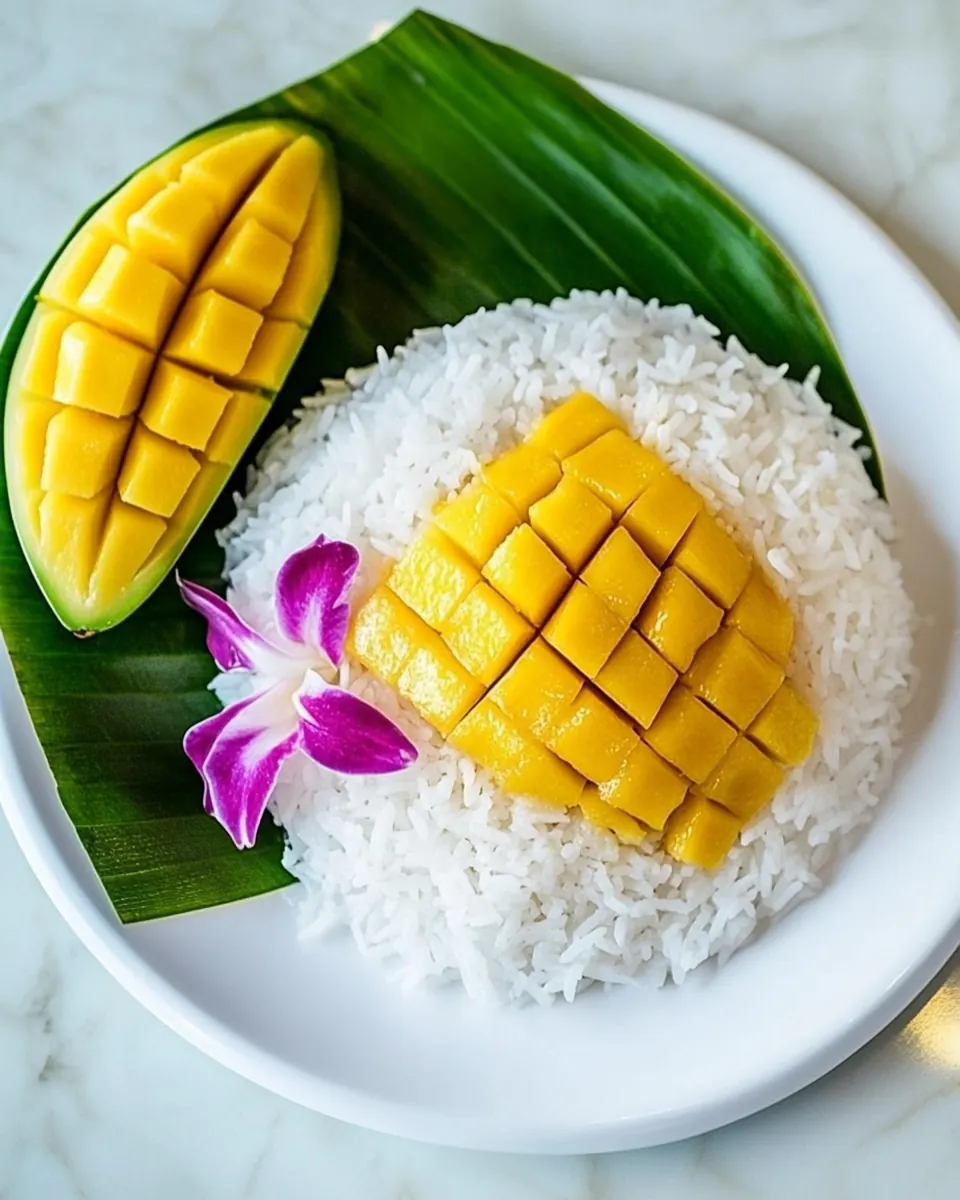
Sticky Mango Rice
Sticky Mango Rice is one of those simple, heartwarming desserts that always brings me back to sunny markets and late nights spent savoring bright fruit and creamy rice.
I first fell for Sticky Mango Rice on a humid summer evening when a vendor handed me a scoop on a banana leaf, steam still rising and the sweet scent of coconut milk mingling with ripe mango. That first bite was a revelation, soft glutinous (sticky) rice yielding beneath a glossy drizzle of coconut cream, while the mango added a juicy, floral counterpoint. I wanted to recreate that exact balance at home, and over the years I learned how important small choices are, like rinsing the rice until the water runs clear and gently thickening the topping so it clings to every grain.
Now I make Sticky Mango Rice whenever I need to end a meal on a note that feels both special and utterly relaxed. It’s a dessert I bring to potlucks, one I serve after spicy dinners, and one I keep in my mental toolkit for summer gatherings. The technique feels almost meditative with its patient soaking and careful steaming, yet the result is immediate comfort. I hope sharing this version helps you recreate that market stall magic at your table.
Recipe Snapshot
6 hr 45 mins
375 mins
30 mins
Hard
300 kcal
Thai
Gluten-Free, Low FODMAP
Desserts
Steamer, Cheesecloth, Small saucepan, Large bowl
Why You’ll Love This Sticky Mango Rice
Iconic Flavor Contrast
The success of Sticky Mango Rice rests on the interplay between the subtly salty, rich coconut milk and the bright, sugary mango. I love how the creamy sauce reframes the rice from plain starch to something luxuriously tropical. That salt tip is small, but it lifts every other note so the sweetness never feels cloying.
Comforting Texture
When done right, the glutinous (sticky) rice is tender, slightly chewy, and glossy. I find that the gentle steaming method keeps the grains intact while delivering the addictive mouthfeel that defines the dish. You can almost hear the soft clump when you scoop it, and that texture keeps people reaching for more.
Simple, Few Ingredients
This recipe shines because it uses very few, familiar components: rice, coconut milk, sugar, a little salt, and ripe mango. I appreciate recipes that trust a handful of quality ingredients rather than masking flavors with complexity. It makes it approachable for cooks at every level.
Flexible and Seasonal
While I mention pandan leaves as optional, they add an aromatic lift when available, and the recipe adapts to what you have. Serving it during summer with perfectly ripe mango is sublime, but the method works year round when you find a sweet, fragrant fruit.
Shareable and Memorable
I keep returning to this dessert because it’s great for sharing, yet feels special enough to bring out for celebrations. It’s the kind of dish that sparks conversation, nostalgia, and requests for seconds, which is why I continue to make it whenever the season allows.
Ingredients Overview for Sticky Mango Rice
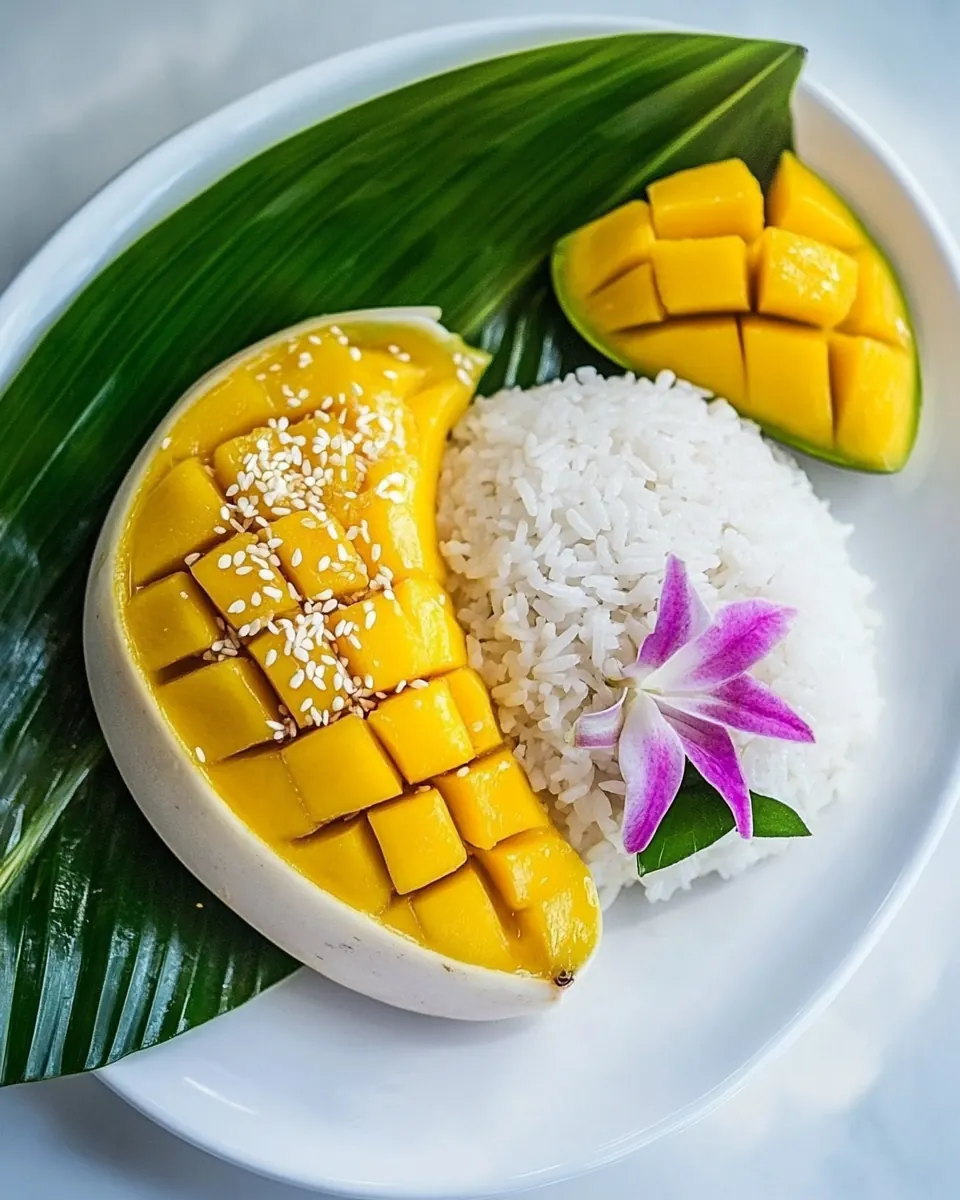
These ingredients form a short, focused team that achieves big impact. The glutinous (sticky) rice provides a chewy canvas, the coconut milk brings luscious fat and aroma, and sugar and salt balance sweet and savory. Optional pandan leaves contribute floral notes when available, while ripe mango offers fresh juiciness. Each player is essential to the classic texture and flavor harmony.
- 200 g glutinous (sticky) rice: Soak and steam to create the characteristic chewy base of the dish, absorbing flavor while retaining a sticky texture; needs thorough rinsing and several hours of soaking for best results.
- 300 ml coconut milk: Enrich and moisten the rice while lending a creamy, slightly sweet background; heat gently with sugar and a portion of salt to melt and integrate flavors before folding into cooked rice.
- 150 g sugar: Sweeten and balance the dish by dissolving into the coconut milk so sweetness is evenly distributed; adjust amount slightly if mangoes are very sweet or tart.
- 1 1/4 tsp salt (divided): Season and enhance the overall flavor profile, with part added to the coconut milk and part mixed into cooked rice for balanced saltiness; measure carefully since only a small amount is needed.
- 1 tsp rice flour: Thicken the coconut sauce slightly when mixed with a little water and heated, giving the topping a glossy, clingy finish that coats the rice nicely.
- 4 5 pandan leaves (optional): Infuse a subtle floral, grassy aroma when tied and simmered with coconut milk, contributing an authentic Southeast Asian fragrance though optional if unavailable.
- ripe mango sliced – for serving: Provide a bright, juicy contrast and natural sweetness to the sticky rice, sliced and served alongside or on top to complete the classic presentation.
Preparation Steps for Sticky Mango Rice
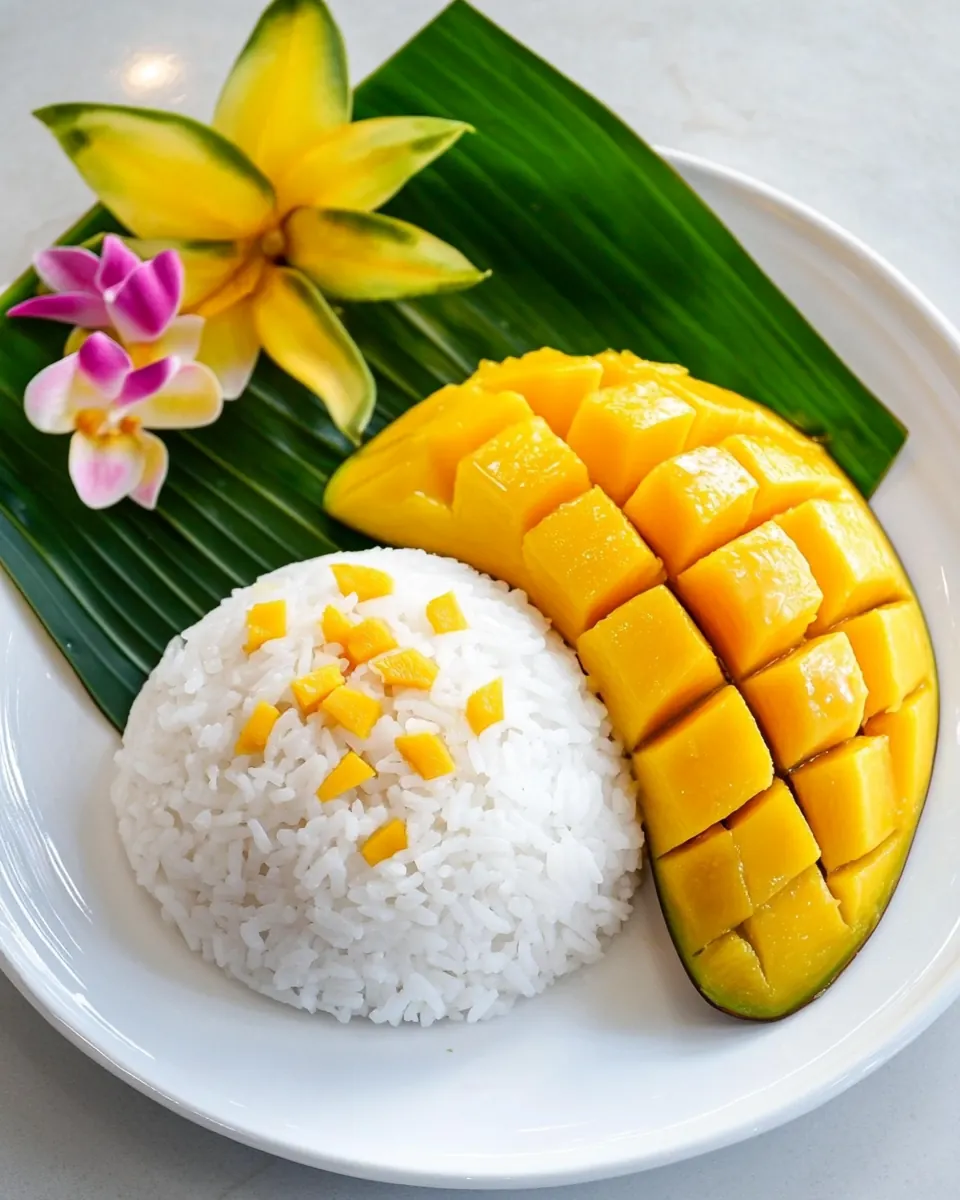
I love the rhythm of preparing this dessert, starting with quiet, deliberate rinsing and ending with the comforting ritual of pouring coconut over steaming rice. Below I expand each direction into thorough, sensory rich steps so you can reproduce the exact textures and aromas that make this dish memorable.
- Rinse the sticky rice several times until the water runs clear. Soak overnight (or for at least 6 hours).: The first thing you will notice while rinsing the rice is the cloudy water clearing to nearly translucent, a visual cue that surface starch is gone and the grains will steam up individually rather than clumping into a paste. Soaking hydrates the interior of each grain so the final texture is tender all the way through, not chalky in the center. I like to swish the rice vigorously in a large bowl, pour off the cloudy water, and repeat until it runs clear, then let it sit submerged overnight in cool water. Allowing at least 6 hours reduces steaming time and produces a more uniform chew. A typical mistake is cutting soaking time short, which leads to undercooked, grainy centers after steaming. If you’re pressed for time, extend the steaming, but be careful not to oversteam the exterior while waiting for the middle to finish, as that can make the outside too soft.
- Bring water to a boil in a steamer.: As you prepare to steam, set a pot with a steamer basket over medium high heat until the water reaches a vigorous simmer, which you can hear as steady, rolling bubbles and see as rising steam. The intensity of the steam is crucial for even cooking; gentle simmering will not transfer enough heat through the cloth to tenderize the grains. I watch for a strong, steady plume of steam and adjust the heat so it stays consistent. Too low and the rice will be undercooked, too high and the water may splash or evaporate too quickly. Keep an eye on the water level, topping it up with hot water if needed so steaming remains steady for the full time.
- Drain the soaked rice and wrap it in cheesecloth. Steam over boiling water with 1–2 pandan leaves on top (optional) for about 30 minutes, or until the rice is tender and translucent.: Handling the soaked rice feels satisfying, the weight slightly heavier from absorbed water. Transfer it to a colander to drain, then wrap loosely in damp cheesecloth to hold it together while allowing steam to circulate. If you use pandan leaves , tuck them on top for a gentle aromatic infusion that perfumes the grains. During steaming, the rice will change from opaque to a translucent sheen, and you may see faintly visible separated grains when it’s done. I test by tasting a small spoonful for a tender center and a slightly chewy bite. Avoid lifting the lid too often, as that releases heat and slows cooking; opening the steamer repeatedly is a common error that lengthens cooking time and can yield uneven texture.
- Set aside 3/4 cup (150 ml) of the coconut milk for the topping.: Before you heat any coconut, measure and reserve the portion intended for the topping. This reserved coconut milk will be whisked with rice flour later to create a glossy, clingy sauce. The aroma at this stage is sweet and tropical; taking this moment to separate the quantities keeps the balance right. If you skip reserving this amount, you may not have enough to make a luscious topping, or you could end up diluting the rice soaking mixture, changing the final mouthfeel.
- In a small pot, combine the remaining coconut milk with sugar and 1 tsp of salt. Add 2–3 pandan leaves (optional).: Warming the main portion of coconut milk with sugar and the larger share of salt creates the sweet soak that the steamed rice will absorb. Heat gently over medium low so the sugar dissolves evenly and the aroma of coconut blossoms gently, especially if you’ve added pandan leaves . This mixture should be warm and fragrant, not boiling; high heat can cause the fat to separate and the texture to become grainy. A frequent misstep is overheating, which alters the rich mouthcoating quality we want.
- Heat gently over medium-low, stirring until the sugar fully dissolves. Do not let it boil hard. Remove from heat and discard pandan leaves.: While stirring, you’ll notice the sugar melting and the liquid becoming smooth, with a satiny sheen that catches the light. This is the stage to remove it from the heat so the coconut does not split. The smell will be warm and sweet, with an herbal whisper if you used pandan leaves . After removing the leaves, taste for balance; the small measure of salt should brighten the sweetness. If you overcook to a boil, the fat can separate and create an oily layer, which affects mouthfeel.
- Transfer the hot sticky rice to a large bowl. While still warm, pour the sweetened coconut milk over the rice.: When you move the steamed rice into a bowl, you’ll see steam rising and the grains glistening. Pour the warm coconut mixture evenly over the rice so every grain can start absorbing flavor immediately. The heat and moisture promote absorption, and the aroma will become almost intoxicating as coconut melds with the grain. Stir gently to distribute, but avoid aggressive mixing that can break the grains. One common issue is adding cold liquid to hot rice which shocks the texture, so keep the sauce warm for proper melding.
- Stir to combine, then cover and let rest for 15 minutes so the rice can absorb the coconut flavor.: As the mixture rests, the rice will take on the coconut’s sheen and fragrance. This 15 minute pause is when the magic happens, as heat and time let the flavors marry and the grains reach their final tender chew. I cover the bowl to trap steam and warmth, which improves absorption. Rushing this rest will leave the rice less flavorful and slightly dryer, so resist the urge to serve immediately.
- In a small saucepan, whisk together the reserved 3/4 cup of coconut milk, rice flour, and the remaining 1/4 tsp salt.: This step creates the thickened topping that will sit glossy on the rice. Whisking the rice flour into the reserved coconut milk smooths out any lumps, producing a silky base. The mixture should be completely homogeneous before it hits heat, otherwise you risk clumps. Mixing by hand until smooth is calming work and sets up the right consistency for the next stage.
- Cook over low heat, stirring constantly, until slightly thickened and gently bubbling. Remove from heat.: As you warm this mixture, it will slowly thicken and gain a glossy sheen, and you will see tiny bubbles at the edges when it is ready. Constant stirring prevents sticking and ensures the rice flour cooks through to remove any raw starchy taste. The aroma becomes richer and creamier as it concentrates. Overcooking will make the sauce too stiff, so pull it off as soon as it reaches a ribbon like thickness that coats the spoon.
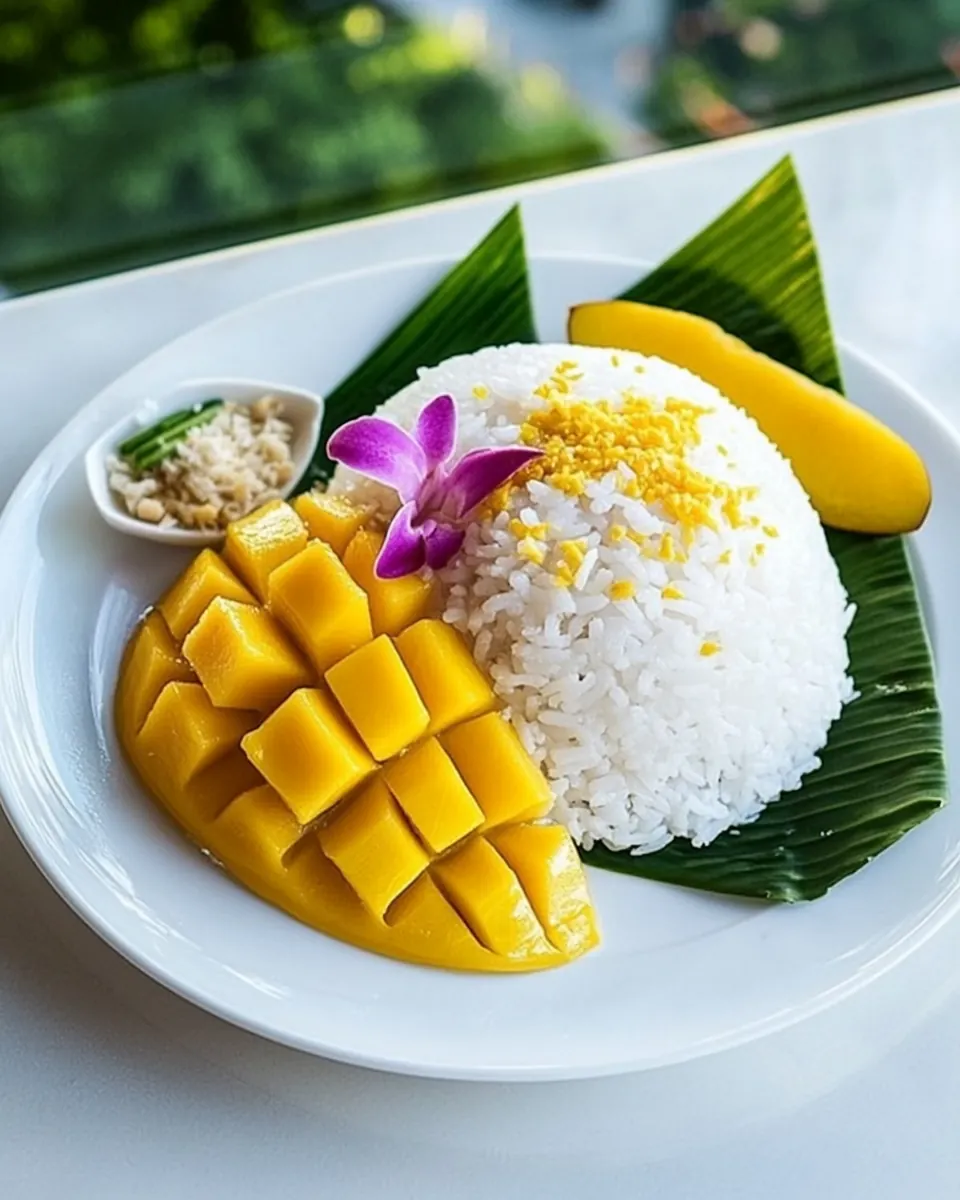
- Scoop the sticky rice onto a plate.: Serve the warm rice in a neat mound or an oval scoop so it presents well next to the fruit. The rice should be moist, glossy, and slightly clinging together. Use a wet spoon to shape the portion for clean presentation. A frequent mistake is packing it too tightly, which removes the light texture; aim for a cohesive but tender mound.
- Drizzle with the coconut cream topping.: Pour the slightly thickened cream over the rice so it forms a shiny veil across the top, slowly sinking into crevices and coating grains. The contrast between the dense cream and the airy rice is delightful, with mouth coating richness balanced by the sticky chew. Go easy with the amount so the rice isn’t drenched, keeping the balance of texture and flavor.
- Serve alongside sliced ripe mango.: Arrange fresh mango slices beside the rice so each bite can combine the creamy, sweet coconut with bright fruit. The mango should be fragrant and yielding to the touch, offering juicy bursts that cut through the cream. Serve immediately while warm for the best contrast. Avoid using underripe mango , which will introduce tartness and a firmer texture that clashes with the gentle rice.
Variations to Try
I love exploring small variations that respect the spirit of Sticky Mango Rice while introducing new textures or aromas. Below are thoughtful tweaks that keep the core intact yet offer fresh perspectives, each expanded into its own idea so you can pick what fits your pantry and taste.
- Use toasted sesame seeds: Lightly toast a few teaspoons of sesame seeds and sprinkle them just before serving for a nutty crunch that contrasts the creamy coconut milk and soft rice.
- Swap in brown sugar: Replace part or all of the sugar with brown sugar for a deeper, caramel like note in the coconut soak, which adds complexity without overwhelming the mango.
- Try a pandan infusion: Tie pandan leaves into a knot and steep them in the coconut milk while warming to impart a floral, jasmine like aroma that feels authentic and aromatic.
- Chill the mango for contrast: Serve the mango slightly chilled against the warm rice for a temperature contrast that heightens texture perception and refreshes the palate.
- Adjust the topping thickness: Vary the rice flour a little to make the coconut cream thinner or thicker depending on whether you prefer a pourable glaze or a pudding like topping.
Side Dish Ideas for Sticky Mango Rice
This dessert pairs beautifully with light meals and seasonal gatherings. Below I outline serving styles, occasions, and storage strategies so you can present Sticky Mango Rice in ways that feel thoughtful and practical.
- Casual summer supper: Serve Sticky Mango Rice after grilled vegetables and a fresh salad as a cool, sweet ending that complements smoky savory mains.
- Festive gatherings: Present the dish on a platter with multiple mango varieties and small portions so guests can sample and return for seconds during celebrations.
- Ramadan iftar option: Offer it as a gentle, energy rich dessert to break a fast, pairing it with dates and a light soup earlier in the meal to balance flavors.
- Storing like a pro: Keep leftover rice refrigerated in an airtight container for up to two days. Rewarm gently with a splash of coconut milk to revive moisture before serving.
- Seasonal pairings: In peak summer, choose fragrant, fully ripe mango and serve the dish with a simple iced tea to refresh the palate between bites.
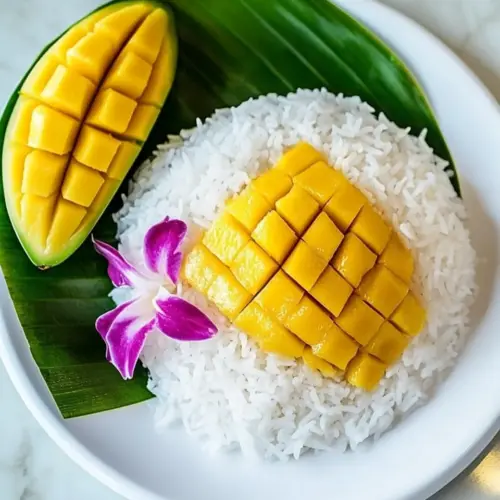
- Presentation tip: Serve on banana leaves or a shallow dish, arranging the sliced mango so its color pops against the glossy rice, and finish with a light sprinkle of toasted seeds if desired.
FAQ
Conclusion
Sticky Mango Rice stands out for its perfect balance of creamy coconut, tender glutinous rice, and bright ripe mango, creating a dessert that feels both exotic and comforting. Give it a try when mangoes are at their peak, and you’ll find the simple technique yields something memorable and shareable. I encourage you to savor the process, from rinsing the rice to drizzling the glossy coconut topping, and enjoy how a few quality ingredients transform into a dish that keeps guests asking for more.
Sticky Mango Rice
Equipment
- Steamer
- Cheesecloth
- Small Saucepan
- Large Bowl
Ingredients
- 200 g glutinous (sticky) rice Soak and steam to create the characteristic chewy base of the dish, absorbing flavor while retaining a sticky texture; needs thorough rinsing and several hours of soaking for best results.
- 300 ml coconut milk Enrich and moisten the rice while lending a creamy, slightly sweet background; heat gently with sugar and a portion of salt to melt and integrate flavors before folding into cooked rice.
- 150 g sugar Sweeten and balance the dish by dissolving into the coconut milk so sweetness is evenly distributed; adjust amount slightly if mangoes are very sweet or tart.
- 1 1/4 tsp salt (divided) Season and enhance the overall flavor profile, with part added to the coconut milk and part mixed into cooked rice for balanced saltiness; measure carefully since only a small amount is needed.
- 1 tsp rice flour Thicken the coconut sauce slightly when mixed with a little water and heated, giving the topping a glossy, clingy finish that coats the rice nicely.
- 4 -5 pandan leaves optional Infuse a subtle floral, grassy aroma when tied and simmered with coconut milk, contributing an authentic Southeast Asian fragrance though optional if unavailable.
- ripe mango sliced – for serving Provide a bright, juicy contrast and natural sweetness to the sticky rice, sliced and served alongside or on top to complete the classic presentation.
Instructions
- Rinse the sticky rice several times until the water runs clear. Soak overnight (or for at least 6 hours).: The first thing you will notice while rinsing the rice is the cloudy water clearing to nearly translucent, a visual cue that surface starch is gone and the grains will steam up individually rather than clumping into a paste. Soaking hydrates the interior of each grain so the final texture is tender all the way through, not chalky in the center. I like to swish the rice vigorously in a large bowl, pour off the cloudy water, and repeat until it runs clear, then let it sit submerged overnight in cool water. Allowing at least 6 hours reduces steaming time and produces a more uniform chew. A typical mistake is cutting soaking time short, which leads to undercooked, grainy centers after steaming. If you’re pressed for time, extend the steaming, but be careful not to oversteam the exterior while waiting for the middle to finish, as that can make the outside too soft.
- Bring water to a boil in a steamer.: As you prepare to steam, set a pot with a steamer basket over medium high heat until the water reaches a vigorous simmer, which you can hear as steady, rolling bubbles and see as rising steam. The intensity of the steam is crucial for even cooking; gentle simmering will not transfer enough heat through the cloth to tenderize the grains. I watch for a strong, steady plume of steam and adjust the heat so it stays consistent. Too low and the rice will be undercooked, too high and the water may splash or evaporate too quickly. Keep an eye on the water level, topping it up with hot water if needed so steaming remains steady for the full time.
- Drain the soaked rice and wrap it in cheesecloth. Steam over boiling water with 1–2 pandan leaves on top (optional) for about 30 minutes, or until the rice is tender and translucent.: Handling the soaked rice feels satisfying, the weight slightly heavier from absorbed water. Transfer it to a colander to drain, then wrap loosely in damp cheesecloth to hold it together while allowing steam to circulate. If you use pandan leaves , tuck them on top for a gentle aromatic infusion that perfumes the grains. During steaming, the rice will change from opaque to a translucent sheen, and you may see faintly visible separated grains when it’s done. I test by tasting a small spoonful for a tender center and a slightly chewy bite. Avoid lifting the lid too often, as that releases heat and slows cooking; opening the steamer repeatedly is a common error that lengthens cooking time and can yield uneven texture.
- Set aside 3/4 cup (150 ml) of the coconut milk for the topping.: Before you heat any coconut, measure and reserve the portion intended for the topping. This reserved coconut milk will be whisked with rice flour later to create a glossy, clingy sauce. The aroma at this stage is sweet and tropical; taking this moment to separate the quantities keeps the balance right. If you skip reserving this amount, you may not have enough to make a luscious topping, or you could end up diluting the rice soaking mixture, changing the final mouthfeel.
- In a small pot, combine the remaining coconut milk with sugar and 1 tsp of salt. Add 2–3 pandan leaves (optional).: Warming the main portion of coconut milk with sugar and the larger share of salt creates the sweet soak that the steamed rice will absorb. Heat gently over medium low so the sugar dissolves evenly and the aroma of coconut blossoms gently, especially if you’ve added pandan leaves . This mixture should be warm and fragrant, not boiling; high heat can cause the fat to separate and the texture to become grainy. A frequent misstep is overheating, which alters the rich mouthcoating quality we want.
- Heat gently over medium-low, stirring until the sugar fully dissolves. Do not let it boil hard. Remove from heat and discard pandan leaves.: While stirring, you’ll notice the sugar melting and the liquid becoming smooth, with a satiny sheen that catches the light. This is the stage to remove it from the heat so the coconut does not split. The smell will be warm and sweet, with an herbal whisper if you used pandan leaves . After removing the leaves, taste for balance; the small measure of salt should brighten the sweetness. If you overcook to a boil, the fat can separate and create an oily layer, which affects mouthfeel.
- Transfer the hot sticky rice to a large bowl. While still warm, pour the sweetened coconut milk over the rice.: When you move the steamed rice into a bowl, you’ll see steam rising and the grains glistening. Pour the warm coconut mixture evenly over the rice so every grain can start absorbing flavor immediately. The heat and moisture promote absorption, and the aroma will become almost intoxicating as coconut melds with the grain. Stir gently to distribute, but avoid aggressive mixing that can break the grains. One common issue is adding cold liquid to hot rice which shocks the texture, so keep the sauce warm for proper melding.
- Stir to combine, then cover and let rest for 15 minutes so the rice can absorb the coconut flavor.: As the mixture rests, the rice will take on the coconut’s sheen and fragrance. This 15 minute pause is when the magic happens, as heat and time let the flavors marry and the grains reach their final tender chew. I cover the bowl to trap steam and warmth, which improves absorption. Rushing this rest will leave the rice less flavorful and slightly dryer, so resist the urge to serve immediately.
- In a small saucepan, whisk together the reserved 3/4 cup of coconut milk, rice flour, and the remaining 1/4 tsp salt.: This step creates the thickened topping that will sit glossy on the rice. Whisking the rice flour into the reserved coconut milk smooths out any lumps, producing a silky base. The mixture should be completely homogeneous before it hits heat, otherwise you risk clumps. Mixing by hand until smooth is calming work and sets up the right consistency for the next stage.
- Cook over low heat, stirring constantly, until slightly thickened and gently bubbling. Remove from heat.: As you warm this mixture, it will slowly thicken and gain a glossy sheen, and you will see tiny bubbles at the edges when it is ready. Constant stirring prevents sticking and ensures the rice flour cooks through to remove any raw starchy taste. The aroma becomes richer and creamier as it concentrates. Overcooking will make the sauce too stiff, so pull it off as soon as it reaches a ribbon like thickness that coats the spoon.
- Scoop the sticky rice onto a plate.: Serve the warm rice in a neat mound or an oval scoop so it presents well next to the fruit. The rice should be moist, glossy, and slightly clinging together. Use a wet spoon to shape the portion for clean presentation. A frequent mistake is packing it too tightly, which removes the light texture; aim for a cohesive but tender mound.
- Drizzle with the coconut cream topping.: Pour the slightly thickened cream over the rice so it forms a shiny veil across the top, slowly sinking into crevices and coating grains. The contrast between the dense cream and the airy rice is delightful, with mouth coating richness balanced by the sticky chew. Go easy with the amount so the rice isn’t drenched, keeping the balance of texture and flavor.
- Serve alongside sliced ripe mango.: Arrange fresh mango slices beside the rice so each bite can combine the creamy, sweet coconut with bright fruit. The mango should be fragrant and yielding to the touch, offering juicy bursts that cut through the cream. Serve immediately while warm for the best contrast. Avoid using underripe mango , which will introduce tartness and a firmer texture that clashes with the gentle rice.
Notes
- Use toasted sesame seeds: Lightly toast a few teaspoons of sesame seeds and sprinkle them just before serving for a nutty crunch that contrasts the creamy coconut milk and soft rice.
- Swap in brown sugar: Replace part or all of the sugar with brown sugar for a deeper, caramel like note in the coconut soak, which adds complexity without overwhelming the mango.
- Try a pandan infusion: Tie pandan leaves into a knot and steep them in the coconut milk while warming to impart a floral, jasmine like aroma that feels authentic and aromatic.
- Chill the mango for contrast: Serve the mango slightly chilled against the warm rice for a temperature contrast that heightens texture perception and refreshes the palate.
- Adjust the topping thickness: Vary the rice flour a little to make the coconut cream thinner or thicker depending on whether you prefer a pourable glaze or a pudding like topping.