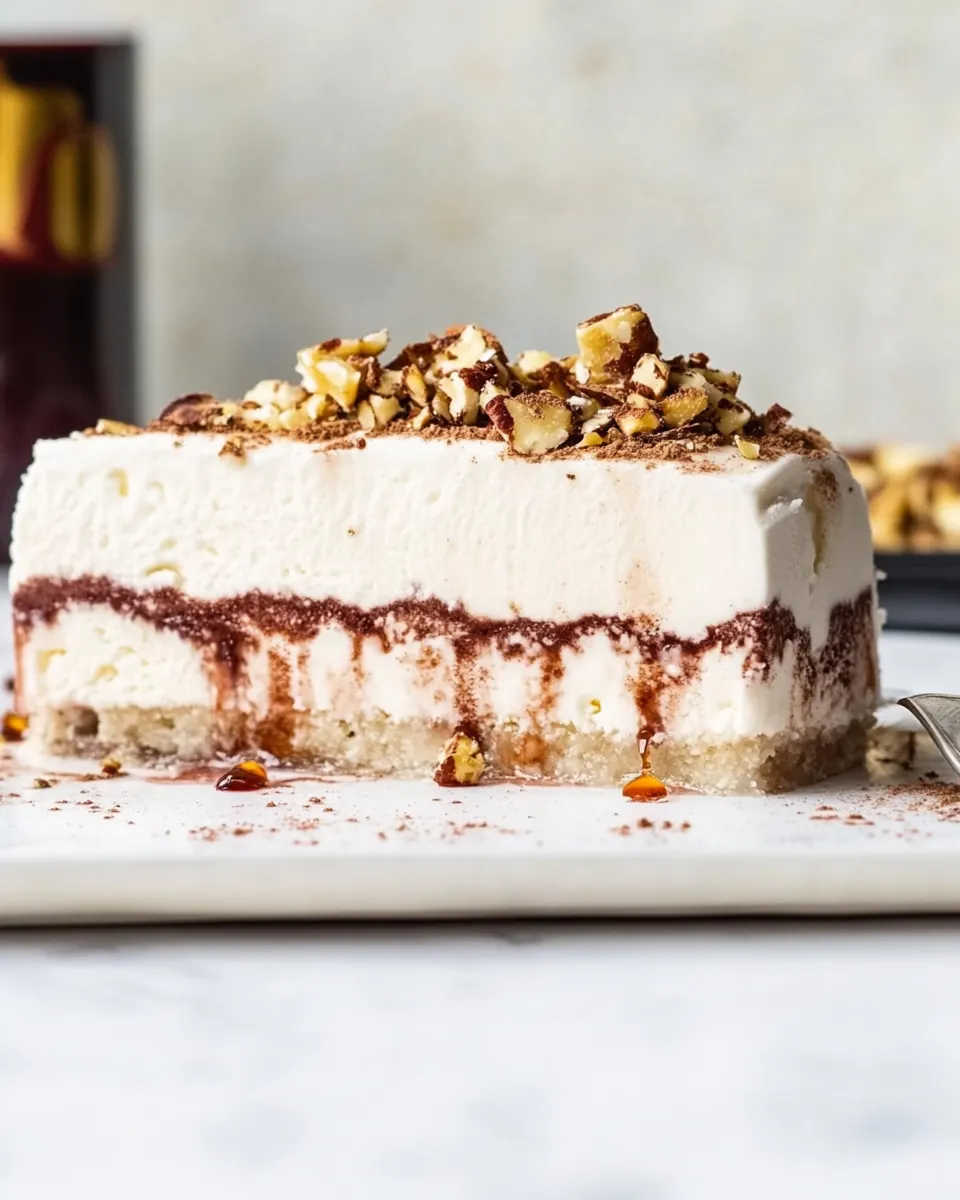
Semifreddo
Semifreddo has been my go to frozen treat when I want something that feels elegant but is actually forgiving to make at home. The very first time I made this dessert I remember standing in my tiny kitchen, whisk in hand, feeling equal parts nervous and excited as the warm egg and sugar mixture transformed into a pale, billowy ribbon under the mixer. That tactile moment, when the foam folds into the cold whipped cream and everything takes on a cloud like texture, is the kind of kitchen memory I chase.
Over the years I’ve turned this into a ritual for simple celebrations and quiet weeknight rewards. I like the way Semifreddo sits in the middle ground between ice cream and mousse, offering creamy richness without the fuss of churning. I often make it ahead, tuck it into the freezer, and then watch faces light up when I lift the plastic wrap and slice clean, satisfying portions. The combination of airy egg foam and cold heavy whipping cream yields a texture that feels indulgent, yet light enough to follow a robust dinner.
Recipe Snapshot
40 mins
30 mins
10 mins
Easy
300 kcal
Italian
Gluten-Free, Low FODMAP
Desserts
Hand Mixer, Loaf Pan, Instant Read Thermometer, Mixing Bowls, Spatulas, Scale, Saucepan
The Appeal of This Semifreddo
Cloud Like Texture Without a Machine
I love how Semifreddo achieves a luxuriously smooth, airy texture without an ice cream maker. Because we fold an aerated egg and sugar mixture into chilled whipped heavy whipping cream, you get lift and creaminess with minimal equipment. For busy nights when I want an impressive dessert but not extra cleanup, this is my go to.
Make Ahead Friendly
One big reason I reach for Semifreddo is the make ahead flexibility. It freezes solid enough to slice cleanly, and it holds for days in an airtight container. That means you can prepare it the day before a gathering and free up time for other dishes. I always appreciate desserts that reduce last minute stress while still tasting fresh and thoughtful.
Elegant Presentation
When I serve Semifreddo, guests often assume I spent hours on it. The loaf pan shape and clean slices read as sophisticated, yet the method is straightforward. A smooth, glossy top and neat slices make it perfect for dinner parties or celebrations where you want a dessert that looks refined but didn’t require an advanced pastry technique.
Balanced Sweetness and Texture
This dessert highlights two main players, whipped heavy whipping cream and a cooked egg and sugar custard, which together create a balance of richness and lightness. The custard adds structure and a silky mouthfeel, while the whipped cream lends air and tenderness. It is easy to tweak the sweetness level, and I find the subtle salt and vanilla extract in the base bring out faint caramel notes after freezing.
Approachable Yet Impressive
Finally, Semifreddo is a great intersection of technique and accessibility. If you’re comfortable whisking and folding, you can make something that looks patisserie level. I enjoy teaching friends how to make it during casual cooking nights because the results build confidence fast.
Ingredients Required for Semifreddo
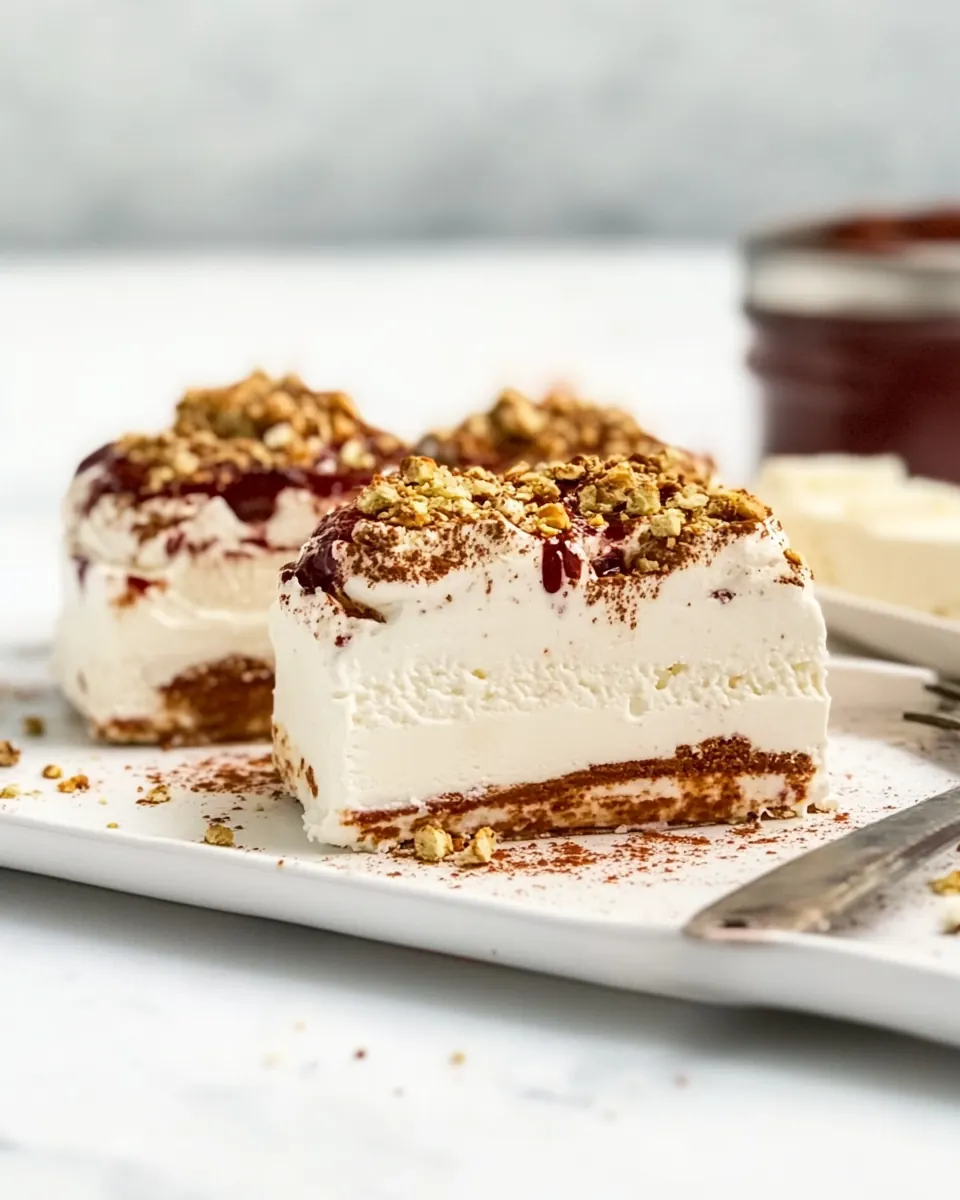
These ingredients are deliberately simple, focusing on texture and balance. The key players are the cold heavy whipping cream, which provides the airy, creamy body, and the warm egg and granulated sugar custard, which adds structure and richness. A small amount of kosher salt and vanilla extract lift flavor notes so the dessert never tastes cloying. Each element works together to produce that signature semifreddo mouthfeel.
- 1 1/2 cup (360 grams) cold heavy whipping cream: Whip until soft peaks form to provide the semifreddo with a light, airy texture and a rich mouthfeel; chilling the cream keeps volume and stability while folding into the custard base.
- 1 teaspoon (4 grams) vanilla extract: Add for warm floral aroma and delicate sweetness; incorporate into the custard mixture to enhance overall flavor without overpowering other components.
- 1/2 teaspoon (1.5 grams) kosher salt: Season lightly to balance sweetness and enhance flavors; dissolve into the egg-sugar mixture so the salt is evenly distributed throughout the semifreddo.
- 2 large eggs (100 grams), room temperature: Beat until pale and slightly thickened to create a stable custard base that lends richness and structure when combined with whipped cream.
- cup (67 grams) granulated sugar: Sweeten the custard to taste and help stabilize the eggs while creating a smooth, creamy texture; dissolve fully into the eggs for even sweetness.
How to Assemble Semifreddo
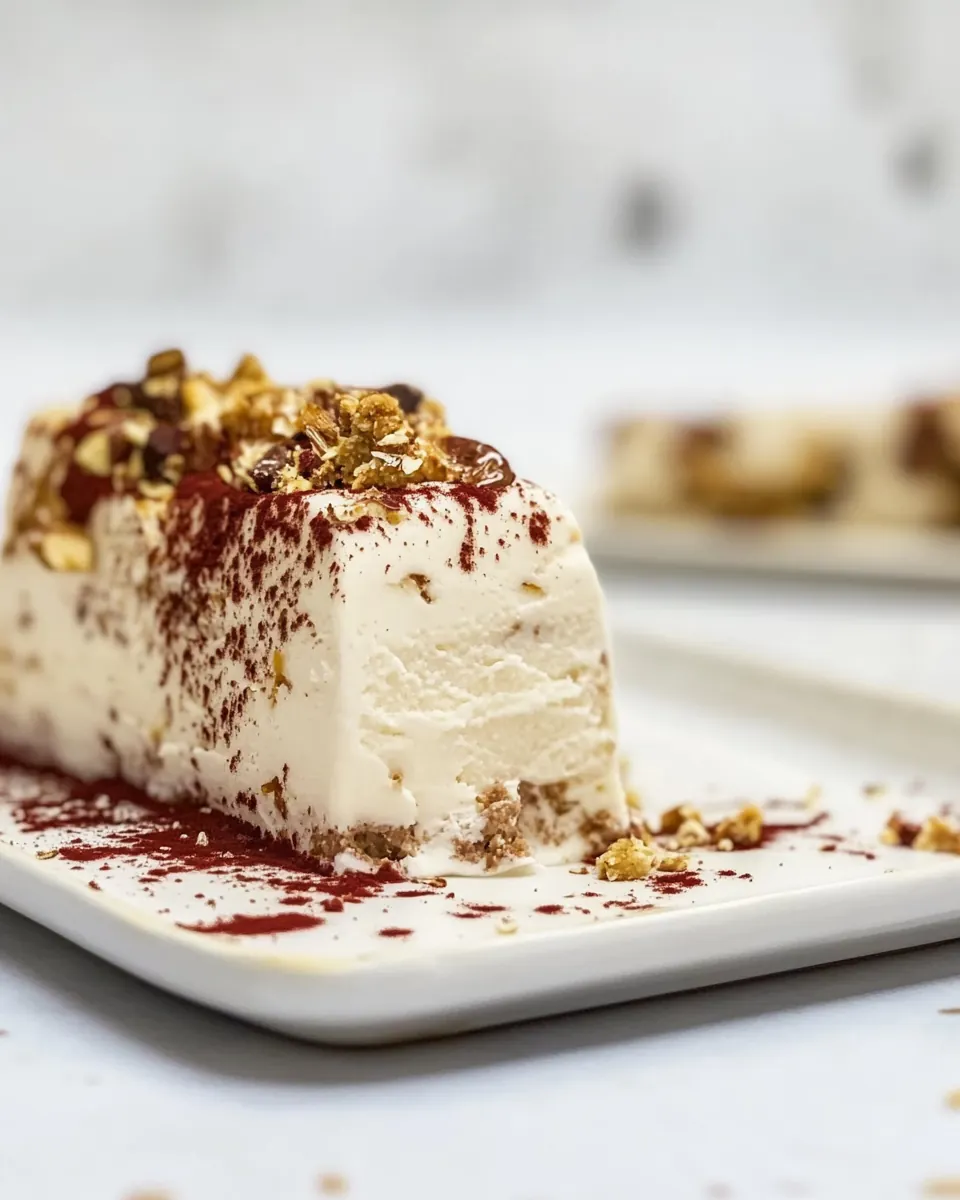
This assembly is about timing and gentle hands. You will prepare a chilled loaf pan, whip cold cream to stiff peaks, cook and aerate the eggs and sugar, then fold the two components together. Patience during folding preserves the air we worked to create, yielding that signature fluffy, frozen dessert.
- Line an 8 1/2 x 4 1/2-inch metal loaf pan with plastic wrap, letting excess extend 2 inches over all sides of pan. Freeze until ready to use or for at least 30 minutes.: Temperatures and textures are easier to manage when the pan is prepared up front, and the overhanging plastic becomes your removal handle later. You will feel the cool metal under your hands as you smooth the wrap into corners, and the plastic provides a glossy barrier that prevents sticking. Do this carefully to avoid wrinkles that might imprint on the semifreddo surface, and always press the wrap into the corners so the mixture fills all spaces evenly. A frequent oversight is skipping the excess wrap which makes unmolding difficult; having that extra makes extraction tidy and stress free.
- In a large bowl, beat cold cream, vanilla, and salt with a hand mixer at medium-high speed until stiff peaks form, 3 to 4 minutes. Refrigerate until ready to use.: Putting the lined pan in the freezer firms the plastic and chills the pan, which helps the semifreddo set from the edges inward, promoting cleaner slices later. You'll sense the immediate cold when opening the freezer, and that initial chill keeps the edges from melting when you pour in the mixture. If you skip this step, warm spots can form and the top may sink slightly, so allow the pan to rest chilled for the recommended time.
- In a heatproof bowl, whisk together eggs and sugar. Place bowl over a saucepan of simmering water. Cook, whisking frequently, until sugar is melted and an instant-read thermometer registers at least 160°F (71°C). Remove from heat. Beat egg mixture with a hand mixer at medium-high speed until mixture has cooled down and tripled in volume and has a thick and ribbonlike consistency, about 5 minutes.: Right away you'll hear the mixer accelerate and see the cream thicken, turning glossy and dense as air becomes trapped. The scent of vanilla extract will bloom, and when the cream holds a peak that stands upright the texture is right. Stopping too soon yields a soft cream that will collapse when folded, while overbeating risks turning the cream grainy; watch closely and test frequently.
- Add egg mixture to whipped cream mixture, and gently fold until combined and no streaks remain. Spoon into prepared pan, smoothing top with an offset spatula. Cover with excess plastic wrap, and freeze until firm, at least 5 hours, preferably overnight.: Cooling the whipped cream keeps it stable and prevents it from collapsing when combined with the warmer egg mixture. Place the bowl in the refrigerator so the whipped peaks stay intact, and you will notice the surface tighten slightly as the cream rests. If the whipped cream softens, pop it back in the fridge briefly; never rush this rest, because unstable cream undermines the semifreddo structure.
- Let semifreddo stand at room temperature for 5 minutes to soften slightly. Using excess plastic wrap as handles, remove from pan, and slice as desired. Freeze in an airtight container for up to 2 weeks.: As you whisk, the mixture will become glossy and slightly opaque, foreshadowing the volume it will achieve after cooking and whipping. The sugar will help stabilize the foam, and the combined ingredients must be uniformly mixed before heating to ensure even coagulation. Skipping a full whisk at this stage can lead to uneven texture after cooking, so take your time until the mixture looks smooth.
- Place bowl over a saucepan of simmering water: The gentle indirect heat of a bain marie cooks the eggs slowly and prevents scrambling while melting the sugar evenly. You will notice steam rising and the bowl warming under your hands, a careful balance that creates a custardy base. Avoid a rolling boil, which transfers too much heat and risks curdling; maintain a steady simmer for controlled results.
- Cook, whisking frequently, until sugar is melted and an instant read thermometer registers at least 160°F 71°C: Frequent whisking keeps the mixture homogeneous and aerated, and hitting the temperature ensures both food safety and the proper set once cooled. You will feel the texture thicken as proteins denature and the mixture gains body. A mistake people make is relying on sight alone; use your thermometer for accuracy, as undercooked eggs will not provide the necessary structure.
- Remove from heat: Once the thermometer reads the target, lift the bowl off the bain marie to stop cooking immediately. There will be a fragrant warmth and a glossy look to the custard, and removing it prevents carry over heat from overcooking the eggs. Leaving it on the pan will continue to thicken the mixture excessively, so act promptly to preserve the smooth consistency.
- Beat egg mixture with a hand mixer at medium high speed until mixture has cooled down and tripled in volume and has a thick and ribbonlike consistency, about 5 minutes: As you mix, the bowl will warm briefly, then cool, and the volume increase is dramatic, with the mixture falling in ribbons that slowly sink back into the mass. This aeration provides lift and silkiness to the semifreddo. If you rush and stop before the ribbon stage, the semifreddo will be dense; conversely, over whipping can cause the foam to break, so stop when the texture looks light and stable.
- Add egg mixture to whipped cream mixture, and gently fold until combined and no streaks remain: The folding motion preserves the air you just built while integrating the custard. You should fold with slow, careful strokes, feeling the weight of the mixture lighten as it blends. The sound is muted, and the color becomes uniform. Avoid aggressive stirring which deflates the mixture, and be patient until all streaks disappear for an even texture throughout.
- Spoon into prepared pan, smoothing top with an offset spatula: As you transfer, the mixture should feel cool and pillowy, and smoothing the top creates a neat surface that freezes evenly. Work quickly but gently so you do not compress the air. If you leave the spatula too long in the mixture it will warm and soften the surface; keep movements decisive and clean for a tidy finish.
- Cover with excess plastic wrap, and freeze until firm, at least 5 hours, preferably overnight: Freezing solidifies the structure we built, converting airy foam into a sliceable frozen dessert. You will sense the slow firming as it chills, and overnight yields the best texture for clean cuts. A common misstep is not sealing the loaf well; exposure to freezer air causes ice crystals and a grainy surface, so seal tightly for smooth results.
- Let semifreddo stand at room temperature for 5 minutes to soften slightly: A short rest brings the semifreddo to a sliceable softness, where the texture is creamy rather than rock hard. The edges will lose their sharp chill and become easier to cut. Do not let it sit too long or it will lose its form; five minutes is usually perfect for balance.
- Using excess plastic wrap as handles, remove from pan, and slice as desired: Pulling on the overhang releases a neat loaf with intact edges, and you will enjoy the satisfying reveal as the wrap peels away. A warm towel around the pan corners can help if it clings stubbornly. If you try to force it without handles, you risk breaking slices or leaving the center stuck, so always use the wrap for leverage.
- Freeze in an airtight container for up to 2 weeks: Proper storage preserves texture and flavor; wrap portions well to prevent freezer burn. Over time the texture may firm slightly, so bring portions to room temperature briefly before serving for optimal creaminess. Avoid long storage beyond two weeks as the quality will gradually decline despite airtight packaging.
Change It Up
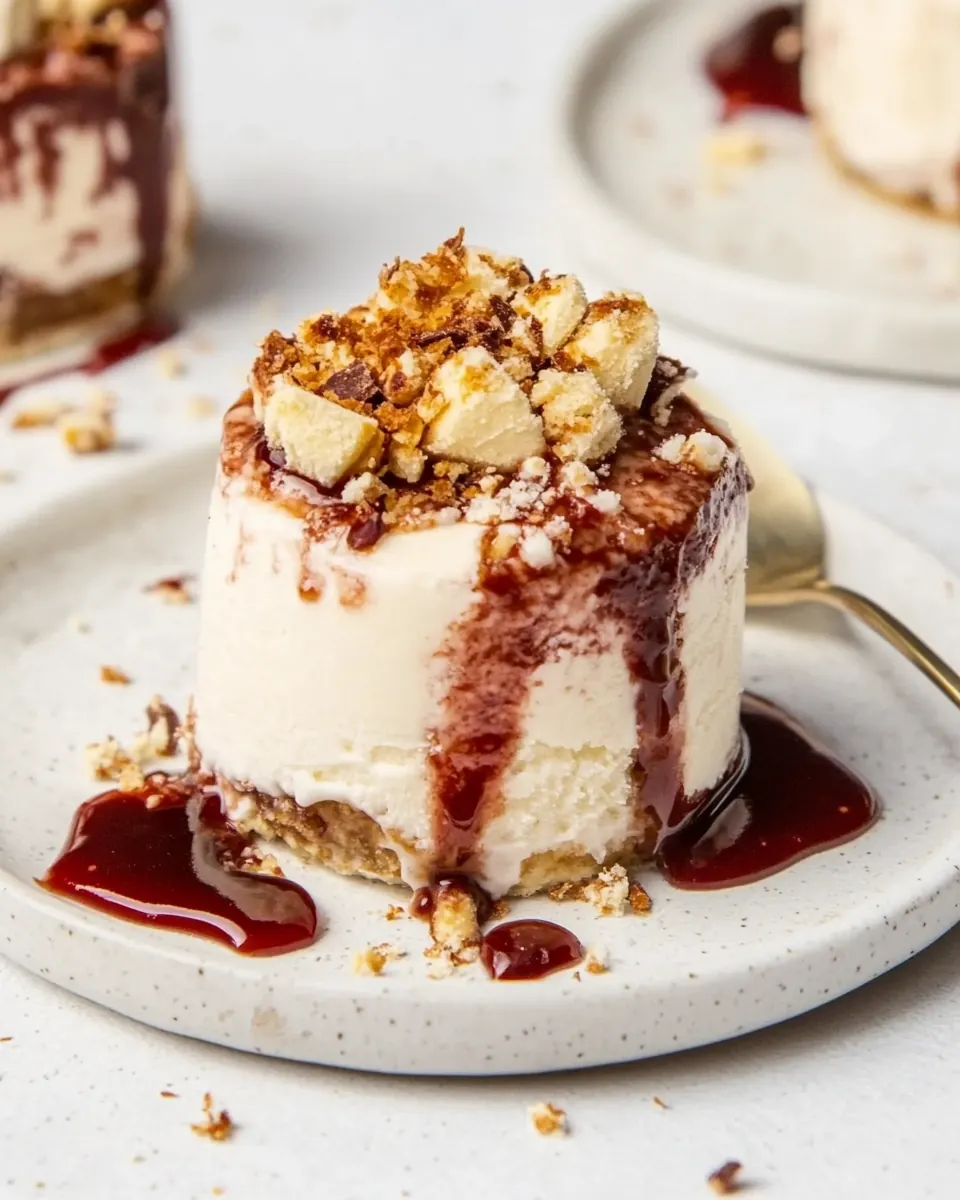
I like to tweak small details to create variations or make the recipe fit different occasions. Below are friendly, tested ideas that keep the core technique intact but introduce new flavors and textures. Each tip starts with a practical phrase so you can scan quickly while cooking.
- Fold in fruit purée at the end to swirl flavor through the semifreddo without losing the airy structure, fold gently in two to three streaks rather than mixing fully for a marbled effect.
- Toast nuts and sprinkle on top for added crunch and contrast, chop them coarsely and press lightly into the top before freezing to ensure they adhere.
- Stabilize whipped cream by chilling the bowl and beaters, which helps the cream hold peaks longer and makes folding safer when combining with the warm custard.
- Adjust sugar to taste depending on the sweetness of any additions, reduce sugar if adding a very sweet fruit purée to keep the final dessert balanced.
- Use a metal loaf pan for faster freezing and cleaner unmolding, as metal transfers cold efficiently and firms the edges well for neat slices.
Serve This Semifreddo With
This dessert pairs beautifully with bright, contrasting elements and simple accompaniments that highlight its creamy texture. Here are serving ideas that suit occasions from casual dinners to special gatherings. Think about temperature contrast, textural partners, and visual appeal when plating.
- Fresh berries for brightness, scatter raspberries or sliced strawberries alongside slices of semifreddo to add a tart counterpoint and vibrant color to the plate, making the dessert feel lighter and more festive.
- Warm fruit compote, spoon a warm citrus or berry compote beside each slice to create a lovely hot and cold contrast that enhances the creamy mouthfeel of the semifreddo.
- Crunchy biscotti or toasted nuts add texture contrast, offering a satisfying crunch against the soft, velvety slices and elevating the overall eating experience for guests who enjoy multiple textures.
- Serve at dinner parties, portion neat slices ahead of time so you can plate quickly during service, this dessert is ideal for making ahead and freeing you to focus on the main course.
- Storage and leftovers, wrap slices tightly in plastic and store in an airtight container in the freezer for up to two weeks; thaw briefly at room temperature before serving so the texture softens to creamy.
- Seasonal variations, adapt fruit pairings for the season, using stone fruit in summer and citrus elements in winter to keep the dish feeling timely and balanced.
FAQ
Conclusion
Semifreddo stands out for its luscious, airy texture and effortless elegance, bridging the gap between mousse and ice cream with minimal equipment. I encourage you to give it a try because it rewards careful technique with a stunning result that looks far more complex than it is. Make it ahead for gatherings, experiment with seasonal fruit swirls, and enjoy how a few simple ingredients can produce a show stopping dessert that’s perfect for both weeknight treats and special occasions.
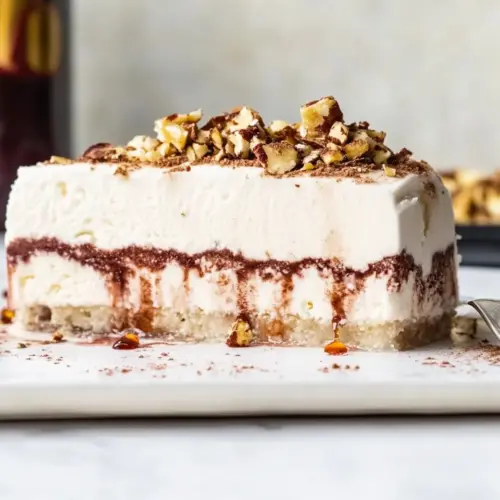
Semifreddo
Equipment
- Hand Mixer
- Loaf Pan
- Instant read thermometer
- Mixing Bowls
- Spatulas
- Scale
- Saucepan
Ingredients
- 1 1/2 cup (360 grams) cold heavy whipping cream Whip until soft peaks form to provide the semifreddo with a light, airy texture and a rich mouthfeel; chilling the cream keeps volume and stability while folding into the custard base.
- 1 teaspoon (4 grams) vanilla extract Add for warm floral aroma and delicate sweetness; incorporate into the custard mixture to enhance overall flavor without overpowering other components.
- 1/2 teaspoon (1.5 grams) kosher salt Season lightly to balance sweetness and enhance flavors; dissolve into the egg-sugar mixture so the salt is evenly distributed throughout the semifreddo.
- 2 large eggs (100 grams), room temperature Beat until pale and slightly thickened to create a stable custard base that lends richness and structure when combined with whipped cream.
- cup (67 grams) granulated sugar Sweeten the custard to taste and help stabilize the eggs while creating a smooth, creamy texture; dissolve fully into the eggs for even sweetness.
Instructions
- Line an 8 1/2 x 4 1/2-inch metal loaf pan with plastic wrap, letting excess extend 2 inches over all sides of pan. Freeze until ready to use or for at least 30 minutes.: Temperatures and textures are easier to manage when the pan is prepared up front, and the overhanging plastic becomes your removal handle later. You will feel the cool metal under your hands as you smooth the wrap into corners, and the plastic provides a glossy barrier that prevents sticking. Do this carefully to avoid wrinkles that might imprint on the semifreddo surface, and always press the wrap into the corners so the mixture fills all spaces evenly. A frequent oversight is skipping the excess wrap which makes unmolding difficult; having that extra makes extraction tidy and stress free.
- In a large bowl, beat cold cream, vanilla, and salt with a hand mixer at medium-high speed until stiff peaks form, 3 to 4 minutes. Refrigerate until ready to use.: Putting the lined pan in the freezer firms the plastic and chills the pan, which helps the semifreddo set from the edges inward, promoting cleaner slices later. You'll sense the immediate cold when opening the freezer, and that initial chill keeps the edges from melting when you pour in the mixture. If you skip this step, warm spots can form and the top may sink slightly, so allow the pan to rest chilled for the recommended time.
- In a heatproof bowl, whisk together eggs and sugar. Place bowl over a saucepan of simmering water. Cook, whisking frequently, until sugar is melted and an instant-read thermometer registers at least 160°F (71°C). Remove from heat. Beat egg mixture with a hand mixer at medium-high speed until mixture has cooled down and tripled in volume and has a thick and ribbonlike consistency, about 5 minutes.: Right away you'll hear the mixer accelerate and see the cream thicken, turning glossy and dense as air becomes trapped. The scent of vanilla extract will bloom, and when the cream holds a peak that stands upright the texture is right. Stopping too soon yields a soft cream that will collapse when folded, while overbeating risks turning the cream grainy; watch closely and test frequently.
- Add egg mixture to whipped cream mixture, and gently fold until combined and no streaks remain. Spoon into prepared pan, smoothing top with an offset spatula. Cover with excess plastic wrap, and freeze until firm, at least 5 hours, preferably overnight.: Cooling the whipped cream keeps it stable and prevents it from collapsing when combined with the warmer egg mixture. Place the bowl in the refrigerator so the whipped peaks stay intact, and you will notice the surface tighten slightly as the cream rests. If the whipped cream softens, pop it back in the fridge briefly; never rush this rest, because unstable cream undermines the semifreddo structure.
- Let semifreddo stand at room temperature for 5 minutes to soften slightly. Using excess plastic wrap as handles, remove from pan, and slice as desired. Freeze in an airtight container for up to 2 weeks.: As you whisk, the mixture will become glossy and slightly opaque, foreshadowing the volume it will achieve after cooking and whipping. The sugar will help stabilize the foam, and the combined ingredients must be uniformly mixed before heating to ensure even coagulation. Skipping a full whisk at this stage can lead to uneven texture after cooking, so take your time until the mixture looks smooth.
- Place bowl over a saucepan of simmering water: The gentle indirect heat of a bain marie cooks the eggs slowly and prevents scrambling while melting the sugar evenly. You will notice steam rising and the bowl warming under your hands, a careful balance that creates a custardy base. Avoid a rolling boil, which transfers too much heat and risks curdling; maintain a steady simmer for controlled results.
- Cook, whisking frequently, until sugar is melted and an instant read thermometer registers at least 160°F 71°C: Frequent whisking keeps the mixture homogeneous and aerated, and hitting the temperature ensures both food safety and the proper set once cooled. You will feel the texture thicken as proteins denature and the mixture gains body. A mistake people make is relying on sight alone; use your thermometer for accuracy, as undercooked eggs will not provide the necessary structure.
- Remove from heat: Once the thermometer reads the target, lift the bowl off the bain marie to stop cooking immediately. There will be a fragrant warmth and a glossy look to the custard, and removing it prevents carry over heat from overcooking the eggs. Leaving it on the pan will continue to thicken the mixture excessively, so act promptly to preserve the smooth consistency.
- Beat egg mixture with a hand mixer at medium high speed until mixture has cooled down and tripled in volume and has a thick and ribbonlike consistency, about 5 minutes: As you mix, the bowl will warm briefly, then cool, and the volume increase is dramatic, with the mixture falling in ribbons that slowly sink back into the mass. This aeration provides lift and silkiness to the semifreddo. If you rush and stop before the ribbon stage, the semifreddo will be dense; conversely, over whipping can cause the foam to break, so stop when the texture looks light and stable.
- Add egg mixture to whipped cream mixture, and gently fold until combined and no streaks remain: The folding motion preserves the air you just built while integrating the custard. You should fold with slow, careful strokes, feeling the weight of the mixture lighten as it blends. The sound is muted, and the color becomes uniform. Avoid aggressive stirring which deflates the mixture, and be patient until all streaks disappear for an even texture throughout.
- Spoon into prepared pan, smoothing top with an offset spatula: As you transfer, the mixture should feel cool and pillowy, and smoothing the top creates a neat surface that freezes evenly. Work quickly but gently so you do not compress the air. If you leave the spatula too long in the mixture it will warm and soften the surface; keep movements decisive and clean for a tidy finish.
- Cover with excess plastic wrap, and freeze until firm, at least 5 hours, preferably overnight: Freezing solidifies the structure we built, converting airy foam into a sliceable frozen dessert. You will sense the slow firming as it chills, and overnight yields the best texture for clean cuts. A common misstep is not sealing the loaf well; exposure to freezer air causes ice crystals and a grainy surface, so seal tightly for smooth results.
- Let semifreddo stand at room temperature for 5 minutes to soften slightly: A short rest brings the semifreddo to a sliceable softness, where the texture is creamy rather than rock hard. The edges will lose their sharp chill and become easier to cut. Do not let it sit too long or it will lose its form; five minutes is usually perfect for balance.
- Using excess plastic wrap as handles, remove from pan, and slice as desired: Pulling on the overhang releases a neat loaf with intact edges, and you will enjoy the satisfying reveal as the wrap peels away. A warm towel around the pan corners can help if it clings stubbornly. If you try to force it without handles, you risk breaking slices or leaving the center stuck, so always use the wrap for leverage.
- Freeze in an airtight container for up to 2 weeks: Proper storage preserves texture and flavor; wrap portions well to prevent freezer burn. Over time the texture may firm slightly, so bring portions to room temperature briefly before serving for optimal creaminess. Avoid long storage beyond two weeks as the quality will gradually decline despite airtight packaging.
Notes
- Fold in fruit purée at the end to swirl flavor through the semifreddo without losing the airy structure, fold gently in two to three streaks rather than mixing fully for a marbled effect.
- Toast nuts and sprinkle on top for added crunch and contrast, chop them coarsely and press lightly into the top before freezing to ensure they adhere.
- Stabilize whipped cream by chilling the bowl and beaters, which helps the cream hold peaks longer and makes folding safer when combining with the warm custard.
- Adjust sugar to taste depending on the sweetness of any additions, reduce sugar if adding a very sweet fruit purée to keep the final dessert balanced.
- Use a metal loaf pan for faster freezing and cleaner unmolding, as metal transfers cold efficiently and firms the edges well for neat slices.
