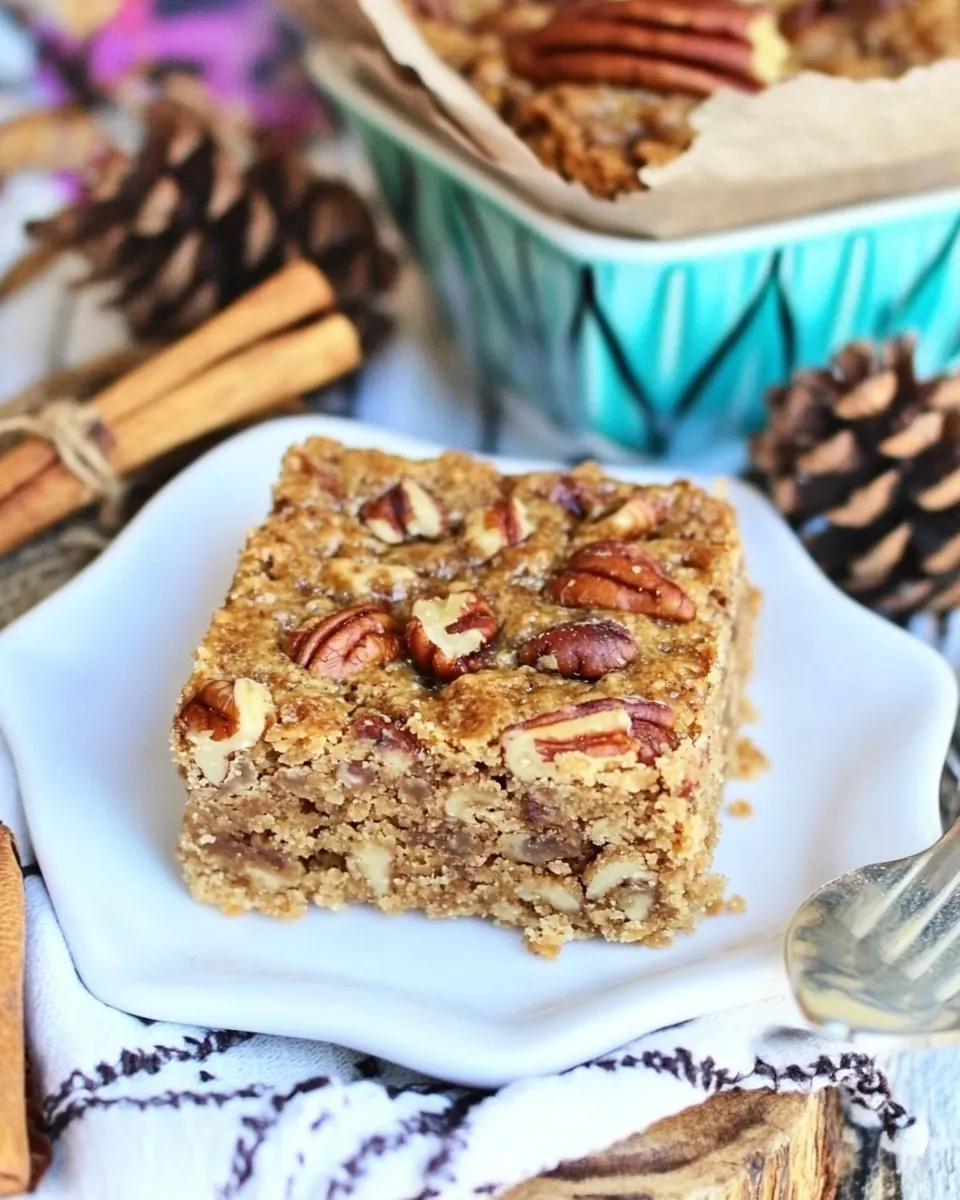
Pecan Shortbread Bars
Pecan Shortbread Bars have been my go to when I want a buttery, nut forward treat that feels both simple and special. I remember the first time I made these, the house smelled like warm butter and toasted nuts, and someone knocked on the door before I even got them out of the pan. The recipe quickly became the one I bring to gatherings when I want something that travels well and disappears fast.
I love how the texture lands between a crisp shortbread and a tender bar, each bite flecked with crunchy pecans. There is comfort in the modest ingredient list, and I often find myself thinking about how a few thoughtful steps yield such satisfying results. Over the years I have refined the patting and piercing ritual, and it reliably produces an even bake and those nostalgic square edges. Small rituals like using your hands to bring the dough together make the process feel like more than just baking, they make it tactile and immediate.
Recipe Snapshot
50 mins
10 mins
40 mins
Medium
200 kcal
American
Gluten-Free, Low FODMAP
Desserts
9 inch square pan, Oven, Mixing bowl, Knife, Fork
Why You Need This Pecan Shortbread Bars
Buttery, focused flavor
I find the magic of Pecan Shortbread Bars is how the simple mix of butter, flour, and brown sugar highlights the toasted pecans. There are no competing flavors, so each element can sing. When I bite into a bar, I want a clear note of butter, a touch of caramel from the brown sugar, and a nutty crunch, and this recipe delivers that every time.
Minimal ingredients, maximum impact
This recipe is honest and streamlined. I love that it asks for pantry staples and one specialty item, pecans. That minimalism means fewer mistakes, a lower barrier to baking, and a recipe you can memorize fast. I often make it on busy afternoons because the payoff is huge compared to the effort.
Reliable texture and technique
Through trial and error I learned that gentle handling and an even press into the pan create the ideal crumb. The instruction to pierce the top helps steam escape so the shortbread bakes evenly, not puffing or cracking. I appreciate recipes that teach a technique you can reuse elsewhere, and this one does that well.
Perfect for sharing and gifting
These bars keep their shape, cut neatly while warm, and store well, which makes them great for holiday plates or a neighborly treat. I love packaging a few squares in a small box and knowing they will be enjoyed without any fuss.
Recipe Ingredients for Pecan Shortbread Bars
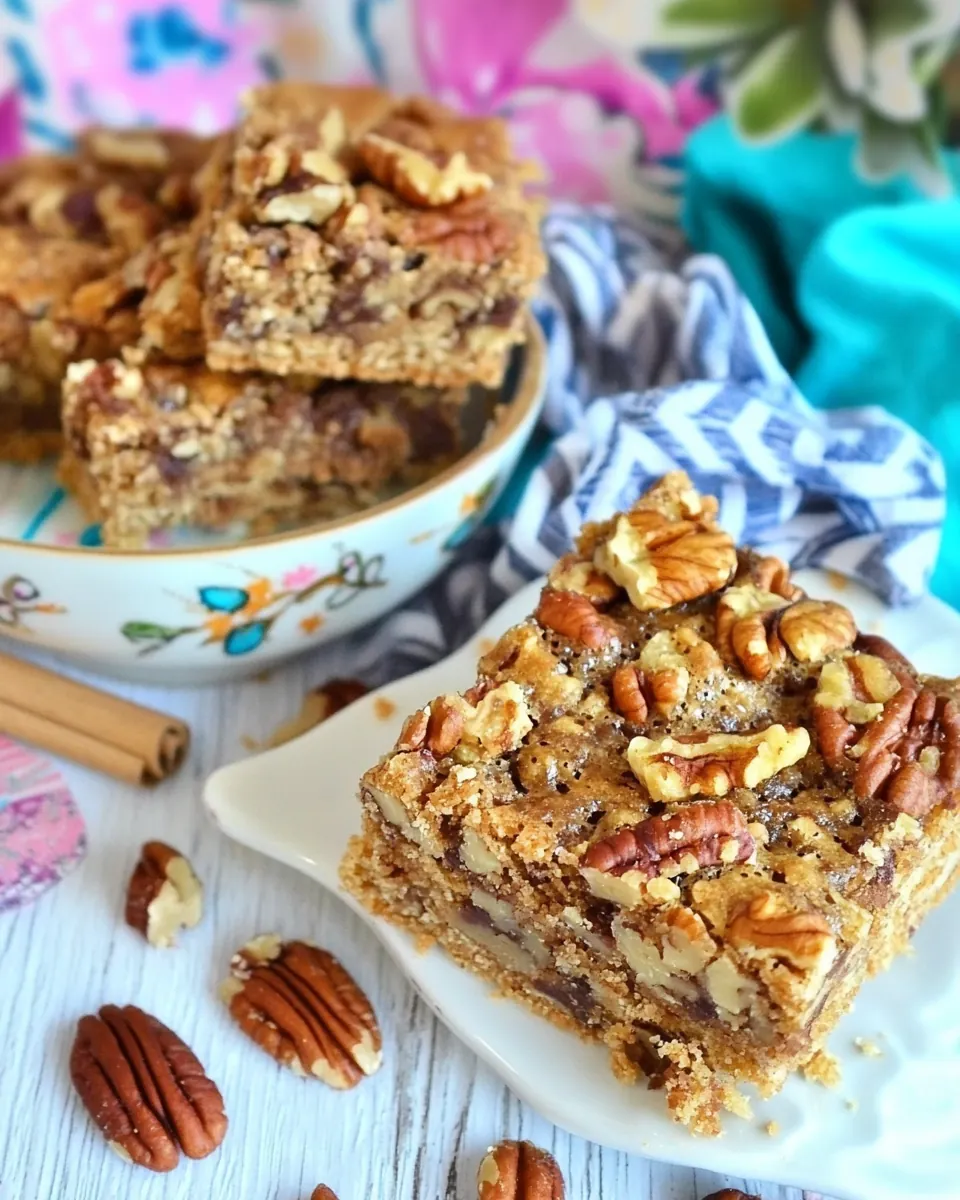
These ingredients are intentionally simple and work together to create a balanced shortbread. The key players are the butter for richness, the flour for structure, brown sugar for a hint of caramel, and pecans for crunch and toasty flavor. Together they yield a tender bar with a buttery mouthfeel and a satisfying nutty finish.
- 1 cup all-purpose flour: Provides structure and tenderness to the bars while absorbing fats and liquids; all-purpose flour creates the shortbread’s crumb and helps bind other ingredients into a cohesive dough. Sifting or gently whisking prevents lumps and ensures even distribution for a consistent texture.
- 1 stick 8 tablespoons butter, unsalted and softened: Adds rich creaminess and moisture that contributes to the tender, melt-in-your-mouth shortbread texture; unsalted butter lets you control the overall salt level. Softening to room temperature ensures proper creaming with sugar and even incorporation into the flour.
- 1/2 cup light brown sugar packed: Sweetens and contributes a deeper, caramel-like flavor while adding slight moisture that keeps the bars from drying out; packed light brown sugar enhances chewiness and shortbread flavor complexity. Creaming it with butter helps create a fine, tender crumb and distributes sweetness evenly.
- 1 1/4 cups finely chopped pecans: Provides crunchy texture and a nutty, toasted flavor that contrasts the buttery shortbread base; finely chopped pecans distribute uniformly through the bars for consistent bites. Toasting the pecans lightly before chopping can intensify their flavor without altering the recipe proportions.
Preparation Steps for Pecan Shortbread Bars
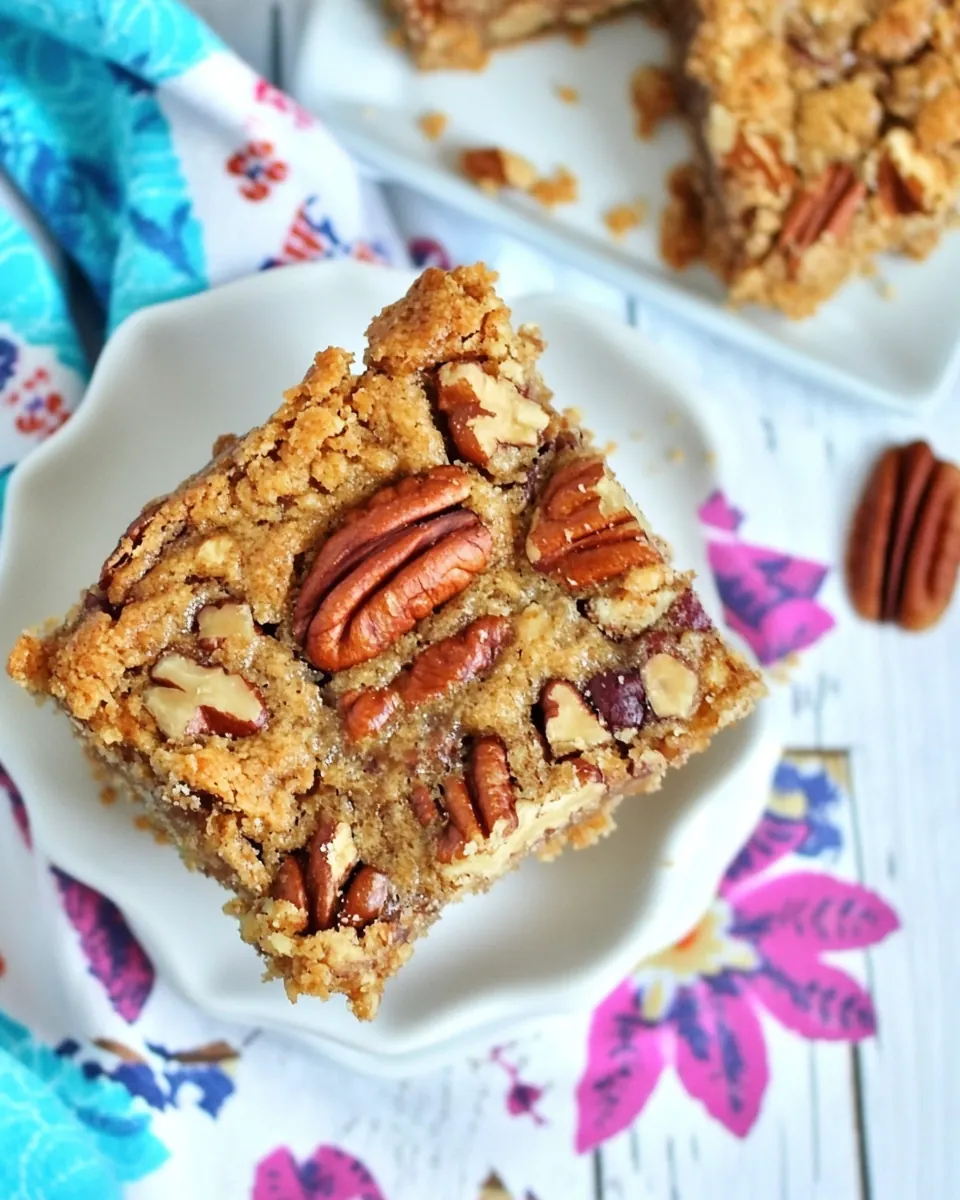
I like to walk into the baking process with a calm rhythm. These steps are straightforward but benefit from attention to sensory cues and a light touch. Keep your workspace tidy, have your pan ready, and be mindful of textures and aromas as you go.
- Preheat oven to 300 degrees.: The oven warming gives you the steady, gentle heat needed for even baking. As it approaches temperature you should notice a faint warm scent in the kitchen that is different from the butter aroma, and the air will feel cozy. Using an oven thermometer helps ensure accuracy, since a hotter oven will brown the edges too fast, while a cooler oven will leave the center underbaked. A common error is placing the pan too close to the heating element, so position it in the center rack for best results.
- Mix together the flour, butter, brown sugar and pecan until the dough comes together (best to use your hands).: Right after combining the dry and wet, expect a tactile, slightly crumbly mixture that gradually firms as you press. The butter should be fully incorporated into the flour , and the pecans will add a grainy crunch. Your hands warm the butter slightly, helping the dough bind; if it gets greasy, pop it in the fridge for ten minutes. Avoid overmixing, which leads to tough shortbread, and if you find the texture too dry, a teaspoon of cold water can help, used sparingly.
- Pat the dough into an ungreased 9-inch square pan. Every 1 1/2 – 2 inches pierce the top with a fork.: As you press the dough, you want a smooth, even surface with no deep cracks. The act of piercing creates escape routes for steam, preventing bubbling and encouraging an even bake. You will feel the dough firm under your palms and see tiny interruptions where the fork goes through. If the dough resists spreading, let it sit at room temperature for a minute to relax. Press firmly but gently, avoiding stretching that creates air pockets which will cause uneven browning.
- Bake for 40 minutes or until the shortbread has browned lightly. Cut while still warm.: During baking you should see the edges take on a pale golden hue and the surface develop a subtle, even brown. The aroma will shift from buttery to toasty and nutty as the pecans release their oils. A good test is to press gently at the center edge, it should feel set without wobble. If the top browns too quickly, loosely tent with foil. A common mistake is checking too early and opening the oven repeatedly, which can lead to uneven bake.
- Cut while still warm: As soon as the pan is out, the bars are easiest to slice; the butter is still warm enough to let a clean cut but the structure is holding. Use a sharp knife and wipe it between cuts for neat edges, and you will hear a faint soft cracking sound as the knife passes through toasty bits of pecan . Waiting until completely cool can make the bars crumbly, so aim to cut when warm but not scorching. If your bars spread during baking, chilling briefly can help firm them for cleaner slices.
Pro Tips and Tweaks
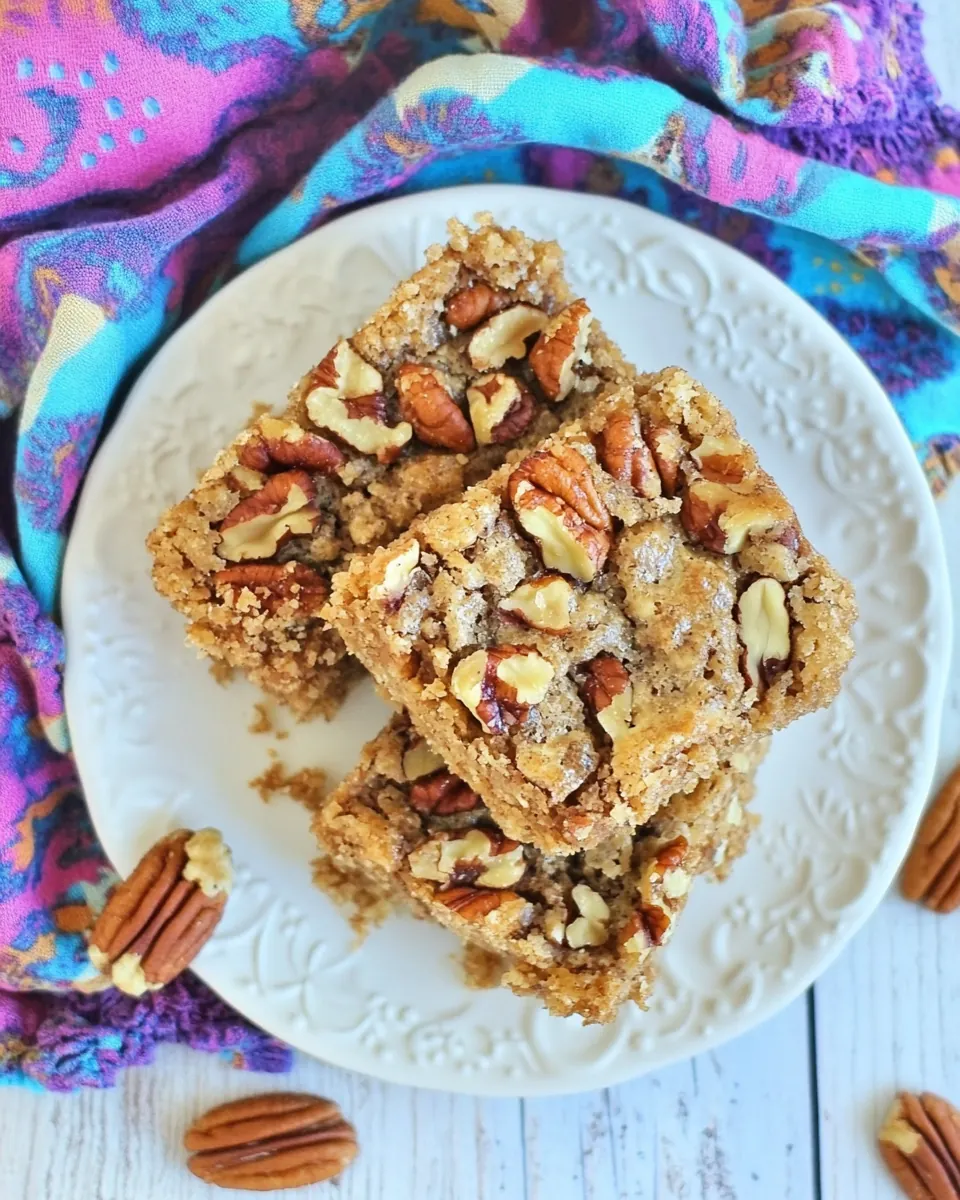
I like to offer a few practical ideas that have improved these bars over many bakes, from tiny technique shifts to timing adjustments. These suggestions are meant to be actionable and easy to adopt.
- Chill if necessary If the dough becomes too soft from warm hands or a warm kitchen, pop it in the refrigerator for ten to fifteen minutes so it firms without losing its tender texture.
- Toast the pecans A quick five to seven minute toast in a dry skillet deepens the nutty aroma, but watch them closely to prevent burning which turns them bitter.
- Measure flour properly Spoon flour into the cup and level it off rather than scooping, this prevents a dry, dense result which can make the bars heavy.
- Use an oven thermometer Many ovens run hot or cold, so a thermometer ensures the specified 300 degrees is accurate to avoid overbrowning or underbaking.
- Clean knife between cuts For neat presentation, wipe the blade with a warm, damp cloth between slices which avoids crumb buildup and ragged edges.
Serving This Pecan Shortbread Bars
These bars are versatile and easy to present for many occasions, from casual coffee to seasonal celebrations. They pair well with simple accompaniments and travel nicely for gifting. Here are thoughtful serving ideas to elevate the experience.
- Afternoon coffee Plate a few bars with a small spoon of jam on the side, the bars offer a buttery counterpoint to a bright, fruity spread.
- Holiday plates Arrange squares on a decorative platter for gatherings, spacing them so guests can easily pick one without disturbing the rest.
- Gifting Wrap a stack in parchment and tie with twine for a rustic package that keeps well for several days.
- Storage Keep in an airtight container at room temperature for up to four days, or freeze individually wrapped for longer storage and thaw at room temperature before serving.
- Occasions These are excellent for fall gatherings and casual dessert tables, offering an easy make ahead option that holds its shape and flavor.
FAQ
Conclusion
What makes these bars special is their simplicity, the rich buttery base, and the toasty crunch of pecans that come through in every bite. I encourage you to give this recipe a try, even if you only have a short window to bake, because the payoff is a memorable, shareable treat. The straightforward ingredients and friendly technique make these bars a dependable addition to your baking rotation, perfect for gifting or enjoying with a cup of coffee.
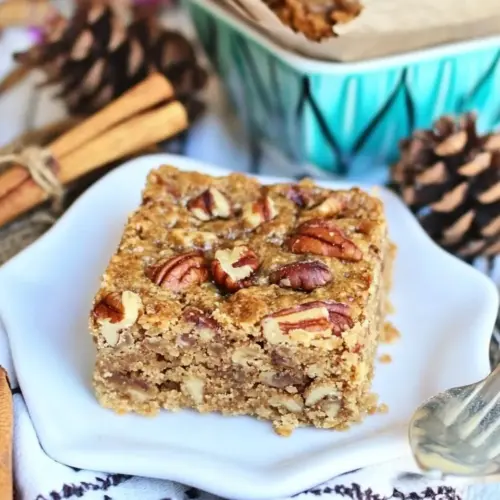
Pecan Shortbread Bars
Equipment
- 9 inch square pan
- Oven
- Mixing Bowl
- Knife
- Fork
Ingredients
- 1 cup all-purpose flour Provides structure and tenderness to the bars while absorbing fats and liquids; all-purpose flour creates the shortbread’s crumb and helps bind other ingredients into a cohesive dough. Sifting or gently whisking prevents lumps and ensures even distribution for a consistent texture.
- 1 stick 8 tablespoons butter, unsalted and softened Adds rich creaminess and moisture that contributes to the tender, melt-in-your-mouth shortbread texture; unsalted butter lets you control the overall salt level. Softening to room temperature ensures proper creaming with sugar and even incorporation into the flour.
- 1/2 cup light brown sugar packed Sweetens and contributes a deeper, caramel-like flavor while adding slight moisture that keeps the bars from drying out; packed light brown sugar enhances chewiness and shortbread flavor complexity. Creaming it with butter helps create a fine, tender crumb and distributes sweetness evenly.
- 1 1/4 cups finely chopped pecans Provides crunchy texture and a nutty, toasted flavor that contrasts the buttery shortbread base; finely chopped pecans distribute uniformly through the bars for consistent bites. Toasting the pecans lightly before chopping can intensify their flavor without altering the recipe proportions.
Instructions
- Preheat oven to 300 degrees.: The oven warming gives you the steady, gentle heat needed for even baking. As it approaches temperature you should notice a faint warm scent in the kitchen that is different from the butter aroma, and the air will feel cozy. Using an oven thermometer helps ensure accuracy, since a hotter oven will brown the edges too fast, while a cooler oven will leave the center underbaked. A common error is placing the pan too close to the heating element, so position it in the center rack for best results.
- Mix together the flour, butter, brown sugar and pecan until the dough comes together (best to use your hands).: Right after combining the dry and wet, expect a tactile, slightly crumbly mixture that gradually firms as you press. The butter should be fully incorporated into the flour , and the pecans will add a grainy crunch. Your hands warm the butter slightly, helping the dough bind; if it gets greasy, pop it in the fridge for ten minutes. Avoid overmixing, which leads to tough shortbread, and if you find the texture too dry, a teaspoon of cold water can help, used sparingly.
- Pat the dough into an ungreased 9-inch square pan. Every 1 1/2 – 2 inches pierce the top with a fork.: As you press the dough, you want a smooth, even surface with no deep cracks. The act of piercing creates escape routes for steam, preventing bubbling and encouraging an even bake. You will feel the dough firm under your palms and see tiny interruptions where the fork goes through. If the dough resists spreading, let it sit at room temperature for a minute to relax. Press firmly but gently, avoiding stretching that creates air pockets which will cause uneven browning.
- Bake for 40 minutes or until the shortbread has browned lightly. Cut while still warm.: During baking you should see the edges take on a pale golden hue and the surface develop a subtle, even brown. The aroma will shift from buttery to toasty and nutty as the pecans release their oils. A good test is to press gently at the center edge, it should feel set without wobble. If the top browns too quickly, loosely tent with foil. A common mistake is checking too early and opening the oven repeatedly, which can lead to uneven bake.
- Cut while still warm: As soon as the pan is out, the bars are easiest to slice; the butter is still warm enough to let a clean cut but the structure is holding. Use a sharp knife and wipe it between cuts for neat edges, and you will hear a faint soft cracking sound as the knife passes through toasty bits of pecan . Waiting until completely cool can make the bars crumbly, so aim to cut when warm but not scorching. If your bars spread during baking, chilling briefly can help firm them for cleaner slices.
Notes
- Chill if necessary If the dough becomes too soft from warm hands or a warm kitchen, pop it in the refrigerator for ten to fifteen minutes so it firms without losing its tender texture.
- Toast the pecans A quick five to seven minute toast in a dry skillet deepens the nutty aroma, but watch them closely to prevent burning which turns them bitter.
- Measure flour properly Spoon flour into the cup and level it off rather than scooping, this prevents a dry, dense result which can make the bars heavy.
- Use an oven thermometer Many ovens run hot or cold, so a thermometer ensures the specified 300 degrees is accurate to avoid overbrowning or underbaking.
- Clean knife between cuts For neat presentation, wipe the blade with a warm, damp cloth between slices which avoids crumb buildup and ragged edges.