Lemon and Basil Chicken Pasta
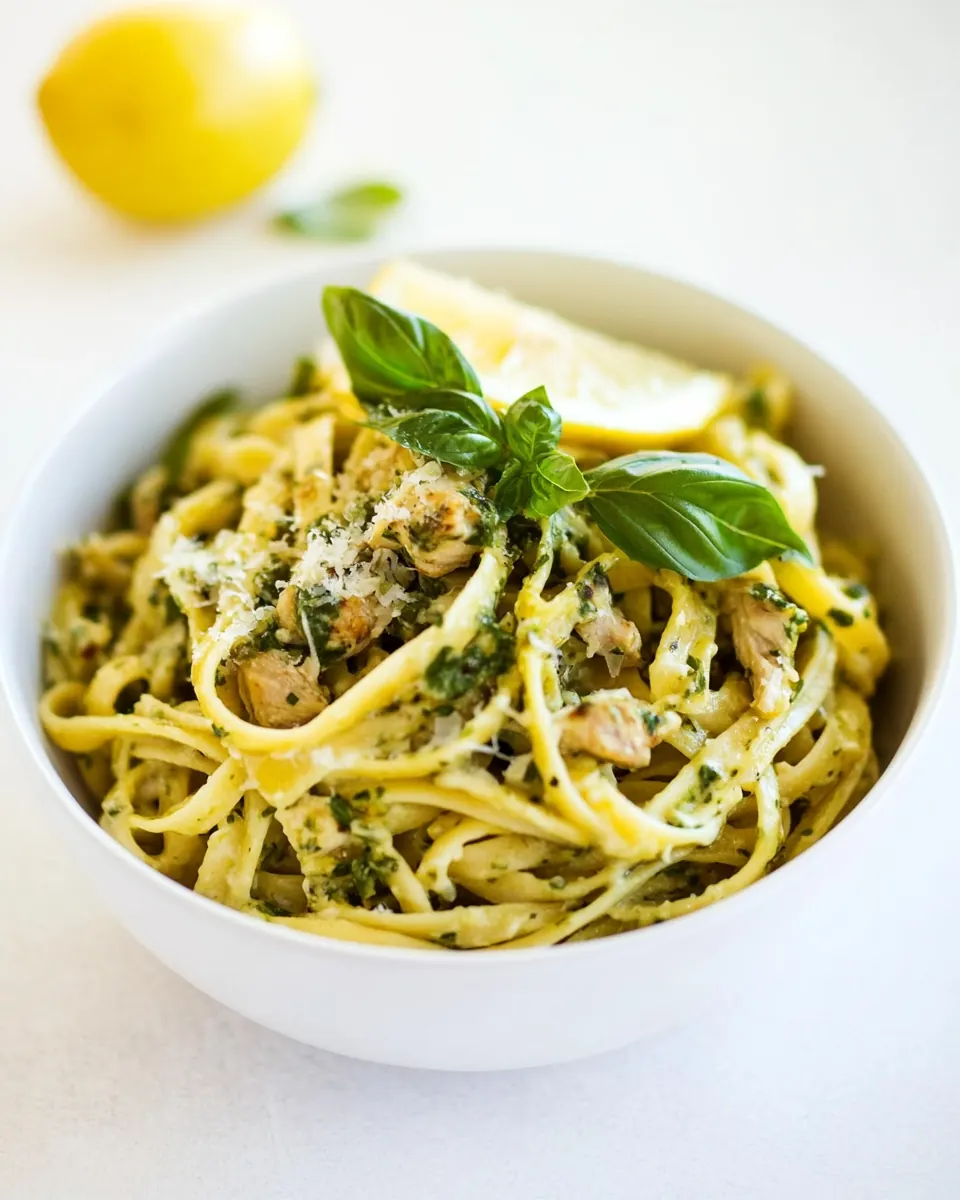
Lemon and Basil Chicken Pasta stole its way into my weeknight rotation the first time I made it after a chaotic day when the fridge held only a few treasures and I needed something fast, bright, and comforting. I remember standing at the counter, squeezing a lemon until my hands tingled, and thinking how a few simple ingredients could turn into a meal that felt both light and indulgent. That first forkful, with warm linguine tangled in glossy lemon and oil, dotted with flecks of basil and tender ribbons of chicken, made me grin in the kitchen, like a small victory.
Since then, I’ve made Lemon and Basil Chicken Pasta when friends pop over unexpectedly, when I need a quick dinner that still feels thoughtful, and on slow Sundays when I want something unfussy yet elegant. Each time I cook it I tweak the lemon intensity, sometimes adding a touch more zest for brightness, occasionally stirring in extra parmesan cheese to boost richness. The memory of the citrus aroma lifting from the pan always takes me back to that first evening, and I love how this recipe feels adaptable and forgiving, perfect for cooks at any level.
Recipe Snapshot
15 mins
5 mins
10 mins
Medium
450 kcal
Italian
Keto, Gluten-Free
Dinner
Large pan, Jug, Stick blender, Grater
The Beauty of This Lemon and Basil Chicken Pasta
Bright, clean flavors that sing
I love how Lemon and Basil Chicken Pasta balances brightness with savory comfort. The lemon juice and zest bring a lively acidity that wakes up the palate, while the olive oil and parmesan cheese round everything into a silky, satisfying sauce. It’s one of those recipes where each bite feels fresh yet comforting.
Speed without sacrifice
We can get dinner on the table fast, and yet it never feels rushed. With a short cooking time, you still achieve layered flavors because the sauce is emulsified and the reserved pasta water helps create a glossy coating. I appreciate recipes that respect time but deliver depth, and this one does exactly that.
Flexible and forgiving
I often swap small amounts depending on what I have on hand, but the core technique stays the same. The recipe forgives slightly different lemon yields, different chicken sizes, and even varied amounts of basil. That adaptability makes it a go to when pantry supplies are limited.
Textural contrast
The combination of al dente linguine, tender chicken, and the slight chew of grated parmesan cheese provides pleasing mouthfeel. You get silky sauce, tender protein, and herbaceous bursts from the basil, which keeps every forkful interesting.
Great for entertaining or solo nights
I like that Lemon and Basil Chicken Pasta can feel special without stress. Serve it for friends with a simple garnish, or plate it solo for a quiet, elevated meal. It’s one of those recipes that makes you look like you fussed, while actually being straightforward to execute.
Essential Ingredients for Lemon and Basil Chicken Pasta
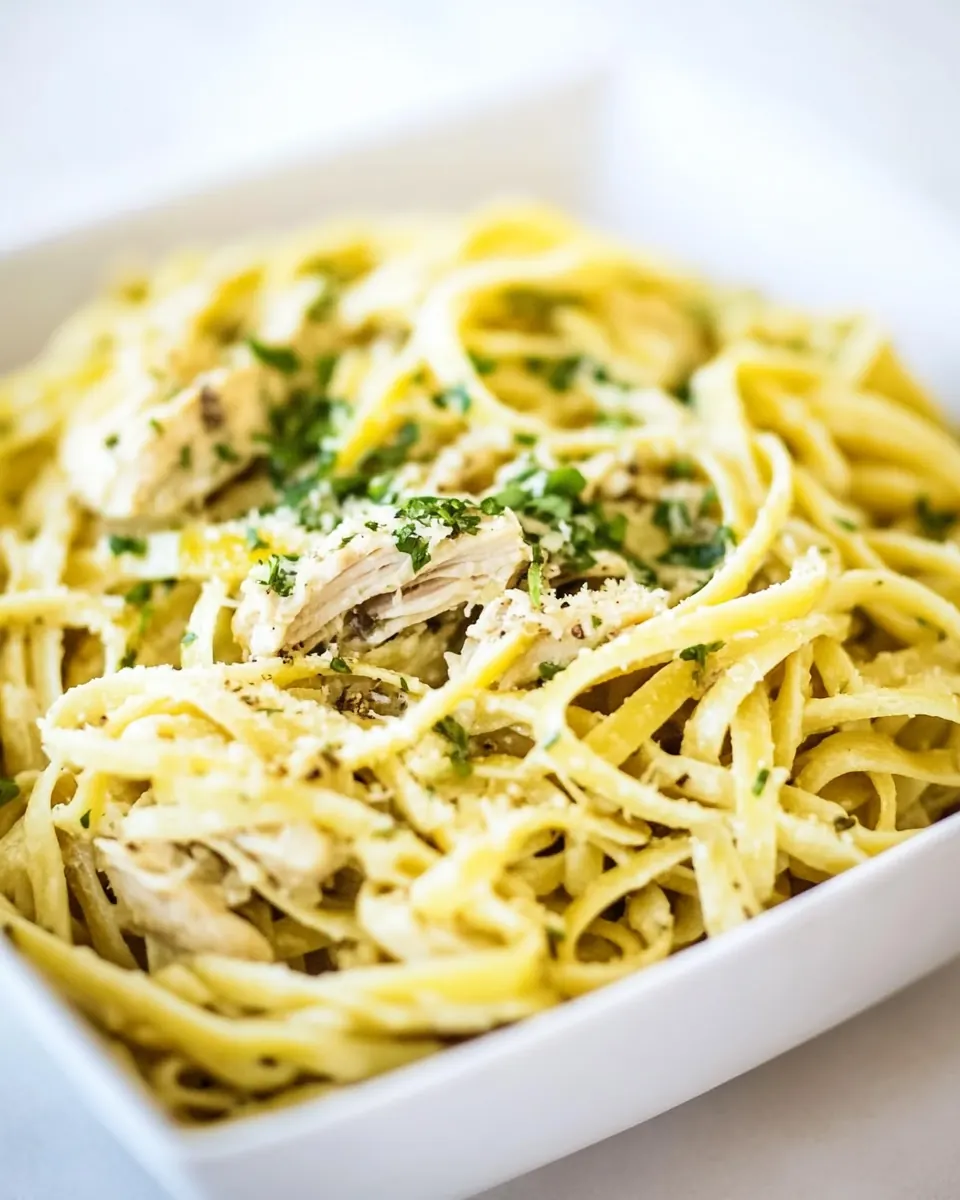
The philosophy here is simple: bright aromatics, silky fat, sharp cheese, and tender protein collaborate to create a balanced, flavorful pasta dish. Each ingredient has a clear job, and together they produce a sauce that clings to the noodles, while fresh basil lifts the dish with herbaceous notes.
- 225 g linguine: Boil in salted water until al dente; it forms the hearty base of the dish and carries sauce evenly. Toss with lemon, oil, cheese, chicken, and basil to meld flavors for a balanced pasta meal.
- 1 2 lemons (you want about 4 tablespoon of juice): Squeeze to extract about 4 tablespoons of juice; provides bright acidity that lifts the entire dish and balances the richness of oil and cheese. Zest before juicing if available to add aromatic citrus oils for extra depth.
- 4 tablespoon olive oil: Drizzle as the primary cooking fat and dressing; imparts a fruity, rich mouthfeel and helps distribute lemon and parmesan throughout the pasta. Warm gently with garlic or heat; avoid overheating to preserve delicate flavors.
- 35 g parmesan cheese (plus extra for garnish): Grate finely to add savory, umami richness and a slightly salty finish; melts into the hot pasta to create a silky coating. Reserve a little extra for garnishing each serving to heighten aroma and presentation.
- 100 g cooked chicken: Shred or dice and fold into the pasta for protein and a tender, savory bite; complements the bright lemon and fresh basil. Use pre-cooked chicken warmed through to keep the dish quick and ensure safe temperature.
- Salt and pepper to taste: Season at multiple stages to enhance and balance flavors; adjust to taste to complement the lemon’s acidity and parmesan’s saltiness. Add gradually and taste as you combine ingredients to avoid over-seasoning.
- large handful fresh basil (plus extra for garnish): Tear or chiffonade and scatter through the pasta to deliver fresh herbal aroma and a peppery-sweet lift; acts as a finishing herb that brightens every bite. Keep some extra for garnish to preserve its vibrant color and scent.
Step by Step Guide for Lemon and Basil Chicken Pasta
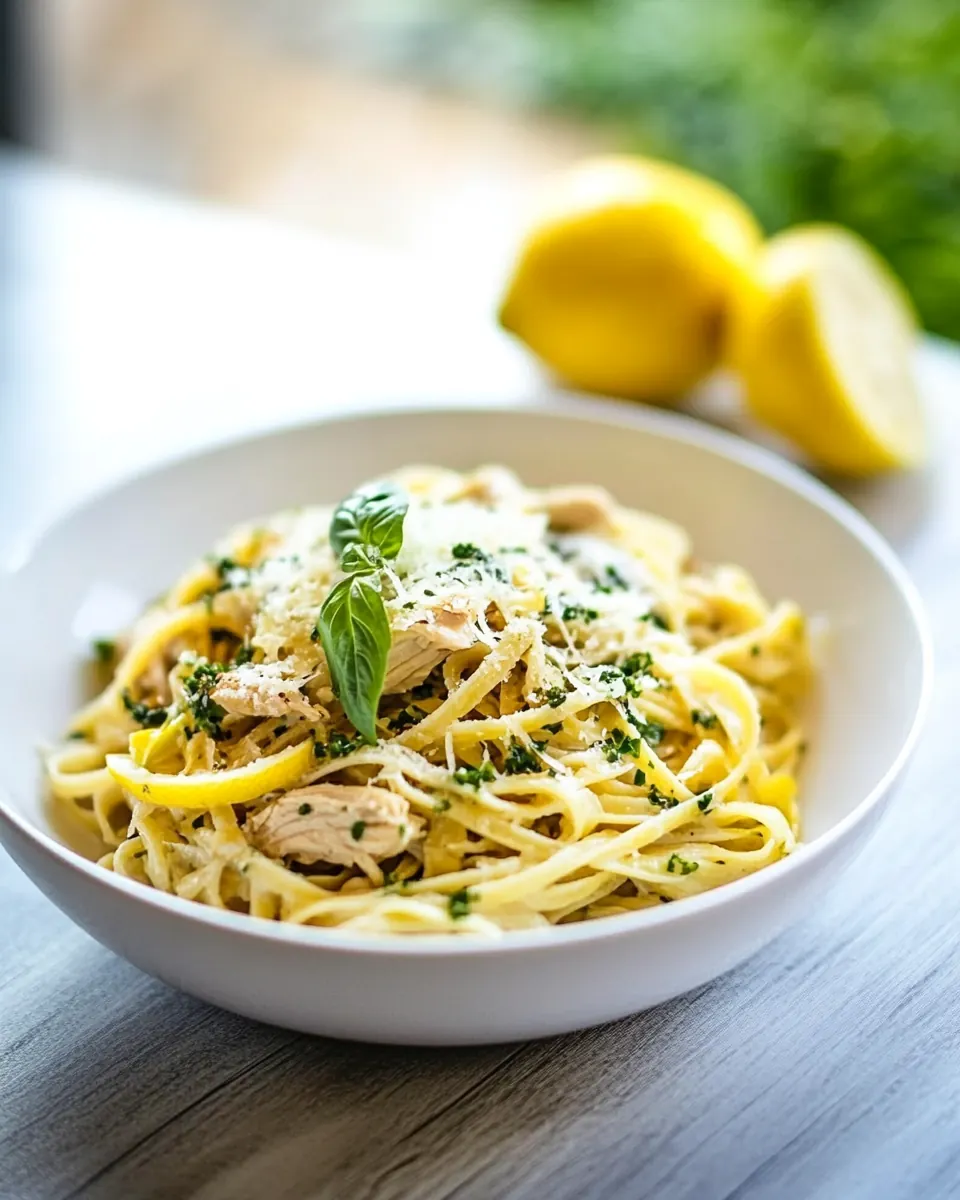
These steps will walk you through building flavor from the pasta water out, creating an emulsified lemon sauce, and finishing with herbaceous brightness. The technique focuses on timing and texture so the sauce clings to each strand.
- Bring a large pan of water to the boil, add salt and then add your linguine. Bring back to the boil and cook the pasta for 2 minutes less than the packet suggests.: The kitchen will fill with a faint saline steam as the water reaches a rolling boil, which signals it is ready for the linguine . Adding salt now seasons the pasta from the inside out, and you should notice the water smelling mildly seaworthy rather than flat. Make sure the pan is large enough so the linguine can move freely, preventing clumping. A common mistake is under salting the water, leaving the final dish tasting bland, so be generous but measured when salting.
- Grate the zest off one lemon, then cut it in half and juice it into a large jug. You want 4 tablespoon of lemon juice. If you have nice big juicy lemons you should get this from one lemon, but smaller lemons may yield less. Juice the second lemon if needed.: When the water returns to a boil after adding the linguine , watch the timer and aim to stop cooking a couple of minutes early so the pasta remains firm to the bite. The texture should be springy with a tiny white center when you bite into it. This undercooking is intentional because the noodles finish cooking while tossed with the sauce, avoiding a mushy result. Avoid the trap of following packet times exactly, which often yields overcooked pasta.
- Pour the olive oil into the jug and use a stick blender to create an emulsion. Add the parmesan cheese and the salt and pepper and blend again.: You will immediately notice bright citrus oils from the zest, a fragrant scent that sets the tone. Juicing into a jug prevents losing any seeds and lets you measure the target of about 4 tablespoon of juice. If the lemons are small, squeezing a second lemon is better than diluting the flavor. A common error is zesting after juicing, which is harder and wastes the aromatic oils.
- Cut the chicken into small pieces.: Blending the olive oil with the lemon juice creates a glossy, stable emulsion that will cling to the linguine . As you blend you will hear a steady, low hum and see the mixture thicken slightly into a smoother texture. This step matters because a well emulsified sauce coats the pasta evenly rather than pooling. If you skip emulsifying, the dressing can separate and feel greasy.
- When the pasta is cooked reserve a cup of the cooking water and then drain the pasta.: Once the parmesan cheese hits the blender, the aroma deepens and the sauce gains savory, nutty notes. Blending after adding the cheese ensures it integrates and helps thicken the dressing. Taste carefully because parmesan cheese brings salt; over seasoning here is an easy misstep, so adjust gradually.
- Add 1/4 of the reserved liquid into the pan and add the chicken, stir for a minute or two to heat through.: As you cut the cooked chicken , you should see tidy, bite sized pieces that will warm through quickly. Smaller cuts allow even heat distribution and better integration into each forkful. If pieces are too large they can stay cool and disrupt the texture balance, so aim for uniformity for even mouthfuls.
- Pour the lemon sauce into the pan and then add the pasta.: The starchy, hot cooking water will be slightly cloudy and warm to the touch, and it is gold for adjusting sauce texture. Reserving a cup before draining gives you the tool to loosen or thicken the sauce. A typical slip is forgetting to reserve the water, which makes it harder to achieve a glossy finish when tossing.
- Stir well and add a further 1/4 of the reserved cooking water.: Pouring a controlled amount of the reserved pasta water into the pan helps create a warm base that gently heats the chicken without drying it. Stirring for a minute or two ensures the pieces take on a bit of warmth and integrate into the pan. If you overheat the chicken it can become dry, so keep the heat gentle and monitor the temperature.
- Stir through the basil and lemon zest.: As the emulsion hits the warm pan you will hear a soft hiss and see the sauce gloss over the bottom, ready to be tangled with the linguine . Adding the pasta now allows the starchy surface to marry with the citrus oil, creating a clingy coating. If the pan is too hot, the sauce can separate, so remove from high heat if needed.
- If the pasta feels sticky add more pasta water until you have a sauce that just coats the pasta.: Vigorous stirring helps the sauce bind to the pasta, creating a ribbon like sheen. The additional reserved water loosens the sauce if it seems tight, and watching the texture is key, you want a thin coating that hugs each strand. A misstep is adding too much water at once, which can dilute the lemon flavor, so add little by little.
- Check the seasoning and then serve with some extra parmesan and a sprinkling of basil.: Folding in torn or sliced basil near the end preserves its color and fragrance, releasing bright aromas as the leaves wilt just slightly. The lemon zest adds concentrated citrus perfume and visual flecks. Add them gently so they retain freshness, rather than cooking them down into dullness.
- If the pasta feels sticky add more pasta water until you have a sauce that just coats the pasta: The tactile test is key here, the sauce should cling without being gluey. Add small splashes of the reserved water and stir until the consistency is glossy and smooth. Overwatering will leave the dish soupy rather than luxuriously coated.
- Check the seasoning and then serve with some extra parmesan and a sprinkling of basil: Taste and adjust salt and pepper, then plate and finish with extra grated parmesan cheese and a scattering of fresh basil . The final garnishes add aroma and textural contrast. One common mistake is skipping a final taste check, which can leave the dish under seasoned.
Customization Ideas
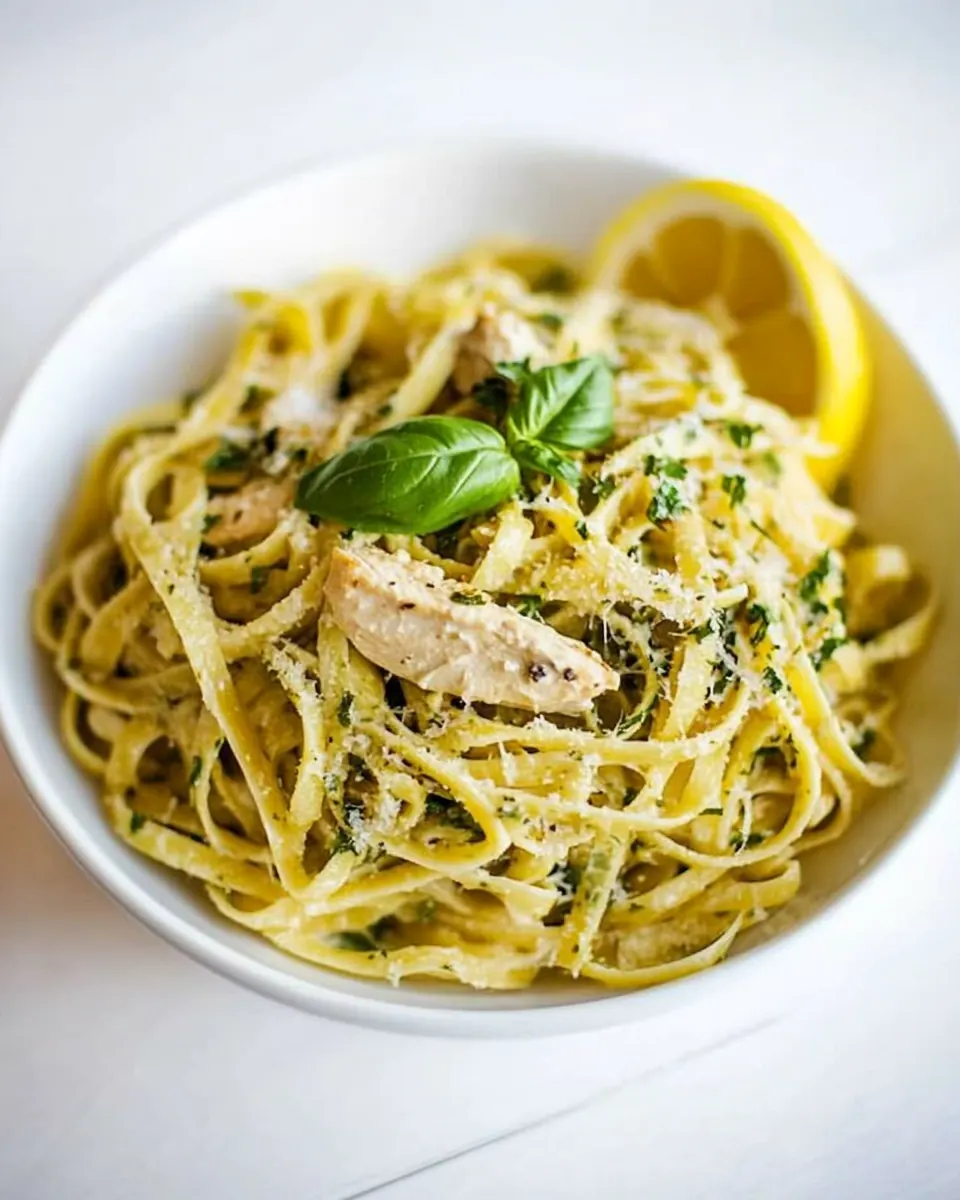
This recipe adapts easily to personal preference and what you have in the kitchen. Below are practical, flavorful ways to tweak the dish while keeping the core technique intact.
- Boost the lemon intensity by adding extra grated zest just before serving for a brighter finish without changing the sauce balance.
- Make it creamier by stirring in a small spoonful of reserved pasta water with more parmesan cheese, which will create a silkier, slightly thicker coating.
- Swap pasta shapes using short tubular pasta if you prefer bite sized forks that trap more sauce in their ridges.
- Warm through the chicken gently in a splash of the reserved water to avoid drying while ensuring even temperature across pieces.
- Finish with extra basil as a raw garnish to maximize herbal aroma and a pop of color on each plate.
Serving Options for Lemon and Basil Chicken Pasta
This dish works beautifully across occasions, from casual weeknights to small dinner gatherings. The following ideas explore pairing, presentation, and storage so you can serve it confidently in multiple settings.
- Casual weeknight plate Serve a generous portion of Lemon and Basil Chicken Pasta on warm bowls, topped with extra grated parmesan cheese and a scattering of torn basil for a simple, comforting meal.
- Light lunch Plate a smaller portion alongside a crisp green salad for contrast, keeping the lemon brightness as the focal point of the meal.
- Small dinner party Present the pasta family style in a shallow serving bowl, finishing with visible lemon zest and basil leaves so guests can help themselves to an elegantly rustic meal.
- Seasonal pairing For spring occasions, emphasize fresh herbs and serve alongside lightly dressed vegetables to echo the lemon notes and keep the menu fresh.
- Storage tip Store leftover pasta in an airtight container with a splash of reserved pasta water to preserve sauce texture, and reheat gently on the stove to avoid drying the chicken.
- Occasion notes This recipe is suitable for everyday dinners, spring gatherings, and quick meals when you want something bright yet satisfying.
FAQ
Conclusion
What makes this dish special is how a few accessible ingredients come together to create vibrant, balanced flavors that feel both fresh and comforting. I encourage you to try Lemon and Basil Chicken Pasta because it proves fast cooking can still be sophisticated, and it rewards small techniques like reserving pasta water and emulsifying the sauce. Make it on a busy weeknight or when guests arrive unexpectedly, and enjoy how simple choices yield a satisfying, memorable meal.
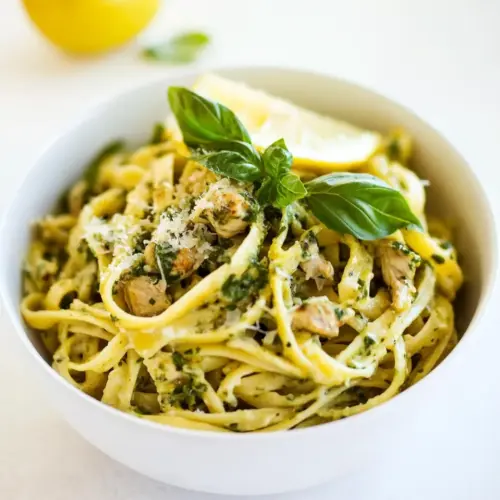
Lemon and Basil Chicken Pasta
Equipment
- Large Pan
- Jug
- Stick blender
- Grater
Ingredients
- 225 g linguine Boil in salted water until al dente; it forms the hearty base of the dish and carries sauce evenly. Toss with lemon, oil, cheese, chicken, and basil to meld flavors for a balanced pasta meal.
- 1 -2 lemons (you want about 4 tablespoon of juice) Squeeze to extract about 4 tablespoons of juice; provides bright acidity that lifts the entire dish and balances the richness of oil and cheese. Zest before juicing if available to add aromatic citrus oils for extra depth.
- 4 tablespoon olive oil Drizzle as the primary cooking fat and dressing; imparts a fruity, rich mouthfeel and helps distribute lemon and parmesan throughout the pasta. Warm gently with garlic or heat; avoid overheating to preserve delicate flavors.
- 35 g parmesan cheese (plus extra for garnish) Grate finely to add savory, umami richness and a slightly salty finish; melts into the hot pasta to create a silky coating. Reserve a little extra for garnishing each serving to heighten aroma and presentation.
- 100 g cooked chicken Shred or dice and fold into the pasta for protein and a tender, savory bite; complements the bright lemon and fresh basil. Use pre-cooked chicken warmed through to keep the dish quick and ensure safe temperature.
- Salt and pepper to taste Season at multiple stages to enhance and balance flavors; adjust to taste to complement the lemon’s acidity and parmesan’s saltiness. Add gradually and taste as you combine ingredients to avoid over-seasoning.
- large handful fresh basil (plus extra for garnish) Tear or chiffonade and scatter through the pasta to deliver fresh herbal aroma and a peppery-sweet lift; acts as a finishing herb that brightens every bite. Keep some extra for garnish to preserve its vibrant color and scent.
Instructions
- Bring a large pan of water to the boil, add salt and then add your linguine. Bring back to the boil and cook the pasta for 2 minutes less than the packet suggests.: The kitchen will fill with a faint saline steam as the water reaches a rolling boil, which signals it is ready for the linguine . Adding salt now seasons the pasta from the inside out, and you should notice the water smelling mildly seaworthy rather than flat. Make sure the pan is large enough so the linguine can move freely, preventing clumping. A common mistake is under salting the water, leaving the final dish tasting bland, so be generous but measured when salting.
- Grate the zest off one lemon, then cut it in half and juice it into a large jug. You want 4 tablespoon of lemon juice. If you have nice big juicy lemons you should get this from one lemon, but smaller lemons may yield less. Juice the second lemon if needed.: When the water returns to a boil after adding the linguine , watch the timer and aim to stop cooking a couple of minutes early so the pasta remains firm to the bite. The texture should be springy with a tiny white center when you bite into it. This undercooking is intentional because the noodles finish cooking while tossed with the sauce, avoiding a mushy result. Avoid the trap of following packet times exactly, which often yields overcooked pasta.
- Pour the olive oil into the jug and use a stick blender to create an emulsion. Add the parmesan cheese and the salt and pepper and blend again.: You will immediately notice bright citrus oils from the zest, a fragrant scent that sets the tone. Juicing into a jug prevents losing any seeds and lets you measure the target of about 4 tablespoon of juice. If the lemons are small, squeezing a second lemon is better than diluting the flavor. A common error is zesting after juicing, which is harder and wastes the aromatic oils.
- Cut the chicken into small pieces.: Blending the olive oil with the lemon juice creates a glossy, stable emulsion that will cling to the linguine . As you blend you will hear a steady, low hum and see the mixture thicken slightly into a smoother texture. This step matters because a well emulsified sauce coats the pasta evenly rather than pooling. If you skip emulsifying, the dressing can separate and feel greasy.
- When the pasta is cooked reserve a cup of the cooking water and then drain the pasta.: Once the parmesan cheese hits the blender, the aroma deepens and the sauce gains savory, nutty notes. Blending after adding the cheese ensures it integrates and helps thicken the dressing. Taste carefully because parmesan cheese brings salt; over seasoning here is an easy misstep, so adjust gradually.
- Add 1/4 of the reserved liquid into the pan and add the chicken, stir for a minute or two to heat through.: As you cut the cooked chicken , you should see tidy, bite sized pieces that will warm through quickly. Smaller cuts allow even heat distribution and better integration into each forkful. If pieces are too large they can stay cool and disrupt the texture balance, so aim for uniformity for even mouthfuls.
- Pour the lemon sauce into the pan and then add the pasta.: The starchy, hot cooking water will be slightly cloudy and warm to the touch, and it is gold for adjusting sauce texture. Reserving a cup before draining gives you the tool to loosen or thicken the sauce. A typical slip is forgetting to reserve the water, which makes it harder to achieve a glossy finish when tossing.
- Stir well and add a further 1/4 of the reserved cooking water.: Pouring a controlled amount of the reserved pasta water into the pan helps create a warm base that gently heats the chicken without drying it. Stirring for a minute or two ensures the pieces take on a bit of warmth and integrate into the pan. If you overheat the chicken it can become dry, so keep the heat gentle and monitor the temperature.
- Stir through the basil and lemon zest.: As the emulsion hits the warm pan you will hear a soft hiss and see the sauce gloss over the bottom, ready to be tangled with the linguine . Adding the pasta now allows the starchy surface to marry with the citrus oil, creating a clingy coating. If the pan is too hot, the sauce can separate, so remove from high heat if needed.
- If the pasta feels sticky add more pasta water until you have a sauce that just coats the pasta.: Vigorous stirring helps the sauce bind to the pasta, creating a ribbon like sheen. The additional reserved water loosens the sauce if it seems tight, and watching the texture is key, you want a thin coating that hugs each strand. A misstep is adding too much water at once, which can dilute the lemon flavor, so add little by little.
- Check the seasoning and then serve with some extra parmesan and a sprinkling of basil.: Folding in torn or sliced basil near the end preserves its color and fragrance, releasing bright aromas as the leaves wilt just slightly. The lemon zest adds concentrated citrus perfume and visual flecks. Add them gently so they retain freshness, rather than cooking them down into dullness.
- If the pasta feels sticky add more pasta water until you have a sauce that just coats the pasta: The tactile test is key here, the sauce should cling without being gluey. Add small splashes of the reserved water and stir until the consistency is glossy and smooth. Overwatering will leave the dish soupy rather than luxuriously coated.
- Check the seasoning and then serve with some extra parmesan and a sprinkling of basil: Taste and adjust salt and pepper, then plate and finish with extra grated parmesan cheese and a scattering of fresh basil . The final garnishes add aroma and textural contrast. One common mistake is skipping a final taste check, which can leave the dish under seasoned.
Notes
- Boost the lemon intensity by adding extra grated zest just before serving for a brighter finish without changing the sauce balance.
- Make it creamier by stirring in a small spoonful of reserved pasta water with more parmesan cheese, which will create a silkier, slightly thicker coating.
- Swap pasta shapes using short tubular pasta if you prefer bite sized forks that trap more sauce in their ridges.
- Warm through the chicken gently in a splash of the reserved water to avoid drying while ensuring even temperature across pieces.
- Finish with extra basil as a raw garnish to maximize herbal aroma and a pop of color on each plate.