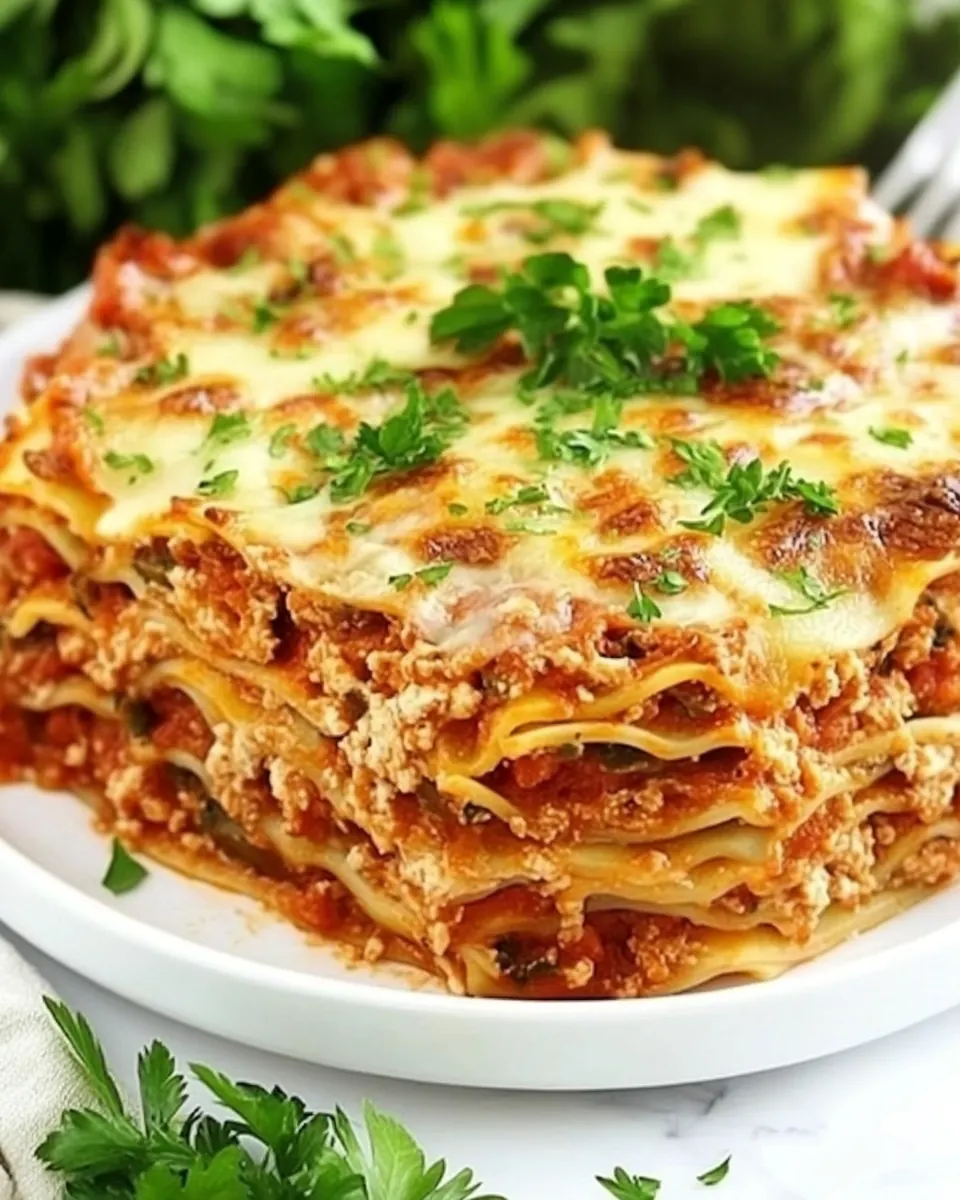
Instant Pot Lasagna
Instant Pot Lasagna was one of those recipes that changed how I think about comfort food and weeknight cooking. The first time I made it I was short on time and wanted something hearty, so I grabbed the Instant Pot, a simple jar of crushed tomatoes, and whatever cheeses I had on hand. Right away I loved how the textures melded together, every forkful giving me a little bit of bubbling cheese, tender noodles, and a savory meat sauce that smelled of garlic and herbs.
I remember standing by the counter while it finished, the kitchen filling with the scent of simmering tomatoes and warm cheese, and feeling oddly proud of creating a layered, homey meal without hauling out the oven. Over repeated makes I learned tiny tricks, like how to tear the noodles so they fit the pan just right, and how a short rest after pressure cooking helps everything set so slices hold their shape. These small discoveries turned a once-daunting dish into one I reach for when I want something special but not fussy.
Recipe Snapshot
39 mins
15 mins
24 mins
Hard
350 kcal
Italian
Keto, Gluten-Free
Dinner
Instant Pot, Skillet, 7 inch springform pan, Trivet
Why This Instant Pot Lasagna Stands Out
Speed without sacrifice
I love that Instant Pot Lasagna shaves hours off the usual bake time yet still delivers the soft noodles and melded flavors I expect from a slow oven bake. Using pressure changes how the sauce and cheeses integrate, giving you a luscious, creamy bite much quicker than the oven method. I find this invaluable on busy evenings when you want comfort food but have limited time.
Foolproof layering
I always appreciate that the layering is forgiving. Breaking the noodles and arranging them in a springform pan means you do not need perfectly sized sheets, and the assembly stays simple. This method reduces stress and makes the lasagna accessible even if you are not confident with pasta sheets, which is why I keep coming back to it.
Flavor concentration
Pressure cooking intensifies the sauce so the flavors of garlic, herbs, and browned meat feel more pronounced. I find that the brief saute step beforehand gives the dish a base of caramelized aromatics that make a big difference. The result feels balanced, with the cheese rounding out the acidity from the tomatoes.
Textural delight
What stands out is the contrast between the creamy ricotta cheese layer and the stretchy mozzarella cheese topping. The cheeses create pockets of soft richness amidst the meaty sauce, and letting the lasagna rest yields neat slices that still feel molten and inviting. I especially love cutting into it and watching the cheeses pull, it is a small, satisfying moment.
Adaptable and family friendly
This version adapts to what you have in your fridge, and it appeals to picky eaters and hungry adults alike. I often double the sauce for leftovers or make a smaller pan for two, and everyone always asks for seconds. It is a dependable recipe for gatherings when you need something comforting that holds up well to reheating.
What to Buy for Instant Pot Lasagna
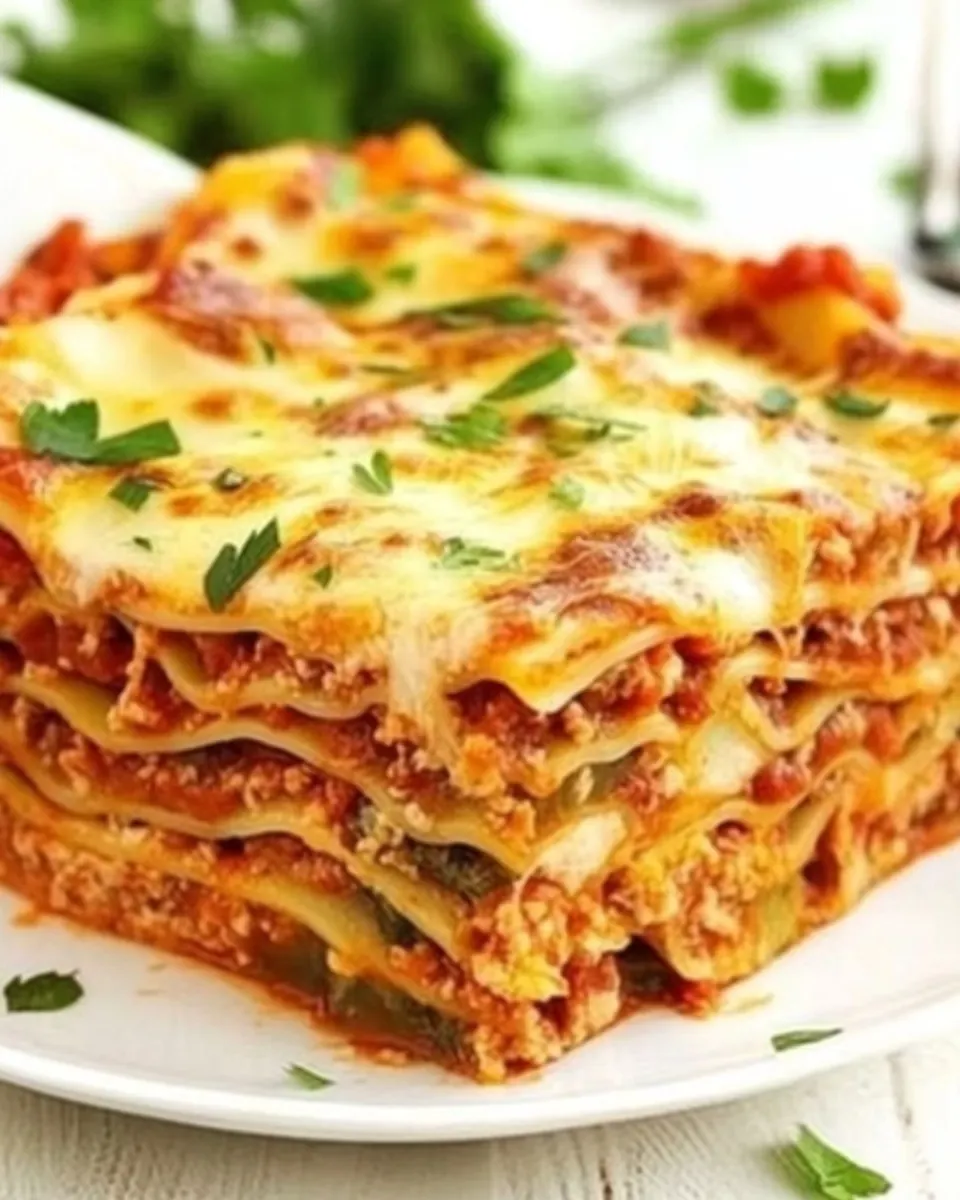
These ingredients come together with a clear purpose, each one playing a role in building layers of flavor and texture. The tomato base gives the dish body and acidity, the cheeses bring creaminess and binding, while the aromatics and seasoning provide depth. Together they form a straightforward team that produces a cozy, satisfying lasagna that cuts clean and tastes rich.
- 1 tablespoon olive oil: Sauté gently in the pot to release a fruity aroma and provide a flavorful cooking fat that prevents sticking while building the base of the sauce for the lasagna.
- 2 teaspoons minced garlic: Add early to impart pungent, savory depth and boost the overall aroma; mince finely so it distributes evenly and softens quickly during sautéing.
- 1/2 cup chopped yellow onion: Cook until translucent to contribute sweetness and a mellow onion backbone to the sauce; chop uniformly so it softens at the same rate as other aromatics.
- 1/4 cup chopped green bell pepper: Sauté until softened to add bright, slightly bitter vegetal notes and a mild peppery contrast that complements the richness of the meat and cheese.
- 1/2 lb lean ground beef or turkey: Brown thoroughly to develop a savory, meaty foundation and caramelized flavor; choose lean to reduce excess grease while retaining satisfying texture.
- 1 teaspoon Italian seasoning: Sprinkle in to introduce a balanced mix of Mediterranean herbs that uplift the tomato sauce and harmonize with the cheeses and meat.
- 1/4 teaspoon crushed red pepper flakes: Add sparingly to provide a hint of heat and complexity; crush flakes release capsaicin that enhances flavor without overwhelming the dish.
- 2 1/2 cups crushed tomatoes: Stir in to create the tomato base of the lasagna; crushed tomatoes provide body, acidity, and rich tomato flavor that simmers into the sauce.
- 1 cup ricotta cheese: Fold into the cheese mixture to contribute creamy texture and mild tang, helping bind the filling and add richness between noodle layers.
- 1/4 cup shredded Parmesan cheese: Stir into the ricotta or sprinkle over layers to offer salty, nutty umami that brightens the filling and enhances overall savory taste.
- 1/4 cup shredded mozzarella cheese: Top or layer to create gooey, melted stretchiness and mild creaminess that forms the appealing cheesy finish on each serving.
- 1 large egg: Beat and incorporate to act as a binder in the cheese mixture, giving structure to the filling and helping it set when cooked.
- 1 cup of baby spinach torn into pieces: Tear and mix in to add tender green freshness, subtle earthiness, and a nutritional boost that wilts nicely into the hot sauce and cheeses.
- 1 1/2 cups of water: Pour in to provide the necessary liquid for pressure cooking, preventing scorching and helping pasta soften while infusing flavors throughout.
- 7 to 8 no-boil lasagna noodles also known as oven-ready: Layer carefully to create the pasta structure of the lasagna; oven–ready noodles hydrate during pressure cooking and hold the casserole together.
- 1 cup shredded mozzarella cheese: Scatter over layers and top to create additional melty, bubbly cheese coverage that enhances creaminess and visual appeal when finished.
- chopped parsley: Garnish at the end to add a bright herbaceous finish, subtle freshness, and visual contrast that complements the rich components of the lasagna.
Making This Instant Pot Lasagna
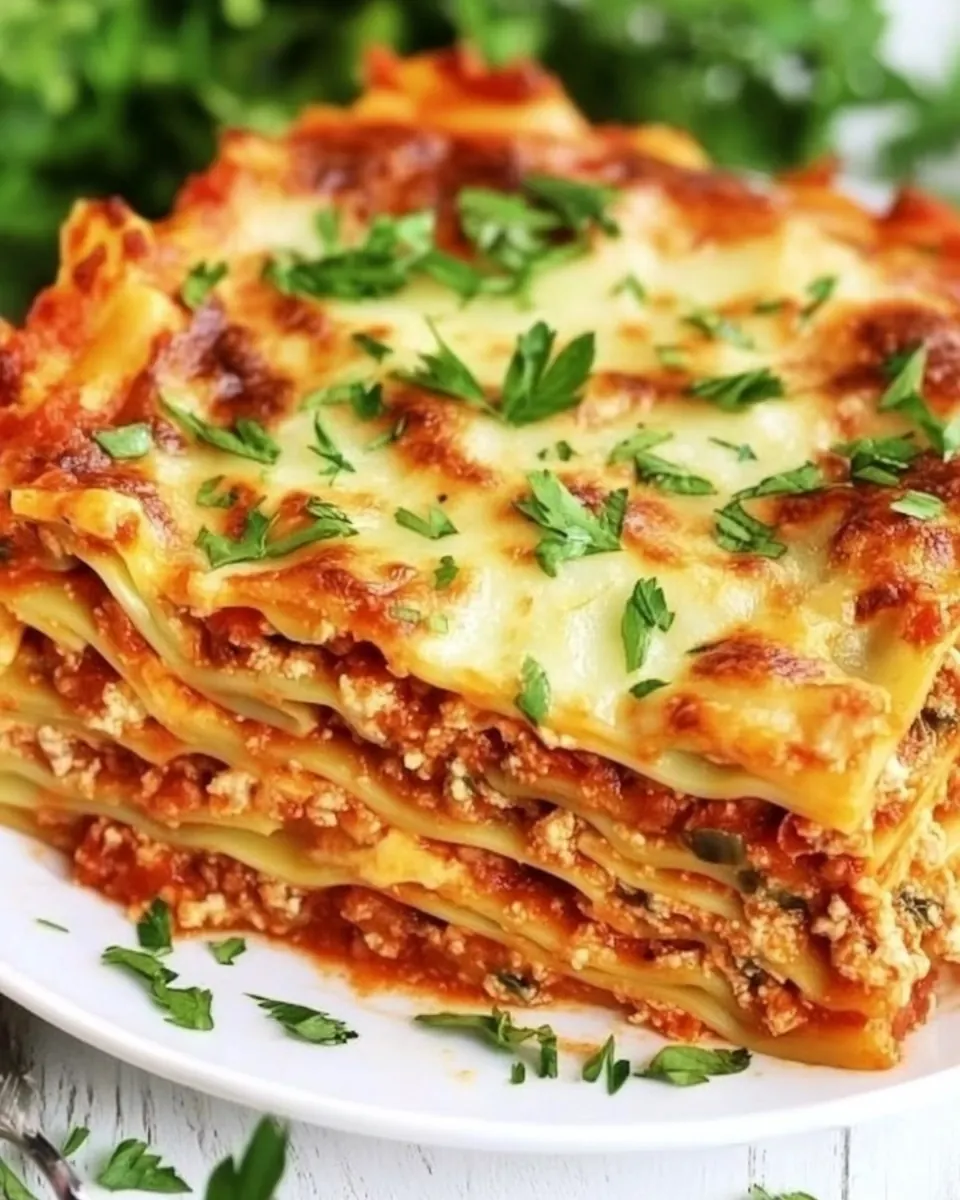
The process is hands on but very satisfying. I approach each step like building a small savory cake, layering flavors and textures deliberately. Take your time with the saute to develop a rich base, and trust the pressure cook to meld everything quickly. After pressure cooking, the rest period is crucial for the lasagna to set, so resist the urge to dig in immediately.
- In a skillet, heat up olive oil. Add garlic, onion and green pepper. Saute for 3 to 4 minutes.: The air fills with a warm, fruity scent as the olive oil shimmers in the pan, signaling the correct heat level. This step matters because the oil acts as a medium to transmit heat and gently coax flavors out of the aromatics, creating that golden, slightly sweet base essential for a robust sauce. As you add oil, watch for a subtle ripple across the surface which means it is ready, and avoid letting it smoke, because scorching will impart bitter notes. A common mistake is overheating the oil before the aromatics are added, which can burn the garlic the moment it hits the pan and lead to an acrid edge in the finished sauce. Keep a gentle medium heat and move quickly to the next step once the oil is hot.
- Add seasoning and stir in. This will activate the dried herbs and make the dish flavorful.: As you add the garlic , onion , and green bell pepper , you will hear a soft sizzle, and within a minute the kitchen fills with a sweet, savory aroma. The texture of the onions should go from firm to translucent, and the peppers should soften without losing all structure, giving a balanced mouthfeel in the finished sauce. This gentle saute extracts sugars and mellows sharp edges, which prevents any raw, harsh flavors from lingering. Avoid crowding the skillet or cooking on too high heat, which causes uneven browning and can make pieces char rather than soften, creating unwanted bitter spots in the sauce.
- Add ground beef and cook, breaking apart with a wooden spoon, until done and no longer pink.: The short saute time allows the vegetables to become fragrant and slightly tender while keeping brightness intact; you should notice the mixture turning glossy and the onion edges softening. This timing helps unlock the aromatics that will infuse the rest of the dish during pressure cooking, and it ensures the final sauce maintains some layered texture rather than becoming totally uniform. A typical error is undercooking which leaves crunchy raw bits, or overcooking until everything collapses and loses individual character, so aim for that translucent, softened stage for best results.
- Add crushed tomatoes and stir in. Let it come to simmer. Remove from heat and set aside.: When you add the Italian seasoning and crushed red pepper flakes , they release fragrant herbal notes as they bloom in the hot oil, deepening the aroma immediately. This brief contact with heat activates the dried herbs, making them taste more vivid and integrated with the vegetables. It is important because it prevents the seasoning from tasting flat once mixed into the wet sauce. One pitfall is adding dried herbs too late when the dish is cold, which keeps them from blooming and results in less aromatic impact.
- In a medium bowl, mix ricotta cheese with egg. Stir in both mozzarella and Parmesan. Add spinach and stir in. Set aside.: As you add the ground beef or turkey , you will hear a louder sizzle as the meat hits the pan, and small brown bits will form on the bottom, creating fond. Browning the meat properly builds savory depth, and breaking it apart helps the sauce distribute meaty texture evenly. Look for no visible pink and a nice golden edge on some pieces, which indicates good caramelization. A common mistake is stirring too frequently while browning, which prevents proper searing and reduces the intensity of flavor.
- Make sure the stainless steel insert is in your Instant Pot. Place the trivet inside and pour 1.5 cups of water into the pot.: The meat should feel firm and show no traces of pink, with browned edges that smell toasted and rich, which signals that the Maillard reaction has occurred. This creates complexity in the sauce and melds with the tomatoes for a fuller flavor profile. Be mindful not to overcook to dryness, especially with lean meats, which can result in a crumbly, less satisfying texture. If the meat releases a lot of liquid, raise the heat briefly to evaporate excess moisture and concentrate flavor.
- In a 7" springform pan, spread a thin layer of meat sauce on the bottom. Take two lasagna noodles, break into large pieces and layer over the sauce.: As you pour in the crushed tomatoes , you will notice a fresh, tangy aroma joining the browned meat scent, and the sauce will come together visually. The tomatoes provide acidity and body, balancing the rich meat and cheeses. Stirring helps deglaze the pan and lift those flavorful browned bits, which dissolve into the sauce and enhance complexity. A mistake to avoid is using watery tomatoes which can make the final lasagna runny; if that happens, simmer a bit longer to reduce and concentrate.
- Spread 1/2 of the ricotta mixture over the noodles.: A gentle simmer softens the tomato edges and allows the flavors to marry, producing a cohesive sauce with a rounded taste. You should see tiny bubbles forming around the edges and smell a harmonized tomato and herb profile. Simmering for a few minutes reduces raw tomato notes and allows the sauce to thicken slightly, which helps it cling to the noodles. Over-simmering at a high boil can toughen the meat and intensify acidity, so keep it gentle and controlled.
- Spread 1/3 of the meat sauce over ricotta layer.: Taking the sauce off the heat halts cooking and preserves the balance you created, while still allowing flavors to meld. This pause also cools the sauce slightly so it is safe to layer with cheeses without making them overly runny. A common oversight is layering when the sauce is too hot, which can melt the ricotta prematurely and interfere with structure; let it rest briefly before assembling.
- Add another layer of noodles.: Mixing ricotta cheese with an egg yields a silken filling that will set as it cools, providing a creamy, structured layer inside the lasagna. The texture should feel smooth and slightly thick, and the egg ensures slices hold their shape when served. Overmixing aggressively can make the mixture too loose or introduce air, which changes the mouthfeel, so fold gently until combined.
- Top it with 1/2 of the meat sauce.: Adding shredded mozzarella cheese and Parmesan cheese into the ricotta brings in meltiness and umami, creating pockets of stretch and savory depth within the filling. The cheeses should be evenly incorporated so each bite has balance. If the cheeses are clumped or not well-distributed, some slices may be bland, so break up any clusters before layering.
- Place more noodles on top of the sauce.: Folding torn baby spinach into the cheese mixture introduces a mild vegetal note and flecks of green that brighten the otherwise rich layers. The spinach wilts slightly during cooking yet retains a gentle texture when torn small, contributing subtle freshness. A mistake is adding large whole leaves which can create uneven bites; tearing and mixing well ensures consistent distribution.
- Spread the remaining amount of sauce over the noodles.: Letting the cheese and spinach mixture rest lets flavors relax and the filling stabilize, which aids in a cleaner assembly. This waiting period prevents the heat of the sauce from immediately liquefying the mixture and helps the egg begin to integrate into the dairy. Rushing to layer while the filling is hot can make it run too much during cooking.
- Top with shredded mozzarella.: Hearing the click and seeing the insert seated properly gives confidence that the cooker will function normally and heat evenly. The metal insert conducts heat and holds the trivet, forming the environment needed for pressure to build. Failing to seat the insert correctly can prevent pressure or lead to uneven cooking, so always check placement before adding water.
- Cover the pan loosely with aluminum foil.: The subtle sound of water pouring and the sight of liquid in the bottom reassure you that the Instant Pot has the necessary steam source. The trivet keeps the springform pan elevated so it cooks with indirect steam, which preserves the layered structure. Using too little water can stop the pot from reaching pressure, while too much may overly wet the pan, so measure carefully.
- Place the pan on the trivet in the Instant Pot.: Smearing a thin base of the meat sauce prevents the bottom layer of noodles from sticking and ensures the first layer has flavor. You want an even coat that will anchor the broken noodles and prevent dry spots. Too much sauce at the bottom can create pools, while too little may cause dryness; aim for a thin, uniform spread.
- Close the lid and set valve to sealing position.: Breaking the no-boil lasagna noodles into pieces lets them settle snugly into the pan, adapting to the springform shape and creating an even bed. The audible crack and the way the pieces slot together give a tactile satisfaction. Avoid overlapping so much that layers become uneven, which can lead to inconsistent cooking.
- Make sure the Instant Pot is set to cook at HIGH pressure.: The creamy ricotta layer should feel cool and smooth against the warm sauce, creating a textural contrast that contributes to the lasagna's balance. Spreading half the mixture ensures the ricotta is present in the middle strata without overpowering the meat. If you pile it on too thickly in one spot, that area may remain loose after cooking.
- Press "manual" or "pressure cook" setting. Set timer to 23 minutes. The IP will beep and start coming to pressure.: Using roughly a third of the meat sauce at this stage distributes savory flavor evenly and prevents any single layer from dominating. The sauce should coat the ricotta and peek between its edges, creating cohesion across layers. An uneven spread can cause some bites to be overly saucy while others remain dry, so take a moment to smooth it out.
- Once the timer is done, press "cancel/off" and let the pressure release naturally for at least 5 minutes. Then switch the valve to venting.: Placing a second set of broken no-boil lasagna noodles builds the middle structure, and their slightly softened edges will meld with adjacent layers during pressure cooking. The visual of stacked layers helps you pace the assembly and ensures an even build. If pieces are too large, press gently to fit without tearing excessively.
- Carefully open the lid away from your face. Remove the foil and remove the springform pan from the Instant Pot.: Adding half of the remaining meat sauce gives body to the center and ties the next cheese layer to the rest of the dish. You will see the pan begin to look like a classic lasagna, with alternating ribbons of cream and red. Be careful not to over-sauce, which can make the final dish too wet.
- Let the lasagna sit for 5 to 10 minutes on the counter. Run a knife around the edge of the lasagna, then remove the side of the pan.: Another noodle layer completes the internal structure, creating a stable base for the final sauce and cheese. These pieces should sit flush and cover the surface evenly; gaps can cause the top to collapse slightly while cooking. Aim for full coverage without excessive overlap.
- Spread the remaining amount of sauce over the noodles: Finishing with the rest of the meat sauce ensures the top layer is flavorful and helps the final cheese adhere. A smooth, even coat will create a uniform surface for the shredded mozzarella cheese . Leaving patches can lead to uneven browning later.
- Top with shredded mozzarella: The final cup of mozzarella cheese should be distributed in a single layer to encourage even melting and a golden finish. The visual cue of cheese blanketing the top is a delight, and the first bubbles are a good indicator that the interior has reached the right temperature. If you mound the cheese, it may not melt evenly and can form dry clumps.
- Cover the pan loosely with aluminum foil: The foil creates a barrier that prevents condensation from dripping directly onto the cheese, while still allowing steam circulation in the pressure environment. Wrapping loosely reduces the risk of foil being pressed into the cheese and keeps the top intact. Wrapping too tightly can trap liquid and weigh down the cheese layer.
- Place the pan on the trivet in the Instant Pot: Setting the springform pan onto the trivet should feel secure and balanced, and you will notice the pan sitting above the water level which ensures indirect cooking. This placement prevents the bottom from becoming soggy and allows the lasagna to cook evenly from steam. Make sure the pan is stable to avoid tipping when closing the lid.
- Close the lid and set valve to sealing position: The valve in sealing position lets pressure build inside, and you may hear a faint click and the lid settle, signaling readiness. Proper sealing is essential for the Instant Pot to reach the right pressure and cook the layered lasagna uniformly. Forgetting to set the valve will prevent pressure from building and leave the lasagna undercooked.
- Make sure the Instant Pot is set to cook at HIGH pressure: High pressure concentrates steam and ensures the no-boil noodles soften thoroughly and the cheeses meld. You will rely on the pot hitting full pressure to cook the interior evenly. Choosing a lower pressure can leave noodles underdone, so confirm the setting before starting the timer.
- Press "manual" or "pressure cook" setting: Selecting the manual or pressure cook option engages the cooker and starts the process of building pressure, which you will notice as the pot begins to hum quietly while coming up to temperature. This choice guarantees consistent heat and timing across cooks, which is why I use it every time. Interrupting this stage by opening the lid will release steam and disrupt the cooking cycle.
- Set timer to 23 minutes: The timer length allows the noodles to soften and the cheeses to meld without overcooking the meat or drying the layers. You may hear an initial hiss as pressure builds, followed by a steady quiet once sealed; that is normal. A mistake is setting the time too low, which leaves the noodles firm, or too high, which can over-soften them and cause the lasagna to collapse slightly.
- Once the timer is done, press "cancel/off" and let the pressure release naturally for at least 5 minutes: The gentle release preserves structure and prevents sudden splattering or collapse from abrupt pressure changes, which helps the layers settle. You will notice the pot slowly dropping pressure and a subtle change in sound, signaling it is safe to proceed. Forcing a quick release too early can lead to liquid spurting and the filling not having time to finish setting.
- Then switch the valve to venting: After the initial natural release, carefully moving the valve to venting completes the depressurization. Steam will escape quickly so keep your face and hands clear of the steam path. A common error is standing directly over the valve which risks steam burns, so use a towel or utensil to move the valve if needed.
- Carefully open the lid away from your face: Opening the lid away from you directs any remaining steam safely outward and prevents hot condensation from dripping onto you. You will see a plume of warmth and smell the full aroma of the lasagna at this moment, which is always a rewarding cue that the dish is nearly ready. Be cautious of the hot rim and escaping steam.
- Remove the foil and remove the springform pan from the Instant Pot: The foil will likely be warm and may have collected some condensation, so peel it back carefully to avoid dripping onto the lasagna. Lifting the springform pan out reveals the top cheese layer which may be slightly bubbled and glossy; let it rest on a heatproof surface. A mistake is handling the pan without oven mitts, risking burns from residual heat.
- Let the lasagna sit for 5 to 10 minutes on the counter: Resting is crucial because it allows the cheeses and fillings to firm up, making slices hold together better and flavors to settle. During this time the internal steam redistributes and the lasagna becomes easier to slice. Cutting too soon will cause the layers to slump and the filling to run.
- Run a knife around the edge of the lasagna, then remove the side of the pan: Sliding a knife around the perimeter separates any areas that may have stuck to the pan, and removing the springform side reveals neat edges ready for slicing. You should see defined layers and a cohesive structure if rested properly. Forcing removal or slicing before this step can cause tearing and messy presentation.
Tips and Variations
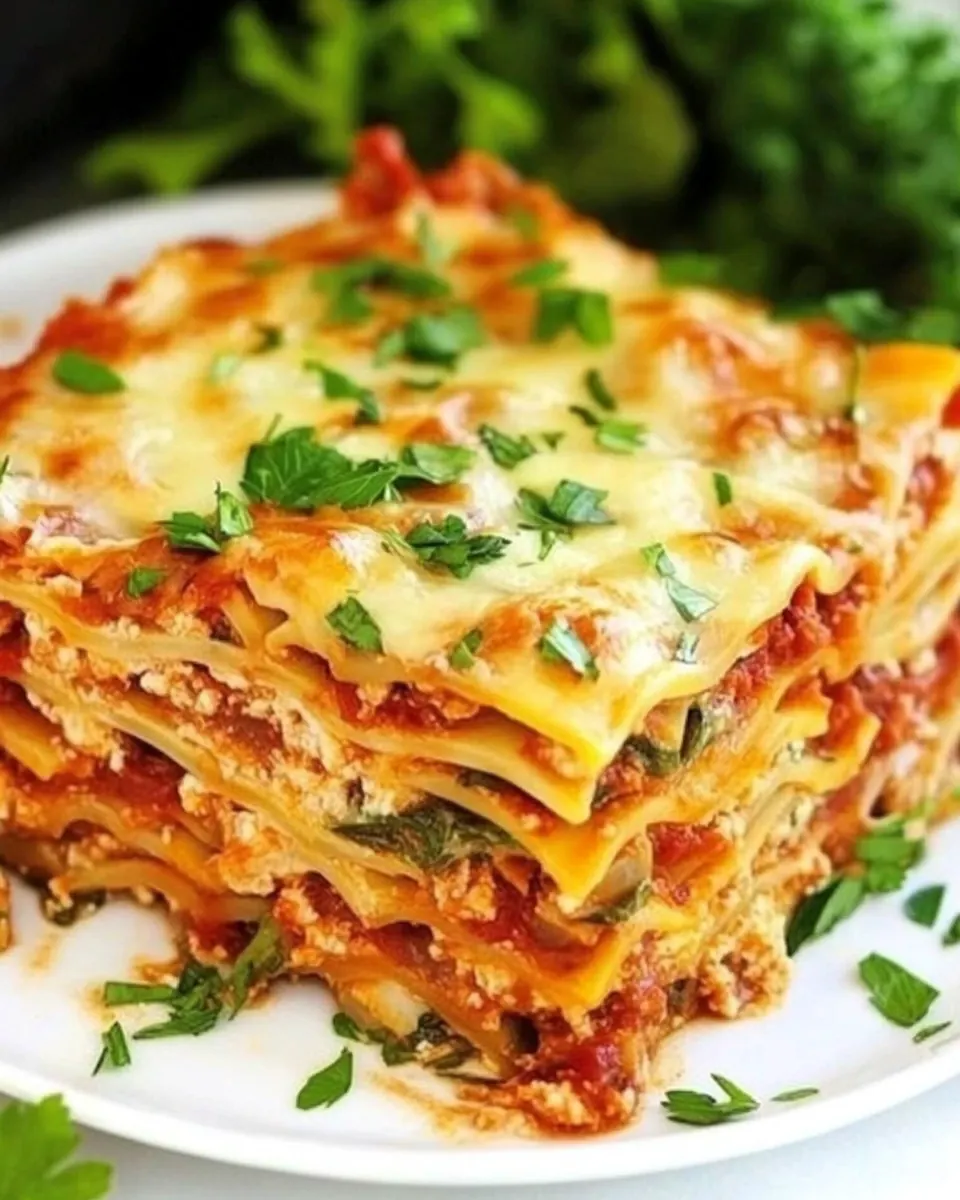
I find little adjustments make a big difference, and these tips will help you get consistent results. Each tip focuses on technique, texture, or timing so you can tailor the lasagna to your preferences. Below are practical suggestions that I use regularly when making Instant Pot Lasagna.
- Use fresh grated cheese for better melt and flavor. Pregrated cheese often contains anti caking agents which can affect melting behavior and result in a slightly grainy texture. Grating a block of mozzarella cheese and Parmesan cheese just before assembling creates a silkier melt and more vibrant cheesy aroma.
- Do not skip the saute step, it builds foundational flavor. Taking time to soften the onion and brown the ground beef or turkey adds layers that the pressure cooker amplifies. Rushing this step can leave a flat tasting sauce, so treat it like the flavor anchor of the dish.
- Loosely tent with foil to control condensation. A loose foil cover keeps steam from dripping directly onto the cheese while still allowing steam circulation, which protects the top cheese layer from becoming soggy and yields a nicer finish after pressure cooking.
- Let it rest before slicing for clean portions. Allowing 5 to 10 minutes of resting time after removing from the Instant Pot lets the egg and dairy firm up, so each slice stays intact. Cutting too soon causes the lasagna to slump and lose defined layers.
- Taste and adjust seasoning before assembling. Canned crushed tomatoes can vary in salt and sweetness, so sample the sauce and tweak salt, pepper, or the amount of Italian seasoning as needed. This small step ensures a balanced final dish.
How to Enjoy Instant Pot Lasagna
This lasagna is flexible for many occasions and pairs nicely with simple sides. Whether you are serving a family dinner or a special weekend meal, the structure and flavors hold up well to reheating. Below are serving ideas, storage tips, and suggested pairings to make the most of your lasagna.
- Serve hot with a simple green salad, the crispness and acidity of greens balance the rich, cheesy layers and refresh the palate between bites.
- Offer crusty bread on the side to sop up any lingering sauce; the textural contrast of crunchy bread against soft lasagna is always welcome.
- Garnish with chopped parsley right before serving to add color and a fresh herbal note that lightens the dish visually and flavor wise.
- Ideal for dinner or special gatherings, this recipe scales well for feeding a small crowd, and the convenience of the Instant Pot reduces oven time if you are juggling other dishes.
- Storage tip, refrigerate leftovers in an airtight container for up to three days, and reheat gently in the Instant Pot or oven to preserve texture and avoid drying out the cheeses.
- Make ahead by assembling in the springform pan and refrigerating, then cook in the Instant Pot the next day, which makes hosting easier and cuts active cooking time.
FAQ
Conclusion
This Instant Pot Lasagna stands out because it delivers classic layered flavors with far less hands on time, while still producing tender noodles and melty cheese. I encourage you to give it a try the next time you want a comforting, crowd pleasing meal without a lengthy bake. It is forgiving, adaptable, and rewarding, and I find the small victories like a clean slice or a bubbling top make it worth the effort. Enjoy sharing it at the table and savoring the simple pleasure of a well made lasagna.
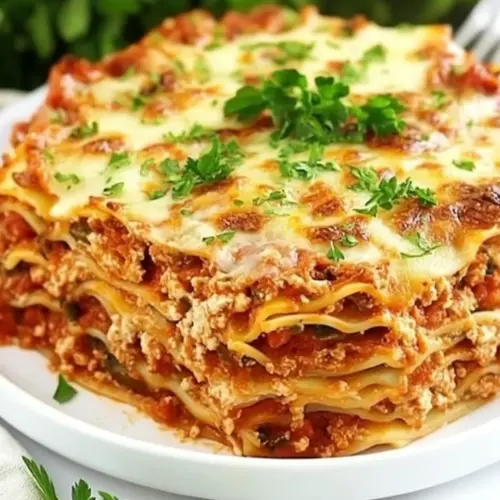
Instant Pot Lasagna
Equipment
- Instant Pot
- Skillet
- 7 inch springform pan
- Trivet
Ingredients
- 1 tablespoon olive oil Sauté gently in the pot to release a fruity aroma and provide a flavorful cooking fat that prevents sticking while building the base of the sauce for the lasagna.
- 2 teaspoons minced garlic Add early to impart pungent, savory depth and boost the overall aroma; mince finely so it distributes evenly and softens quickly during sautéing.
- 1/2 cup chopped yellow onion Cook until translucent to contribute sweetness and a mellow onion backbone to the sauce; chop uniformly so it softens at the same rate as other aromatics.
- 1/4 cup chopped green bell pepper Sauté until softened to add bright, slightly bitter vegetal notes and a mild peppery contrast that complements the richness of the meat and cheese.
- 1/2 lb lean ground beef or turkey Brown thoroughly to develop a savory, meaty foundation and caramelized flavor; choose lean to reduce excess grease while retaining satisfying texture.
- 1 teaspoon Italian seasoning Sprinkle in to introduce a balanced mix of Mediterranean herbs that uplift the tomato sauce and harmonize with the cheeses and meat.
- 1/4 teaspoon crushed red pepper flakes Add sparingly to provide a hint of heat and complexity; crush flakes release capsaicin that enhances flavor without overwhelming the dish.
- 2 1/2 cups crushed tomatoes Stir in to create the tomato base of the lasagna; crushed tomatoes provide body, acidity, and rich tomato flavor that simmers into the sauce.
- 1 cup ricotta cheese Fold into the cheese mixture to contribute creamy texture and mild tang, helping bind the filling and add richness between noodle layers.
- 1/4 cup shredded Parmesan cheese Stir into the ricotta or sprinkle over layers to offer salty, nutty umami that brightens the filling and enhances overall savory taste.
- 1/4 cup shredded mozzarella cheese Top or layer to create gooey, melted stretchiness and mild creaminess that forms the appealing cheesy finish on each serving.
- 1 large egg Beat and incorporate to act as a binder in the cheese mixture, giving structure to the filling and helping it set when cooked.
- 1 cup of baby spinach torn into pieces Tear and mix in to add tender green freshness, subtle earthiness, and a nutritional boost that wilts nicely into the hot sauce and cheeses.
- 1 1/2 cups of water Pour in to provide the necessary liquid for pressure cooking, preventing scorching and helping pasta soften while infusing flavors throughout.
- 7 to 8 no-boil lasagna noodles also known as oven-ready Layer carefully to create the pasta structure of the lasagna; oven-ready noodles hydrate during pressure cooking and hold the casserole together.
- 1 cup shredded mozzarella cheese Scatter over layers and top to create additional melty, bubbly cheese coverage that enhances creaminess and visual appeal when finished.
- chopped parsley Garnish at the end to add a bright herbaceous finish, subtle freshness, and visual contrast that complements the rich components of the lasagna.
Instructions
- In a skillet, heat up olive oil. Add garlic, onion and green pepper. Saute for 3 to 4 minutes.: The air fills with a warm, fruity scent as the olive oil shimmers in the pan, signaling the correct heat level. This step matters because the oil acts as a medium to transmit heat and gently coax flavors out of the aromatics, creating that golden, slightly sweet base essential for a robust sauce. As you add oil, watch for a subtle ripple across the surface which means it is ready, and avoid letting it smoke, because scorching will impart bitter notes. A common mistake is overheating the oil before the aromatics are added, which can burn the garlic the moment it hits the pan and lead to an acrid edge in the finished sauce. Keep a gentle medium heat and move quickly to the next step once the oil is hot.
- Add seasoning and stir in. This will activate the dried herbs and make the dish flavorful.: As you add the garlic , onion , and green bell pepper , you will hear a soft sizzle, and within a minute the kitchen fills with a sweet, savory aroma. The texture of the onions should go from firm to translucent, and the peppers should soften without losing all structure, giving a balanced mouthfeel in the finished sauce. This gentle saute extracts sugars and mellows sharp edges, which prevents any raw, harsh flavors from lingering. Avoid crowding the skillet or cooking on too high heat, which causes uneven browning and can make pieces char rather than soften, creating unwanted bitter spots in the sauce.
- Add ground beef and cook, breaking apart with a wooden spoon, until done and no longer pink.: The short saute time allows the vegetables to become fragrant and slightly tender while keeping brightness intact; you should notice the mixture turning glossy and the onion edges softening. This timing helps unlock the aromatics that will infuse the rest of the dish during pressure cooking, and it ensures the final sauce maintains some layered texture rather than becoming totally uniform. A typical error is undercooking which leaves crunchy raw bits, or overcooking until everything collapses and loses individual character, so aim for that translucent, softened stage for best results.
- Add crushed tomatoes and stir in. Let it come to simmer. Remove from heat and set aside.: When you add the Italian seasoning and crushed red pepper flakes , they release fragrant herbal notes as they bloom in the hot oil, deepening the aroma immediately. This brief contact with heat activates the dried herbs, making them taste more vivid and integrated with the vegetables. It is important because it prevents the seasoning from tasting flat once mixed into the wet sauce. One pitfall is adding dried herbs too late when the dish is cold, which keeps them from blooming and results in less aromatic impact.
- In a medium bowl, mix ricotta cheese with egg. Stir in both mozzarella and Parmesan. Add spinach and stir in. Set aside.: As you add the ground beef or turkey , you will hear a louder sizzle as the meat hits the pan, and small brown bits will form on the bottom, creating fond. Browning the meat properly builds savory depth, and breaking it apart helps the sauce distribute meaty texture evenly. Look for no visible pink and a nice golden edge on some pieces, which indicates good caramelization. A common mistake is stirring too frequently while browning, which prevents proper searing and reduces the intensity of flavor.
- Make sure the stainless steel insert is in your Instant Pot. Place the trivet inside and pour 1.5 cups of water into the pot.: The meat should feel firm and show no traces of pink, with browned edges that smell toasted and rich, which signals that the Maillard reaction has occurred. This creates complexity in the sauce and melds with the tomatoes for a fuller flavor profile. Be mindful not to overcook to dryness, especially with lean meats, which can result in a crumbly, less satisfying texture. If the meat releases a lot of liquid, raise the heat briefly to evaporate excess moisture and concentrate flavor.
- In a 7" springform pan, spread a thin layer of meat sauce on the bottom. Take two lasagna noodles, break into large pieces and layer over the sauce.: As you pour in the crushed tomatoes , you will notice a fresh, tangy aroma joining the browned meat scent, and the sauce will come together visually. The tomatoes provide acidity and body, balancing the rich meat and cheeses. Stirring helps deglaze the pan and lift those flavorful browned bits, which dissolve into the sauce and enhance complexity. A mistake to avoid is using watery tomatoes which can make the final lasagna runny; if that happens, simmer a bit longer to reduce and concentrate.
- Spread 1/2 of the ricotta mixture over the noodles.: A gentle simmer softens the tomato edges and allows the flavors to marry, producing a cohesive sauce with a rounded taste. You should see tiny bubbles forming around the edges and smell a harmonized tomato and herb profile. Simmering for a few minutes reduces raw tomato notes and allows the sauce to thicken slightly, which helps it cling to the noodles. Over-simmering at a high boil can toughen the meat and intensify acidity, so keep it gentle and controlled.
- Spread 1/3 of the meat sauce over ricotta layer.: Taking the sauce off the heat halts cooking and preserves the balance you created, while still allowing flavors to meld. This pause also cools the sauce slightly so it is safe to layer with cheeses without making them overly runny. A common oversight is layering when the sauce is too hot, which can melt the ricotta prematurely and interfere with structure; let it rest briefly before assembling.
- Add another layer of noodles.: Mixing ricotta cheese with an egg yields a silken filling that will set as it cools, providing a creamy, structured layer inside the lasagna. The texture should feel smooth and slightly thick, and the egg ensures slices hold their shape when served. Overmixing aggressively can make the mixture too loose or introduce air, which changes the mouthfeel, so fold gently until combined.
- Top it with 1/2 of the meat sauce.: Adding shredded mozzarella cheese and Parmesan cheese into the ricotta brings in meltiness and umami, creating pockets of stretch and savory depth within the filling. The cheeses should be evenly incorporated so each bite has balance. If the cheeses are clumped or not well-distributed, some slices may be bland, so break up any clusters before layering.
- Place more noodles on top of the sauce.: Folding torn baby spinach into the cheese mixture introduces a mild vegetal note and flecks of green that brighten the otherwise rich layers. The spinach wilts slightly during cooking yet retains a gentle texture when torn small, contributing subtle freshness. A mistake is adding large whole leaves which can create uneven bites; tearing and mixing well ensures consistent distribution.
- Spread the remaining amount of sauce over the noodles.: Letting the cheese and spinach mixture rest lets flavors relax and the filling stabilize, which aids in a cleaner assembly. This waiting period prevents the heat of the sauce from immediately liquefying the mixture and helps the egg begin to integrate into the dairy. Rushing to layer while the filling is hot can make it run too much during cooking.
- Top with shredded mozzarella.: Hearing the click and seeing the insert seated properly gives confidence that the cooker will function normally and heat evenly. The metal insert conducts heat and holds the trivet, forming the environment needed for pressure to build. Failing to seat the insert correctly can prevent pressure or lead to uneven cooking, so always check placement before adding water.
- Cover the pan loosely with aluminum foil.: The subtle sound of water pouring and the sight of liquid in the bottom reassure you that the Instant Pot has the necessary steam source. The trivet keeps the springform pan elevated so it cooks with indirect steam, which preserves the layered structure. Using too little water can stop the pot from reaching pressure, while too much may overly wet the pan, so measure carefully.
- Place the pan on the trivet in the Instant Pot.: Smearing a thin base of the meat sauce prevents the bottom layer of noodles from sticking and ensures the first layer has flavor. You want an even coat that will anchor the broken noodles and prevent dry spots. Too much sauce at the bottom can create pools, while too little may cause dryness; aim for a thin, uniform spread.
- Close the lid and set valve to sealing position.: Breaking the no-boil lasagna noodles into pieces lets them settle snugly into the pan, adapting to the springform shape and creating an even bed. The audible crack and the way the pieces slot together give a tactile satisfaction. Avoid overlapping so much that layers become uneven, which can lead to inconsistent cooking.
- Make sure the Instant Pot is set to cook at HIGH pressure.: The creamy ricotta layer should feel cool and smooth against the warm sauce, creating a textural contrast that contributes to the lasagna's balance. Spreading half the mixture ensures the ricotta is present in the middle strata without overpowering the meat. If you pile it on too thickly in one spot, that area may remain loose after cooking.
- Press "manual" or "pressure cook" setting. Set timer to 23 minutes. The IP will beep and start coming to pressure.: Using roughly a third of the meat sauce at this stage distributes savory flavor evenly and prevents any single layer from dominating. The sauce should coat the ricotta and peek between its edges, creating cohesion across layers. An uneven spread can cause some bites to be overly saucy while others remain dry, so take a moment to smooth it out.
- Once the timer is done, press "cancel/off" and let the pressure release naturally for at least 5 minutes. Then switch the valve to venting.: Placing a second set of broken no-boil lasagna noodles builds the middle structure, and their slightly softened edges will meld with adjacent layers during pressure cooking. The visual of stacked layers helps you pace the assembly and ensures an even build. If pieces are too large, press gently to fit without tearing excessively.
- Carefully open the lid away from your face. Remove the foil and remove the springform pan from the Instant Pot.: Adding half of the remaining meat sauce gives body to the center and ties the next cheese layer to the rest of the dish. You will see the pan begin to look like a classic lasagna, with alternating ribbons of cream and red. Be careful not to over-sauce, which can make the final dish too wet.
- Let the lasagna sit for 5 to 10 minutes on the counter. Run a knife around the edge of the lasagna, then remove the side of the pan.: Another noodle layer completes the internal structure, creating a stable base for the final sauce and cheese. These pieces should sit flush and cover the surface evenly; gaps can cause the top to collapse slightly while cooking. Aim for full coverage without excessive overlap.
- Spread the remaining amount of sauce over the noodles: Finishing with the rest of the meat sauce ensures the top layer is flavorful and helps the final cheese adhere. A smooth, even coat will create a uniform surface for the shredded mozzarella cheese . Leaving patches can lead to uneven browning later.
- Top with shredded mozzarella: The final cup of mozzarella cheese should be distributed in a single layer to encourage even melting and a golden finish. The visual cue of cheese blanketing the top is a delight, and the first bubbles are a good indicator that the interior has reached the right temperature. If you mound the cheese, it may not melt evenly and can form dry clumps.
- Cover the pan loosely with aluminum foil: The foil creates a barrier that prevents condensation from dripping directly onto the cheese, while still allowing steam circulation in the pressure environment. Wrapping loosely reduces the risk of foil being pressed into the cheese and keeps the top intact. Wrapping too tightly can trap liquid and weigh down the cheese layer.
- Place the pan on the trivet in the Instant Pot: Setting the springform pan onto the trivet should feel secure and balanced, and you will notice the pan sitting above the water level which ensures indirect cooking. This placement prevents the bottom from becoming soggy and allows the lasagna to cook evenly from steam. Make sure the pan is stable to avoid tipping when closing the lid.
- Close the lid and set valve to sealing position: The valve in sealing position lets pressure build inside, and you may hear a faint click and the lid settle, signaling readiness. Proper sealing is essential for the Instant Pot to reach the right pressure and cook the layered lasagna uniformly. Forgetting to set the valve will prevent pressure from building and leave the lasagna undercooked.
- Make sure the Instant Pot is set to cook at HIGH pressure: High pressure concentrates steam and ensures the no-boil noodles soften thoroughly and the cheeses meld. You will rely on the pot hitting full pressure to cook the interior evenly. Choosing a lower pressure can leave noodles underdone, so confirm the setting before starting the timer.
- Press "manual" or "pressure cook" setting: Selecting the manual or pressure cook option engages the cooker and starts the process of building pressure, which you will notice as the pot begins to hum quietly while coming up to temperature. This choice guarantees consistent heat and timing across cooks, which is why I use it every time. Interrupting this stage by opening the lid will release steam and disrupt the cooking cycle.
- Set timer to 23 minutes: The timer length allows the noodles to soften and the cheeses to meld without overcooking the meat or drying the layers. You may hear an initial hiss as pressure builds, followed by a steady quiet once sealed; that is normal. A mistake is setting the time too low, which leaves the noodles firm, or too high, which can over-soften them and cause the lasagna to collapse slightly.
- Once the timer is done, press "cancel/off" and let the pressure release naturally for at least 5 minutes: The gentle release preserves structure and prevents sudden splattering or collapse from abrupt pressure changes, which helps the layers settle. You will notice the pot slowly dropping pressure and a subtle change in sound, signaling it is safe to proceed. Forcing a quick release too early can lead to liquid spurting and the filling not having time to finish setting.
- Then switch the valve to venting: After the initial natural release, carefully moving the valve to venting completes the depressurization. Steam will escape quickly so keep your face and hands clear of the steam path. A common error is standing directly over the valve which risks steam burns, so use a towel or utensil to move the valve if needed.
- Carefully open the lid away from your face: Opening the lid away from you directs any remaining steam safely outward and prevents hot condensation from dripping onto you. You will see a plume of warmth and smell the full aroma of the lasagna at this moment, which is always a rewarding cue that the dish is nearly ready. Be cautious of the hot rim and escaping steam.
- Remove the foil and remove the springform pan from the Instant Pot: The foil will likely be warm and may have collected some condensation, so peel it back carefully to avoid dripping onto the lasagna. Lifting the springform pan out reveals the top cheese layer which may be slightly bubbled and glossy; let it rest on a heatproof surface. A mistake is handling the pan without oven mitts, risking burns from residual heat.
- Let the lasagna sit for 5 to 10 minutes on the counter: Resting is crucial because it allows the cheeses and fillings to firm up, making slices hold together better and flavors to settle. During this time the internal steam redistributes and the lasagna becomes easier to slice. Cutting too soon will cause the layers to slump and the filling to run.
- Run a knife around the edge of the lasagna, then remove the side of the pan: Sliding a knife around the perimeter separates any areas that may have stuck to the pan, and removing the springform side reveals neat edges ready for slicing. You should see defined layers and a cohesive structure if rested properly. Forcing removal or slicing before this step can cause tearing and messy presentation.
Notes
- Use fresh grated cheese for better melt and flavor. Pregrated cheese often contains anti caking agents which can affect melting behavior and result in a slightly grainy texture. Grating a block of mozzarella cheese and Parmesan cheese just before assembling creates a silkier melt and more vibrant cheesy aroma.
- Do not skip the saute step, it builds foundational flavor. Taking time to soften the onion and brown the ground beef or turkey adds layers that the pressure cooker amplifies. Rushing this step can leave a flat tasting sauce, so treat it like the flavor anchor of the dish.
- Loosely tent with foil to control condensation. A loose foil cover keeps steam from dripping directly onto the cheese while still allowing steam circulation, which protects the top cheese layer from becoming soggy and yields a nicer finish after pressure cooking.
- Let it rest before slicing for clean portions. Allowing 5 to 10 minutes of resting time after removing from the Instant Pot lets the egg and dairy firm up, so each slice stays intact. Cutting too soon causes the lasagna to slump and lose defined layers.
- Taste and adjust seasoning before assembling. Canned crushed tomatoes can vary in salt and sweetness, so sample the sauce and tweak salt, pepper, or the amount of Italian seasoning as needed. This small step ensures a balanced final dish.