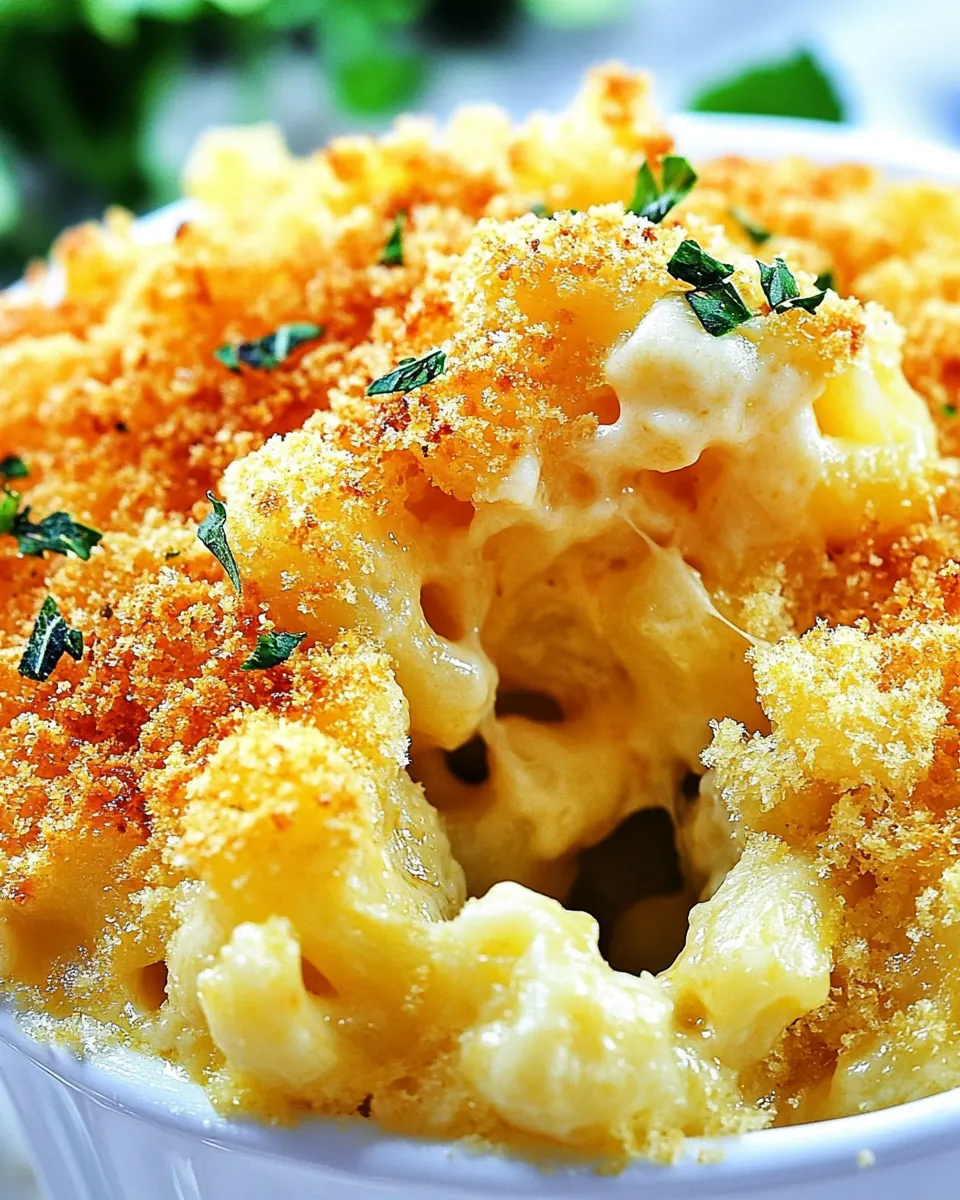
Homemade Baked Mac and Cheese
Homemade Baked Mac and Cheese is the kind of food I turn to when I want comfort that feels like a warm hug straight from the oven. The very first time I made this version, I was chasing a memory of a childhood potluck, wanting that balance of creamy sauce and golden crunchy top. I still remember carrying the bubbling dish to the table, the steam lifting and carrying that sharp, nutty aroma that makes everyone pause and smile.
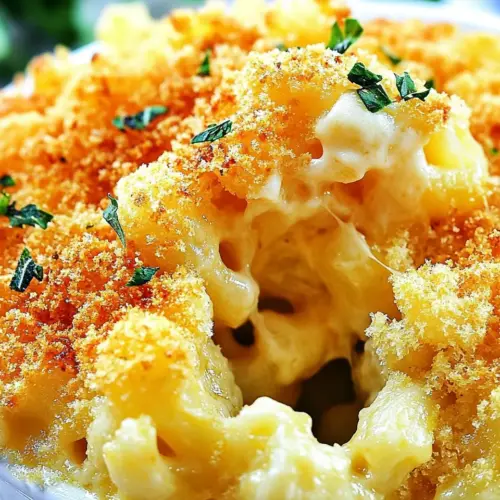
Over the years I’ve tweaked amounts and techniques until this felt right to me. I love how the combination of elbow macaroni, a velvety cheese sauce, and a buttered panko crumbs topping creates textural drama in every spoonful. Each bite offers a creamy center followed by a satisfying crisp, and that contrast is what keeps people coming back for seconds.
When friends come over for a casual dinner, I often make a double batch because it disappears faster than I expect. There is something generous about serving a tray of Homemade Baked Mac and Cheese, and it always sparks conversation about childhood favorites and secret comfort food recipes. I find that a little patience while building the sauce pays off massively, resulting in a silkier texture that coats the pasta beautifully. It is food that invites you to slow down and savor small comforts.
Recipe Snapshot
50 mins
20 mins
30 mins
Medium
400 kcal
American
Gluten-Free, Low FODMAP
Dinner
Large baking dish 3 qt or 4 qt, Large bowl, Deep saucepan or Dutch oven, Small bowl, Whisk, Pot for boiling pasta
Why This Homemade Baked Mac and Cheese Hits Different
Why the texture sings
I care deeply about texture, and this recipe nails it by combining a creamy sauce with a crunchy topping. The cheddar cheese and Gruyere cheese melt into a lush, clingy sauce that coats each piece of elbow macaroni. When you bake it, the edges bubble and the surface browns, creating layers of mouthfeel that feel intentional, not accidental.
Layered cheese strategy
I use shredded cheeses in stages so the sauce develops a glossy sheen without becoming grainy. Adding some cheese early helps emulsify the sauce while folding more in later boosts flavor and stretch. The interplay between sharp cheddar cheese and the nutty character of Gruyere cheese gives depth, so the dish never tastes one dimensional.
Comfort with balance
This is rich food that avoids being cloying because the sauce uses a mix of whole milk and heavy whipping cream. That balance keeps things silky but not overly heavy, making it easy to enjoy multiple forkfuls without feeling weighed down. A whisper of salt and pepper brightens everything, and a pinch of smoked paprika adds a gentle warmth.
Reliable and forgiving
I love recipes that feel approachable, and this one is forgiving. Slightly undercooking the pasta by a minute ensures it finishes perfectly in the oven. The method allows you to assemble, chill, and bake later if you want, which makes it practical for hosting. I’ve found it holds shape well and reheats with good results.
Perfect for sharing
This recipe scales nicely and suits gatherings, weeknight dinners, or a cozy treat for two. The crunchy panko crumbs top gives visual drama, while the cheesy interior comforts. When I serve this, people dive in immediately, which is the truest compliment.
Essential Ingredients for Homemade Baked Mac and Cheese
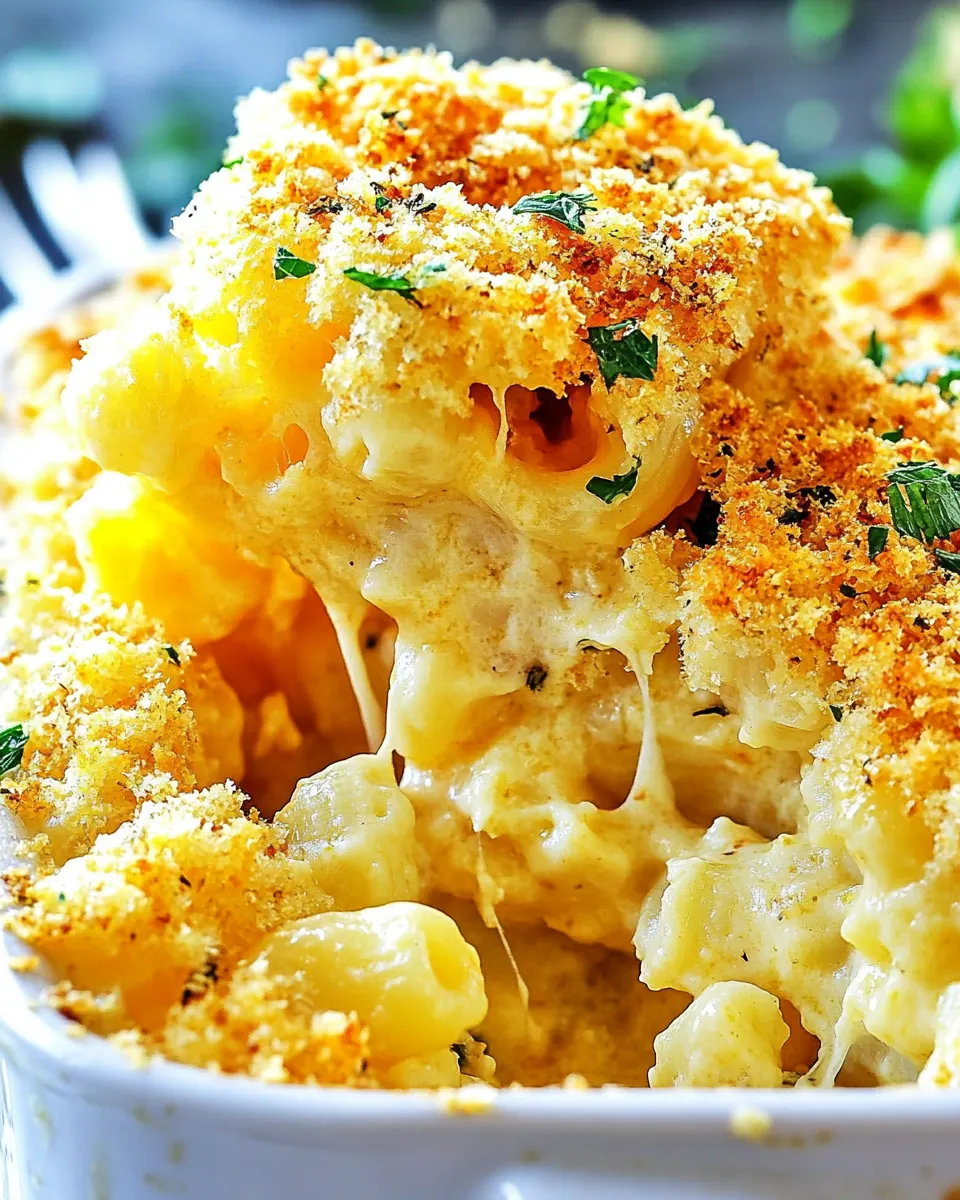
The philosophy behind these ingredients is simple, make each component earn its place. The pasta carries the sauce, the dairy builds the silk and body, the cheeses add flavor and melt, and the crumbs bring contrast. Together they create a cohesive dish where richness is balanced by texture, and every element supports the familiar, satisfying flavors we expect from a classic baked mac and cheese.
- 16 oz elbow macaroni, cooked (or other tubular pasta): Cooked until al dente and drained, provides the hearty base that carries the cheese sauce and toppings through the baked dish, absorbing flavors while maintaining structure.
- 1 tbsp extra virgin olive oil: Used to lightly coat the pasta before saucing, adds a subtle fruity richness and helps prevent sticking while contributing a touch of healthy fat.
- 6 tbsp unsalted butter: Melted into the roux and sauce, supplies a rich, creamy mouthfeel and depth of flavor that supports the cheese and helps create a smooth, luxurious texture.
- 1/3 cup all purpose flour: Whisked into melted butter to form a roux, acts as the thickening agent that gives the cheese sauce body and enables it to cling to the pasta evenly.
- 3 cups whole milk: Added gradually to the roux and warmed, provides the primary liquid component that creates a creamy base and helps dissolve and distribute the cheeses for a cohesive sauce.
- 1 cup heavy whipping cream: Blended with milk to enrich the sauce, contributes additional fat and silkiness that enhances creaminess and improves mouthfeel in the finished mac and cheese.
- 4 cups sharp cheddar cheese shredded: Folded into the warm béchamel, delivers sharp, tangy flavor and melting body that defines the character of the cheese sauce and brings savory intensity.
- 2 cups Gruyere cheese shredded: Combined with cheddar in the sauce, offers nutty, slightly sweet complexity and smooth melting qualities that elevate the overall cheesiness of the dish.
- salt and pepper to taste: Seasoned to taste after assembling the sauce, balances and enhances the flavors by bringing out the richness of the cheeses and counteracting any excess creaminess.
- 1 1/2 cups panko crumbs: Sprinkled over the top for crunch, contributes a crispy, golden-textured topping that contrasts the creamy interior and adds visual appeal after baking.
- 4 tbsp butter melted: Drizzled over breadcrumbs before toasting, provides moisture and richness that helps the panko brown evenly and develop a crunchy, buttery crust.
- 1/2 cup Parmesan cheese shredded: Mixed into the breadcrumb topping, provides salty, umami brightness and a nutty finish that complements the melted cheeses and deepens savory notes.
- 1/4 tsp smoked paprika (or regular paprika): Dusting added to the topping or sauce, imparts a smoky, warm hint that complements the cheeses and adds a subtle aromatic lift without overpowering.
Cooking Instructions for Homemade Baked Mac and Cheese
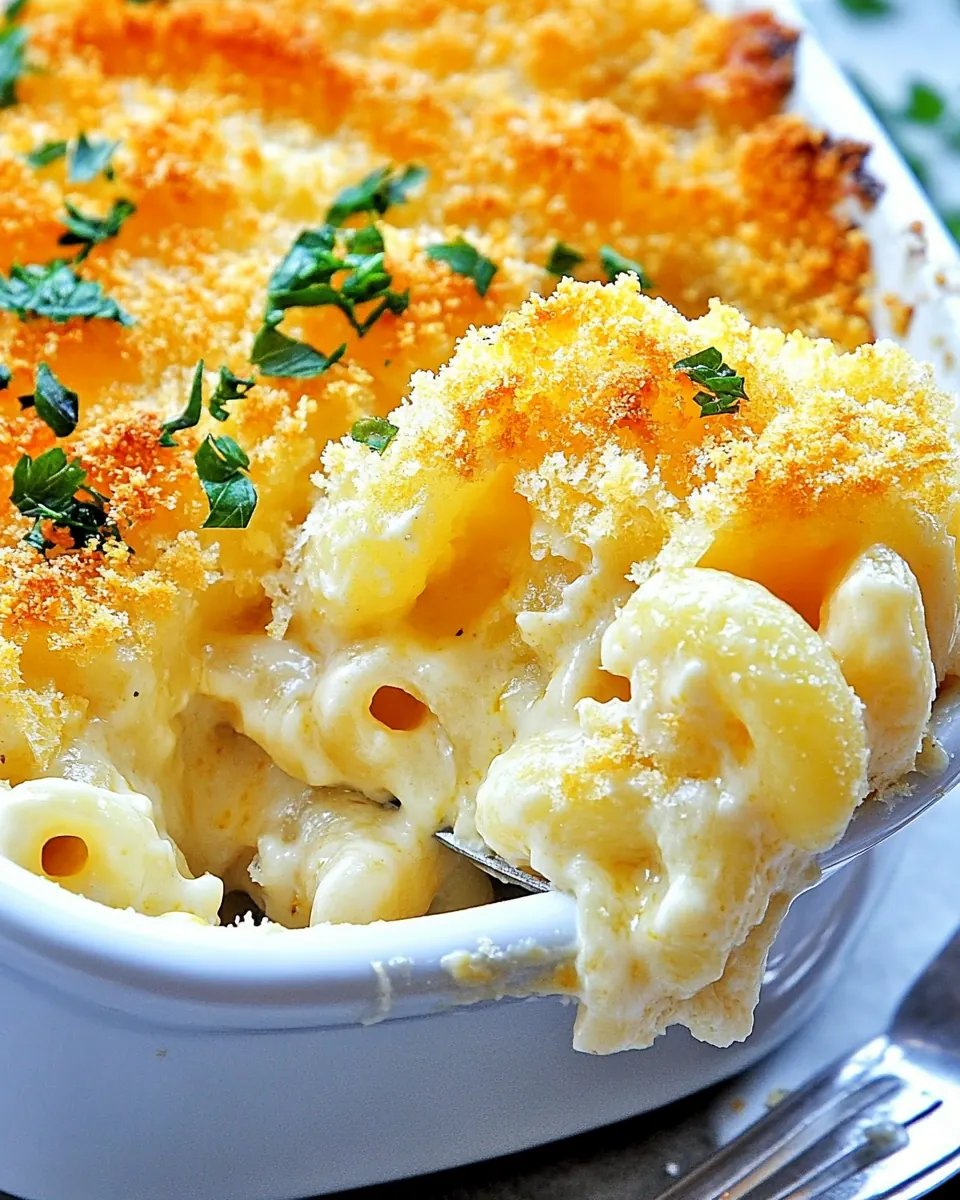
These directions walk you through getting a glossy cheese sauce, fully coated pasta, and a beautifully browned top. I write steps so you can sense when things are right, and so you avoid common missteps that lead to a grainy or watery finish.
- Preheat oven to 350 F. Lightly grease a large 3 qt or 4 qt baking dish and set aside. Combine shredded cheeses in a large bowl and set aside.: Your kitchen will start to fill with a gentle warmth as the oven comes up to 350 F . Heating the oven early ensures the casserole begins to bake immediately and develop a steady bubble rather than cook unevenly. You should hear a steady hum from the oven and feel the heat when you open the door briefly. A common mistake is waiting until the casserole is assembled, which can lead to uneven baking and soggy edges. Greasing the dish prevents sticking and makes serving easier, and using a dish sized to the recipe keeps baking time predictable.
- Cook the pasta one minute shy of al dente according to the package instructions. Remove from heat, drain, and place in a large bowl.: When you drop the elbow macaroni into rolling salted water, it will hiss and swirl; that movement carries heat inside each tube. Cooking one minute less than package directions leaves a slightly firm center so the pasta will absorb some sauce without turning mushy in the oven. After draining, the pasta will steam gently, and you should feel it as you toss. Overcooking at this stage is the most common error, leading to a soft, lackluster final texture.
- Drizzle pasta with olive oil and stir to coat pasta. Set aside to cool while preparing cheese sauce.: The drop of extra virgin olive oil gives the noodles a light sheen and prevents clumping, which makes stirring in the sauce much easier. As you toss, you will notice the noodles gliding rather than sticking together. Letting the pasta cool slightly helps it avoid shocking the sauce and prevents premature thickening. Adding too much oil will repel the sauce, so keep it minimal.
- Melt butter in a deep saucepan, dutch oven, or stock pot.: As the unsalted butter melts, listen for a faint sizzle and watch it become glossy and liquid. Using a deep vessel gives you room to whisk without splashing. Keep heat moderate to avoid browning, because browned butter shifts the flavor away from the clean dairy profile we want here. A frequent slip is over heating, which can lead to a nutty note that competes with the cheeses.
- Whisk in flour over medium heat and continue whisking for about 1 minute until bubbly and golden.: When you stir in the all purpose flour , you will see the mixture thicken and bubble lightly; that indicates the roux is cooking and raw flour taste is leaving. The color should be pale golden rather than dark brown. Whisking continuously avoids lumps, ensuring a silky sauce. If you undercook this stage the final sauce may taste pasty, and if you overcook it the roux will darken and reduce thickening power.
- Gradually whisk in the milk and heavy cream until nice and smooth. Continue whisking until you see bubbles on the surface and then continue cooking and whisking for another 2 minutes. Whisk in salt and pepper.: Adding the whole milk and heavy whipping cream slowly keeps everything emulsified; you will notice the liquid integrating into the roux and the texture become glossy and silk like. Small bubbles forming on the surface are your cue to maintain heat, which activates thickening. Stirring for an additional couple of minutes cooks out any starchy taste and builds body. Under stirring can leave a thin sauce, while overheating may split it, so keep a steady medium heat and constant movement.
- Add two cups of shredded cheese and whisk until smooth. Add another two cups of shredded cheese and continue whisking until creamy and smooth. Sauce should be nice and thick.: When you fold in the first portion of sharp cheddar cheese and Gruyere cheese , the sauce will momentarily thin then come back together into a glossy, velvety finish. The second addition deepens flavor and richness, producing a thick, clingy sauce that coats the whisk. If the sauce seems grainy, lower the heat and whisk gently until it smooths, because high heat can break the emulsion. Avoid adding cold cheese straight from the fridge, which can cause uneven melting.
- Stir in the cooled pasta until combined and pasta is fully coated with the cheese sauce.: As you fold the warm pasta into the sauce, you should see each piece become slick and saturated with cheesy sheen. Use a gentle folding motion so the noodles remain intact. The sound is quiet, a soft gliding as the sauce envelopes the pasta; if you see pools of sauce or dry noodles, continue folding to achieve even coating. A common oversight is mixing too quickly and crushing the pasta, so be deliberate and gentle.
- Pour half of the mac and cheese into the prepared baking dish. Top with remaining 2 cups of shredded cheese and then the remaining mac and cheese.: Layering like this creates pockets of melted cheese within the casserole that help with ooze and visual appeal. When you press gently, you will feel the distribution and can adjust to avoid air gaps. The middle layer of cheese melts into molten ribbons during baking, while the top and bottom layers brown differently, adding complexity. Avoid packing the dish tightly, because that can hinder even bubbling and browning.
- In a small bowl, combine panko crumbs, Parmesan cheese, melted butter and paprika. Sprinkle over the top and bake until bubbly and golden brown, about 30 minutes. Serve immediately.: Mixing the panko crumbs , Parmesan cheese , butter , and smoked paprika creates a fragrant, toasty topping that crisps in the oven. As it bakes, you will notice a light nutty aroma and a golden sheen developing. The dish should be bubbling at the edges and the crust should be deeply golden, which signals readiness. Letting it rest for a few minutes makes scooping cleaner, but serve while still warm for the best texture. A mistake to avoid is underbaking, which leaves the topping pale and the interior not fully set, and overbaking can dry out the sauce.
Customization Ideas
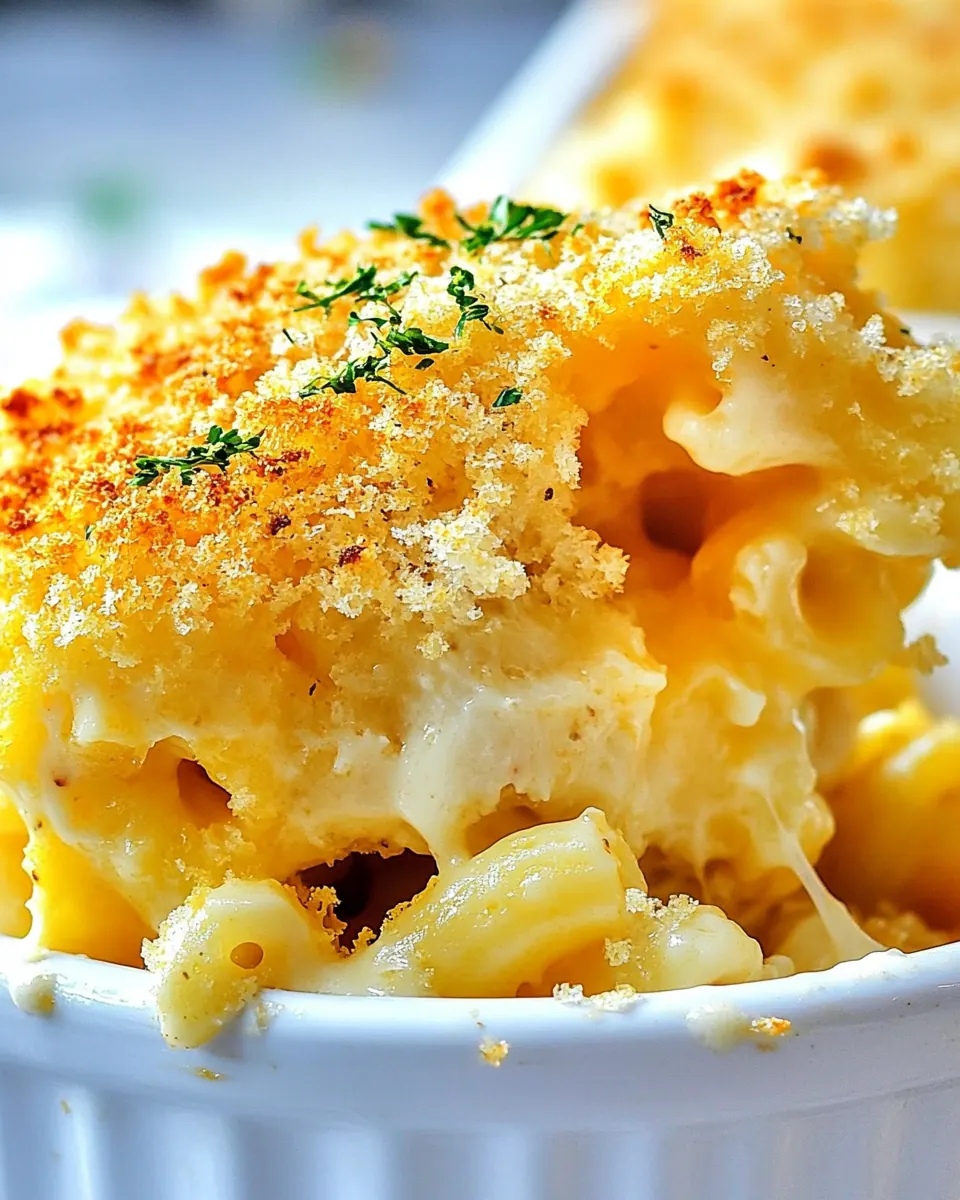
This section offers ways to adjust texture, flavor, and presentation while keeping the heart of the dish intact. Each suggestion highlights a straightforward swap or technique I use when tailoring the recipe for different crowds or occasions.
- Cheese swap: Try altering the ratio of sharp cheddar cheese to Gruyere cheese to favor either tang or nuttiness, which shifts the flavor profile without breaking the sauce.
- Cream level: Reduce the heavy whipping cream slightly and increase whole milk for a lighter sauce, while noting the texture will be a touch less luxurious.
- Crunch upgrade: Mix a small amount of crushed seasoned crackers into the panko crumbs for extra savory notes and a more complex top crust.
- Make ahead: Assemble the dish up to the point of topping, cover, and refrigerate; bring to room temperature before baking to ensure even heat penetration.
- Serve timing: Bake just until bubbling and golden, then rest a few minutes so the sauce firms slightly for cleaner portions when serving.
Serving Options for Homemade Baked Mac and Cheese
This section describes how I serve the dish across different occasions, the sides I pair it with, and practical storage tips. The goal is to help you present the casserole in ways that complement its richness and maximize enjoyment.
- Weeknight dinner pairing: Serve a moderate scoop of Homemade Baked Mac and Cheese alongside a crisp green salad dressed lightly to cut through the richness.
- Family gatherings: Place the baking dish at the center of the table as a communal dish, letting guests help themselves while you offer small sides like roasted vegetables.
- Comfort food occasions: This works beautifully for cozy nights in or casual potlucks, where the warm, cheesy presence feels familiar and welcoming.
- Storage: Cool leftovers, cover tightly, and refrigerate for up to three days. Reheat in the oven at low heat to revive the topping and keep the interior creamy.
- Make ahead for guests: Assemble in advance and refrigerate; when ready, top with the panko mixture and bake until bubbly and golden for a fresh out of oven presentation.
- Seasonal pairing: In colder months like winter, serve this with roasted root vegetables and a tangy pickle to provide brightness against the dishs richness.
FAQ
Conclusion
What makes this recipe special is the harmony between a lusciously creamy cheese sauce and a light, crunchy topping that delivers both comfort and texture. I encourage you to give it a try when you want a reliable crowd pleaser or a cozy family meal, because a little technique goes a long way toward producing an indulgent, well balanced dish. Serve it warm, enjoy the bubbly cheese, and notice how simple ingredients combined thoughtfully create something memorable.
Homemade Baked Mac and Cheese
Equipment
- Large baking dish 3 qt or 4 qt
- Large Bowl
- Deep saucepan or Dutch oven
- Small Bowl
- Whisk
- Pot for boiling pasta
Ingredients
- 16 oz elbow macaroni, cooked (or other tubular pasta) Cooked until al dente and drained, provides the hearty base that carries the cheese sauce and toppings through the baked dish, absorbing flavors while maintaining structure.
- 1 tbsp extra virgin olive oil Used to lightly coat the pasta before saucing, adds a subtle fruity richness and helps prevent sticking while contributing a touch of healthy fat.
- 6 tbsp unsalted butter Melted into the roux and sauce, supplies a rich, creamy mouthfeel and depth of flavor that supports the cheese and helps create a smooth, luxurious texture.
- 1/3 cup all purpose flour Whisked into melted butter to form a roux, acts as the thickening agent that gives the cheese sauce body and enables it to cling to the pasta evenly.
- 3 cups whole milk Added gradually to the roux and warmed, provides the primary liquid component that creates a creamy base and helps dissolve and distribute the cheeses for a cohesive sauce.
- 1 cup heavy whipping cream Blended with milk to enrich the sauce, contributes additional fat and silkiness that enhances creaminess and improves mouthfeel in the finished mac and cheese.
- 4 cups sharp cheddar cheese shredded Folded into the warm béchamel, delivers sharp, tangy flavor and melting body that defines the character of the cheese sauce and brings savory intensity.
- 2 cups Gruyere cheese shredded Combined with cheddar in the sauce, offers nutty, slightly sweet complexity and smooth melting qualities that elevate the overall cheesiness of the dish.
- salt and pepper to taste Seasoned to taste after assembling the sauce, balances and enhances the flavors by bringing out the richness of the cheeses and counteracting any excess creaminess.
- 1 1/2 cups panko crumbs Sprinkled over the top for crunch, contributes a crispy, golden-textured topping that contrasts the creamy interior and adds visual appeal after baking.
- 4 tbsp butter melted Drizzled over breadcrumbs before toasting, provides moisture and richness that helps the panko brown evenly and develop a crunchy, buttery crust.
- 1/2 cup Parmesan cheese shredded Mixed into the breadcrumb topping, provides salty, umami brightness and a nutty finish that complements the melted cheeses and deepens savory notes.
- 1/4 tsp smoked paprika (or regular paprika) Dusting added to the topping or sauce, imparts a smoky, warm hint that complements the cheeses and adds a subtle aromatic lift without overpowering.
Instructions
- Preheat oven to 350 F. Lightly grease a large 3 qt or 4 qt baking dish and set aside. Combine shredded cheeses in a large bowl and set aside.: Your kitchen will start to fill with a gentle warmth as the oven comes up to 350 F . Heating the oven early ensures the casserole begins to bake immediately and develop a steady bubble rather than cook unevenly. You should hear a steady hum from the oven and feel the heat when you open the door briefly. A common mistake is waiting until the casserole is assembled, which can lead to uneven baking and soggy edges. Greasing the dish prevents sticking and makes serving easier, and using a dish sized to the recipe keeps baking time predictable.
- Cook the pasta one minute shy of al dente according to the package instructions. Remove from heat, drain, and place in a large bowl.: When you drop the elbow macaroni into rolling salted water, it will hiss and swirl; that movement carries heat inside each tube. Cooking one minute less than package directions leaves a slightly firm center so the pasta will absorb some sauce without turning mushy in the oven. After draining, the pasta will steam gently, and you should feel it as you toss. Overcooking at this stage is the most common error, leading to a soft, lackluster final texture.
- Drizzle pasta with olive oil and stir to coat pasta. Set aside to cool while preparing cheese sauce.: The drop of extra virgin olive oil gives the noodles a light sheen and prevents clumping, which makes stirring in the sauce much easier. As you toss, you will notice the noodles gliding rather than sticking together. Letting the pasta cool slightly helps it avoid shocking the sauce and prevents premature thickening. Adding too much oil will repel the sauce, so keep it minimal.
- Melt butter in a deep saucepan, dutch oven, or stock pot.: As the unsalted butter melts, listen for a faint sizzle and watch it become glossy and liquid. Using a deep vessel gives you room to whisk without splashing. Keep heat moderate to avoid browning, because browned butter shifts the flavor away from the clean dairy profile we want here. A frequent slip is over heating, which can lead to a nutty note that competes with the cheeses.
- Whisk in flour over medium heat and continue whisking for about 1 minute until bubbly and golden.: When you stir in the all purpose flour , you will see the mixture thicken and bubble lightly; that indicates the roux is cooking and raw flour taste is leaving. The color should be pale golden rather than dark brown. Whisking continuously avoids lumps, ensuring a silky sauce. If you undercook this stage the final sauce may taste pasty, and if you overcook it the roux will darken and reduce thickening power.
- Gradually whisk in the milk and heavy cream until nice and smooth. Continue whisking until you see bubbles on the surface and then continue cooking and whisking for another 2 minutes. Whisk in salt and pepper.: Adding the whole milk and heavy whipping cream slowly keeps everything emulsified; you will notice the liquid integrating into the roux and the texture become glossy and silk like. Small bubbles forming on the surface are your cue to maintain heat, which activates thickening. Stirring for an additional couple of minutes cooks out any starchy taste and builds body. Under stirring can leave a thin sauce, while overheating may split it, so keep a steady medium heat and constant movement.
- Add two cups of shredded cheese and whisk until smooth. Add another two cups of shredded cheese and continue whisking until creamy and smooth. Sauce should be nice and thick.: When you fold in the first portion of sharp cheddar cheese and Gruyere cheese , the sauce will momentarily thin then come back together into a glossy, velvety finish. The second addition deepens flavor and richness, producing a thick, clingy sauce that coats the whisk. If the sauce seems grainy, lower the heat and whisk gently until it smooths, because high heat can break the emulsion. Avoid adding cold cheese straight from the fridge, which can cause uneven melting.
- Stir in the cooled pasta until combined and pasta is fully coated with the cheese sauce.: As you fold the warm pasta into the sauce, you should see each piece become slick and saturated with cheesy sheen. Use a gentle folding motion so the noodles remain intact. The sound is quiet, a soft gliding as the sauce envelopes the pasta; if you see pools of sauce or dry noodles, continue folding to achieve even coating. A common oversight is mixing too quickly and crushing the pasta, so be deliberate and gentle.
- Pour half of the mac and cheese into the prepared baking dish. Top with remaining 2 cups of shredded cheese and then the remaining mac and cheese.: Layering like this creates pockets of melted cheese within the casserole that help with ooze and visual appeal. When you press gently, you will feel the distribution and can adjust to avoid air gaps. The middle layer of cheese melts into molten ribbons during baking, while the top and bottom layers brown differently, adding complexity. Avoid packing the dish tightly, because that can hinder even bubbling and browning.
- In a small bowl, combine panko crumbs, Parmesan cheese, melted butter and paprika. Sprinkle over the top and bake until bubbly and golden brown, about 30 minutes. Serve immediately.: Mixing the panko crumbs , Parmesan cheese , butter , and smoked paprika creates a fragrant, toasty topping that crisps in the oven. As it bakes, you will notice a light nutty aroma and a golden sheen developing. The dish should be bubbling at the edges and the crust should be deeply golden, which signals readiness. Letting it rest for a few minutes makes scooping cleaner, but serve while still warm for the best texture. A mistake to avoid is underbaking, which leaves the topping pale and the interior not fully set, and overbaking can dry out the sauce.
Notes
- Cheese swap: Try altering the ratio of sharp cheddar cheese to Gruyere cheese to favor either tang or nuttiness, which shifts the flavor profile without breaking the sauce.
- Cream level: Reduce the heavy whipping cream slightly and increase whole milk for a lighter sauce, while noting the texture will be a touch less luxurious.
- Crunch upgrade: Mix a small amount of crushed seasoned crackers into the panko crumbs for extra savory notes and a more complex top crust.
- Make ahead: Assemble the dish up to the point of topping, cover, and refrigerate; bring to room temperature before baking to ensure even heat penetration.
- Serve timing: Bake just until bubbling and golden, then rest a few minutes so the sauce firms slightly for cleaner portions when serving.
