Gluten Free Beef Stroganoff
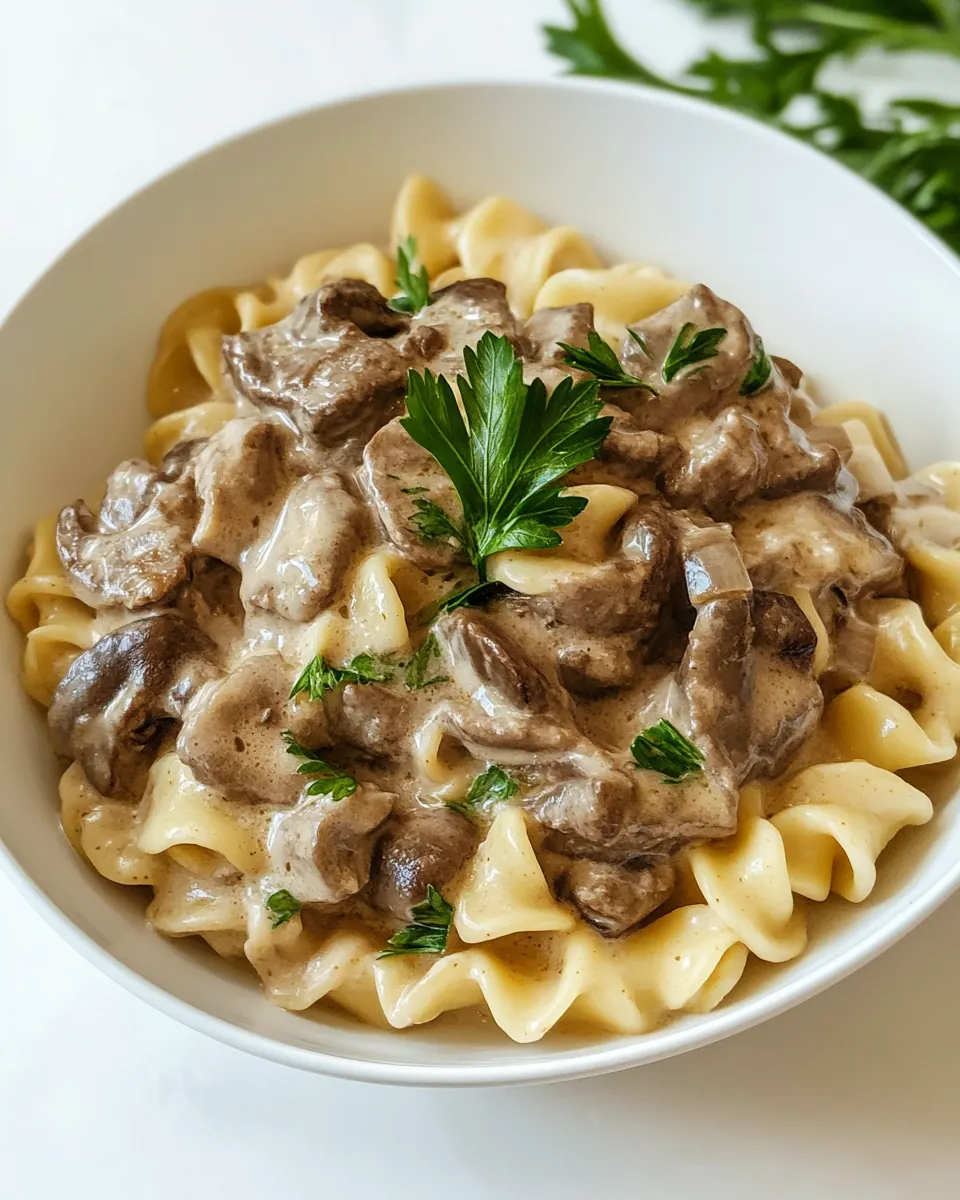
Gluten Free Beef Stroganoff is the kind of dish that made me fall back in love with weeknight cooking, the rich, savory sauce wrapping around tender slices of beef and comforting strands of gluten free noodles.
Years ago I learned to coax maximum flavor from simple ingredients after a late winter market run when the only pretty produce left was a crate of mushrooms and a resilient bunch of parsley. That night I pulled together a skillet supper that smelled like home within minutes, and this version, the one you hold now, grew from that first impromptu pan of seared beef and caramelized onion. It’s one of those recipes I reach for when I want something satisfying but not fussy, a real stick to your ribs, spoonable dinner that warms from the inside out.
I love how the sauce binds everything, rich yet bright with a touch of Dijon mustard, and how a little gluten free flour transforms the cooking liquid into a silky finish. When friends come over on a chilly night, I can rely on this dish to impress without keeping me in the kitchen for hours. You can customize it around dietary needs and have a creamy, meaty dinner on the table with minimal drama.
Recipe Snapshot
40 mins
15 mins
25 mins
Easy
450 kcal
American
Gluten-Free, Keto
Dinner
Large skillet, Tongs, Mixing bowl
The Magic of This Gluten Free Beef Stroganoff
Comforting Texture
I adore how Gluten Free Beef Stroganoff balances creamy and tender textures. The beef remains juicy when sliced thin against the grain, while the sauce clings to slightly undercooked gluten free noodles, finishing together so every forkful has sauce and protein. That mouthfeel is a big reason I make it again and again.
Speed Without Sacrifice
We often need dinner on the table quickly, and this recipe answers that call. From sear to simmer you get deep flavor in a short time, because browning the beef and sautéing the mushrooms build layers fast. I appreciate meals that respect my evening, giving me time to relax while the skillet does the heavy lifting.
Ingredient Simplicity
I like that the ingredient list is honest and straightforward. Pantry staples like olive oil, shelf stable beef broth, and a jar of Dijon mustard come together in a way that tastes elevated. When I shop, I know these items will be used across many meals, so nothing goes to waste.
Diet Friendly Without Compromise
The swap to gluten free flour and gluten free noodles means this dish works for guests with sensitivities, yet it keeps the creamy texture you expect from a stroganoff. I’ve seen skeptics return for seconds and ask what I did differently, which always makes me smile.
Customizable Finishes
I love that small tweaks make a big difference. Stirring in sour cream at the end keeps the sauce bright and velvety, and a sprinkle of fresh parsley lifts the whole plate. These finishing touches feel personal, letting you tune the dish to your taste.
Ingredients Required for Gluten Free Beef Stroganoff
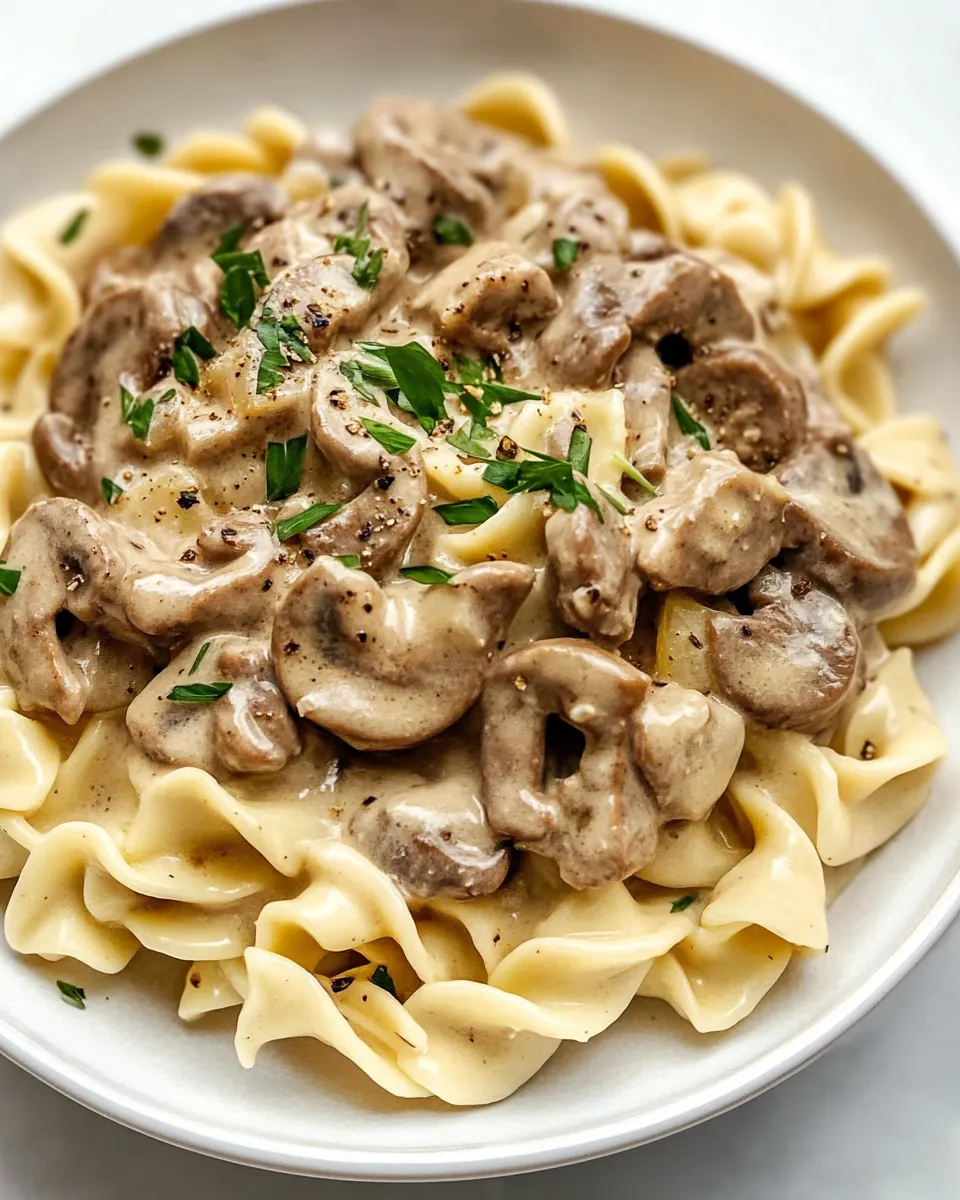
These ingredients form a simple, harmonious foundation. The key players are the beef, which provides savory depth, the mushrooms and onion, which bring umami and sweetness, and the combination of gluten free flour with beef broth that creates the sauce body. Finishing with sour cream gives creaminess while the gluten free noodles offer the comforting carriage for the sauce.
- Kosher salt to taste: Season generously to enhance overall flavor and balance the richness of the sauce; adjust to personal taste during cooking and at the end.
- Freshly ground black pepper to taste: Season freshly to add pungent heat and aromatic depth; grind over the finished dish to taste for a bright, peppery finish.
- 1 1/2 pounds beef sirloin thinly sliced against the grain: Slice thinly against the grain to ensure tender bites; brown quickly in hot oil to develop caramelized flavors before simmering with the sauce.
- 2 tablespoons olive oil: Heat to create a hot cooking surface for searing the beef and sautéing aromatics; use controlled amounts to prevent smoking and preserve flavor.
- 1 medium onion thinly sliced: Slice thinly to soften and sweeten as it sautés; cook until translucent to build a savory base for the sauce and complement the mushrooms.
- 3 cloves garlic minced: Mince finely to release its pungent aroma and deepen savory notes; add early while sautéing to infuse the oil without burning.
- 10 ounces mushrooms baby bella or button, sliced: Slice evenly to ensure uniform cooking; brown until golden to concentrate savory, umami flavors and add texture to the sauce.
- 2 1/2 tablespoons gluten-free flour: Coat and thicken when incorporated with fat to create a velvety sauce; sprinkle and cook briefly to remove raw flour taste before adding broth.
- 2 1/2 cups low-sodium beef broth: Simmer to form the liquid body of the sauce and deglaze the pan; use low-sodium variety to better control final seasoning levels.
- 2 teaspoons Dijon mustard: Emulsify and add tangy complexity to the sauce; whisk in to brighten flavor and bind the sauce components together.
- 1/2 cup sour cream or dairy-free alternative: Stabilize and enrich the sauce with creamy tang; fold in gently off heat to prevent curdling and accommodate dietary preferences when needed.
- 8 ounces gluten-free noodles slightly undercooked (will finish cooking in sauce): Cook slightly under al dente so noodles finish in the sauce; reserve a bit of pasta water if needed to adjust sauce consistency.
- Fresh parsley chopped, , for garnish (optional): Garnish chopped to add a fresh, herbaceous finish; sprinkle sparingly for color contrast and a pop of bright flavor.
Cooking Method for Gluten Free Beef Stroganoff
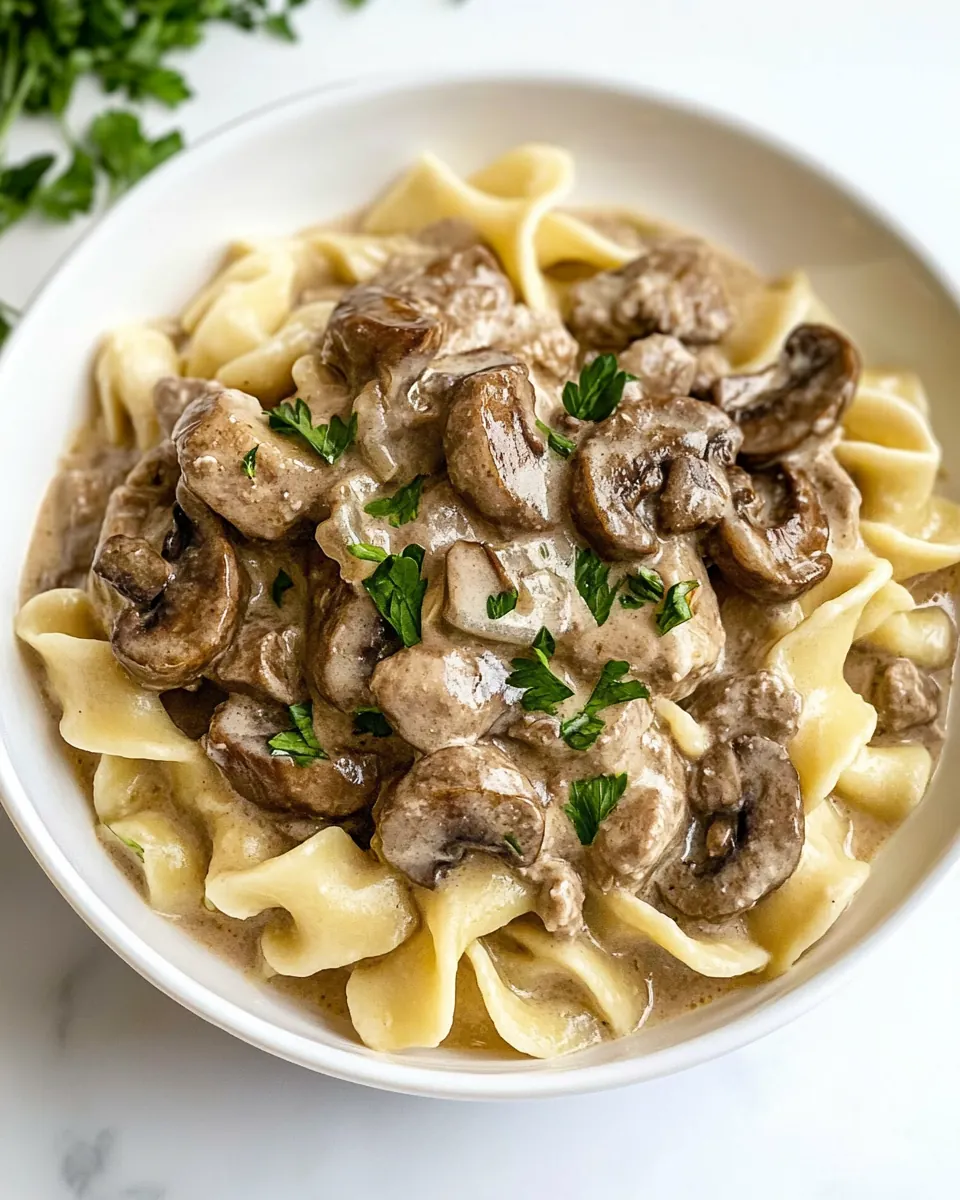
I like to treat the cooking as a short performance, where timing and sequence matter. We will transform browned beef, softened onion, and golden mushrooms into a cohesive sauce, then finish by bringing the gluten free noodles together with the mixture so everything arrives at the table in harmony.
- Sprinkle salt and pepper on the beef strips. In a large skillet, heat olive oil over medium-high heat. Add the beef and sauté until browned on all sides. Then, move the beef to a bowl.: The aroma of freshly seasoned beef is immediate, with the pepper giving a faint citrusy warmth and the salt coaxing natural juices to the surface. As the meat hits the skillet you should hear an energetic sizzle that signals proper pan temperature, a key to developing the brown fond that flavor builds on. If the pan is too cool, the meat will release liquid and simmer rather than sear, which flattens flavor. One troubleshooting trick is to pat the beef dry before seasoning so moisture does not prevent browning.
- In the same skillet, add the sliced onion, minced garlic, and mushrooms. Sauté until the onions are soft and the mushrooms begin to brown, about 5 minutes.: You should see the surface of the olive oil shimmer but not smoke, which indicates it is ready. When the oil is properly heated it spreads and coats the pan, ensuring even contact for the beef . Overheating will burn the oil and impart bitter notes, so adjust to maintain that steady shimmer. If you notice smoke, lower the heat and start again to protect the meat's flavor.
- Sprinkle the gluten-free flour over the vegetables and stir for about 1 minute to coat. Pour in the beef broth and add the Dijon mustard. Stir well and bring the mixture to a simmer.: As the beef sears, you will hear a brisk sizzle and see color deepen to a rich mahogany on the edges, with juices sealing inside. Browning takes literal minutes and creates caramelized bits on the pan, which are essential for sauce depth. Resist stirring constantly, let the contact do its work. A common mistake is moving pieces too soon, which prevents a proper crust from forming.
- Return the browned beef to the skillet. Allow the sauce to simmer for 10-15 minutes until it thickens slightly. Stir in the sour cream and adjust the seasoning with salt and pepper.: Removing the beef preserves the fond in the skillet and prevents overcooking while you build the sauce. The bowl holds the meat's juices and keeps it warm, which you will reincorporate later for added richness. If you leave the beef in the pan, it may overcook and dry out while the vegetables finish.
- Combine the gluten-free noodles with the beef and sauce. Allow to cook for a couple of minutes to finish cooking the pasta. Optionally garnish with chopped fresh parsley and serve warm.: The pan will release a sweet fragrance as the onion softens and the mushrooms give up moisture. You want a gentle sizzle, the sound of evaporation, and the visual cue of the onion turning translucent and the mushrooms turning golden at the edges. Stir occasionally to promote even coloring. If you crowd the pan the vegetables will steam, so work in batches if necessary.
- Sauté until the onions are soft and the mushrooms begin to brown, about 5 minutes: The kitchen should fill with roasted, caramelized notes, and the mushrooms should look concentrated and slightly shriveled as their water evaporates. This step concentrates umami and sweetness, which directly influences the sauce richness. Cook just until golden; over cooking makes them dry and less flavorful.
- Sprinkle the gluten free flour over the vegetables and stir for about 1 minute to coat: You will notice the flour dust becoming glossy as it absorbs fat, which signals that the raw flour edge is cooking off. This helps the eventual sauce thicken without tasting pasty. Stir continuously for this brief moment so the flour cooks evenly. If you skip this, the sauce can taste floury and grainy.
- Pour in the beef broth and add the Dijon mustard: As the beef broth hits the pan, the sizzle will quiet into soft bubbling, and the mixture will begin to lift the fond from the bottom, dissolving those browned bits into the sauce. The Dijon mustard disperses easily, bringing a subtle tang that balances richness. Bring the heat to a simmer to blend flavors; boiling vigorously can separate the sauce or reduce too quickly.
- Stir well and bring the mixture to a simmer: At a simmer you will see gentle, steady bubbles and steam rising, which means flavors are marrying and the sauce is reducing. Watch the consistency, you want it slightly loose because it will thicken more as it finishes. If the sauce reduces too fast, lower the heat and add a splash of extra broth to maintain the texture you want.
- Return the browned beef to the skillet: Returning the beef lets it finish cooking in the sauce, absorbing and contributing flavor. The meat will relax and release some juices that further enrich the pan. Make sure the heat is gentle to avoid overcooking; aggressive heat will toughen the thin slices. If the beef looks dry, a small splash of broth will rehydrate the pan.
- Allow the sauce to simmer for 10 to 15 minutes until it thickens slightly: During this time the aroma deepens and the sauce will reduce into a silkier coating. You should notice the sauce cling a little to the back of a spoon, indicating desired viscosity. Stir occasionally to prevent sticking. Simmering too long will reduce liquid excessively, creating an overly salty or pasty finish.
- Stir in the sour cream and adjust the seasoning with salt and pepper: The sauce will become creamier and silkier as the sour cream integrates, and you will see a velvety sheen. Add the sour cream off heat or over low warmth to prevent curdling. Taste as you go and correct with small pinches of salt and fresh black pepper . Adding too much acid or heat at this point can separate the dairy, so be gentle.
- Combine the gluten free noodles with the beef and sauce: As the slightly undercooked gluten free noodles join the skillet, they will soak up sauce and finish cooking, marrying starch and gravy. The sound changes to soft bubbling and the steam carries a rich, inviting scent. Toss gently so the noodles are coated evenly; vigorous stirring can break delicate noodles.
- Allow to cook for a couple of minutes to finish cooking the pasta: In these final moments the noodles reach tender doneness while the sauce clings and concentrates flavor. Check one noodle for texture, you want tender with a slight bite. Overcooking here results in mushy pasta, so remove from heat as soon as they are right.
- Optionally garnish with chopped fresh parsley and serve warm: The bright green of the parsley contrasts with the rich sauce and adds an herbal lift both visually and on the palate. Serve immediately so the textures remain lively. If you let the skillet sit too long, the noodles will continue to absorb liquid and the dish can dry.
Helpful Hints
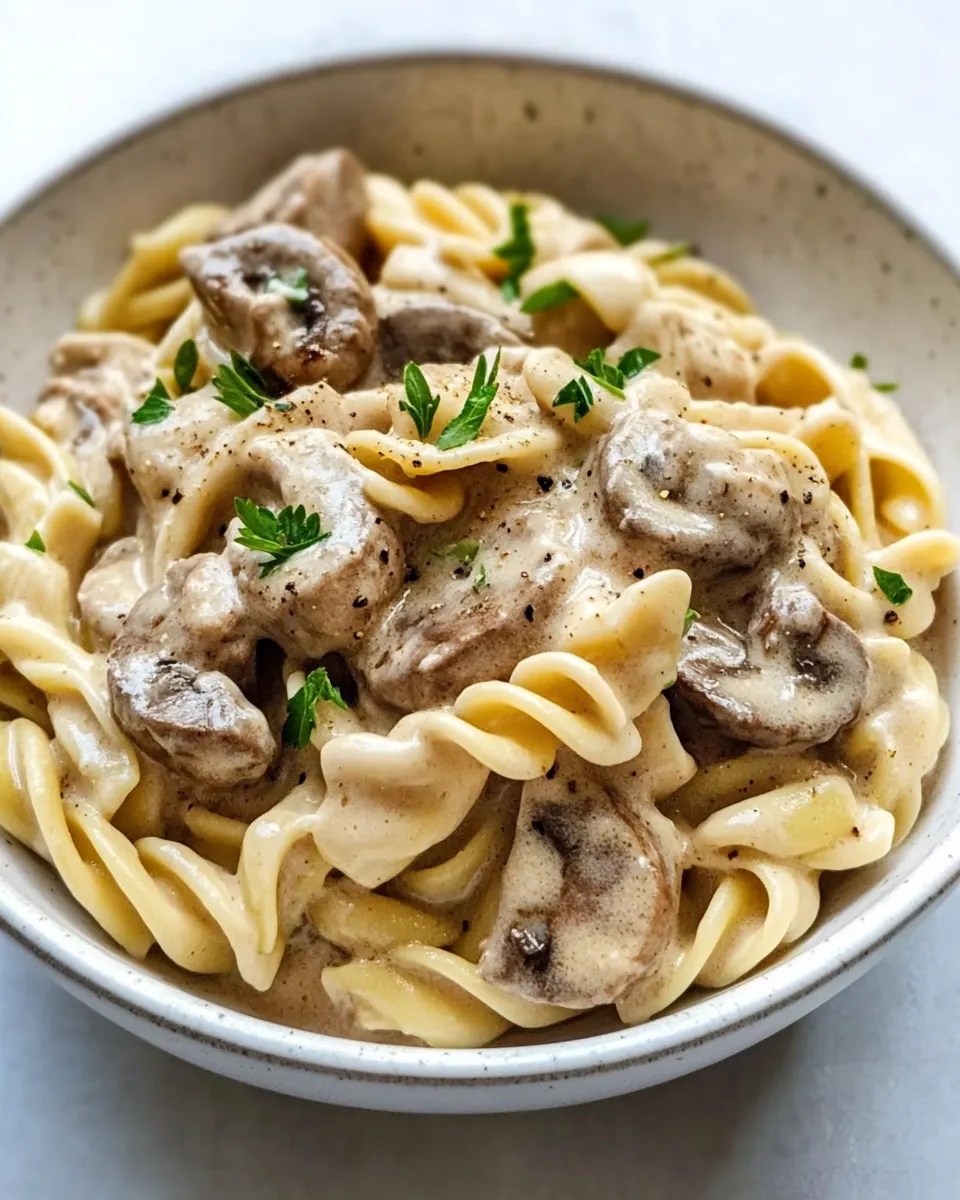
These hints come from repeating this recipe over dinners and small gatherings. They focus on keeping textures right and maximizing flavor while minimizing fuss in the kitchen.
- Heat control: Keep the skillet between medium and medium high. Too cool and the beef will not brown, too hot and oils can burn, making the dish bitter.
- Dry meat for better sear: Pat the beef strips dry with paper towels before seasoning so they develop a crisp crust instead of steaming.
- Mushroom management: Cook the mushrooms until their liquid evaporates and they begin to brown, this concentrates umami and prevents a watery sauce.
- Flour cook time: After sprinkling the gluten free flour, stir for about a minute to remove raw flour taste, which keeps the sauce silky and not chalky.
- Sour cream finish: Bring the skillet off the heat before stirring in the sour cream to avoid separating and to preserve a glossy sauce.
What Complements This Gluten Free Beef Stroganoff
This section explores serving ideas, occasions, and storage guidance so your meal shines whether for a simple family night or a special winter dinner.
- Classic family dinners: Serve the Gluten Free Beef Stroganoff as a main for cozy dinners, pairing with a crisp side salad for contrast.
- Comfort for cold evenings: Its warm, creamy sauce makes it an ideal choice for late winter suppers when you want something soothing and substantial.
- Make ahead tips: You can prepare the components, keep the beef and sauce refrigerated separately, and rewarm gently, adding a splash of broth if the sauce tightens.
- Leftover storage: Refrigerate in an airtight container for up to three days, and reheat slowly over low heat to maintain creaminess, stirring in a little broth if needed.
- Occasion ideas: Serve for casual dinner parties or weeknight family meals where you want something impressive but low stress.
- Seasonal pairing: This dish feels especially fitting for winter evenings when you crave warmth and richness.
FAQ
Conclusion
This recipe’s combination of tender beef, browned mushrooms, and a creamy, well seasoned sauce is what makes it such a satisfying meal. I encourage you to give this version a try on a chilly evening, especially when you want something that feels special without a long prep time. It’s a recipe that rewards simple technique, and once you master the timing it becomes a reliable favorite for family dinners and casual gatherings alike.
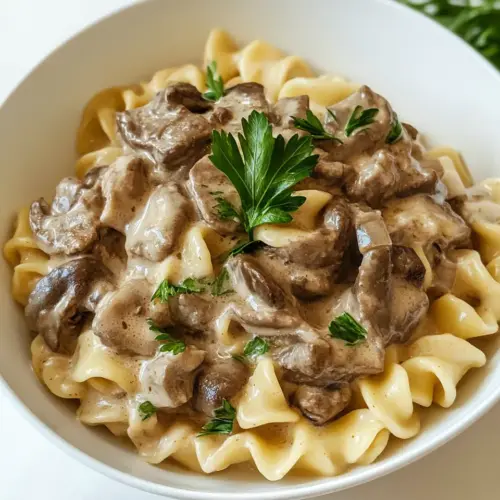
Gluten Free Beef Stroganoff
Equipment
- Large Skillet
- Tongs
- Mixing Bowl
Ingredients
- Kosher salt to taste Season generously to enhance overall flavor and balance the richness of the sauce; adjust to personal taste during cooking and at the end.
- Freshly ground black pepper to taste Season freshly to add pungent heat and aromatic depth; grind over the finished dish to taste for a bright, peppery finish.
- 1 1/2 pounds beef sirloin thinly sliced against the grain Slice thinly against the grain to ensure tender bites; brown quickly in hot oil to develop caramelized flavors before simmering with the sauce.
- 2 tablespoons olive oil Heat to create a hot cooking surface for searing the beef and sautéing aromatics; use controlled amounts to prevent smoking and preserve flavor.
- 1 medium onion thinly sliced Slice thinly to soften and sweeten as it sautés; cook until translucent to build a savory base for the sauce and complement the mushrooms.
- 3 cloves garlic minced Mince finely to release its pungent aroma and deepen savory notes; add early while sautéing to infuse the oil without burning.
- 10 ounces mushrooms baby bella or button, sliced Slice evenly to ensure uniform cooking; brown until golden to concentrate savory, umami flavors and add texture to the sauce.
- 2 1/2 tablespoons gluten-free flour Coat and thicken when incorporated with fat to create a velvety sauce; sprinkle and cook briefly to remove raw flour taste before adding broth.
- 2 1/2 cups low-sodium beef broth Simmer to form the liquid body of the sauce and deglaze the pan; use low-sodium variety to better control final seasoning levels.
- 2 teaspoons Dijon mustard Emulsify and add tangy complexity to the sauce; whisk in to brighten flavor and bind the sauce components together.
- 1/2 cup sour cream or dairy-free alternative Stabilize and enrich the sauce with creamy tang; fold in gently off heat to prevent curdling and accommodate dietary preferences when needed.
- 8 ounces gluten-free noodles slightly undercooked (will finish cooking in sauce) Cook slightly under al dente so noodles finish in the sauce; reserve a bit of pasta water if needed to adjust sauce consistency.
- Fresh parsley chopped, optional, for garnish Garnish chopped to add a fresh, herbaceous finish; sprinkle sparingly for color contrast and a pop of bright flavor.
Instructions
- Sprinkle salt and pepper on the beef strips. In a large skillet, heat olive oil over medium-high heat. Add the beef and sauté until browned on all sides. Then, move the beef to a bowl.: The aroma of freshly seasoned beef is immediate, with the pepper giving a faint citrusy warmth and the salt coaxing natural juices to the surface. As the meat hits the skillet you should hear an energetic sizzle that signals proper pan temperature, a key to developing the brown fond that flavor builds on. If the pan is too cool, the meat will release liquid and simmer rather than sear, which flattens flavor. One troubleshooting trick is to pat the beef dry before seasoning so moisture does not prevent browning.
- In the same skillet, add the sliced onion, minced garlic, and mushrooms. Sauté until the onions are soft and the mushrooms begin to brown, about 5 minutes.: You should see the surface of the olive oil shimmer but not smoke, which indicates it is ready. When the oil is properly heated it spreads and coats the pan, ensuring even contact for the beef . Overheating will burn the oil and impart bitter notes, so adjust to maintain that steady shimmer. If you notice smoke, lower the heat and start again to protect the meat's flavor.
- Sprinkle the gluten-free flour over the vegetables and stir for about 1 minute to coat. Pour in the beef broth and add the Dijon mustard. Stir well and bring the mixture to a simmer.: As the beef sears, you will hear a brisk sizzle and see color deepen to a rich mahogany on the edges, with juices sealing inside. Browning takes literal minutes and creates caramelized bits on the pan, which are essential for sauce depth. Resist stirring constantly, let the contact do its work. A common mistake is moving pieces too soon, which prevents a proper crust from forming.
- Return the browned beef to the skillet. Allow the sauce to simmer for 10-15 minutes until it thickens slightly. Stir in the sour cream and adjust the seasoning with salt and pepper.: Removing the beef preserves the fond in the skillet and prevents overcooking while you build the sauce. The bowl holds the meat's juices and keeps it warm, which you will reincorporate later for added richness. If you leave the beef in the pan, it may overcook and dry out while the vegetables finish.
- Combine the gluten-free noodles with the beef and sauce. Allow to cook for a couple of minutes to finish cooking the pasta. Optionally garnish with chopped fresh parsley and serve warm.: The pan will release a sweet fragrance as the onion softens and the mushrooms give up moisture. You want a gentle sizzle, the sound of evaporation, and the visual cue of the onion turning translucent and the mushrooms turning golden at the edges. Stir occasionally to promote even coloring. If you crowd the pan the vegetables will steam, so work in batches if necessary.
- Sauté until the onions are soft and the mushrooms begin to brown, about 5 minutes: The kitchen should fill with roasted, caramelized notes, and the mushrooms should look concentrated and slightly shriveled as their water evaporates. This step concentrates umami and sweetness, which directly influences the sauce richness. Cook just until golden; over cooking makes them dry and less flavorful.
- Sprinkle the gluten free flour over the vegetables and stir for about 1 minute to coat: You will notice the flour dust becoming glossy as it absorbs fat, which signals that the raw flour edge is cooking off. This helps the eventual sauce thicken without tasting pasty. Stir continuously for this brief moment so the flour cooks evenly. If you skip this, the sauce can taste floury and grainy.
- Pour in the beef broth and add the Dijon mustard: As the beef broth hits the pan, the sizzle will quiet into soft bubbling, and the mixture will begin to lift the fond from the bottom, dissolving those browned bits into the sauce. The Dijon mustard disperses easily, bringing a subtle tang that balances richness. Bring the heat to a simmer to blend flavors; boiling vigorously can separate the sauce or reduce too quickly.
- Stir well and bring the mixture to a simmer: At a simmer you will see gentle, steady bubbles and steam rising, which means flavors are marrying and the sauce is reducing. Watch the consistency, you want it slightly loose because it will thicken more as it finishes. If the sauce reduces too fast, lower the heat and add a splash of extra broth to maintain the texture you want.
- Return the browned beef to the skillet: Returning the beef lets it finish cooking in the sauce, absorbing and contributing flavor. The meat will relax and release some juices that further enrich the pan. Make sure the heat is gentle to avoid overcooking; aggressive heat will toughen the thin slices. If the beef looks dry, a small splash of broth will rehydrate the pan.
- Allow the sauce to simmer for 10 to 15 minutes until it thickens slightly: During this time the aroma deepens and the sauce will reduce into a silkier coating. You should notice the sauce cling a little to the back of a spoon, indicating desired viscosity. Stir occasionally to prevent sticking. Simmering too long will reduce liquid excessively, creating an overly salty or pasty finish.
- Stir in the sour cream and adjust the seasoning with salt and pepper: The sauce will become creamier and silkier as the sour cream integrates, and you will see a velvety sheen. Add the sour cream off heat or over low warmth to prevent curdling. Taste as you go and correct with small pinches of salt and fresh black pepper . Adding too much acid or heat at this point can separate the dairy, so be gentle.
- Combine the gluten free noodles with the beef and sauce: As the slightly undercooked gluten free noodles join the skillet, they will soak up sauce and finish cooking, marrying starch and gravy. The sound changes to soft bubbling and the steam carries a rich, inviting scent. Toss gently so the noodles are coated evenly; vigorous stirring can break delicate noodles.
- Allow to cook for a couple of minutes to finish cooking the pasta: In these final moments the noodles reach tender doneness while the sauce clings and concentrates flavor. Check one noodle for texture, you want tender with a slight bite. Overcooking here results in mushy pasta, so remove from heat as soon as they are right.
- Optionally garnish with chopped fresh parsley and serve warm: The bright green of the parsley contrasts with the rich sauce and adds an herbal lift both visually and on the palate. Serve immediately so the textures remain lively. If you let the skillet sit too long, the noodles will continue to absorb liquid and the dish can dry.
Notes
- Heat control: Keep the skillet between medium and medium high. Too cool and the beef will not brown, too hot and oils can burn, making the dish bitter.
- Dry meat for better sear: Pat the beef strips dry with paper towels before seasoning so they develop a crisp crust instead of steaming.
- Mushroom management: Cook the mushrooms until their liquid evaporates and they begin to brown, this concentrates umami and prevents a watery sauce.
- Flour cook time: After sprinkling the gluten free flour, stir for about a minute to remove raw flour taste, which keeps the sauce silky and not chalky.
- Sour cream finish: Bring the skillet off the heat before stirring in the sour cream to avoid separating and to preserve a glossy sauce.