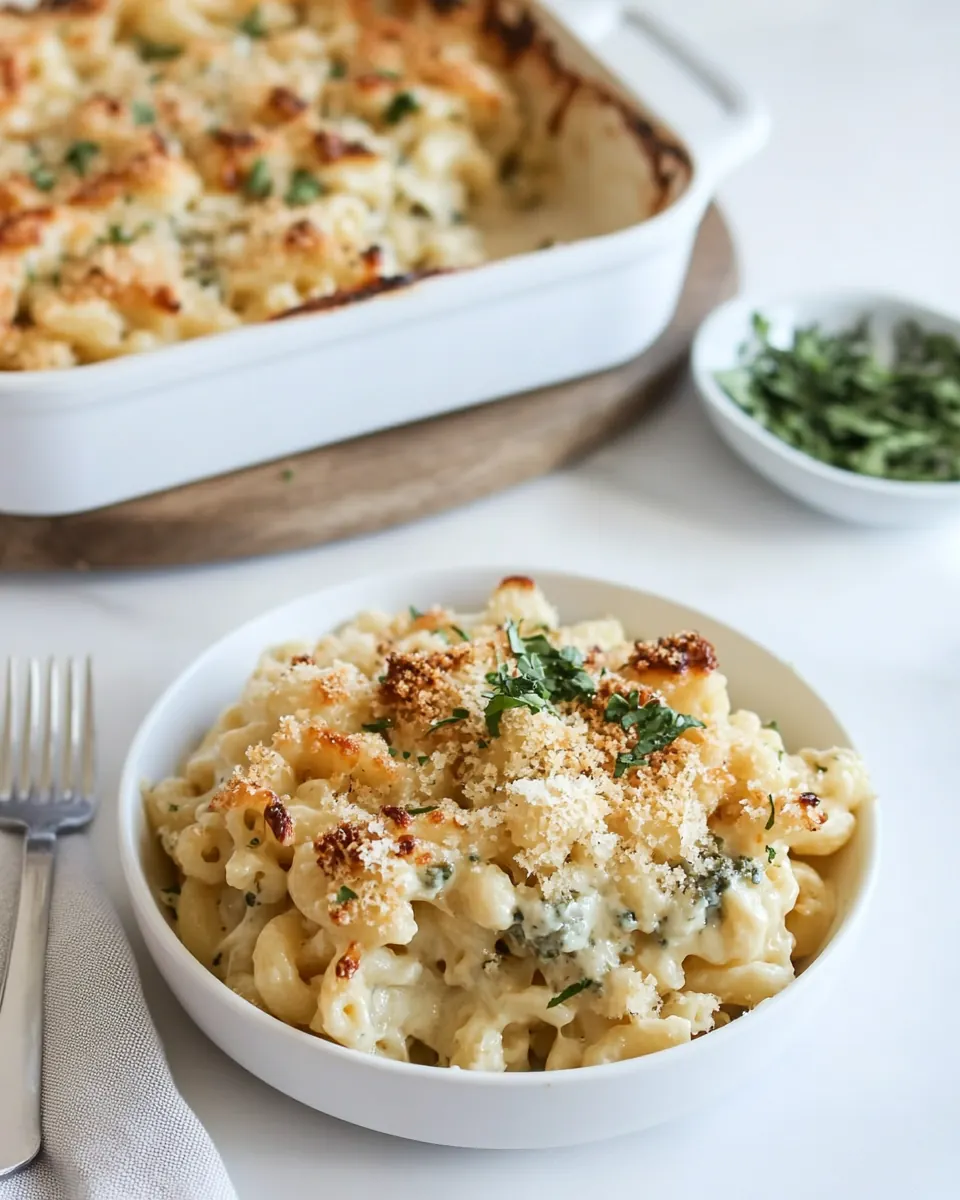
Blue Cheese Mac and Cheese
Blue Cheese Mac and Cheese is the kind of dish I fall back on when I want comfort with a kick, something that hugs you from the inside yet keeps your taste buds curious. The first time I made this, a friend who swore off strong cheeses took one bite and said it reminded her of warm, grown up grilled cheese; that moment convinced me this recipe belongs in the regular rotation. I like how the tangy cheeses cut through the creamy sauce, creating a balance that feels both indulgent and clever.
When I think of weeknight dinners that still feel special, Blue Cheese Mac and Cheese pops into my head. I’ll often toss a simple green salad together while it bakes, and by the time the top is golden and crackly, the house smells like cozy Sunday afternoons. There is a rhythm to making it, the small victories of a silky roux and the satisfying sprinkle of breadcrumbs that becomes crisp in the oven.
Recipe Snapshot
50 mins
15 mins
35 mins
Medium
450 kcal
American
Gluten-Free, Low FODMAP
Dinner
Saucepan, Whisk, Baking dish, Pot for boiling pasta, Grater
The Magic of This Blue Cheese Mac and Cheese
Bold, Complex Flavor
I love that Blue Cheese Mac and Cheese is unapologetically flavorful. The trio of cheeses layers tang, creaminess, and a faint nuttiness so every forkful keeps your interest. If you enjoy assertive tastes, this will become your new comfort standard, and I often catch myself savoring the aroma before a single bite.
Creamy Yet Textural
The sauce is lush and smooth while the breadcrumb topping turns crunchy and golden, giving a delightful contrast. I always aim for that cream to crumb ratio because it elevates the dish from cozy to restaurant worthy. When you scoop through the crust into the bubbling cheese beneath, that textural interplay is what makes people come back for seconds.
Family Friendly, With Personality
This is a crowd pleaser that still has a gourmet attitude. I’ve served it at casual dinners where guests expected plain macaroni and instead found a bolder version that somehow felt familiar and special. For families who like comfort food but want to branch out, it’s an effortless win.
Simple Technique, Big Payoff
Don’t be intimidated by the multiple cheeses, the method is straightforward: make a roux, add milk, melt the cheeses, and bake. I often tell friends that a little attention early pays off massively at the end. The technique improves texture and flavor, and once you master it, you can riff on it confidently.
Versatile for Occasions
From casual dinner parties to cozy winter nights, Blue Cheese Mac and Cheese adapts easily. I like to think of it as a flexible centerpiece that pairs nicely with simple sides, so you spend less time fussing and more time enjoying company. Its hearty nature makes it perfect for colder months when you want a filling plate that comforts.
Ingredients to Make Blue Cheese Mac and Cheese
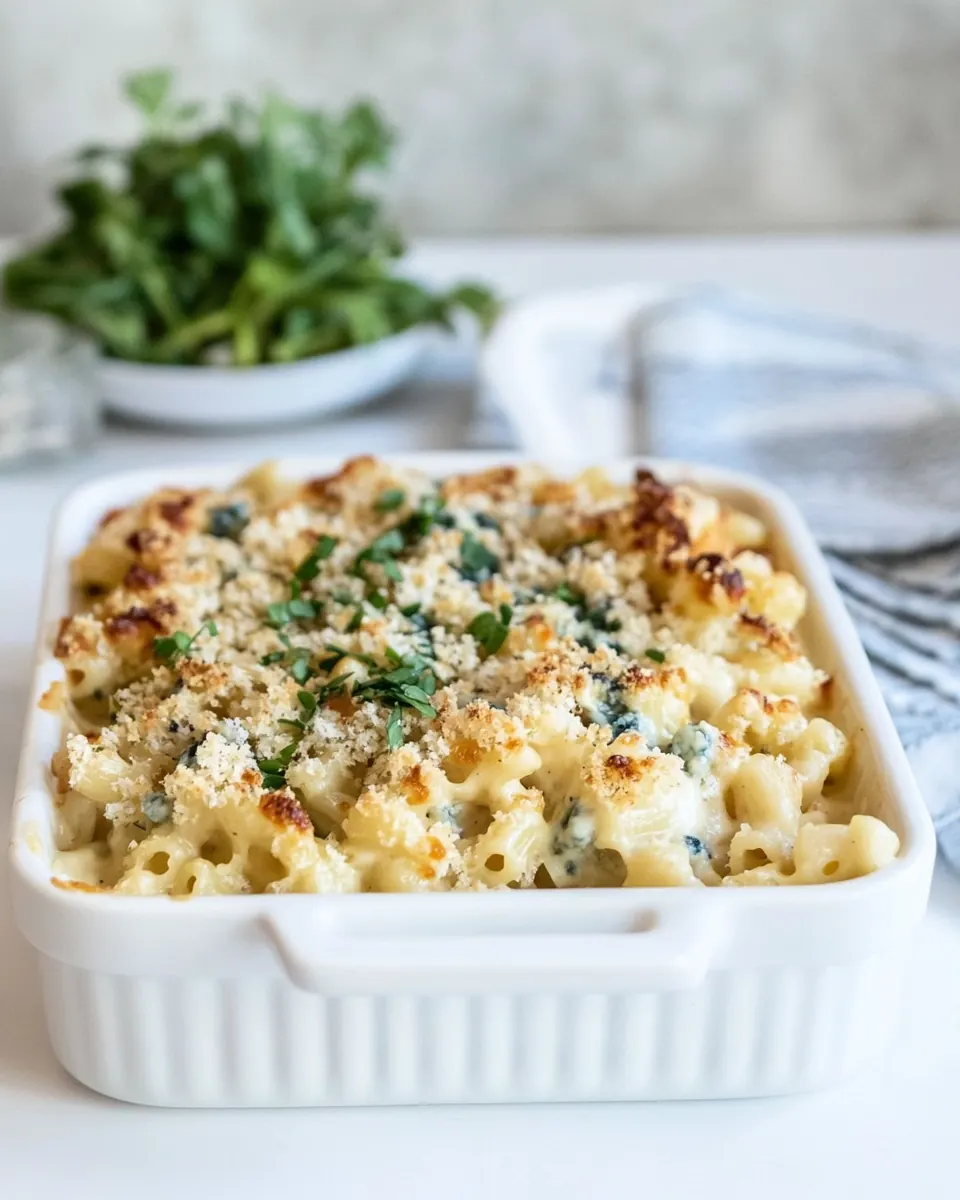
These ingredients form a reliable foundation for a creamy, tang forward mac and cheese. The key players are the pasta for structure, the butter and flour for the roux that builds body, and the trio of cheeses for layers of flavor. Breadcrumbs bring a textural finish, and a touch of herbs brightens the whole dish.
- 1 pound whole wheat mini elbow noodles: Cook until al dente and provide a whole-grain backbone that adds nuttiness and chew to the dish; drain well to prevent a watery sauce and keep pasta warm for saucing.
- 2 tablespoons unsalted butter: Melt gently to form the base of the roux, contributing rich flavor and a silky mouthfeel; brown slightly if desired for a nuttier note but avoid burning to maintain a clean butter taste.
- 2 tablespoons flour: Whisk into melted butter to create a roux that thickens the sauce; cook briefly to remove raw flour taste while ensuring smooth incorporation with the milk.
- 2 1/2 cups milk: Warm and slowly incorporate into the roux to form a creamy béchamel; adjust heat and whisk continuously to achieve a velvety texture and control sauce thickness.
- 8 ounces fontina cheese, freshly grated: Grate finely and fold into the warm sauce to provide a mild, creamy melt with excellent stretch and a subtle nutty flavor; balance with stronger blues for complexity.
- 8 ounces gorgonzola cheese, crumbled: Crumble into the sauce to contribute sharp, tangy, and savory notes that cut through richness; mix evenly so its bold profile infuses the mac and cheese without overpowering.
- 8 ounces buttermilk blue cheese, crumbled: Crumble and blend with the other cheeses to add creamy tang and depth; use its milder blue character to round out saltiness and create layered blue cheese flavor.
- salt + pepper: Season to taste to enhance and balance overall flavor; add gradually and taste between additions to avoid over-salting given the salty cheeses.
- 1/3 cup panko bread crumbs: Sprinkle over the top for a crunchy contrast that toasts nicely under heat; combine with butter or oil if desired to achieve a golden, crisp topping.
- 1/4 cups seasoned fine bread crumbs: Use as an additional crumb layer for texture and seasoning; distribute evenly to contribute fine, flavorful crunch and help form a cohesive crust when baked.
- chopped fresh herbs for topping: Garnish finely chopped to add a fresh, aromatic finish and brighten the rich, cheesy profile; choose herbs that complement blue cheese, adding color and herbal lift.
How to Make Blue Cheese Mac and Cheese
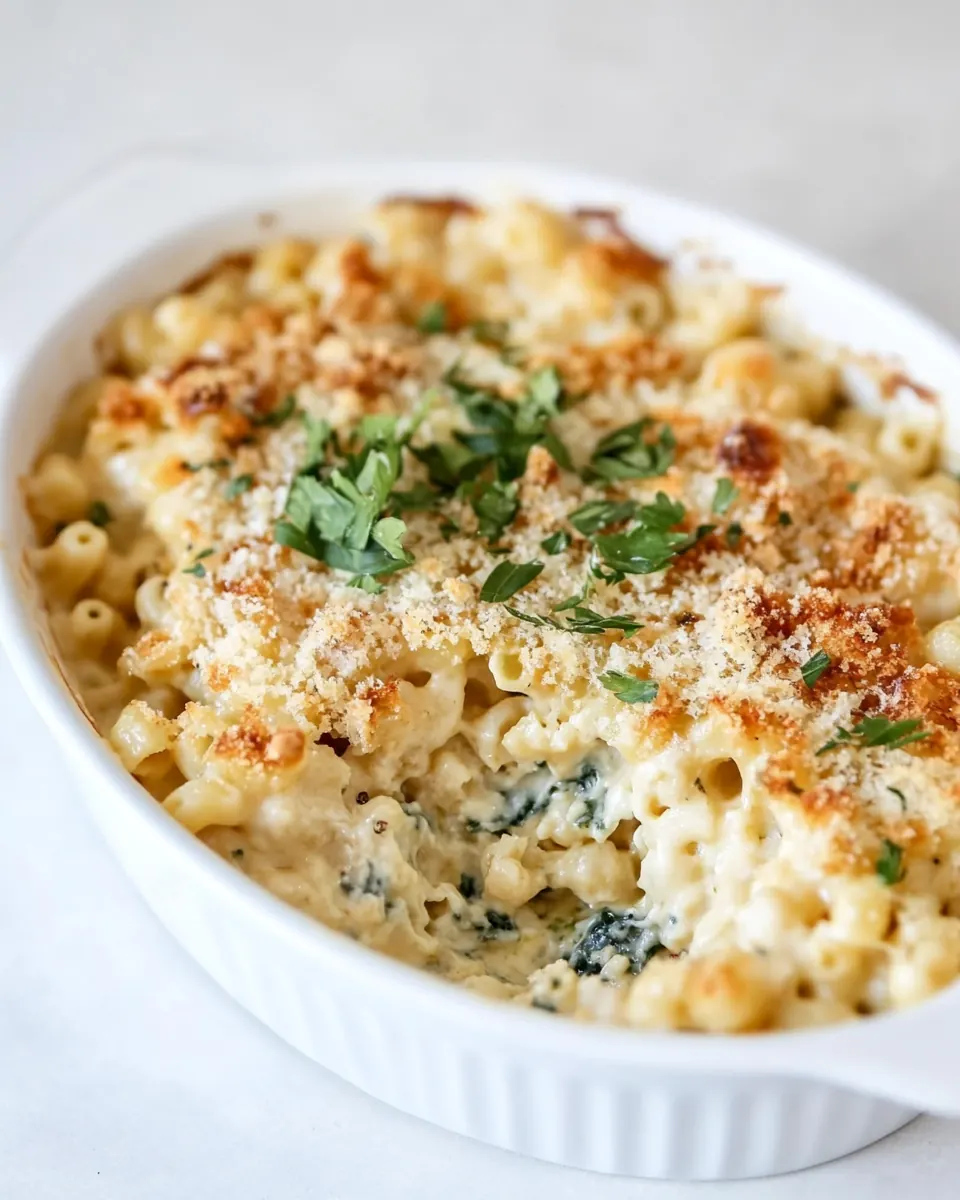
These directions are straightforward but rewarding, and I like to move deliberately through each stage. Keep your tools ready, watch the sauce closely, and you will be rewarded with a bubbling, golden casserole that smells incredible. Patience during the roux and while melting the cheeses makes a huge difference in texture.
- Preheat oven to 400 degrees F. Spray a baking dish with nonstick spray.: The oven should be fully hot when the assembled casserole goes in so the top crisps properly and the interior becomes bubbly; you will notice the oven hum and a dry warmth when it is ready. Ensuring the baking dish is well sprayed prevents sticking and makes serving clean, crisp slices easier. A common mistake is skipping the preheat and putting the dish into a not fully heated oven, which can lead to a soggy topping rather than a golden crust.
- Bring water to a boil and prepare pasta according to directions, shaving 1-2 minutes off of the cooking time.: You want the pasta to be slightly underdone so it finishes cooking in the oven while absorbing the sauce; the water should roar with bubbling before adding the noodles, and salted water will season the pasta core. Drain when the pasta is just shy of tender, because overcooking here results in mushy texture after baking.
- While pasta is boiling, heat butter in a medium saucepan over medium heat. Once sizzling, add flour and whisk constantly to create a roux, until golden and bubbly, about 2 minutes. Pour in milk and whisk constantly, stirring until the mixture slightly thickens. Reduce heat to low and add in 6 ounces of the fontina, all of the gorgonzola and about 6 ounces of the other blue. Stir until cheese melts and sauce is thick. Taste and season with a bit of salt and pepper if desired.: As the butter hits the pan you will hear a gentle sizzle and smell a toasty aroma when the flour cooks; whisking constantly prevents lumps and creates a satin smooth base. Adding the milk gradually yields a glossy texture, and when the cheeses begin melting you will see the sauce turn silky and slightly glossy, with ribbons when you lift the whisk. This technique matters because it ensures an even, creamy sauce that clings to the noodles. A typical pitfall is overheating once the cheese is added, which can cause the sauce to separate, so keep the heat low and stir gently.
- Add noodles to the baking dish. Pour cheese sauce over top, tossing to coat all the noodles. Sprinkle remaining fontina and blue over top evenly, then cover in breadcrumbs. Bake for 30-35 minutes, or until top is golden and crunchy.: When you combine the noodles and sauce, use gentle folding motions so each piece is coated; you should see ribbons of creamy sauce enveloping the pasta and hear a quiet slosh as it moves. Even distribution of the remaining fontina and blue on top ensures that pockets of melty character appear across the surface, and the breadcrumb layer will form a golden protective crust. Avoid packing the casserole too densely, because that can prevent even browning and texture contrast.
- Bake for 30-35 minutes, or until top is golden and crunchy: During baking the kitchen fills with a warm, savory perfume and you will notice the edges gently bubbling and the breadcrumbs browning to a deep gold; the sound is subtle, a soft crackle as the topping crisp up. The oven's heat finishes cooking the pasta and melds the cheeses into a cohesive, indulgent filling. A common misstep is opening the oven repeatedly, which lowers the temperature and can delay the crisping process, so trust the time and peek near the end instead of frequently checking.
How to Switch It Up
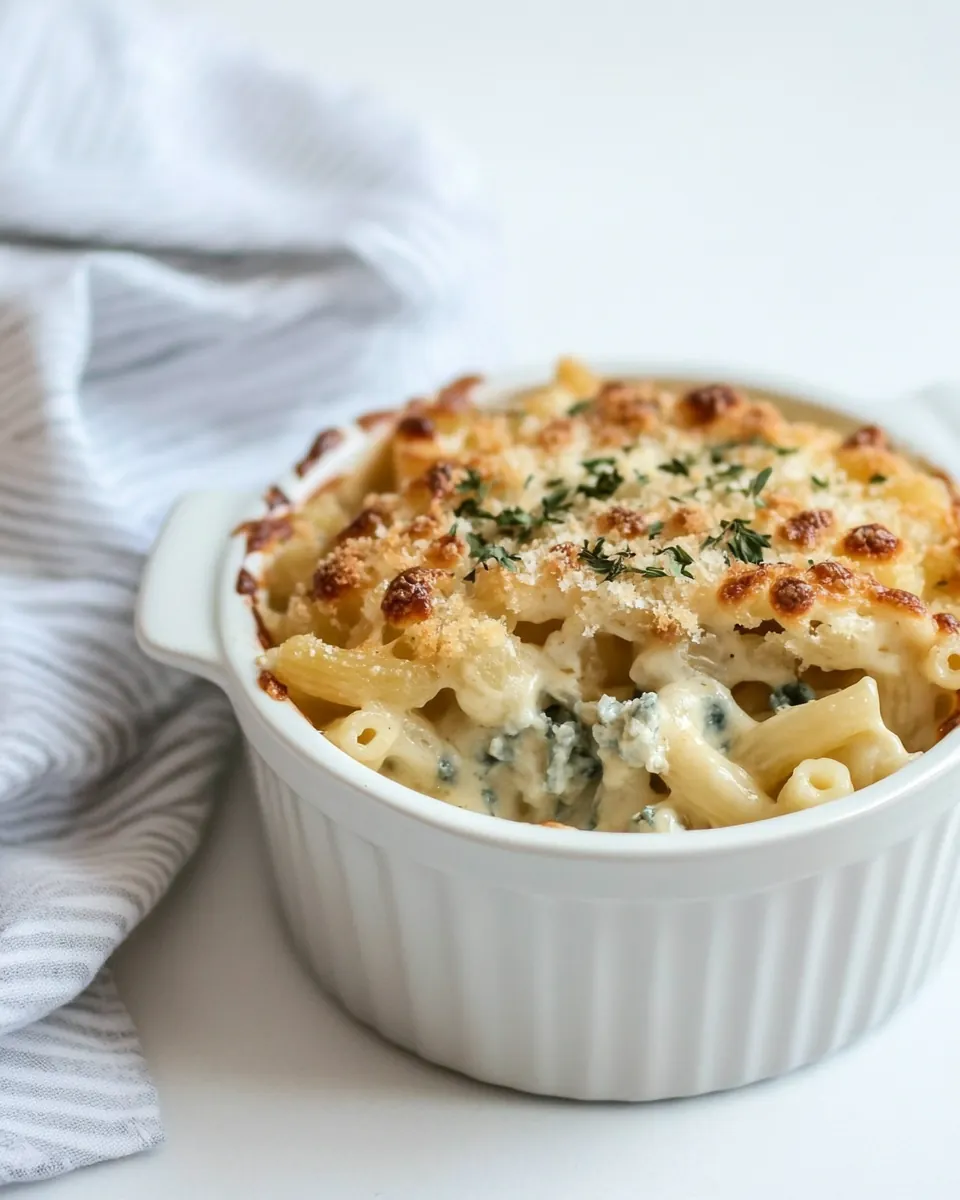
I like offering variations so you can tune the richness and texture based on the occasion. These ideas let you keep the core technique intact while introducing new flavors or crunch elements. Each tip starts with a bold suggestion and then explains how it affects the finished dish.
- Adjust the cheese balance — Use more or less of the bolder gorgonzola cheese to control tang, keeping the overall melting texture by maintaining the total cheese weight.
- Toast breadcrumbs first — Lightly toasting the panko bread crumbs and seasoned fine bread crumbs in a pan with a little butter before topping enhances nuttiness and ensures a crisp finish.
- Swap pasta shape — If you prefer a slightly different bite, try similarly sized elbow noodles or small tubes, which hold sauce in their crevices for even sauciness.
- Herb finish — Add chopped fresh herbs after baking for an aromatic lift that brightens the heavy cheese notes and adds visual contrast.
- Control salt carefully — Because the cheeses can be salty, season sparingly with salt early and adjust after you mix the sauce and noodles to avoid over seasoning.
Serve This Blue Cheese Mac and Cheese With
This casserole stands well with simple, fresh sides that balance its richness. Think crisp greens, lightly dressed vegetables, or something acidic to cut through the creamy weight. The ideas below cover occasions and storage, and explain how each pairing complements the dish.
- Light green salad — A tossed salad with crisp lettuce and a bright vinaigrette offers a refreshing counterpoint, making the meal feel balanced and less heavy for weeknight dinners.
- Steamed vegetables — Mild steamed vegetables like green beans or broccoli add a clean texture and color contrast, perfect for a family style dinner where you want some freshness on the plate.
- Casual gatherings — Serve this casserole as a shareable centerpiece for small dinner parties, where guests can help themselves to generous portions alongside simple sides.
- Seasonal pairing — In winter, when you crave heartier plates, this goes nicely with roasted root vegetables, while in cooler months the herb garnish keeps it lively.
- Storage tips — Cool leftovers to room temperature, then refrigerate in an airtight container for up to 3 days; reheat in a moderate oven to revive the crust and restore creaminess underneath.
- Occasion notes — It works for casual weeknights and more relaxed holiday meals where comfort with a twist is desired, thanks to its bold flavor and filling nature.
FAQ
Conclusion
This Blue Cheese Mac and Cheese stands out because it marries a silky, well made cheese sauce with bold blue flavors and a crunchy topping, creating a satisfying contrast in every bite. Give it a try when you want a comforting dish that still has personality, whether for a cozy family dinner or a casual gathering. I hope you enjoy the way the tangy cheeses play against the creamy sauce and crispy crust, and that it becomes one of your go to recipes for nights when you want something both familiar and exciting.
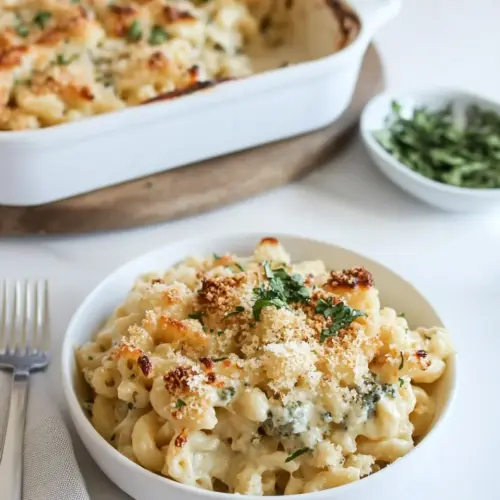
Blue Cheese Mac and Cheese
Equipment
- Saucepan
- Whisk
- Baking Dish
- Pot for boiling pasta
- Grater
Ingredients
- 1 pound whole wheat mini elbow noodles Cook until al dente and provide a whole-grain backbone that adds nuttiness and chew to the dish; drain well to prevent a watery sauce and keep pasta warm for saucing.
- 2 tablespoons unsalted butter Melt gently to form the base of the roux, contributing rich flavor and a silky mouthfeel; brown slightly if desired for a nuttier note but avoid burning to maintain a clean butter taste.
- 2 tablespoons flour Whisk into melted butter to create a roux that thickens the sauce; cook briefly to remove raw flour taste while ensuring smooth incorporation with the milk.
- 2 1/2 cups milk Warm and slowly incorporate into the roux to form a creamy béchamel; adjust heat and whisk continuously to achieve a velvety texture and control sauce thickness.
- 8 ounces fontina cheese, freshly grated Grate finely and fold into the warm sauce to provide a mild, creamy melt with excellent stretch and a subtle nutty flavor; balance with stronger blues for complexity.
- 8 ounces gorgonzola cheese, crumbled Crumble into the sauce to contribute sharp, tangy, and savory notes that cut through richness; mix evenly so its bold profile infuses the mac and cheese without overpowering.
- 8 ounces buttermilk blue cheese, crumbled Crumble and blend with the other cheeses to add creamy tang and depth; use its milder blue character to round out saltiness and create layered blue cheese flavor.
- salt + pepper Season to taste to enhance and balance overall flavor; add gradually and taste between additions to avoid over-salting given the salty cheeses.
- 1/3 cup panko bread crumbs Sprinkle over the top for a crunchy contrast that toasts nicely under heat; combine with butter or oil if desired to achieve a golden, crisp topping.
- 1/4 cups seasoned fine bread crumbs Use as an additional crumb layer for texture and seasoning; distribute evenly to contribute fine, flavorful crunch and help form a cohesive crust when baked.
- chopped fresh herbs for topping Garnish finely chopped to add a fresh, aromatic finish and brighten the rich, cheesy profile; choose herbs that complement blue cheese, adding color and herbal lift.
Instructions
- Preheat oven to 400 degrees F. Spray a baking dish with nonstick spray.: The oven should be fully hot when the assembled casserole goes in so the top crisps properly and the interior becomes bubbly; you will notice the oven hum and a dry warmth when it is ready. Ensuring the baking dish is well sprayed prevents sticking and makes serving clean, crisp slices easier. A common mistake is skipping the preheat and putting the dish into a not fully heated oven, which can lead to a soggy topping rather than a golden crust.
- Bring water to a boil and prepare pasta according to directions, shaving 1-2 minutes off of the cooking time.: You want the pasta to be slightly underdone so it finishes cooking in the oven while absorbing the sauce; the water should roar with bubbling before adding the noodles, and salted water will season the pasta core. Drain when the pasta is just shy of tender, because overcooking here results in mushy texture after baking.
- While pasta is boiling, heat butter in a medium saucepan over medium heat. Once sizzling, add flour and whisk constantly to create a roux, until golden and bubbly, about 2 minutes. Pour in milk and whisk constantly, stirring until the mixture slightly thickens. Reduce heat to low and add in 6 ounces of the fontina, all of the gorgonzola and about 6 ounces of the other blue. Stir until cheese melts and sauce is thick. Taste and season with a bit of salt and pepper if desired.: As the butter hits the pan you will hear a gentle sizzle and smell a toasty aroma when the flour cooks; whisking constantly prevents lumps and creates a satin smooth base. Adding the milk gradually yields a glossy texture, and when the cheeses begin melting you will see the sauce turn silky and slightly glossy, with ribbons when you lift the whisk. This technique matters because it ensures an even, creamy sauce that clings to the noodles. A typical pitfall is overheating once the cheese is added, which can cause the sauce to separate, so keep the heat low and stir gently.
- Add noodles to the baking dish. Pour cheese sauce over top, tossing to coat all the noodles. Sprinkle remaining fontina and blue over top evenly, then cover in breadcrumbs. Bake for 30-35 minutes, or until top is golden and crunchy.: When you combine the noodles and sauce, use gentle folding motions so each piece is coated; you should see ribbons of creamy sauce enveloping the pasta and hear a quiet slosh as it moves. Even distribution of the remaining fontina and blue on top ensures that pockets of melty character appear across the surface, and the breadcrumb layer will form a golden protective crust. Avoid packing the casserole too densely, because that can prevent even browning and texture contrast.
- Bake for 30-35 minutes, or until top is golden and crunchy: During baking the kitchen fills with a warm, savory perfume and you will notice the edges gently bubbling and the breadcrumbs browning to a deep gold; the sound is subtle, a soft crackle as the topping crisp up. The oven's heat finishes cooking the pasta and melds the cheeses into a cohesive, indulgent filling. A common misstep is opening the oven repeatedly, which lowers the temperature and can delay the crisping process, so trust the time and peek near the end instead of frequently checking.
Notes
- Adjust the cheese balance — Use more or less of the bolder gorgonzola cheese to control tang, keeping the overall melting texture by maintaining the total cheese weight.
- Toast breadcrumbs first — Lightly toasting the panko bread crumbs and seasoned fine bread crumbs in a pan with a little butter before topping enhances nuttiness and ensures a crisp finish.
- Swap pasta shape — If you prefer a slightly different bite, try similarly sized elbow noodles or small tubes, which hold sauce in their crevices for even sauciness.
- Herb finish — Add chopped fresh herbs after baking for an aromatic lift that brightens the heavy cheese notes and adds visual contrast.
- Control salt carefully — Because the cheeses can be salty, season sparingly with salt early and adjust after you mix the sauce and noodles to avoid over seasoning.