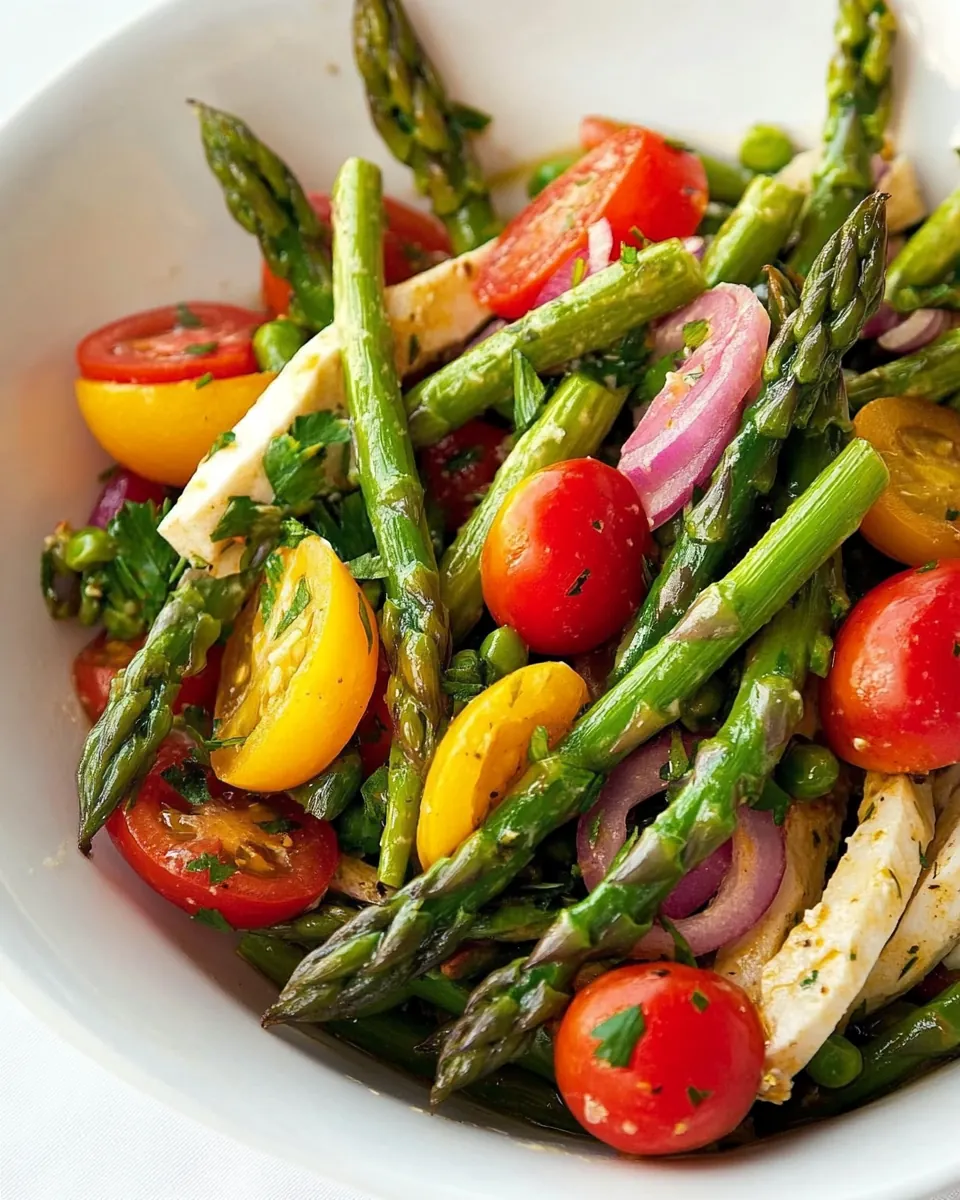
Asparagus Salad
Asparagus Salad is one of those recipes I reach for when I want something green, bright, and effortless on the table. The first time I served this to friends was mid spring, and everyone kept returning for another forkful, drawn to the fresh snap of the asparagus and the creaminess of the avocado dressing. I remember pacing the kitchen while the petals of conversation swirled around the island, feeling proud that a simple bowl of vegetables could feel so celebratory.
That night taught me that a salad does not need to be complicated to feel special. I love how the quick blanch on the stove preserves the vivid color of the asparagus, and how a tiny grating of garlic and a squeeze of lemon lift everything. The crunch of the pine nuts and the salty pop of crumbled feta cheese make each bite layered and satisfying. Over the years I have tweaked the balance of dressing to maintain that delicate harmony between brightness and cream.
Recipe Snapshot
25 mins
20 mins
5 mins
Easy
180 kcal
Mediterranean
Gluten-Free, Vegan
Salads
Large pot, Bowl, Kitchen towel, Skillet
Why You Need This Asparagus Salad
Fresh seasonal flavor
I adore Asparagus Salad because it celebrates spring produce in the purest way. When asparagus is in season, it has a tender, grassy sweetness that shines with minimal fuss, and I want that flavor front and center. The combination of blanched asparagus and thawed peas brings a vegetal chorus that feels lively yet refined.
Texture contrast
The salad stands out because of its contrasts. Soft meaty avocado dressing meets the crisp bite of thinly sliced radishes and the toasty crunch of pine nuts. That interplay keeps every mouthful interesting, and I often find myself smiling mid meal at the way flavors and textures collide.
Speed and simplicity
I value recipes I can pull together in a short window, and this Asparagus Salad fits that need. The blanching step takes moments, and the dressing comes together in less time than it takes to set the table. For busy weeknights or last minute entertaining, this is my reliable choice.
Customizable but focused
While the recipe is specific, it leaves room for small changes that still honor the core idea. A sprinkle of fresh mint or basil will shift the aroma profile, while maintaining the salad integrity. I like recipes that reward gentle experimentation, and this one does without losing its identity.
Visually appealing
There is something about the bright green of the asparagus and peas, dotted with white feta cheese and pink radishes, that makes this salad camera friendly and inviting on the table. I often serve it when I want the plate to look as good as it tastes.
Asparagus Salad Shopping List
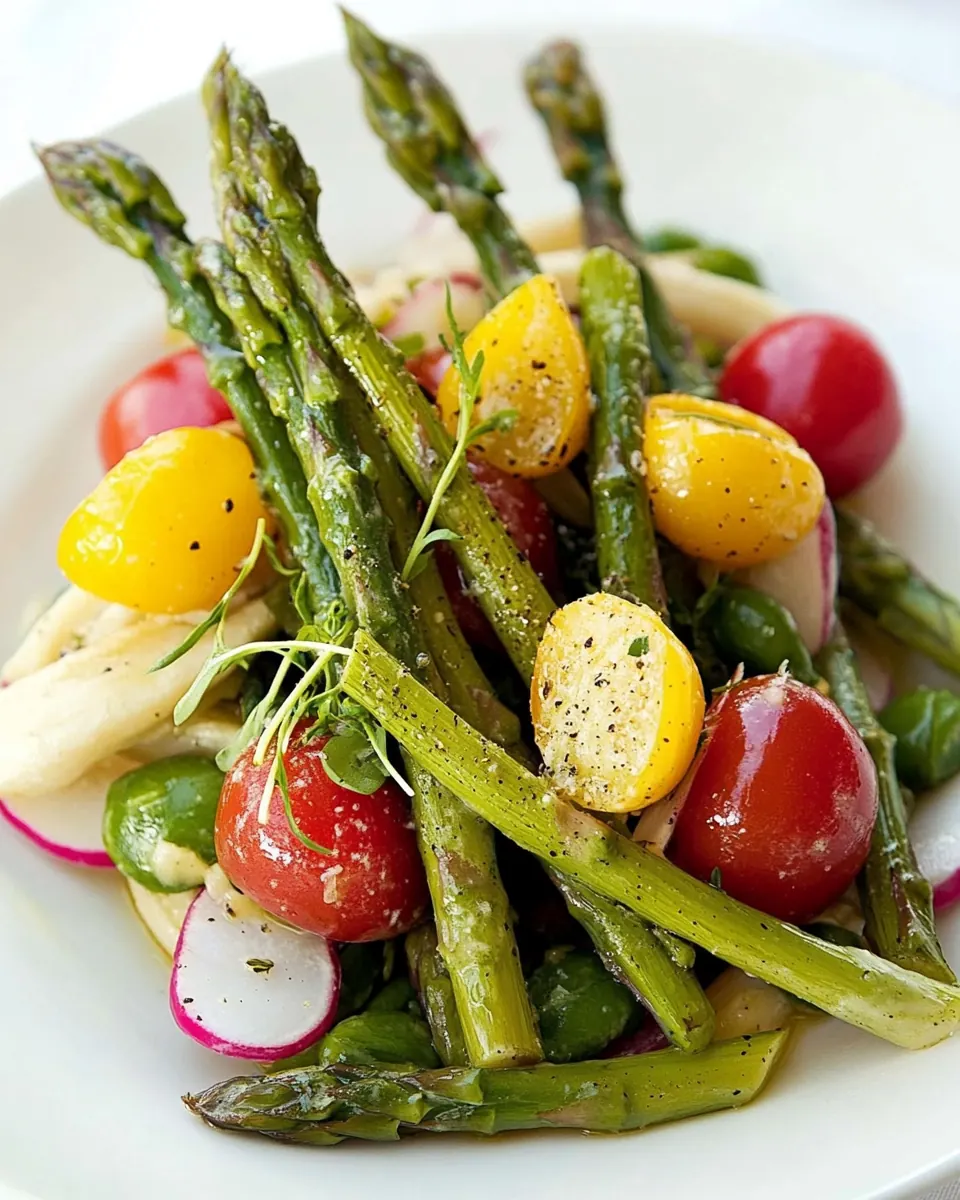
These ingredients are chosen to let spring produce be the star while providing balance and richness. The primary players are the bright, tender asparagus and sweet frozen peas, which give body and color. The avocado dressing brings creaminess without heaviness, while feta cheese, pine nuts, and radishes add salty, toasty, and crunchy counterpoints. Together, they create harmony where each ingredient supports the others.
- 2 bunches asparagus, tender parts, chopped into 1-inch pieces: Chopped into 1-inch pieces to provide a crisp, slightly bitter backbone to the salad; tender asparagus delivers fresh green flavor and satisfying texture when briefly blanched or roasted. Adds vibrant color and pairs well with creamy and acidic components while contributing fiber and vitamins to the dish.
- 1 tablespoon extra-virgin olive oil: Used to lightly dress the salad and enhance mouthfeel; extra–virgin olive oil brings a fruity, peppery richness that helps coat vegetables and meld flavors. Helps carry fat-soluble aromatics and balances the acidity of lemon juice for a rounded dressing.
- 1 tablespoon fresh lemon juice: Squeezed for bright acidity that lifts all components; fresh lemon juice adds citrusy sharpness and freshness to the dressing. Cuts through the richness of avocado or feta and accentuates the natural sweetness of peas and asparagus.
- 1/2 garlic clove, grated: Grated to infuse a subtle pungent depth without overpowering; half a garlic clove offers gentle savory aroma and complexity in the dressing. Provides aromatic warmth that complements lemon and olive oil while remaining light for a delicate salad.
- 1/2 teaspoons ea salt: Added sparingly to season and enhance all flavors; half a teaspoon of salt helps bring out natural sweetness and balance acidity. Ensures proper seasoning of vegetables and dressing without masking delicate tastes.
- Freshly ground black pepper: Ground freshly to finish and add mild heat; black pepper contributes a warm, sharp counterpoint that enlivens the salad. Sprinkled to taste, it complements salt and citrus while adding subtle aromatic complexity.
- 1 cup frozen peas, thawed: Thawed to contribute sweet pop and tender bite; frozen peas bring bright green color and a pleasant burst of sweetness that contrasts with asparagus. Easy to prepare, they add texture, protein, and a playful element to each forkful.
- Avocado Dressing: Prepared as a creamy component to bind flavors and add richness; avocado dressing provides silky texture and mellow, buttery flavor that mellows acidity. Typically blended with lemon, oil, and seasonings, it creates a cohesive coating for the salad.
- 1/3 cup crumbled feta cheese: Crumbling used to add salty, tangy creaminess; feta cheese offers a briny contrast and crumbly texture that complements vegetables and herbs. Sprinkled over the salad, it contributes savory depth and a Mediterranean note.
- 3 radishes, thinly sliced: Thinly sliced to provide crisp bite and mild peppery crunch; radishes add color contrast and a refreshing, slightly spicy flavor. Distribute evenly for textural variation and visual appeal across the salad.
- 1/4 cup pine nuts: Toasted or added as-is for nutty crunch and richness; pine nuts supply buttery flavor and a delicate crispness that enhances the salad's texture. Lightly toasting deepens their aroma and prevents bitterness while intensifying nuttiness.
- Fresh mint or basil leaves, for garnish: Used fresh as a finishing touch to introduce herbal brightness; mint or basil leaves provide aromatic lift and a fragrant contrast to richer components. Tearing or chiffonading just before serving preserves fragrance and adds visual freshness.
How to Cook Asparagus Salad
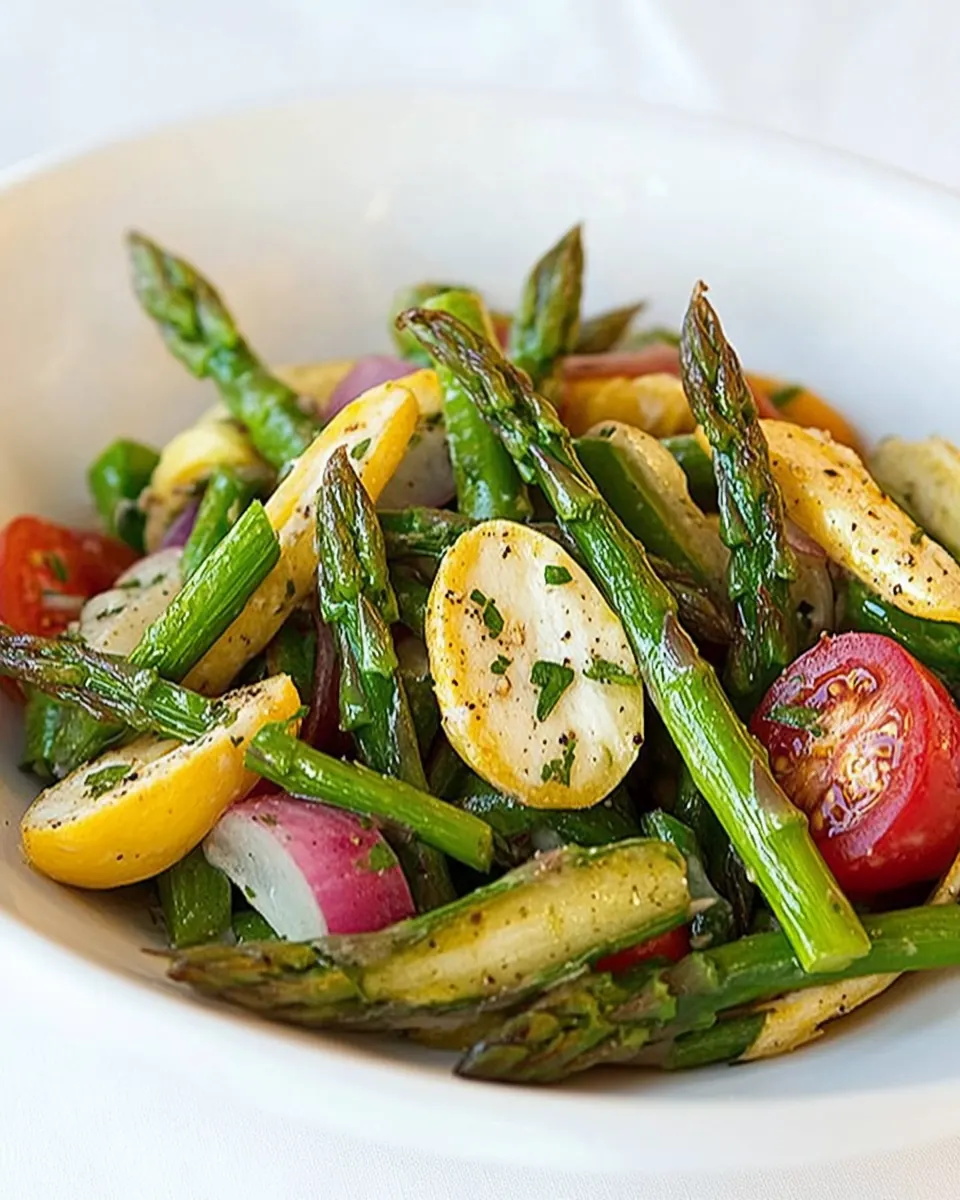
This salad comes together quickly, and the directions focus on timing and texture to keep the vegetables lively. I always set out an ice bath before I start, because that quick shock is the secret to brilliant color and perfect tenderness. Read through the steps once so you can work smoothly.
- Bring a large pot of salted water to a boil and set a bowl of ice water nearby. Drop the asparagus into the boiling water and blanch for about 1 minute, until tender but still bright green. Transfer to the ice water for 1 minute, then drain. Transfer the asparagus to a kitchen towel to dry and wipe out the bowl.: The sound of the water as it reaches a rolling boil will tell you it is hot enough to blanch properly, and the salt seasons the asparagus from the inside out. The bowl of ice water should be ready to stop the cooking instantly, preserving that bright green color. A common mistake is under salting the water, which leaves vegetables bland. If your pot is too small, the water temperature will drop when you add the asparagus , so use a large pot to keep vigor in the boil.
- At the bottom of the bowl, combine the olive oil, lemon juice, garlic, salt, and pepper. Add the asparagus and peas and toss until coated. Transfer to a platter, drizzle with some of the avocado dressing, top with feta, radishes, pine nuts, and mint or basil.: You will see the asparagus quickly deepen in color and slightly soften, but it should still have a pleasant snap when you pierce it with a fork. The brief blanch keeps the texture lively and neutralizes any raw grassiness. Overcooking is the usual pitfall here, which makes the stalks mushy and dull in color, so set a timer and watch the clock closely.
- Transfer to the ice water for 1 minute, then drain: The immediate plunge into ice water halts the cooking and locks in the vivid green hue, giving the asparagus a snappy bite. After one minute in the ice bath, drain thoroughly to avoid diluting the dressing. If you skip or delay this step, the residual heat will continue cooking the asparagus , making it limp and less visually appealing.
- Transfer the asparagus to a kitchen towel to dry and wipe out the bowl: Pat the asparagus dry so the dressing will adhere rather than slide off. A damp bowl or wet vegetables dilute the dressing and make the salad soggy. If you do not dry properly, the dressing will separate and the texture will be less pleasant, so take the extra minute to towel dry carefully.
- At the bottom of the bowl, combine the olive oil, lemon juice, garlic, salt, and pepper: The aroma of grated garlic and fresh lemon juice will become evident immediately, and mixing them first lets the flavors marry before coating the vegetables. This step ensures even distribution and a balanced bite in each forkful. A common error is using pre ground garlic or old lemon juice, which gives a muted, flat flavor, so always use fresh ingredients when possible.
- Add the asparagus and peas and toss until coated: As you toss, notice how the dressing clings to the surfaces, giving them a glossy sheen and delivering flavor to every piece. The thawed peas should be firm yet tender, and they will dot the bowl with sweetness. Avoid over tossing which can bruise delicate pieces or crush the peas, reducing their pleasant pop.
- Transfer to a platter, drizzle with some of the avocado dressing, top with feta, radishes, pine nuts, and mint or basil: The final assembly is a sensory moment, as the creamy avocado dressing contrasts with crumbly feta cheese , crisp radishes , and toasty pine nuts . The herb garnish releases an immediate aroma that makes the dish irresistible. Serve promptly, because the nuts will soften over time and the radishes will lose crispness if left too long.
Pro Tips and Tweaks
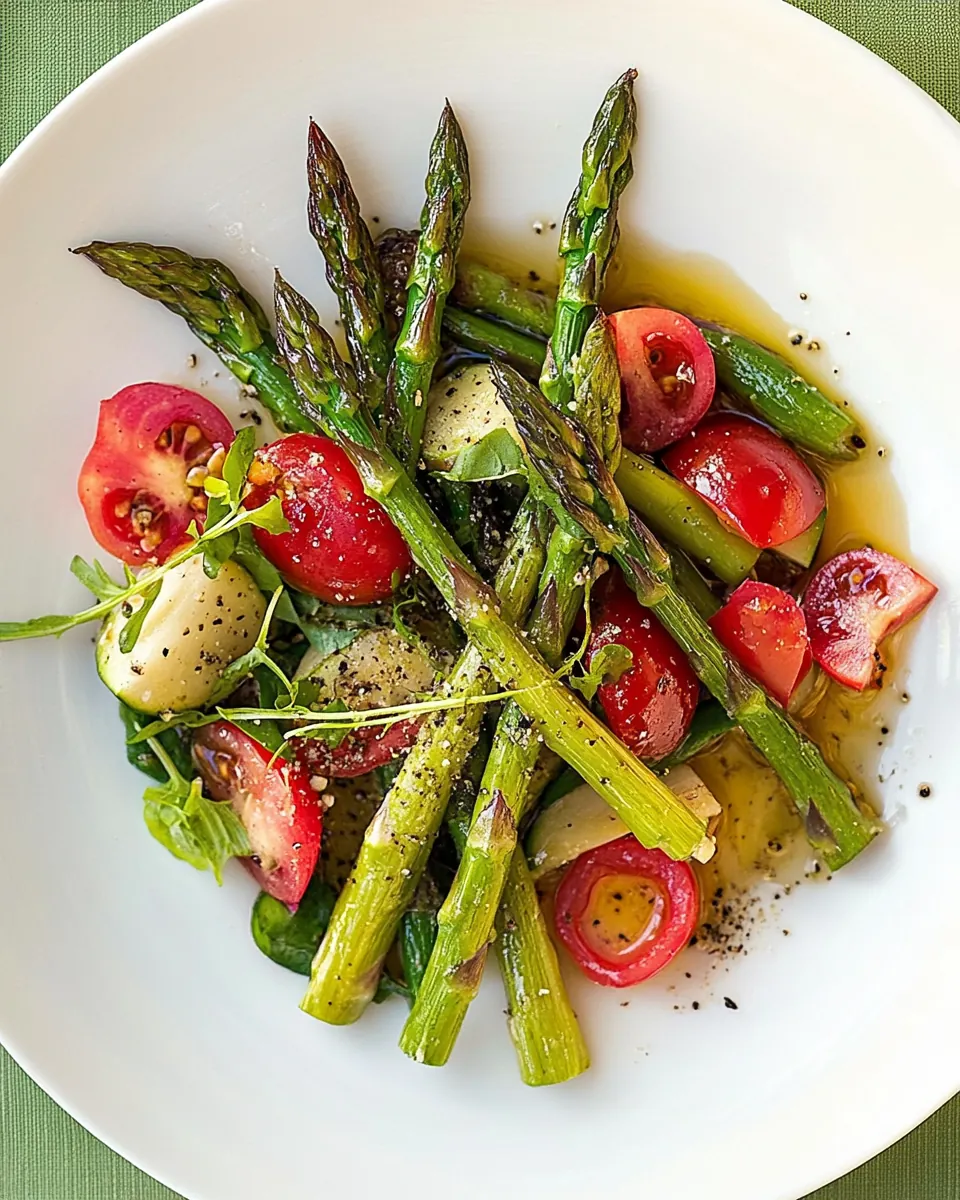
This section dives into practical tips I use every time I make Asparagus Salad. These tweaks sharpen flavor, protect texture, and make the recipe easier to execute under pressure. Read through before you cook for the best outcome.
- Trim the asparagus at the natural snap point, then chop into 1 inch pieces so each bite is tender and consistent; this avoids woody stems in the salad.
- Set up a mise en place with the ice bath, dressing ingredients, and toppings ready, which makes the quick blanch and assembly seamless and stress free.
- Use ripe avocado in the dressing for a silky texture; underripe avocado results in a grainy dressing that will not coat well.
- Toast pine nuts carefully over medium low heat to bring out their buttery aroma; they can burn in moments so stay attentive.
- Adjust salt cautiously after adding feta cheese, since the cheese contributes significant saltiness and can overwhelm the dish if you over season early.
Pairing Suggestions for Asparagus Salad
This salad pairs beautifully with seasonal menus and casual gatherings. Consider serving it at a light lunch, as a spring side at dinner, or as part of a Ramadan iftar spread where vibrant vegetables are welcome. The flavors are versatile, and the dish scales well for guests. Below are detailed serving ideas and storage notes to help you plan.
- Spring lunch centerpiece: Serve the Asparagus Salad on a shallow platter with crusty bread on the side for a simple midday meal that highlights fresh produce.
- Elegant dinner side: Pair it with roasted vegetables or a grain dish to complement a composed dinner plate, letting the salad bring brightness and texture contrast.
- Occasion friendly: For holiday or celebratory meals in spring, present the salad as a colorful starter to awaken appetites before the main course.
- Storage tips: Keep the dressing separate and store salad components in airtight containers in the refrigerator for up to two days; toss together just before serving to preserve crunch.
- Seasonal pairing: Highlight other spring produce like peas and fresh herbs on the table to create a cohesive menu focused on fresh, green flavors.
FAQ
Conclusion
Asparagus Salad shines because it captures the freshness of spring with minimal fuss, blending tender asparagus, sweet peas, and a creamy avocado dressing into one lively dish. Give it a try the next time you want something fast, pretty, and satisfying on the table. I hope it becomes one of your go to spring recipes that you return to whenever you want a bright, textural salad.
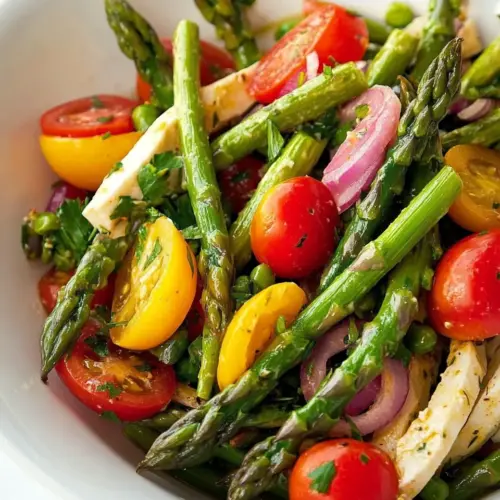
Asparagus Salad
Equipment
- Large Pot
- Bowl
- Kitchen Towel
- Skillet
Ingredients
- 2 bunches asparagus, tender parts, chopped into 1-inch pieces Chopped into 1-inch pieces to provide a crisp, slightly bitter backbone to the salad; tender asparagus delivers fresh green flavor and satisfying texture when briefly blanched or roasted. Adds vibrant color and pairs well with creamy and acidic components while contributing fiber and vitamins to the dish.
- 1 tablespoon extra-virgin olive oil Used to lightly dress the salad and enhance mouthfeel; extra-virgin olive oil brings a fruity, peppery richness that helps coat vegetables and meld flavors. Helps carry fat-soluble aromatics and balances the acidity of lemon juice for a rounded dressing.
- 1 tablespoon fresh lemon juice Squeezed for bright acidity that lifts all components; fresh lemon juice adds citrusy sharpness and freshness to the dressing. Cuts through the richness of avocado or feta and accentuates the natural sweetness of peas and asparagus.
- 1/2 garlic clove, grated Grated to infuse a subtle pungent depth without overpowering; half a garlic clove offers gentle savory aroma and complexity in the dressing. Provides aromatic warmth that complements lemon and olive oil while remaining light for a delicate salad.
- 1/2 teaspoons ea salt Added sparingly to season and enhance all flavors; half a teaspoon of salt helps bring out natural sweetness and balance acidity. Ensures proper seasoning of vegetables and dressing without masking delicate tastes.
- Freshly ground black pepper Ground freshly to finish and add mild heat; black pepper contributes a warm, sharp counterpoint that enlivens the salad. Sprinkled to taste, it complements salt and citrus while adding subtle aromatic complexity.
- 1 cup frozen peas, thawed Thawed to contribute sweet pop and tender bite; frozen peas bring bright green color and a pleasant burst of sweetness that contrasts with asparagus. Easy to prepare, they add texture, protein, and a playful element to each forkful.
- Avocado Dressing Prepared as a creamy component to bind flavors and add richness; avocado dressing provides silky texture and mellow, buttery flavor that mellows acidity. Typically blended with lemon, oil, and seasonings, it creates a cohesive coating for the salad.
- 1/3 cup crumbled feta cheese Crumbling used to add salty, tangy creaminess; feta cheese offers a briny contrast and crumbly texture that complements vegetables and herbs. Sprinkled over the salad, it contributes savory depth and a Mediterranean note.
- 3 radishes, thinly sliced Thinly sliced to provide crisp bite and mild peppery crunch; radishes add color contrast and a refreshing, slightly spicy flavor. Distribute evenly for textural variation and visual appeal across the salad.
- 1/4 cup pine nuts Toasted or added as-is for nutty crunch and richness; pine nuts supply buttery flavor and a delicate crispness that enhances the salad's texture. Lightly toasting deepens their aroma and prevents bitterness while intensifying nuttiness.
- Fresh mint or basil leaves, for garnish Used fresh as a finishing touch to introduce herbal brightness; mint or basil leaves provide aromatic lift and a fragrant contrast to richer components. Tearing or chiffonading just before serving preserves fragrance and adds visual freshness.
Instructions
- Bring a large pot of salted water to a boil and set a bowl of ice water nearby. Drop the asparagus into the boiling water and blanch for about 1 minute, until tender but still bright green. Transfer to the ice water for 1 minute, then drain. Transfer the asparagus to a kitchen towel to dry and wipe out the bowl.: The sound of the water as it reaches a rolling boil will tell you it is hot enough to blanch properly, and the salt seasons the asparagus from the inside out. The bowl of ice water should be ready to stop the cooking instantly, preserving that bright green color. A common mistake is under salting the water, which leaves vegetables bland. If your pot is too small, the water temperature will drop when you add the asparagus , so use a large pot to keep vigor in the boil.
- At the bottom of the bowl, combine the olive oil, lemon juice, garlic, salt, and pepper. Add the asparagus and peas and toss until coated. Transfer to a platter, drizzle with some of the avocado dressing, top with feta, radishes, pine nuts, and mint or basil.: You will see the asparagus quickly deepen in color and slightly soften, but it should still have a pleasant snap when you pierce it with a fork. The brief blanch keeps the texture lively and neutralizes any raw grassiness. Overcooking is the usual pitfall here, which makes the stalks mushy and dull in color, so set a timer and watch the clock closely.
- Transfer to the ice water for 1 minute, then drain: The immediate plunge into ice water halts the cooking and locks in the vivid green hue, giving the asparagus a snappy bite. After one minute in the ice bath, drain thoroughly to avoid diluting the dressing. If you skip or delay this step, the residual heat will continue cooking the asparagus , making it limp and less visually appealing.
- Transfer the asparagus to a kitchen towel to dry and wipe out the bowl: Pat the asparagus dry so the dressing will adhere rather than slide off. A damp bowl or wet vegetables dilute the dressing and make the salad soggy. If you do not dry properly, the dressing will separate and the texture will be less pleasant, so take the extra minute to towel dry carefully.
- At the bottom of the bowl, combine the olive oil, lemon juice, garlic, salt, and pepper: The aroma of grated garlic and fresh lemon juice will become evident immediately, and mixing them first lets the flavors marry before coating the vegetables. This step ensures even distribution and a balanced bite in each forkful. A common error is using pre ground garlic or old lemon juice, which gives a muted, flat flavor, so always use fresh ingredients when possible.
- Add the asparagus and peas and toss until coated: As you toss, notice how the dressing clings to the surfaces, giving them a glossy sheen and delivering flavor to every piece. The thawed peas should be firm yet tender, and they will dot the bowl with sweetness. Avoid over tossing which can bruise delicate pieces or crush the peas, reducing their pleasant pop.
- Transfer to a platter, drizzle with some of the avocado dressing, top with feta, radishes, pine nuts, and mint or basil: The final assembly is a sensory moment, as the creamy avocado dressing contrasts with crumbly feta cheese , crisp radishes , and toasty pine nuts . The herb garnish releases an immediate aroma that makes the dish irresistible. Serve promptly, because the nuts will soften over time and the radishes will lose crispness if left too long.
Notes
- Trim the asparagus at the natural snap point, then chop into 1 inch pieces so each bite is tender and consistent; this avoids woody stems in the salad.
- Set up a mise en place with the ice bath, dressing ingredients, and toppings ready, which makes the quick blanch and assembly seamless and stress free.
- Use ripe avocado in the dressing for a silky texture; underripe avocado results in a grainy dressing that will not coat well.
- Toast pine nuts carefully over medium low heat to bring out their buttery aroma; they can burn in moments so stay attentive.
- Adjust salt cautiously after adding feta cheese, since the cheese contributes significant saltiness and can overwhelm the dish if you over season early.