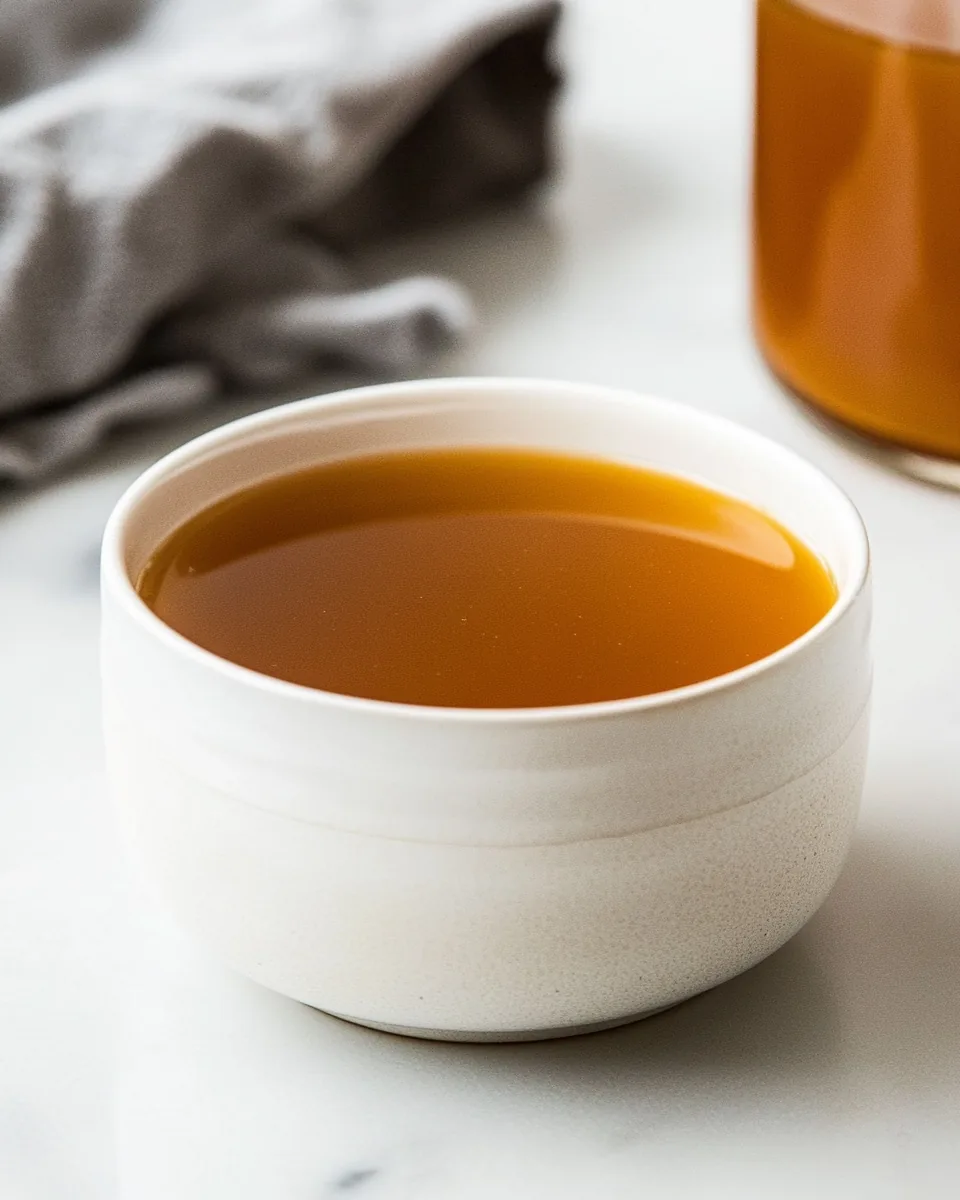
Vegetable Stock
Making Vegetable Stock is one of those culinary joys that brings warmth to the kitchen. I remember the first time I tried my hand at it; the air was filled with the rich aroma of simmering vegetables, creating a heartwarming environment that instantly felt like home. It was a cool autumn day, and the thought of creating a flavorful base for soups and stews sent my excitement soaring. As I chopped fresh onions, carrots, and celery, I couldn’t help but feel a sense of accomplishment. Each ingredient plays a part, enriching the stock with layers of flavor that can transform simple dishes into something extraordinary.
What I love most about making Vegetable Stock is how versatile it is. You can use it as a base for soups, risottos, or even to cook grains. Plus, it’s a fantastic way to utilize leftover vegetables that may not make it into other meals. As I stirred the pot, I thought about all the different flavors that would meld together, creating a broth that is not just a mere addition to a dish but the heart of it. If you’ve never made your own stock before, I strongly encourage you to give it a try. It’s easier than you think and well worth the time spent. You won’t regret it!
Recipe Snapshot
1 hr 10 mins
10 mins
60 mins
Medium
50 kcal
2 g
Keto, Paleo, Whole30
0.5 g
Instant Pot, Large Pot, Saucepan
The Charm of This Vegetable Stock
Flavorful Depth
What sets Vegetable Stock apart is its depth of flavor. Unlike store-bought versions, homemade stock captures the essence of fresh vegetables, herbs, and spices. You can truly taste the difference.
Health Benefits
Making your own stock is not just about flavor; it’s also about health. You control the ingredients, ensuring that no preservatives or additives sneak in. Each ingredient is rich in vitamins and nutrients, making your meals healthier.
Zero Waste
Homemade stock allows you to utilize vegetable scraps and peels, promoting a zero-waste cooking philosophy. It’s a great way to minimize food waste while creating something delicious.
Customizable
With Vegetable Stock, you have the freedom to experiment. Add your favorite herbs or spices, or adjust the vegetable proportions based on what you have available. This adaptability makes it a staple in many kitchens.
Cost-Effective
When you make your own stock, you save money. Store-bought stocks can be pricey, especially organic options. Making stock at home means you can create a large batch for a fraction of the cost.
Comforting Aroma
There’s something comforting about the smell of stock simmering on the stove. It fills your home with warmth and invites everyone to gather in the kitchen, making it a wonderful base for family meals.
Ingredients Required for Vegetable Stock

When you’re making Vegetable Stock, the ingredients you choose can dramatically affect the flavor. Each component brings something unique to the table, creating a deliciously rich and aromatic broth. The foundation typically includes onions, carrots, celery, and herbs, all working harmoniously together. Let’s look at what makes these ingredients key players in your stock.
- 2 Onions – Halved: Onions impart a sweet and savory base, enhancing the overall flavor of the stock.
- 5 Carrots – Quartered: The natural sweetness of carrots balances the savory notes, contributing to a well-rounded broth.
- 4 Stalks Celery – Quartered: Celery adds a fresh, aromatic quality that lifts the stock.
- 1 Head of Garlic – Halved: Garlic infuses depth and warmth, complementing the other flavors beautifully.
- 1 Bunch of Thyme Leaves: Thyme adds a savory, herbaceous note that enhances the complexity of the stock.
- 1 Bunch of Parsley: Parsley brightens the stock, contributing a fresh, vibrant flavor.
- 2 Bay Leaves: Bay leaves provide a subtle earthiness, tying all the flavors together.
- 2 Tablespoons Tomato Paste: This adds a rich umami flavor and a hint of sweetness.
- Water: The vehicle for all these flavors, ensuring everything melds together beautifully.
Preparation Steps for Vegetable Stock
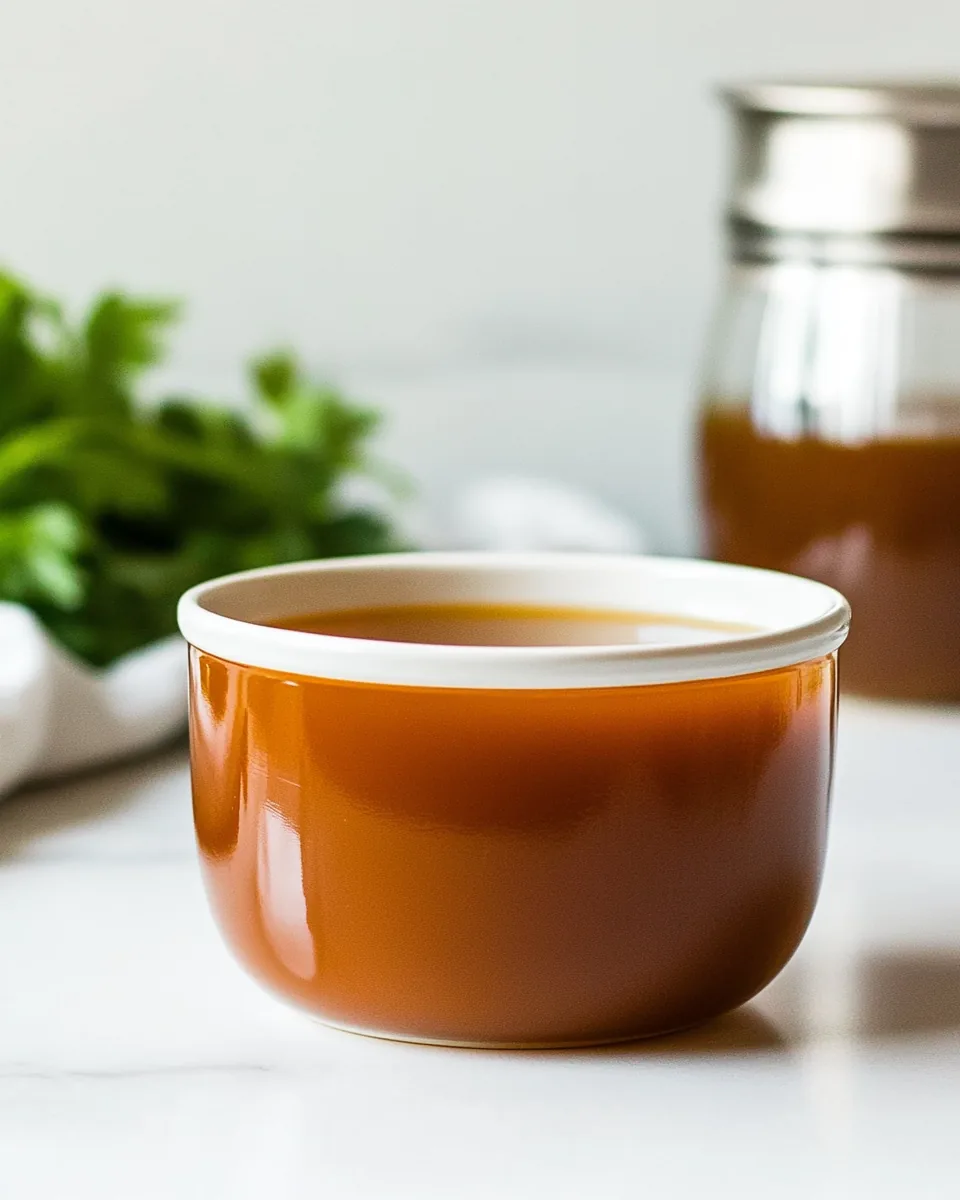
Preparing Vegetable Stock is a straightforward process that fills your kitchen with delightful aromas. Once you gather your ingredients, the steps are simple yet rewarding. Let’s dive into the preparation so you can create a delicious stock to enhance your meals.
- Start by taking your large stockpot or pressure cooker and adding all the ingredients: the halved onions, quartered carrots, quartered celery, halved garlic, thyme, parsley, bay leaves, and the tomato paste. Pour in about 3 quarts of water to cover the vegetables completely. This combination will create a flavor-packed base.
- For the next step, if you’re using a stockpot, bring the mixture to a boil over medium-high heat. Keep an eye on it, as you want to ensure it doesn’t boil over. Once boiling, reduce the heat and let it simmer. If you’re using a pressure cooker, seal the lid and set it to high pressure for 30 minutes. This method will extract maximum flavor from the vegetables.
- After your stock has simmered or pressure-cooked, it’s time to release the pressure if you’re using a pressure cooker. Allow it to naturally release for about 10 minutes before carefully quick-releasing any remaining steam. Open the lid and take in that glorious aroma from the fresh ingredients.
- Let the stock cool slightly until it’s easier to handle. Using a slotted spoon, remove the larger vegetable pieces and discard them. You can also strain the remaining broth through a fine-mesh strainer for a clear broth. For an even clearer stock, consider straining it twice.
- Once strained, pour the broth into storage containers, allowing it to cool completely before sealing. Homemade Vegetable Stock can be stored in the refrigerator for up to 5 days. If you don’t use it within that time, you can bring it to a boil before using it again.
- As you cool the broth, think about adding salt to taste. This can be done before storing or when using the stock in your recipes. This step is essential, as it allows you to season the stock to your liking.
Things Worth Knowing
- Simmer Gently: Simmering your stock gently allows flavors to develop without making the stock cloudy. A rolling boil can break down the vegetables too much.
- Use Fresh Ingredients: Whenever possible, opt for fresh vegetables and herbs. The quality of your ingredients directly influences the flavor of your stock.
- Strain Twice: For a crystal-clear stock, consider straining your broth a second time through a finer mesh. This will remove any remaining sediment.
- Freeze in Portions: To make using your stock convenient, freeze it in ice cube trays or small containers. This way, you can easily add a small amount to recipes as needed.
Expert Tips about Vegetable Stock
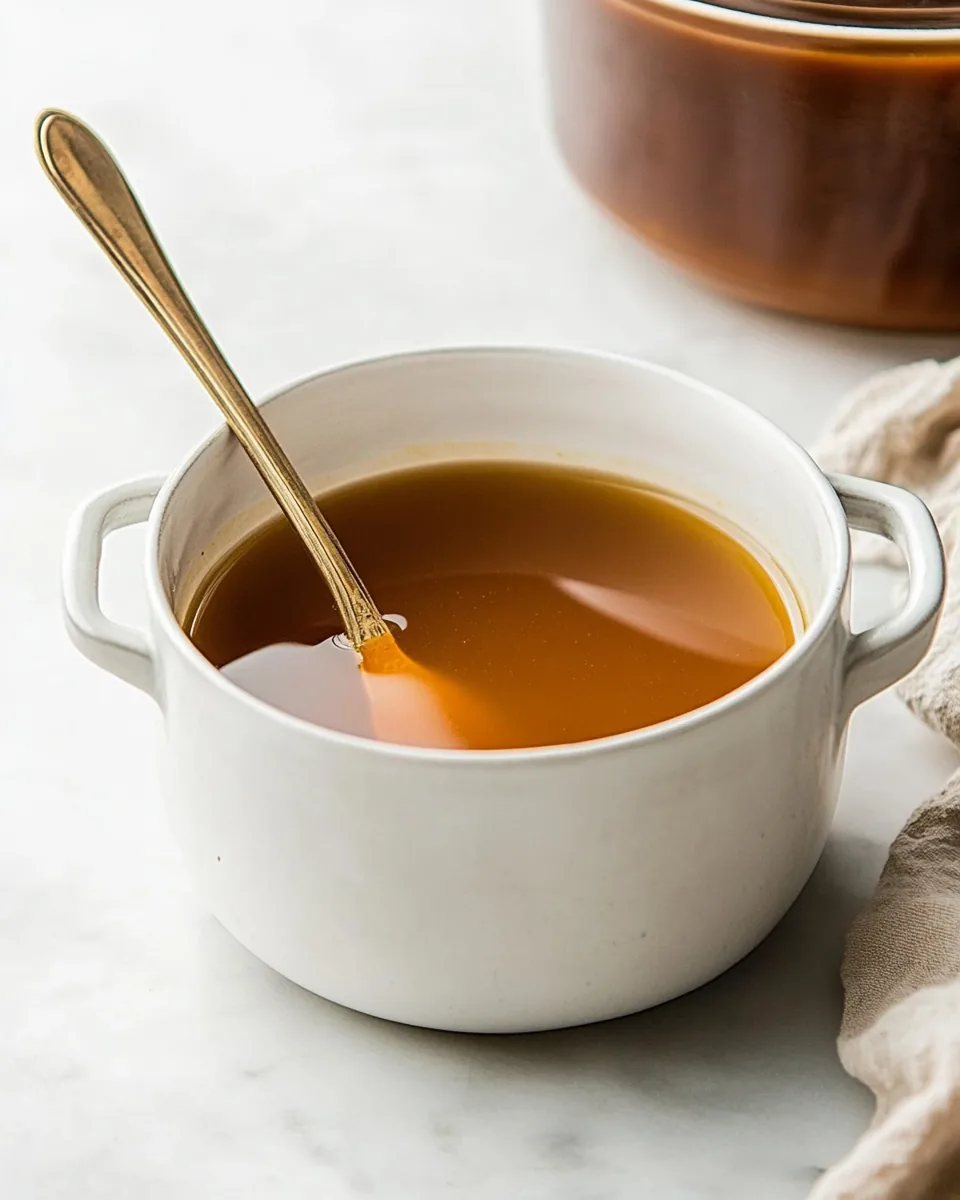
Creating the perfect Vegetable Stock involves not just following the recipe but also a few expert tips that can enhance your results. Here are some valuable insights to make your stock even better.
- Storage: Store your homemade stock in airtight containers in the refrigerator for up to 5 days. If you want to keep it longer, consider freezing it for up to 6 months.
- Freezing: When freezing, leave some space in the containers as the stock will expand. You can also pour it into ice cube trays for easy portioning.
- Pairing: Use your Vegetable Stock in a variety of dishes such as soups, stews, risottos, and sauces to add flavor and depth.
- Ingredient Variations: Feel free to experiment with different vegetables based on what you have on hand. Mushrooms, leeks, or seasonal vegetables can add unique flavors.
Great Combinations for Vegetable Stock
When it comes to serving your Vegetable Stock, the possibilities are endless. Here are some fantastic ways to incorporate it into your meals:
- Soups: Use your stock base for hearty soups such as minestrone or vegetable soup. It enhances the flavors and makes the dish more satisfying.
- Risottos: Swap out water for your Vegetable Stock when making risotto. This will elevate the flavor profile and provide a richer experience.
- Grains: Cook grains like quinoa or rice in Vegetable Stock instead of water. This adds a delicious depth that plain water simply can’t match.
- Stews: Incorporate your stock into stews to amplify the flavors of the vegetables and proteins within.
- Vegetable Cooking Liquid: Use it as a cooking liquid for steamed vegetables, giving them an extra kick of flavor.
- Seasonal Pairings: Think about using seasonal vegetables when making your stock. This not only enhances the flavor but also makes your dishes more vibrant and colorful.
FAQ
Conclusion
Vegetable Stock is a culinary essential that elevates your cooking to new heights. Its rich flavors and versatility make it a must-have in your kitchen, perfect for a variety of dishes. I encourage you to try making it at home; the process is rewarding, and the results are delicious. You’ll find it not only enhances your meals but also brings a sense of satisfaction knowing you crafted something wholesome and flavorful.
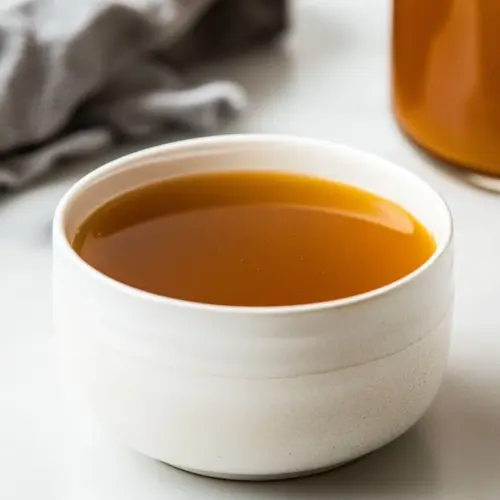
Vegetable Stock
Equipment
- Instant Pot
- Large Pot
- Saucepan
Ingredients
- 2 Onions Halved
- 5 Carrots Quartered
- 4 Celery Quartered
- 1 Garlic Halved
- 1 Thyme Leaves Bunch
- 1 Parsley Bunch
- 2 Bay Leaves
- 2 tablespoons Tomato Paste
- Water
Instructions
- Start by taking your large stockpot or pressure cooker and adding all the ingredients: the halved onions, quartered carrots, quartered celery, halved garlic, thyme, parsley, bay leaves, and the tomato paste. Pour in about 3 quarts of water to cover the vegetables completely. This combination will create a flavor-packed base.
- For the next step, if you’re using a stockpot, bring the mixture to a boil over medium-high heat. Keep an eye on it, as you want to ensure it doesn’t boil over. Once boiling, reduce the heat and let it simmer. If you’re using a pressure cooker, seal the lid and set it to high pressure for 30 minutes. This method will extract maximum flavor from the vegetables.
- After your stock has simmered or pressure-cooked, it’s time to release the pressure if you're using a pressure cooker. Allow it to naturally release for about 10 minutes before carefully quick-releasing any remaining steam. Open the lid and take in that glorious aroma from the fresh ingredients.
- Let the stock cool slightly until it’s easier to handle. Using a slotted spoon, remove the larger vegetable pieces and discard them. You can also strain the remaining broth through a fine-mesh strainer for a clear broth. For an even clearer stock, consider straining it twice.
- Once strained, pour the broth into storage containers, allowing it to cool completely before sealing. Homemade Vegetable Stock can be stored in the refrigerator for up to 5 days. If you don’t use it within that time, you can bring it to a boil before using it again.
- As you cool the broth, think about adding salt to taste. This can be done before storing or when using the stock in your recipes. This step is essential, as it allows you to season the stock to your liking.
Notes
- Tip 1: Store your homemade stock in airtight containers in the refrigerator for up to 5 days.
- Tip 2: When freezing, leave some space in the containers as the stock will expand.
- Tip 3: Use your Vegetable Stock in soups, stews, and sauces to add flavor and depth.
- Tip 4: Feel free to experiment with different vegetables for unique flavors.