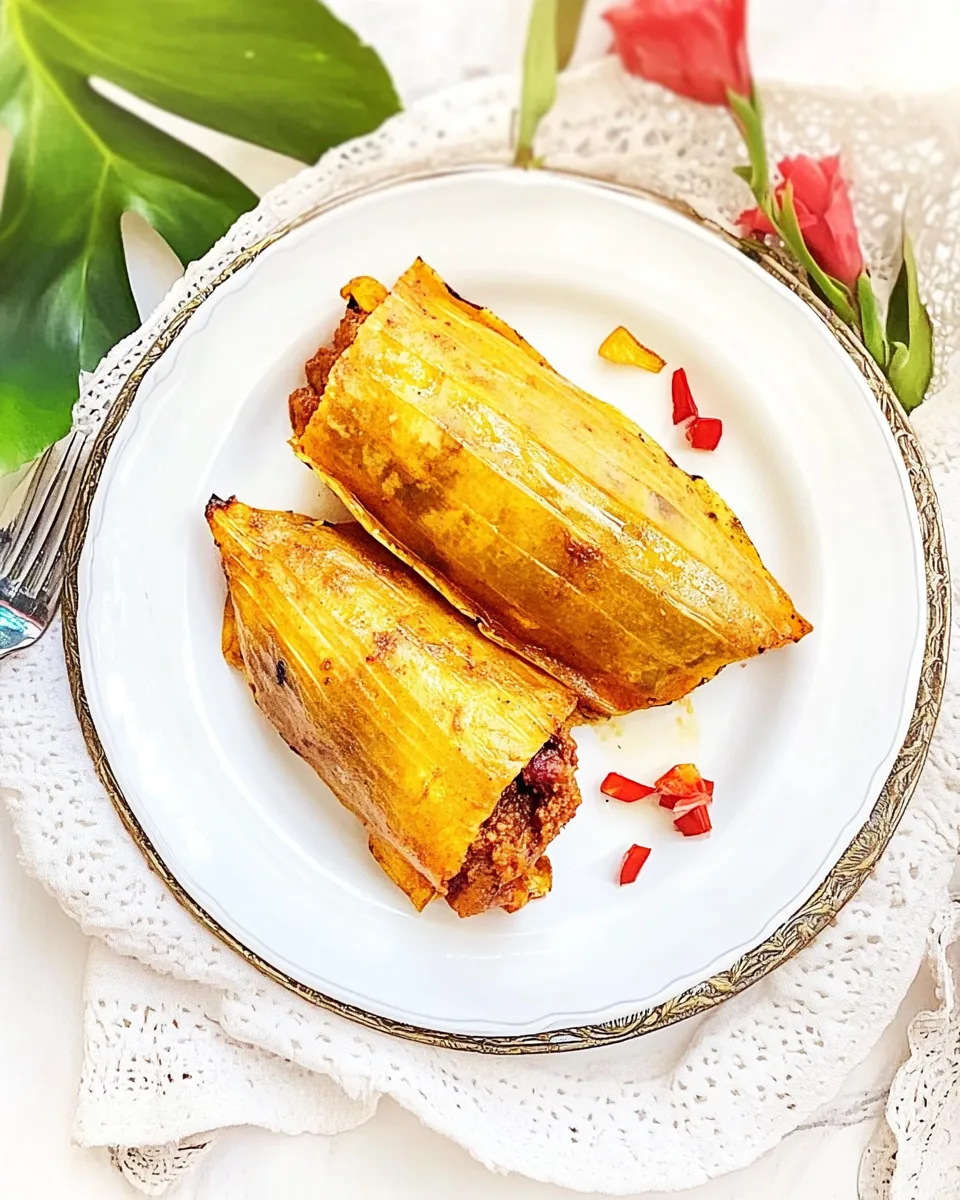
Pasteles en Hoja
Whenever I think of comfort food, Pasteles en Hoja pops into my mind. Growing up in a household where every holiday felt like a feast, the aroma of these delightful plantain and beef pockets would fill the air, making my mouth water in anticipation. My grandmother was the queen of making Pasteles en Hoja, and I remember standing on a stool in her kitchen, eager to help. She would guide me through the process, her hands showing me how to wrap the plantain mixture just right. There was an art to it, and it was a family tradition I cherished deeply. Now, every time I prepare this dish, it brings me back to those warm memories, and I hope to share that same joy with you.
Recipe Snapshot
2 hr 30 mins
90 mins
60 mins
Hard
250 kcal
5 g
Keto, Gluten-Free, Low FODMAP
6 g
Peeler, Grater, Mixing Bowl, Chef’s Knife, Blender, Large Pot, Food Processor
The Beauty of This Pasteles en Hoja
It’s a Family Tradition
One of the most beautiful things about Pasteles en Hoja is its rich cultural significance. It’s a dish that brings families together, often made during special occasions and celebrations. I cherish the times I’ve spent making these with family and friends, laughing and sharing stories as we prep the ingredients.
A Delicious Fusion of Flavors
The blend of flavors in Pasteles en Hoja is truly remarkable. The sweetness of the plantains perfectly balances the savory filling, which can be adapted to include your favorite ingredients. This versatility allows everyone to enjoy a version that suits their palate.
Perfect for Meal Prep
One of the great advantages of this recipe is that it’s perfect for meal prep. You can make a large batch and freeze them, so you always have a delicious meal ready when you need it. Just pop them in boiling water, and you’ll have a satisfying meal in no time!
Fun to Make
Wrapping the pasteles can be a fun activity for kids and adults alike. It’s a perfect opportunity for family bonding. Everyone can take turns filling and folding, which makes the process enjoyable and interactive.
Healthy Ingredients
Using wholesome ingredients like plantains and fresh vegetables, Pasteles en Hoja is a nutritious option that can be packed with vitamins and minerals. It’s a great way to incorporate more veggies into your diet without sacrificing flavor.
Key Ingredients for Pasteles en Hoja

When it comes to making Pasteles en Hoja, the ingredients play a crucial role in achieving the perfect balance of flavors and textures. Each component contributes to the final dish, making it a delightful experience for your taste buds.
- Filling: You can use your favorite protein or veggies to create a delicious filling that complements the sweet plantains.
- 1 plantain (green, unripe): This is the star of the dish, providing a sweet and creamy base to hold everything together.
- ⅓ pound yautía (malanga): Adds a unique texture and flavor, pairing beautifully with the plantain.
- ⅓ pound auyama (kabocha squash): This sweet squash brings a lovely richness to the mix.
- 1 tablespoon seasoning powder: Homemade Dominican sazon completo enhances the overall flavor profile.
- 1 cup milk: Whole or skim milk adds moisture and creaminess to the batter.
- Salt: Essential to bring all the flavors together.
- 2 tablespoons salted butter: Adds richness and depth to the dish.
- 1 tablespoon bija (annato, achiote) powder: This gives a beautiful color and a subtle earthy flavor.
- 12 Banana tree leaves squares: These are used for wrapping, imparting a unique aroma and flavor during cooking.
- 12 Leaves parchment paper: Provides an additional layer to keep the pasteles moist and flavorful.
- Twine: Used to secure the wrapped pasteles tightly.
- Ketchup: Optional, for serving as a condiment.
- Hot sauce: Optional, for those who enjoy a kick of heat.
Making Pasteles en Hoja

Creating Pasteles en Hoja is a rewarding process that involves a few key steps. It might seem a bit daunting at first, but trust me, the end result is worth every bit of effort! Let’s dive into the steps.
- By hand: Grate the plantain, yautía, and auyama using the least coarse side of the grater. Once grated, combine all the ingredients for the batter in a large bowl and mix well. Alternatively, using a blender or food processor, chop the plantain, yautía, and auyama into smaller pieces. Combine them with the remaining ingredients to create a smooth batter. Blend until it’s uniform and feels like grains of sand in texture, which usually takes about 5 to 10 minutes depending on your blender.
- Prepare your banana leaves by cutting them into squares, each about 5 inches by 5 inches. These will serve as the wrappers for your Pasteles en Hoja.
- Place approximately 2.5 tablespoons of the plantain and root mixture on one of the banana leaf squares. With the mixture spread out, add 2 tablespoons of your chosen filling in the center. Cover the filling with another 2 tablespoons of the root mixture.
- Now, fold the banana leaf square over the filling like an envelope. This is where the fun begins! Make sure to wrap it tightly to keep everything inside.
- Next, wrap each parcel in parchment paper and tie them securely with twine. Repeat this process for the remaining mixtures until they’re all wrapped up. The more you practice, the better you’ll become at the folding technique!
- In a large pot, bring one gallon of water to a boil over medium heat. Once boiling, add a tablespoon of salt for flavor.
- Carefully lower the wrapped pasteles into the boiling water. Make sure they’re fully submerged. Cover the pot and let them cook for about 40 minutes. During cooking, the pasteles will float initially and then sink as they cook. Turn them occasionally to ensure even cooking.
- Once the 40 minutes have passed, carefully remove one pastel from the pot and unwrap it to check for doneness. The consistency should feel firm but not overly dense.
- If it’s ready, remove all the pasteles from the water. If they need more time, boil for an additional 10 minutes. Once they’re all cooked, serve immediately. They’re delightful when garnished with hot sauce or ketchup, depending on your preference.
Things Worth Knowing
- Cooking Technique: Make sure to monitor the boiling time. Overcooked pasteles can become too soft.
- Wrapping: Ensure that your wraps are tight to prevent water from seeping in and ruining the taste.
- Freezing: You can prepare these in advance and freeze them before cooking. Just add a few extra minutes to the boiling time when cooking from frozen.
- Flavor Variations: Don’t hesitate to experiment with different fillings like vegetables, chicken, or seafood to give your pasteles a unique twist.
Expert Tips about Pasteles en Hoja

Making Pasteles en Hoja can be a delightful experience, especially with a few expert tips in your pocket. Here’s how to elevate your dish:
- Storage: Store any leftovers in an airtight container in the refrigerator for up to three days. Reheat gently in boiling water to retain moisture.
- Freezing: You can freeze these before cooking. Wrap them tightly in plastic wrap and place in a freezer-safe bag. They can last for up to two months.
- Pairing: Serve Pasteles en Hoja with a fresh salad or a side of rice to round out the meal.
- Ingredient Quality: Use ripe, high-quality ingredients for the best flavor. The type of plantains you use can affect the sweetness and texture.
- Cooking Time: Adjust cooking times based on the size of your pasteles. Larger ones may require additional time to cook through.
- Garnish: Experiment with different sauces for dipping, like spicy aioli or a tangy salsa, to add extra layers of flavor.
Accompaniments for Pasteles en Hoja
When serving Pasteles en Hoja, consider these delightful accompaniments:
- Fresh Salad: A crisp green salad featuring tomatoes and cucumbers pairs beautifully, adding freshness to the dish.
- Rice: Serve alongside a side of rice for a more filling meal, perfect for lunch or dinner.
- Hot Sauce: Offer a variety of hot sauces for those who enjoy a bit of spice with their meals.
- Occasions: These delicious pockets are perfect for gatherings, family dinners, or special occasions like birthdays.
- Seasonal Pairings: Enjoy them during the holidays or at summer picnics for a unique twist on traditional dishes.
- Storage Tips: If you have leftovers, store them properly to maintain their flavor and texture. Reheat gently before serving.
FAQ
Conclusion
In summary, Pasteles en Hoja are a delightful and comforting dish that encapsulates the essence of Dominican cuisine. With their unique blend of flavors and textures, they offer a taste of tradition in every bite. I encourage you to try making them at home; the experience is equally rewarding as it is delicious. You’ll create lasting memories and perhaps even start a new family tradition of your own!
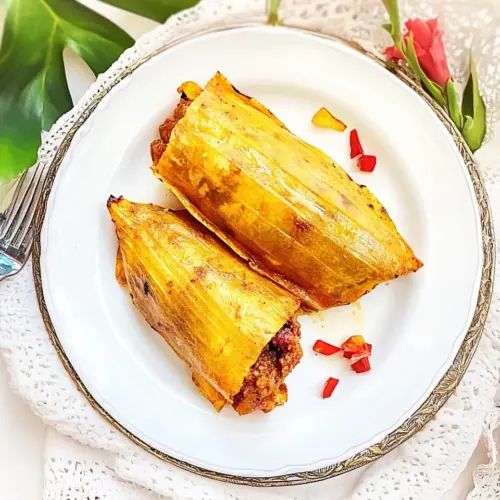
Pasteles en Hoja
Equipment
- Peeler
- Grater
- Mixing Bowl
- Chef's Knife
- Blender
- Large Pot
- Food Processor
Ingredients
- 1 Filling see list above recipe
- 1 plantain (green, unripe) or 1½ medium plantain (½ lb once peeled)
- ⅓ pound yautía (malanga) peeled
- ⅓ pound auyama (kabocha squash) peeled
- 1 tablespoon seasoning powder homemade Dominican sazon completo (or supermarket bought)
- 1 cup milk whole or skim
- 1½ teaspoons salt
- 2 tablespoons salted butter
- 1 tablespoon bija (annato, achiote) powder
- 12 Banana tree leaves squares see notes
- 12 Leaves parchment paper see notes
- Twine the kind of string used for food
- salt
- Ketchup optional, see notes
- Hot sauce optional, see notes
Instructions
- By hand: Grate the plantain, yautía, and auyama with the least coarse side of the grater. Once grated, combine all the ingredients for the batter and mix well. Or with a blender/food processor: Chop the plantain, yautía, and auyama, and combine them with the rest of the ingredients for the batter. Pureé in a strong blender or food processor until it's uniform, and you can't feel any clumps, but feels like grains of sand in it. It may take 5-10 minutes, depending on the blender/processor.
- Put 2.5 tablespoons of the plantain and root mixture on one of the plantain squares. Put 2 tablespoons of filling in the center, cover with 2 more tablespoons of the root mixture to cover the filling. Fold the leaf square in the shape of an envelope. Wrap again in parchment paper and tie tightly. Repeat with the remaining batter.
- When all are wrapped, bring one gallon of water to boil in a large pot over medium heat. Add a tablespoon of salt. When the water reaches a rolling boil, carefully lower the pasteles into the water. Cover and cook for 40 minutes. The pasteles will float when put into the water, but as they cook, they'll start to puff and sink. Make sure to turn them a couple of times during the cooking time, so they cook uniformly on all sides.
- Once the 40 minutes have passed, remove one from the liquid, unwrap, and check for doneness: the consistency of the batter will have changed throughout. If it's ready, remove all from the water, otherwise boil for another 10 minutes. Serve right after unwrapping, garnished with hot sauce and/or ketchup.