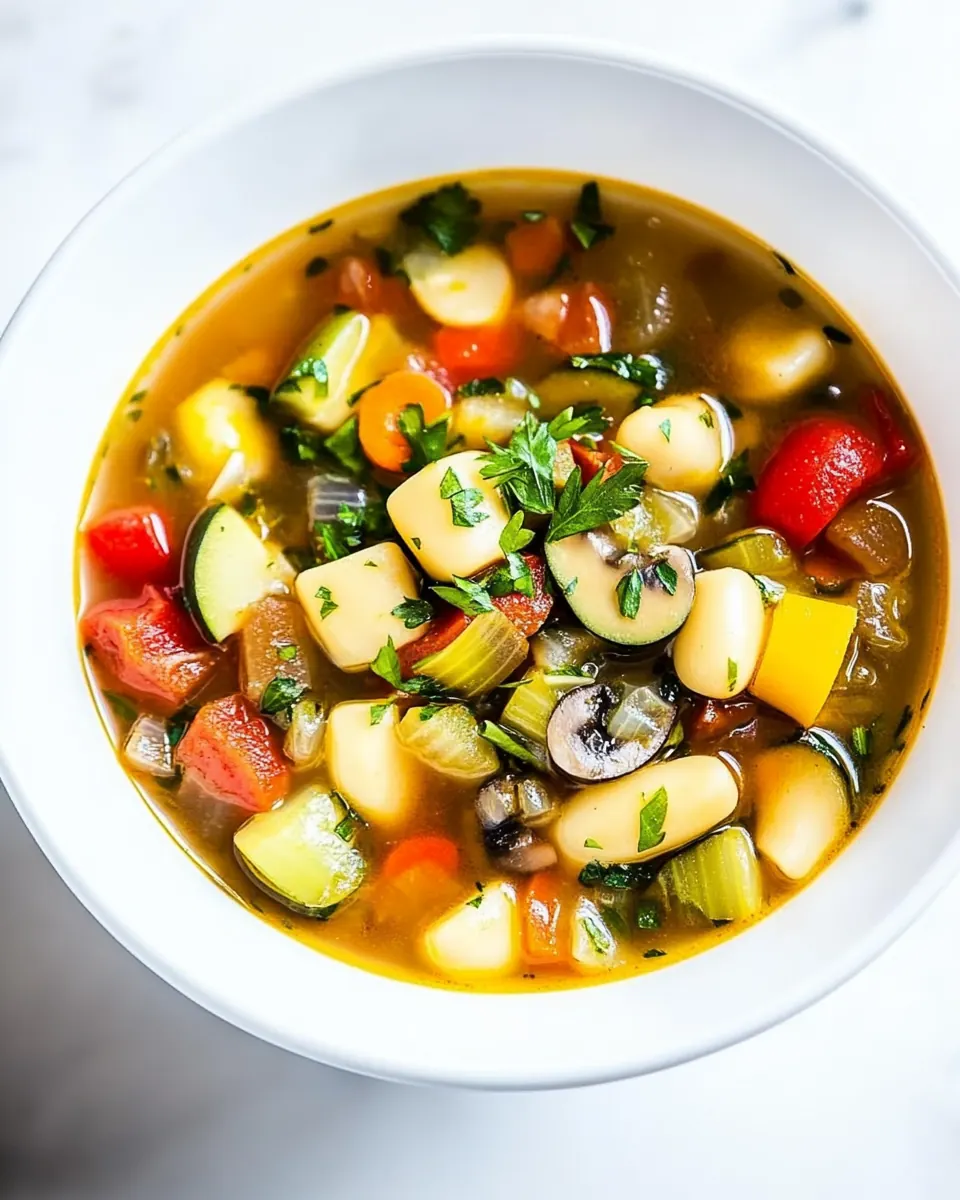
Minestrone Soup
Minestrone Soup has always been my go to when I want something nourishing that still feels like a warm hug from the inside out.
I remember the first time I made this version, it was a snowy evening and the kitchen smelled like toasted garlic and bubbling stock, the kind of smell that makes you slow down. I chopped vegetables while a radio played softly, and every stir felt familiar, almost like turning a page in a comforting book. That night, a simple bowl of soup became the anchor for a long conversation with a friend who dropped by unexpectedly. We tore into thick slices of toasted bread, rubbing them with garlic, and the rustic simplicity made the meal memorable.
Over the years I have adjusted small things, trusting the rhythm of sautéing, the patience for a proper simmer, and the welcome splash of fresh parsley at the end. What I value most is how adaptable this recipe is, yet how reliably it returns that classic, homey flavor. It’s the kind of recipe I reach for when I want to feed a group without fuss, and it never feels like a compromise. I often make a double batch, because leftovers only deepen the flavor overnight, and reheating brings back that original warmth.
Recipe Snapshot
45 mins
10 mins
35 mins
Medium
250 kcal
Italian
Gluten-Free, Vegan
Soups
Vegetable Peeler, Chef’s Knife, Cutting Board, Set Measuring Spoons, Liquid Measuring Cup, Can Opener, Large Skillet or Pot, Wooden Spoon
Why This Minestrone Soup Stands Out
Comfort in a Bowl
I love Minestrone Soup because it gives you that immediate cozy feeling, the kind you get when steam fogs up the windows. The combination of stock and sautéed vegetables creates a layered base, so every spoonful is balanced and familiar.
Vegetable Forward and Flexible
I appreciate how forgiving this dish is. You can vary vegetables and still land on something delicious. The recipe uses approachable pantry items, which makes it my go to for using up odds and ends in the crisper.
Textural Contrast
The mix of tender vegetables, creamy beans, and al dente pasta provides satisfying mouthfeel. I purposely add the pasta later to preserve its bite, so the soup never turns mushy even after reheating.
Simple Techniques, Big Flavor
A brief sauté to encourage browning, followed by a steady simmer, unlocks deep flavors without complicated steps. I like that the techniques are accessible to cooks at any level, yet deliver results that feel polished.
Great for Sharing
This recipe scales well, and serving it with toasted bread rubbed with garlic makes the meal feel generous. I often serve it when friends come over, because it pairs easily with conversation instead of demanding attention.
Minestrone Soup Shopping List
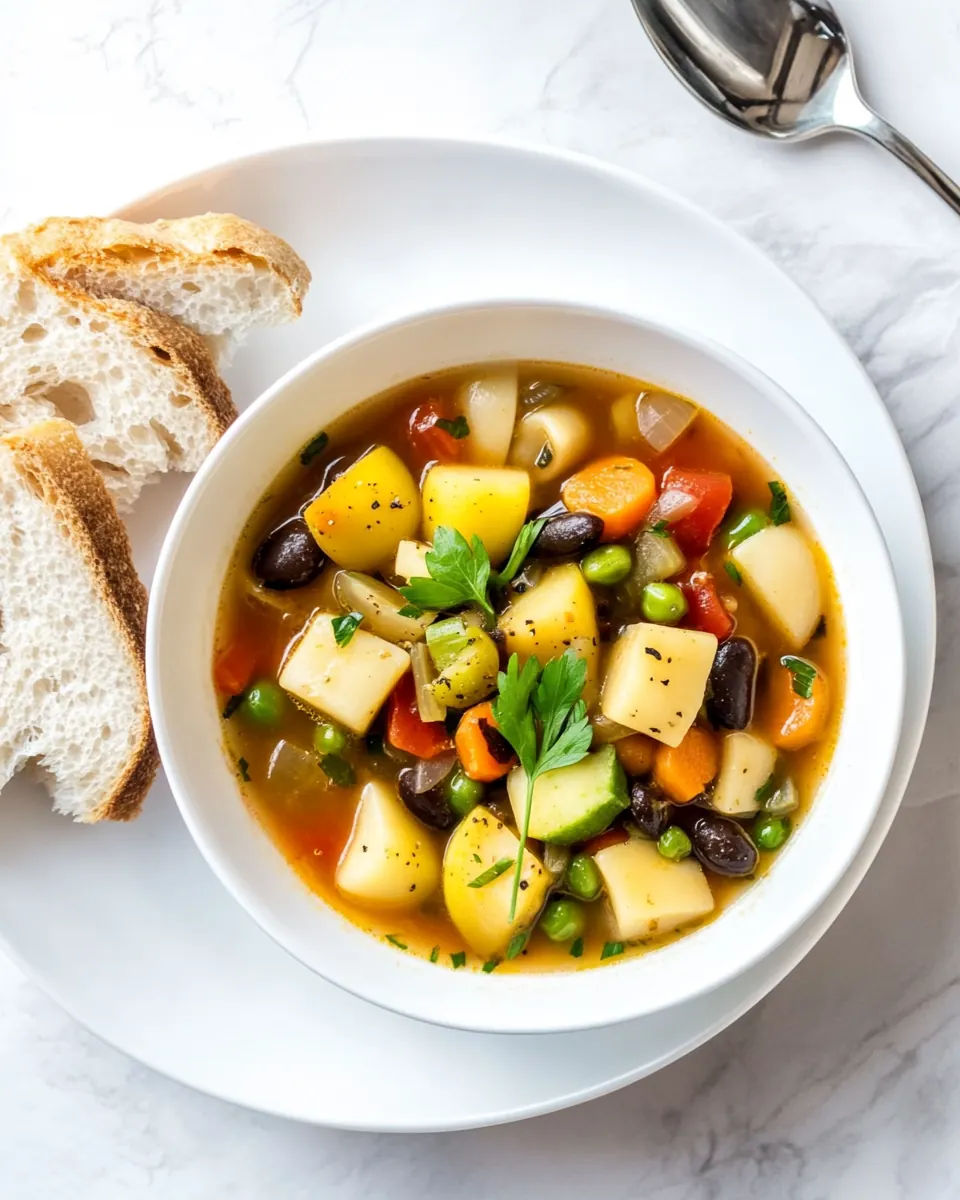
This lineup of ingredients is all about rhythm and balance. The aromatic trio of carrots, celery, and onions set the foundation, while starchy potato and tender zucchini add body. Cannellini beans lend creaminess and protein, and the pasta brings chew that makes the soup feel filling. Finally, the ciabatta bread and garlic finish the bowl with rustic charm.
- 6 tablespoons Extra Virgin Olive Oil: Enhance flavor and provide a silky base by gently heating to sauté vegetables and bloom aromatics; extra virgin olive oil also adds healthy monounsaturated fats and a fruity aroma that complements the soup’s vegetables. Use it early in the cooking process to prevent sticking and to carry fat-soluble flavors throughout the broth.
- 2 Carrots Peeled & Diced: Add sweetness, texture, and body by peeling and dicing, then sautéing until slightly softened to contribute a tender bite; carrots release natural sugars that deepen the soup’s overall flavor. Keep the pieces uniform so they cook evenly and meld with the other vegetables without overpowering them.
- 3 Celery Stalks Diced: Contribute aromatic savory depth and a subtle crunch when diced, releasing natural salts and vegetal juices that balance sweetness from carrots and onions. Cook until translucent to integrate its flavor into the soup base and provide a classic mirepoix foundation.
- 1 Large Potato Peeled & Diced: Provide starchiness and heartiness when peeled and diced, helping to thicken the broth slightly as potato starches tenderize during simmering. Add early enough to cook through but avoid overcooking to maintain some texture and prevent disintegration into the soup.
- 2 Onions Chopped: Impart sweetness and savory complexity when chopped, browning to enrich the soup’s base and complement the other vegetables; onions also release compounds that form the backbone of many broths. Sauté until soft and translucent for a mellowed flavor profile.
- 8 ounces Mushrooms (White Button) Chopped: Contribute an earthy, umami-rich note when chopped, adding meaty texture and depth that enhances the soup’s savory character; mushrooms also release liquid that melds with the stock. Sear briefly to concentrate flavor and preserve some bite without becoming rubbery.
- 10 cups Vegetable or Chicken Stock: Provide the liquid foundation and primary seasoning vehicle for all ingredients; choose vegetable or chicken stock to control richness and salt level. Simmer with vegetables and aromatics to extract flavors and create a cohesive, savory broth.
- 2 Zucchini Diced: Add mild, slightly sweet flavor and tender texture when diced, balancing starchier vegetables and adding freshness; zucchini cooks quickly so add later in the simmering process. Maintain moderate size to avoid overcooking and turning mushy.
- 16 ounce Can Cannellini Beans: Supply creamy protein and body when drained and added, contributing both texture and a subtle nutty flavor; cannellini beans also thicken the broth slightly and boost satiety. Use canned beans for convenience, warming gently to preserve shape and avoid mashing.
- 1/2 pound Dry Pasta Small Shapes: Bring comforting chewiness and carbohydrate content when cooked to al dente, making the soup more filling; choose small shapes so they integrate well with the vegetables and beans. Add toward the end of cooking to prevent excessive starch release and sogginess.
- 1 Loaf Ciabatta Bread Sliced Thick: Offer a crunchy, rustic accompaniment that soaks up broth and provides contrasting texture; slicing ciabatta thickly creates hearty croutons or toasts for serving alongside the soup. Toast or rub with garlic and olive oil for added flavor and a pleasant mouthfeel.
- 2 cloves Garlic Peeled: Deliver pungent aromatic sharpness and savory depth when peeled and minced or crushed, brightening the overall flavor profile and layering complexity. Add during sautéing or briefly before serving to preserve brightness without becoming bitter.
- 3 tablespoons Flat-Leaf Parsley Chopped: Introduce fresh herbaceous brightness and a clean finish when chopped and sprinkled toward the end of cooking or as a garnish; flat–leaf parsley lifts and balances richer flavors. Use fresh leaves for aroma and color, adding them just before serving for maximum impact.
- 1/2 teaspoons salt: Season and enhance other flavors by adding a controlled amount to the pot; salt also helps extract flavors from vegetables and proteins during cooking. Adjust to taste at the end to ensure the final balance is neither too flat nor overly salty.
- 1/4 teaspoon Ground Black Pepper: Provide mild heat and aromatic pungency when freshly ground, contributing background spice that sharpens and rounds out the soup’s flavor profile. Add during cooking and taste toward the end to fine-tune the pepper level without overwhelming the other ingredients.
How to Make Minestrone Soup
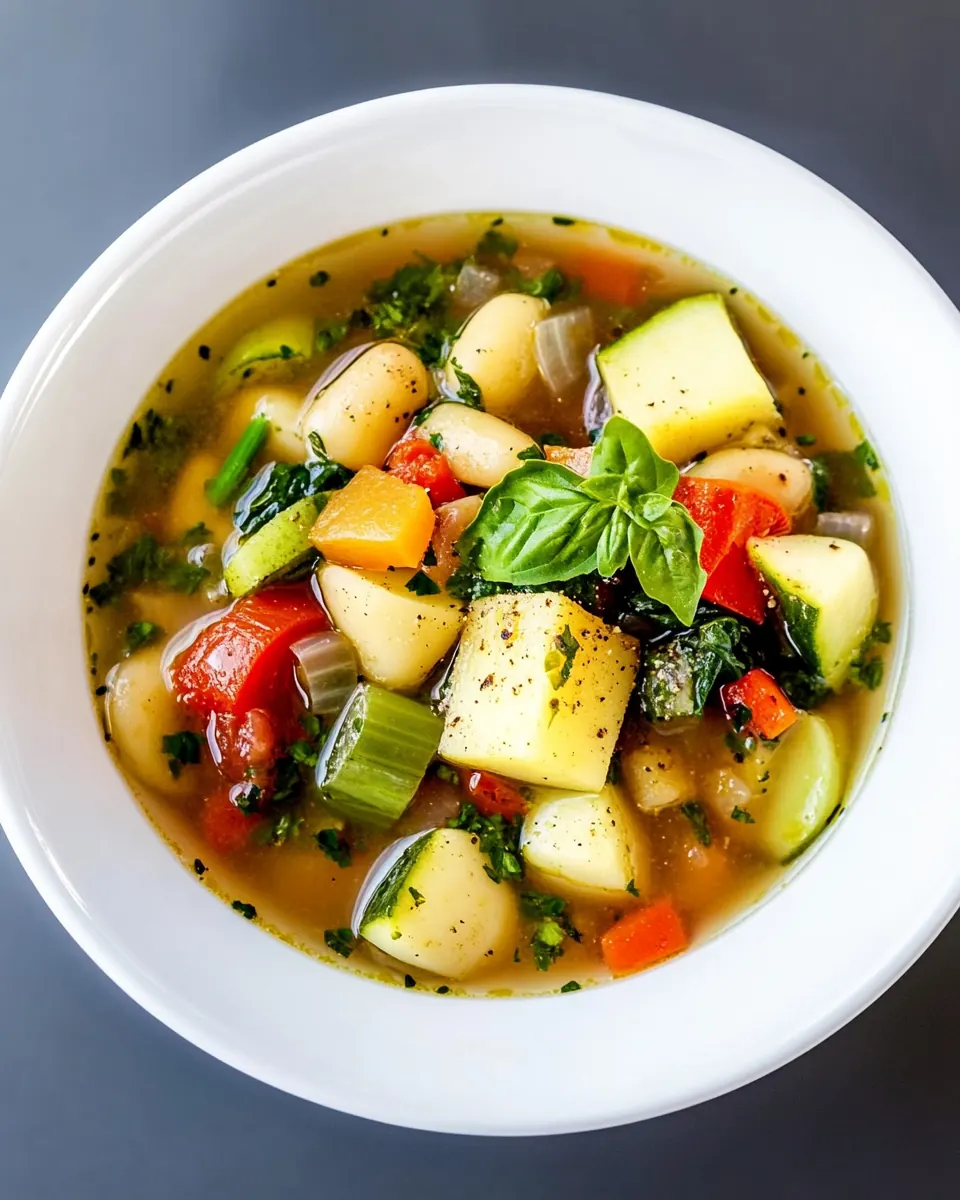
I like to walk you through this method like we are side by side at the stove. The sequence matters here, and little cues like color and aroma tell you when to move to the next step. Keep a wooden spoon handy and taste as you go.
- Warm a large skillet or pot over medium-high heat on your stovetop.: The moment the pot warms you will sense a gentle dry heat rising, which primes the pan to sear and deepen flavors rather than stew them. This initial warmth ensures the olive oil will shimmer instead of smoking, and it helps the vegetables begin to release their sugars quickly. If the pot is too cool, you will only sweat the vegetables and miss those toasty notes. A common mistake here is rushing and using too high heat which can burn the aromatics, so aim for steady medium high warmth, test by flicking a drop of water which should dance and evaporate.
- Add the olive oil to the skillet and then add the carrots, celery, potato, mushrooms, and onion.: Right after the oil shines in the pan, you will hear a soft sizzle as the vegetables meet the heat, creating a fragrant chorus. This step layers texture and taste, as the carrots and onions sweeten while the mushrooms contribute umami. Stir gently to coat every piece in oil, giving each vegetable contact with the pan for even browning. Avoid overcrowding the pot, which leads to steaming instead of caramelizing; if that happens, sauté in two batches.
- Cook for about 10 minutes or until the vegetables begin to brown. Stir occasionally.: During these minutes you should notice edges turning golden and an aromatic steam rising, signaling the Maillard reaction which deepens flavor. The sound will shift to a steadier faint sizzle and the pan will smell richer, sweeter and slightly nutty. This is critical for developing a complex broth later. Over stirring prevents browning, while under stirring risks uneven color, so check and move vegetables gently every couple of minutes to promote uniform caramelization.
- Increase the heat to high and add the stock. Bring to a boil and add the zucchini, beans, salt, and pepper. Reduce heat to medium low and let cook for 15 minutes.: As the cold stock hits the hot pan you will hear a robust bubbling that signals the flavors are unifying. Boiling briefly extracts aromas from the vegetables, then lowering to steady simmer encourages gentle melding without breaking apart delicate pieces. At this stage the broth will begin to look more luminous and the steam will carry savory, rounded notes. A frequent error is leaving at a hard boil too long which can make the pasta gluey later; keep it at a gentle simmer after the first boil.
- Add the pasta and continue cooking for about eight more minutes or until the pasta is al dente.: When you add the pasta the broth will momentarily quiet as the starch warms the liquid, and after a few minutes the soup will thicken slightly with suspended starch particles. Look for the pasta to have a tender center with a little chew, that al dente resistance that makes each spoonful interesting. Stir occasionally to keep the shapes separated and to prevent sticking to the pot. Overcooking here results in a mushy texture and a cloudy broth, so test a piece early and often.
- Turn off the stovetop heat. Add the parsley to the soup, stir, and season if necessary.: The moment you remove the pot from heat you will notice the aromas brighten as volatile herbs awaken without wilting completely. Adding parsley off heat preserves its fresh, green character and prevents loss of color. Taste now for final seasoning, because flavors have concentrated and sometimes need a pinch more salt or a dash more pepper . The common pitfall is over seasoning early; always adjust at the end after reduction.
- Toast some slices of the ciabatta bread. When ready, cut the garlic cloves in half and rub one side of the bread with the garlic to add flavor.: Toasted ciabatta bread will crackle and develop golden edges that offer a satisfying crunch against the soup. Rubbing a smashed garlic clove on the warm bread releases essential oils that perfume each bite without overpowering the bowl. The contrast of warm, fragrant toast with the soup’s tender textures elevates the meal. A typical mistake is rubbing garlic on cold bread which will not release the same aromatic oils, so wait until the bread is warm.
- Divide the soup between bowls, add some sliced bread to the side, and serve. Enjoy!: As you ladle the mixture, you will observe a medley of colors and the broth will glisten, inviting the first sip. Serve immediately so the pasta and vegetables hold their texture and the toast remains crisp. If left too long, pasta will soak up the liquid and bread will sog; plan serving so everyone digs in while it’s at its best.
Make It Your Own
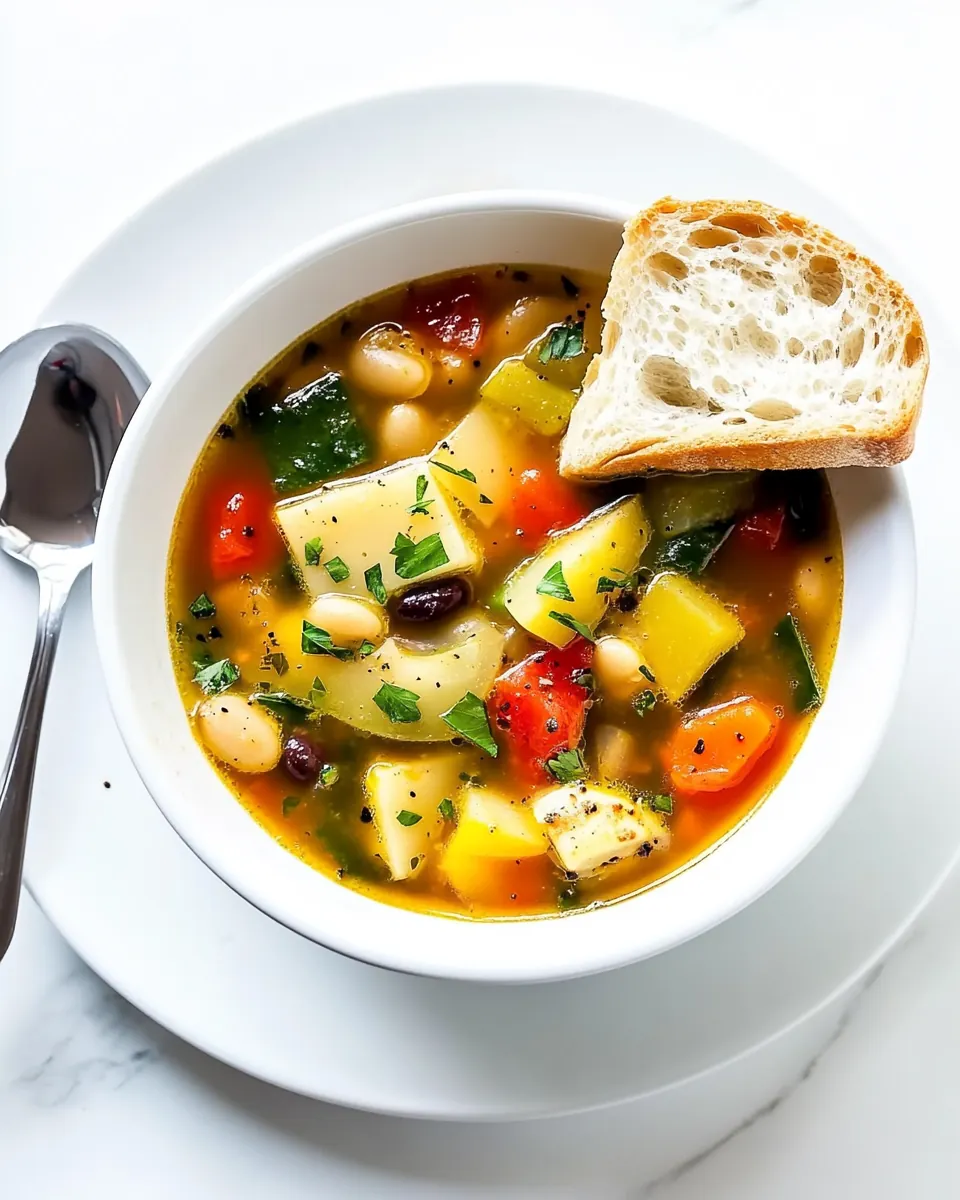
I like offering practical swaps and small twists that keep the spirit of the soup while letting you personalize it. Below are tips expanded from the notes and my own kitchen experience to help you make the recipe fully yours.
- Honor the aromatics Start by properly sweating and browning the onions, carrots, and celery, because that is the foundation of flavor you will build upon; patience here rewards you with a richer broth.
- Choose your stock wisely Use a flavorful stock since it significantly affects the final depth, and if you prefer a lighter finish pick a low sodium option so you can control seasoning at the end.
- Mind the pasta timing Add the pasta late and keep an eye on it; testing for al dente ensures the soup retains pleasant bite rather than becoming one texture.
- Bean care Rinse the canned cannellini beans to remove packing liquid and excess salt, this keeps the broth clearer and avoids an overly bready mouthfeel.
- Finish with fresh herbs Stir in the parsley off heat to preserve its bright flavor and color, which refreshes the bowl right before serving.
What to Serve With Minestrone Soup
This soup pairs beautifully with simple sides and suits many occasions, from cozy weeknights to relaxed gatherings. I often present it as the star of a light dinner, but it also works as a hearty starter during a larger meal. Think seasonal accompaniments and practical storage tips when planning your service.
- Rustic toasted ciabatta The warmth and crunch of toasted ciabatta bread rubbed with garlic complements the soup’s texture and is ideal for dipping into the broth.
- Green salad on the side A crisp salad with a simple vinaigrette provides a refreshing contrast to the soup’s warm, savory notes, making for a balanced meal.
- Serve for casual dinners This recipe is perfect for family dinners or small gatherings, because it scales easily and allows guests to help themselves to bowls, fostering a relaxed atmosphere.
- Seasonal pairings In winter, enjoy it hot with robust bread; in milder months, serve slightly cooled alongside chilled vegetables for variety.
- Storage tips Refrigerate leftovers in an airtight container, but keep in mind the pasta will absorb liquid over time; add a splash of warm stock when reheating to restore consistency.
FAQ
Conclusion
Minestrone Soup stands out for its soulful simplicity, balancing tender vegetables, creamy beans, and al dente pasta in a flavorful broth. It’s a dish that feels both humble and nourishing, perfect for a weeknight supper or a casual gathering with friends. Give it a try and notice how small techniques like browning the vegetables and adding herbs off heat transform the final bowl. I hope this recipe becomes one of those reliable dishes you return to whenever you crave something warm, wholesome, and satisfying.
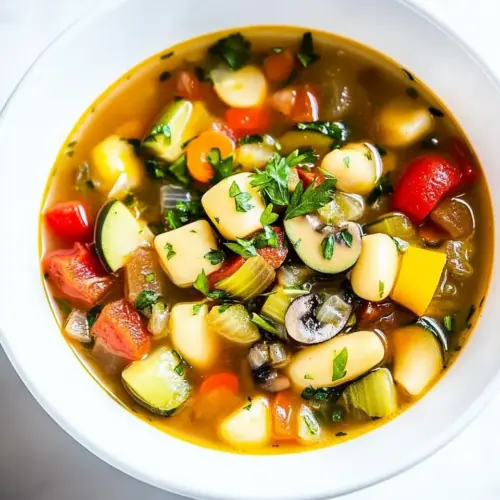
Minestrone Soup
Equipment
- Vegetable Peeler
- Chef's Knife
- Cutting Board
- Set Measuring Spoons
- Liquid Measuring Cup
- Can opener
- Large skillet or pot
- Wooden Spoon
Ingredients
- 6 tablespoons Extra Virgin Olive Oil Enhance flavor and provide a silky base by gently heating to sauté vegetables and bloom aromatics; extra virgin olive oil also adds healthy monounsaturated fats and a fruity aroma that complements the soup’s vegetables. Use it early in the cooking process to prevent sticking and to carry fat-soluble flavors throughout the broth.
- 2 Carrots Peeled & Diced Add sweetness, texture, and body by peeling and dicing, then sautéing until slightly softened to contribute a tender bite; carrots release natural sugars that deepen the soup’s overall flavor. Keep the pieces uniform so they cook evenly and meld with the other vegetables without overpowering them.
- 3 Celery Stalks Diced Contribute aromatic savory depth and a subtle crunch when diced, releasing natural salts and vegetal juices that balance sweetness from carrots and onions. Cook until translucent to integrate its flavor into the soup base and provide a classic mirepoix foundation.
- 1 Large Potato Peeled & Diced Provide starchiness and heartiness when peeled and diced, helping to thicken the broth slightly as potato starches tenderize during simmering. Add early enough to cook through but avoid overcooking to maintain some texture and prevent disintegration into the soup.
- 2 Onions Chopped Impart sweetness and savory complexity when chopped, browning to enrich the soup’s base and complement the other vegetables; onions also release compounds that form the backbone of many broths. Sauté until soft and translucent for a mellowed flavor profile.
- 8 ounces Mushrooms (White Button) Chopped Contribute an earthy, umami-rich note when chopped, adding meaty texture and depth that enhances the soup’s savory character; mushrooms also release liquid that melds with the stock. Sear briefly to concentrate flavor and preserve some bite without becoming rubbery.
- 10 cups Vegetable or Chicken Stock Provide the liquid foundation and primary seasoning vehicle for all ingredients; choose vegetable or chicken stock to control richness and salt level. Simmer with vegetables and aromatics to extract flavors and create a cohesive, savory broth.
- 2 Zucchini Diced Add mild, slightly sweet flavor and tender texture when diced, balancing starchier vegetables and adding freshness; zucchini cooks quickly so add later in the simmering process. Maintain moderate size to avoid overcooking and turning mushy.
- 16 ounce Can Cannellini Beans Supply creamy protein and body when drained and added, contributing both texture and a subtle nutty flavor; cannellini beans also thicken the broth slightly and boost satiety. Use canned beans for convenience, warming gently to preserve shape and avoid mashing.
- 1/2 pound Dry Pasta Small Shapes Bring comforting chewiness and carbohydrate content when cooked to al dente, making the soup more filling; choose small shapes so they integrate well with the vegetables and beans. Add toward the end of cooking to prevent excessive starch release and sogginess.
- 1 Loaf Ciabatta Bread Sliced Thick Offer a crunchy, rustic accompaniment that soaks up broth and provides contrasting texture; slicing ciabatta thickly creates hearty croutons or toasts for serving alongside the soup. Toast or rub with garlic and olive oil for added flavor and a pleasant mouthfeel.
- 2 cloves Garlic Peeled Deliver pungent aromatic sharpness and savory depth when peeled and minced or crushed, brightening the overall flavor profile and layering complexity. Add during sautéing or briefly before serving to preserve brightness without becoming bitter.
- 3 tablespoons Flat-Leaf Parsley Chopped Introduce fresh herbaceous brightness and a clean finish when chopped and sprinkled toward the end of cooking or as a garnish; flat-leaf parsley lifts and balances richer flavors. Use fresh leaves for aroma and color, adding them just before serving for maximum impact.
- 1/2 teaspoons salt Season and enhance other flavors by adding a controlled amount to the pot; salt also helps extract flavors from vegetables and proteins during cooking. Adjust to taste at the end to ensure the final balance is neither too flat nor overly salty.
- 1/4 teaspoon Ground Black Pepper Provide mild heat and aromatic pungency when freshly ground, contributing background spice that sharpens and rounds out the soup’s flavor profile. Add during cooking and taste toward the end to fine-tune the pepper level without overwhelming the other ingredients.
Instructions
- Warm a large skillet or pot over medium-high heat on your stovetop.: The moment the pot warms you will sense a gentle dry heat rising, which primes the pan to sear and deepen flavors rather than stew them. This initial warmth ensures the olive oil will shimmer instead of smoking, and it helps the vegetables begin to release their sugars quickly. If the pot is too cool, you will only sweat the vegetables and miss those toasty notes. A common mistake here is rushing and using too high heat which can burn the aromatics, so aim for steady medium high warmth, test by flicking a drop of water which should dance and evaporate.
- Add the olive oil to the skillet and then add the carrots, celery, potato, mushrooms, and onion.: Right after the oil shines in the pan, you will hear a soft sizzle as the vegetables meet the heat, creating a fragrant chorus. This step layers texture and taste, as the carrots and onions sweeten while the mushrooms contribute umami. Stir gently to coat every piece in oil, giving each vegetable contact with the pan for even browning. Avoid overcrowding the pot, which leads to steaming instead of caramelizing; if that happens, sauté in two batches.
- Cook for about 10 minutes or until the vegetables begin to brown. Stir occasionally.: During these minutes you should notice edges turning golden and an aromatic steam rising, signaling the Maillard reaction which deepens flavor. The sound will shift to a steadier faint sizzle and the pan will smell richer, sweeter and slightly nutty. This is critical for developing a complex broth later. Over stirring prevents browning, while under stirring risks uneven color, so check and move vegetables gently every couple of minutes to promote uniform caramelization.
- Increase the heat to high and add the stock. Bring to a boil and add the zucchini, beans, salt, and pepper. Reduce heat to medium low and let cook for 15 minutes.: As the cold stock hits the hot pan you will hear a robust bubbling that signals the flavors are unifying. Boiling briefly extracts aromas from the vegetables, then lowering to steady simmer encourages gentle melding without breaking apart delicate pieces. At this stage the broth will begin to look more luminous and the steam will carry savory, rounded notes. A frequent error is leaving at a hard boil too long which can make the pasta gluey later; keep it at a gentle simmer after the first boil.
- Add the pasta and continue cooking for about eight more minutes or until the pasta is al dente.: When you add the pasta the broth will momentarily quiet as the starch warms the liquid, and after a few minutes the soup will thicken slightly with suspended starch particles. Look for the pasta to have a tender center with a little chew, that al dente resistance that makes each spoonful interesting. Stir occasionally to keep the shapes separated and to prevent sticking to the pot. Overcooking here results in a mushy texture and a cloudy broth, so test a piece early and often.
- Turn off the stovetop heat. Add the parsley to the soup, stir, and season if necessary.: The moment you remove the pot from heat you will notice the aromas brighten as volatile herbs awaken without wilting completely. Adding parsley off heat preserves its fresh, green character and prevents loss of color. Taste now for final seasoning, because flavors have concentrated and sometimes need a pinch more salt or a dash more pepper . The common pitfall is over seasoning early; always adjust at the end after reduction.
- Toast some slices of the ciabatta bread. When ready, cut the garlic cloves in half and rub one side of the bread with the garlic to add flavor.: Toasted ciabatta bread will crackle and develop golden edges that offer a satisfying crunch against the soup. Rubbing a smashed garlic clove on the warm bread releases essential oils that perfume each bite without overpowering the bowl. The contrast of warm, fragrant toast with the soup’s tender textures elevates the meal. A typical mistake is rubbing garlic on cold bread which will not release the same aromatic oils, so wait until the bread is warm.
- Divide the soup between bowls, add some sliced bread to the side, and serve. Enjoy!: As you ladle the mixture, you will observe a medley of colors and the broth will glisten, inviting the first sip. Serve immediately so the pasta and vegetables hold their texture and the toast remains crisp. If left too long, pasta will soak up the liquid and bread will sog; plan serving so everyone digs in while it’s at its best.
Notes
- Honor the aromatics Start by properly sweating and browning the onions, carrots, and celery, because that is the foundation of flavor you will build upon; patience here rewards you with a richer broth.
- Choose your stock wisely Use a flavorful stock since it significantly affects the final depth, and if you prefer a lighter finish pick a low sodium option so you can control seasoning at the end.
- Mind the pasta timing Add the pasta late and keep an eye on it; testing for al dente ensures the soup retains pleasant bite rather than becoming one texture.
- Bean care Rinse the canned cannellini beans to remove packing liquid and excess salt, this keeps the broth clearer and avoids an overly bready mouthfeel.
- Finish with fresh herbs Stir in the parsley off heat to preserve its bright flavor and color, which refreshes the bowl right before serving.