Milk Bread
There’s something truly magical about the aroma of freshly baked bread, and the Milk Bread I make at home brings back cherished memories of my childhood. I remember my grandmother’s kitchen, the warmth of the oven, and the way she would knead the dough with such grace. Each loaf was a labor of love, and the anticipation of that first warm slice was always worth it. This Milk Bread recipe is no different; it embodies comfort and joy that fills the room with an inviting smell. Whether you’re gathering with family or enjoying a quiet moment, this recipe opens a door to nostalgia and happiness.
Recipe Snapshot
50 mins
20 mins
30 mins
Medium
200 kcal
6 g
Gluten-Free, Low FODMAP
7 g
Mixing Bowl, Frying Pan, Whisk, Baking Sheet, Oven
Why This Milk Bread Works
It’s Incredibly Soft
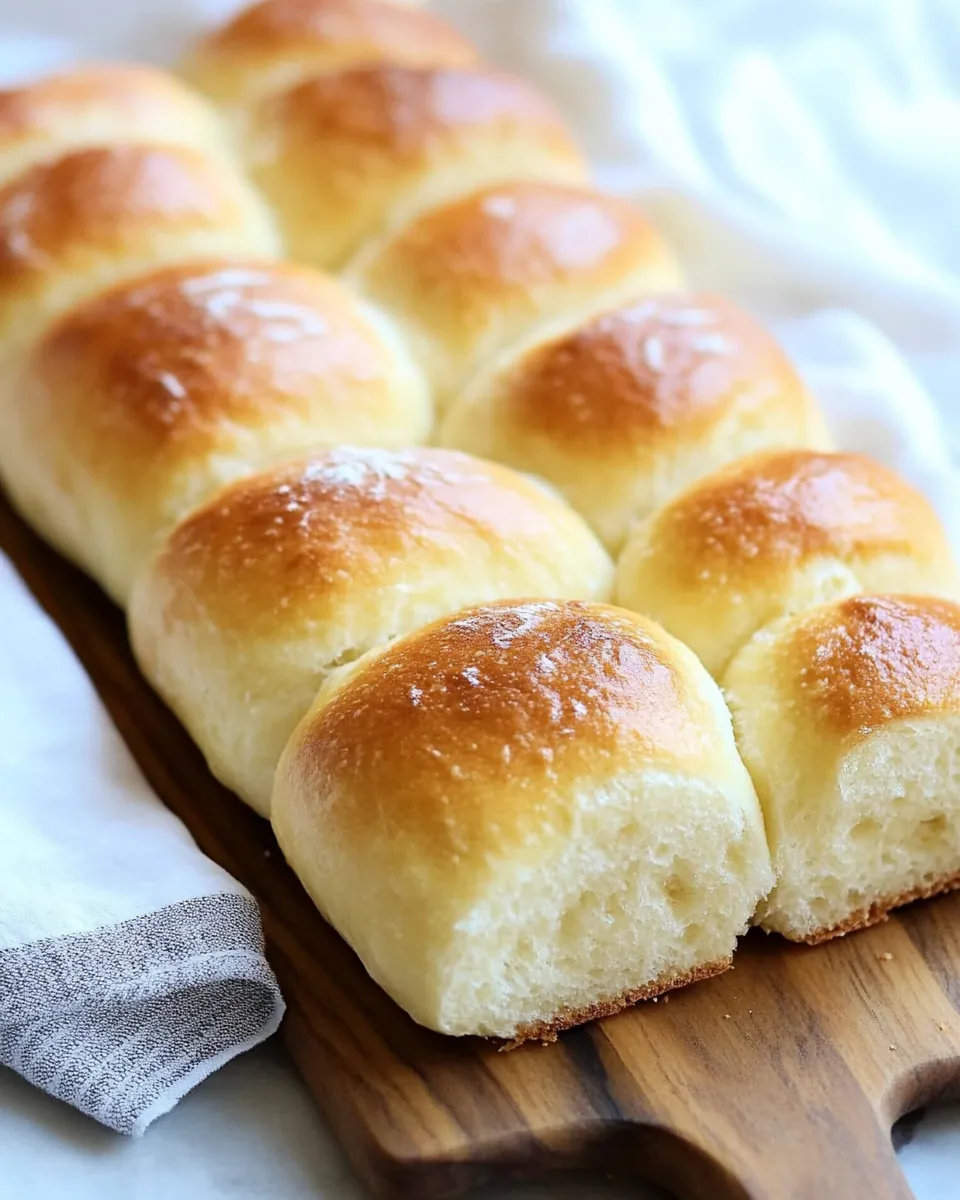
One of the standout features of Milk Bread is its incredibly soft texture. The addition of heavy cream and butter makes it remarkably tender. When you slice into it, you’ll notice how it practically melts in your mouth, making it perfect for sandwiches or as a side to your favorite meal.
Perfect for Any Occasion
This recipe is versatile and can be enjoyed at any time of the day. Whether it’s a cozy breakfast with butter and jam, a lunchtime sandwich, or a delightful addition to your dinner table, Milk Bread fits perfectly. It’s the kind of bread that complements any dish.
Easy to Make
You don’t need to be a seasoned baker to whip up this Milk Bread. With a few simple ingredients and some patience, you’ll create a beautiful loaf that impresses all. The process of kneading and letting the dough rise is therapeutic, and the reward is worth every moment!
Great for Sharing
There’s a special joy that comes from sharing food with loved ones. This Milk Bread recipe makes six generous rolls, perfect for gatherings. Imagine serving warm rolls at your next family dinner or holiday celebration. It’s bound to bring smiles and spark delightful conversations around the table.
Freezes Well
Another reason to love this recipe is its ability to freeze beautifully. You can make a batch ahead of time and simply pull out as many rolls as you need for your meal. This makes it not only convenient but also ensures you always have fresh bread on hand.
What to Gather for Milk Bread
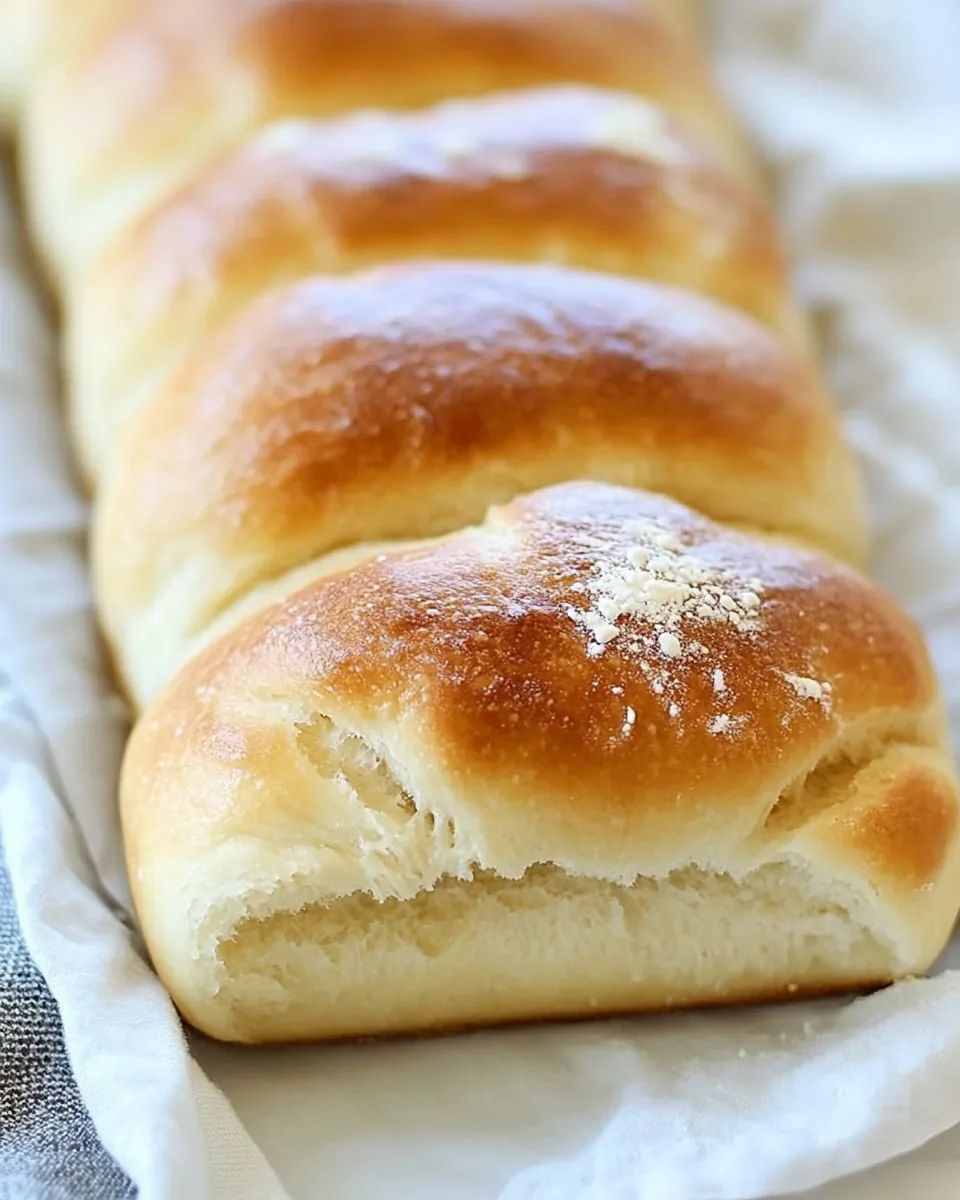
Understanding the right ingredients is crucial for creating the perfect Milk Bread. Each component in this recipe plays a vital role in ensuring that the bread turns out soft, flavorful, and satisfying. The combination of bread flour, cream, and eggs enriches the dough, giving it a wonderful texture. Let’s explore these essential ingredients that come together to create this delightful bread.
- 5 1/3 cups of bread flour, divided, plus more for surface: Bread flour has a higher protein content, which contributes to the chewy texture of the bread. Having extra flour on hand helps manage stickiness during the kneading process.
- 1 cup of heavy cream: This ingredient adds richness and moisture, making the bread soft and decadent.
- 1/3 cup of honey: Honey not only sweetens the bread but also helps keep it moist, enhancing its flavor.
- 3 tablespoons of nonfat dry milk powder: This helps improve the texture and moisture level of the bread.
- 2 tablespoons of active dry yeast: Yeast is essential for leavening the dough, allowing it to rise and develop a light texture.
- 2 tablespoons of kosher salt: This enhances the flavor of the bread and controls yeast activity.
- 3 large eggs: Eggs provide richness and contribute to the bread’s structure and flavor.
- 1/2 stick of unsalted butter, cut into pieces, room temperature: Butter adds flavor and tenderness to the bread.
- nonstick vegetable oil spray: This is used to grease the bowl and muffin pan, preventing the dough from sticking.
- flaky sea salt: A finishing touch that adds flavor and texture to the crust.
Preparation Steps for Milk Bread
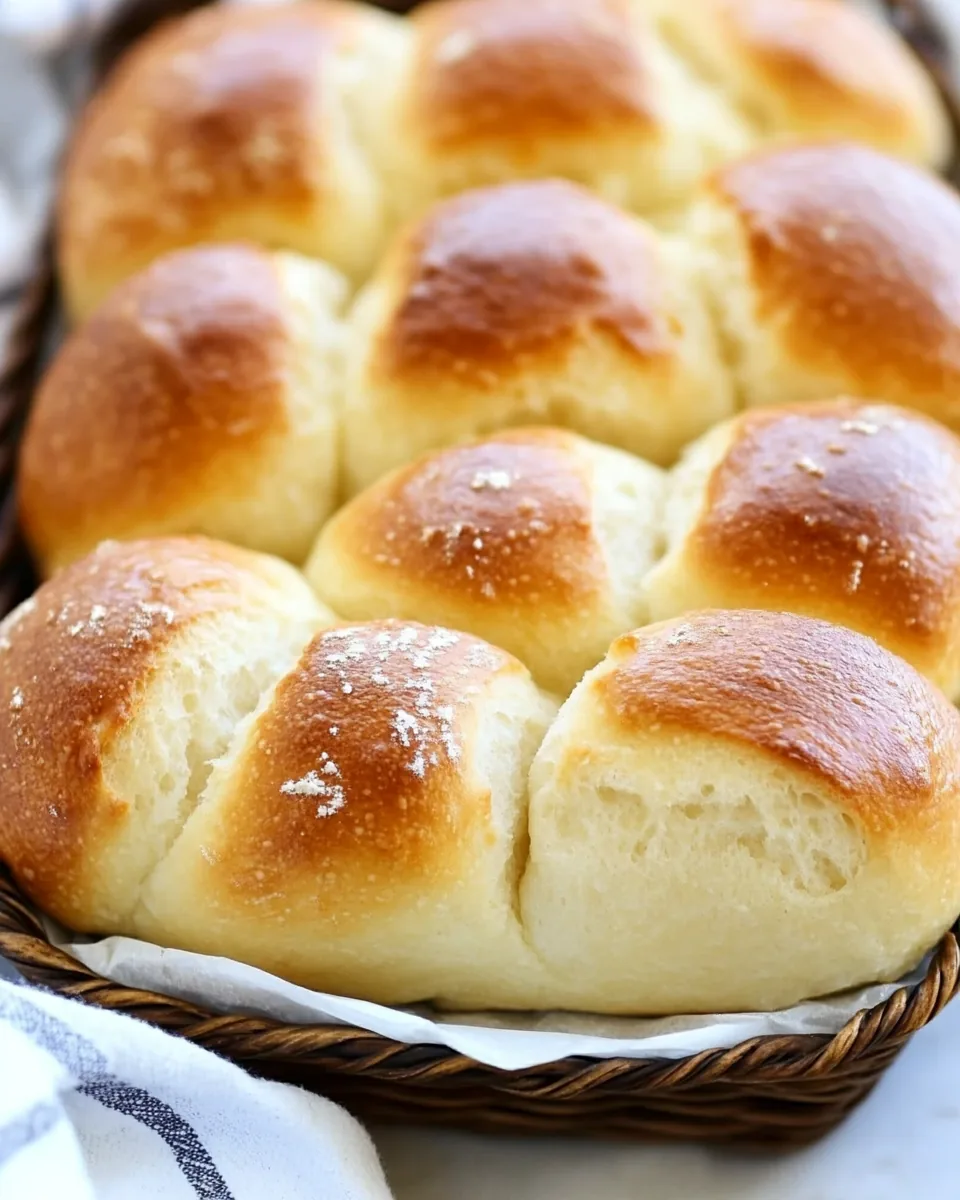
Making Milk Bread is an enjoyable process that fills your home with the aroma of freshly baked bread. Follow these steps, and you’ll be rewarded with tender, fluffy rolls that you can’t resist. Each step is an opportunity to engage with the dough and see it transform into something magical.
- In a small saucepan over medium heat, combine 1/3 cup of bread flour and 1 cup of water, whisking constantly until a thick paste is formed, about 5 minutes. You’ll know it’s ready when it resembles a smooth pudding. Remove from heat and stir in heavy cream and honey until both dissolve completely.
- Transfer the mixture into a stand mixer fitted with a dough hook. Add nonfat dry milk powder, active dry yeast, kosher salt, 2 eggs, and the remaining 5 cups of bread flour. Knead on medium speed for about 5 minutes. The dough should start pulling away from the bowl and feel smooth to the touch.
- Incorporate the unsalted butter pieces gradually, mixing one piece at a time until fully integrated. The dough will become shinier and more elastic, which should take about 4 minutes. You want it to be soft but not sticky.
- Coat a large bowl with nonstick vegetable oil spray, then place the dough inside and turn it to coat all sides. Cover the bowl with plastic wrap and let the dough rise in a warm place until it has doubled in size, roughly 1 hour. Keep an eye on it, as it will become puffy and magnificent!
- Once risen, lightly coat a 6-cup jumbo muffin pan with nonstick spray. Turn the dough onto a floured surface and divide it into 6 equal pieces. Take each piece and divide it further into 3 smaller pieces, creating a total of 18 pieces. Shape them into balls.
- Place 3 smaller pieces of dough side by side in each muffin cup. They should be snug but not squished. Cover the pan loosely with plastic wrap and let it rise again in a warm place until doubled in size and puffing over the top, about 1 hour.
- Preheat your oven to 375°F (190°C). Beat the remaining egg with 1 teaspoon of water to create an egg wash. Brush the tops of the dough with this mixture and sprinkle with flaky sea salt.
- Bake for about 25 to 35 minutes, rotating the pan halfway through. The Milk Bread should turn a lovely deep golden brown. To check for doneness, tap the bottom; it should sound hollow. Let the bread cool slightly in the pan before carefully turning it out onto a wire rack.
Things Worth Knowing
- Use Proper Measurements: Accurate measuring of ingredients, especially flour, is crucial for the right consistency of the dough.
- Warm Environment: Ensure the dough has a warm place to rise; a turned-off oven with the light on can work well.
- Don’t Rush the Rising: Allow the dough to rise fully; this ensures a light and airy bread.
- Check Your Yeast: Make sure your yeast is fresh for proper rising; if it’s old, it might not activate.
Making Adjustments

While the classic Milk Bread recipe is fantastic as is, there are plenty of ways to make it your own. Here are some tips to help you adjust the recipe to suit your taste or needs.
- Storage: To store leftover Milk Bread, keep it in an airtight container at room temperature for up to three days. You can also refrigerate it for longer freshness.
- Freezing: Wrap the cooled rolls tightly in plastic wrap and place them in a freezer bag. They can be frozen for up to three months. To enjoy, thaw at room temperature and warm them in the oven.
- Pairing: This Milk Bread pairs wonderfully with soups, salads, or as a base for savory sandwiches. It’s also delicious with spreads like butter and jam.
- Flavor Variations: Add herbs or spices to the dough for a different flavor profile. Try incorporating rosemary or even cinnamon for a sweet twist.
- Using Different Flour: While bread flour is recommended for the best texture, you can experiment with all-purpose flour. Just keep in mind that it may slightly alter the consistency.
- Egg Wash Substitutes: If you prefer not to use an egg wash, you can brush the rolls with milk or a dairy-free alternative to achieve a nice sheen.
Serve This Milk Bread With
When it comes to serving Milk Bread, the possibilities are endless! Here are some creative ideas to elevate your meal experience:
- Enjoy It Fresh: Serve warm rolls straight out of the oven with butter and your favorite jam for a comforting breakfast treat.
- Pair with Soups: Milk Bread is perfect alongside hearty soups like minestrone or chicken noodle, soaking up all the delicious flavors.
- As a Side Dish: Use it as a delightful accompaniment to roasted meats or savory dishes, enhancing the overall dining experience.
- Sandwiches: This bread is perfect for sandwiches; its softness holds fillings beautifully without falling apart.
- For Special Occasions: Serve Milk Bread during holidays or gatherings, dressed up with herb-infused butter or a variety of spreads.
- Perfect for Picnics: Pack it for a picnic, where it can be used for sandwiches or enjoyed plain with a selection of cheeses.
- Keep It Fresh: Store any leftover rolls in an airtight container to maintain their softness. You can also freeze them for future use.
FAQ
Conclusion
The beauty of Milk Bread lies in its simplicity and the joy it brings to each meal. Its soft, tender texture makes it a delightful addition to any dining experience. I encourage you to give this recipe a try and savor the satisfaction of creating your own bread at home. It’s a wonderful way to share love and warmth with family and friends.
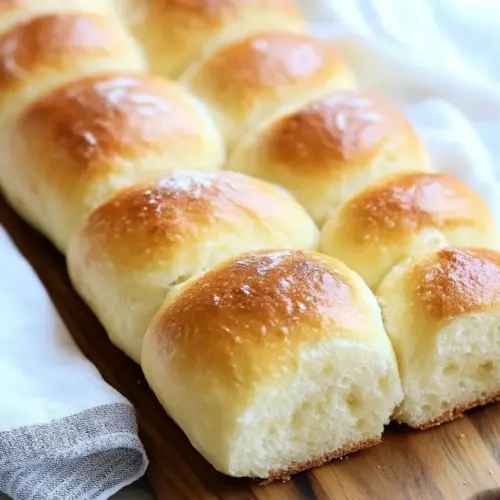
Milk Bread
Equipment
- Mixing Bowl
- Frying Pan
- Whisk
- Baking Sheet
- Oven
Ingredients
- 5 1/3 cups bread flour divided, plus more for surface
- 1 cup heavy cream
- 1/3 cup honey
- 3 tablespoons nonfat dry milk powder
- 2 tablespoons active dry yeast from about 3 envelopes
- 2 tablespoons kosher salt
- 3 large eggs
- 1/2 stick unsalted butter cut into pieces, room temperature (4 tablespoons)
- nonstick vegetable oil spray
- flaky sea salt
Instructions
- In a small saucepan over medium heat, combine 1/3 cup of bread flour and 1 cup of water, whisking constantly until a thick paste is formed, about 5 minutes. You'll know it's ready when it resembles a smooth pudding. Remove from heat and stir in heavy cream and honey until both dissolve completely.
- Transfer the mixture into a stand mixer fitted with a dough hook. Add nonfat dry milk powder, active dry yeast, kosher salt, 2 eggs, and the remaining 5 cups of bread flour. Knead on medium speed for about 5 minutes. The dough should start pulling away from the bowl and feel smooth to the touch.
- Incorporate the unsalted butter pieces gradually, mixing one piece at a time until fully integrated. The dough will become shinier and more elastic, which should take about 4 minutes. You want it to be soft but not sticky.
- Coat a large bowl with nonstick vegetable oil spray, then place the dough inside and turn it to coat all sides. Cover the bowl with plastic wrap and let the dough rise in a warm place until it has doubled in size, roughly 1 hour. Keep an eye on it, as it will become puffy and magnificent!
- Once risen, lightly coat a 6-cup jumbo muffin pan with nonstick spray. Turn the dough onto a floured surface and divide it into 6 equal pieces. Take each piece and divide it further into 3 smaller pieces, creating a total of 18 pieces. Shape them into balls.
- Place 3 smaller pieces of dough side by side in each muffin cup. They should be snug but not squished. Cover the pan loosely with plastic wrap and let it rise again in a warm place until doubled in size and puffing over the top, about 1 hour.
- Preheat your oven to 375°F (190°C). Beat the remaining egg with 1 teaspoon of water to create an egg wash. Brush the tops of the dough with this mixture and sprinkle with flaky sea salt.
- Bake for about 25 to 35 minutes, rotating the pan halfway through. The Milk Bread should turn a lovely deep golden brown. To check for doneness, tap the bottom; it should sound hollow. Let the bread cool slightly in the pan before carefully turning it out onto a wire rack.
Notes
- Tip 1: To store leftover Milk Bread, keep it in an airtight container at room temperature for up to three days. You can also refrigerate it for longer freshness.
- Tip 2: Wrap the cooled rolls tightly in plastic wrap and place them in a freezer bag. They can be frozen for up to three months. To enjoy, thaw at room temperature and warm them in the oven.
- Tip 3: This Milk Bread pairs wonderfully with soups, salads, or as a base for savory sandwiches. It’s also delicious with spreads like butter and jam.
- Tip 4: Add herbs or spices to the dough for a different flavor profile. Try incorporating rosemary or even cinnamon for a sweet twist.
- Tip 5: While bread flour is recommended for the best texture, you can experiment with all-purpose flour. Just keep in mind that it may slightly alter the consistency.