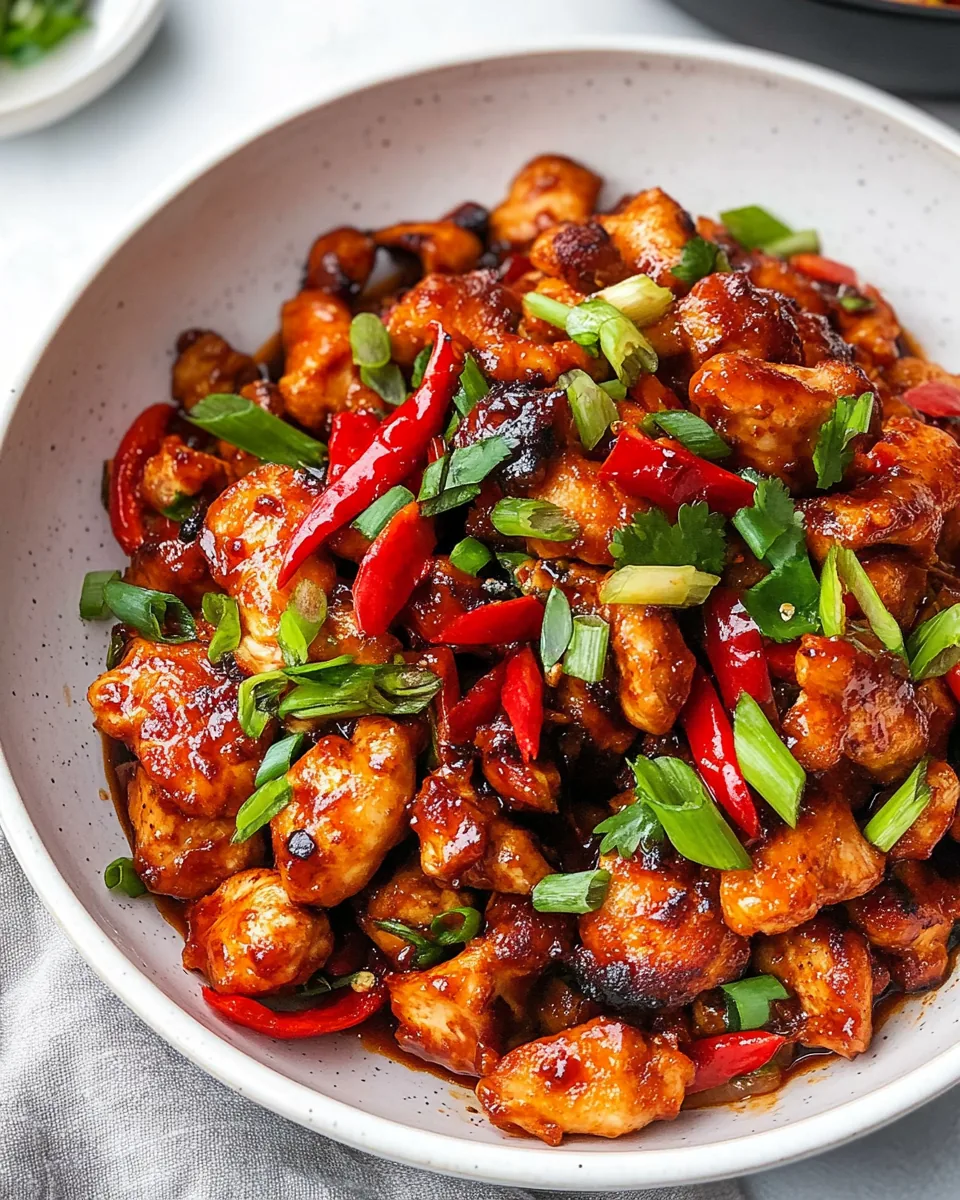
Kung Pao Chicken
Growing up, my family had a few go-to dishes that made an appearance at our dinner table, and one of them was Kung Pao Chicken. The vibrant flavors and the perfect balance of heat and sweetness always captivated my taste buds. I remember the first time I tried it at a local Chinese restaurant; I was instantly hooked! The combination of tender chicken pieces, crunchy peanuts, and colorful bell peppers simply danced on my palate. Fast forward to today, and this dish has become a staple in my kitchen. It’s not just about the food; it’s about the memories created around the dinner table. Each time I prepare Kung Pao Chicken, I reminisce about those joyful moments shared with loved ones, and it never fails to put a smile on my face.
Recipe Snapshot
40 mins
20 mins
20 mins
Medium
400 kcal
35 g
Keto, Whole30, Vegan
20 g
Wooden Spoon, Grater, Mixing Bowl, Frying Pan, Skillet, Chef’s Knife, Whisk
Every bite of Kung Pao Chicken takes me on a flavorful adventure, and I can’t help but share why this dish truly stands out. Not only is it packed with protein from the chicken, but the vibrant colors of the vegetables also make it visually appealing. The crunch of the peanuts adds a delightful texture that complements the tender chicken. Plus, the sauce is a perfect blend of spicy and savory, making it a dish that pleases a variety of palates. I love that it can be customized to your spice preference; whether you like it hot or mild, you can adjust the heat level. Cooking this dish reminds me of the importance of fresh ingredients, as using quality soy sauce and fresh garlic makes a world of difference. As I stir-fry everything together, the aroma fills my kitchen, captivating everyone around. It’s truly a dish that brings people together, a true testament to the power of food in creating lasting memories.
What Sets This Kung Pao Chicken Apart
Flavorful Ingredients
The foundation of Kung Pao Chicken lies in its carefully selected ingredients, making it a standout dish. Each component plays a vital role in creating the perfect balance of flavors. The use of fresh ginger and garlic infuses the dish with aromatic qualities, while the combination of soy sauce and rice vinegar brings that savory-sweet note we all crave. The vibrant colors of the bell peppers not only enhance the dish’s appearance but also add a sweet crunch. This blend of ingredients creates a symphony of flavors that I can’t resist!
Quick and Easy
One of the reasons I adore this Kung Pao Chicken recipe is its simplicity. With just a few steps, you can whip up a delicious meal that tastes like it came from a restaurant. The cooking process is not only straightforward but also allows you to get creative in the kitchen. It’s the perfect dish for a busy weeknight when you want something satisfying without spending hours in the kitchen.
Versatile Dish
Kung Pao Chicken is incredibly versatile; you can adapt it to your dietary preferences. Whether you’re a meat lover or a vegetarian, you can easily substitute the chicken with tofu or your favorite protein. You can also switch up the vegetables based on what you have on hand, making it an excellent recipe for using up leftover veggies. This adaptability makes it a go-to dish in my home!
Perfect for Sharing
An added bonus of Kung Pao Chicken is that it’s perfect for sharing. When I have friends over, I love serving this dish family-style, allowing everyone to dig in and enjoy. The communal aspect of sharing a meal brings people together, fostering connection and conversation. It’s a wonderful way to create memories around the dinner table.
What Goes Into Kung Pao Chicken
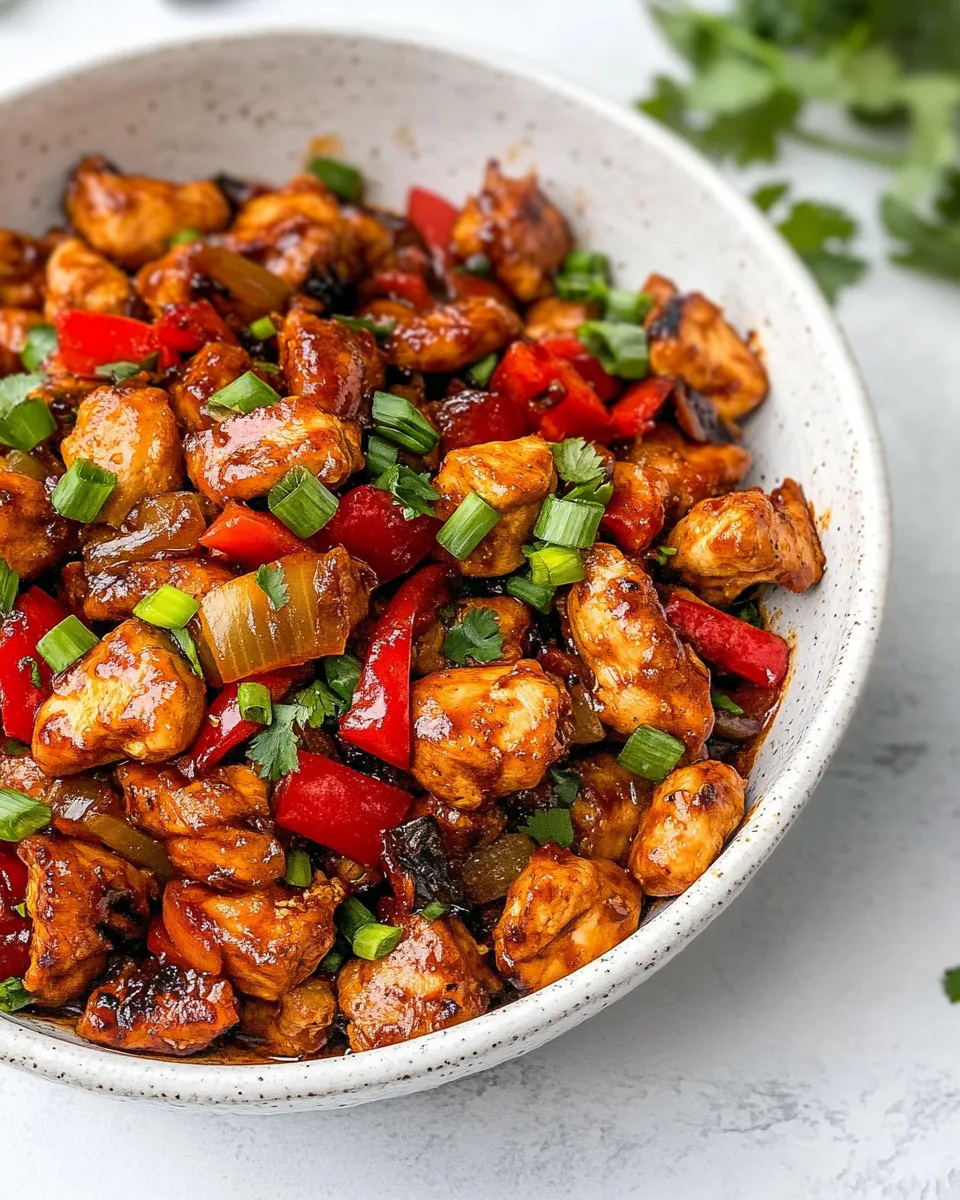
The ingredients for Kung Pao Chicken are a harmonious blend of flavors and textures that come together beautifully. Each element plays a significant role, from the tender chicken to the crunchy peanuts. This dish showcases the importance of using fresh, quality ingredients, as they enhance the overall flavor profile. Let’s take a look at what you’ll need to create this delightful dish.
- 2 pounds chicken breasts cut into bite-sized pieces
- Salt and pepper to taste
- 1 ½ cups cornstarch
- 3 eggs beaten
- ¼ cup vegetable oil divided
- 1 dried red chili pepper minced
- 3 cloves garlic minced
- 1 tablespoon ginger grated
- ¼ cup low sodium soy sauce
- ¼ cup rice vinegar
- 2 tablespoons Chinkiang vinegar
- 1 tablespoon red chili paste
- 2 teaspoons cornstarch
- 2 tablespoons water
- 1 large red bell pepper sliced
- 1 large green bell pepper sliced
- ¼ cup dried red chilis roughly chopped
- ¼ cup peanuts roughly chopped
- ¼ cup green onions chopped
How to Make Kung Pao Chicken
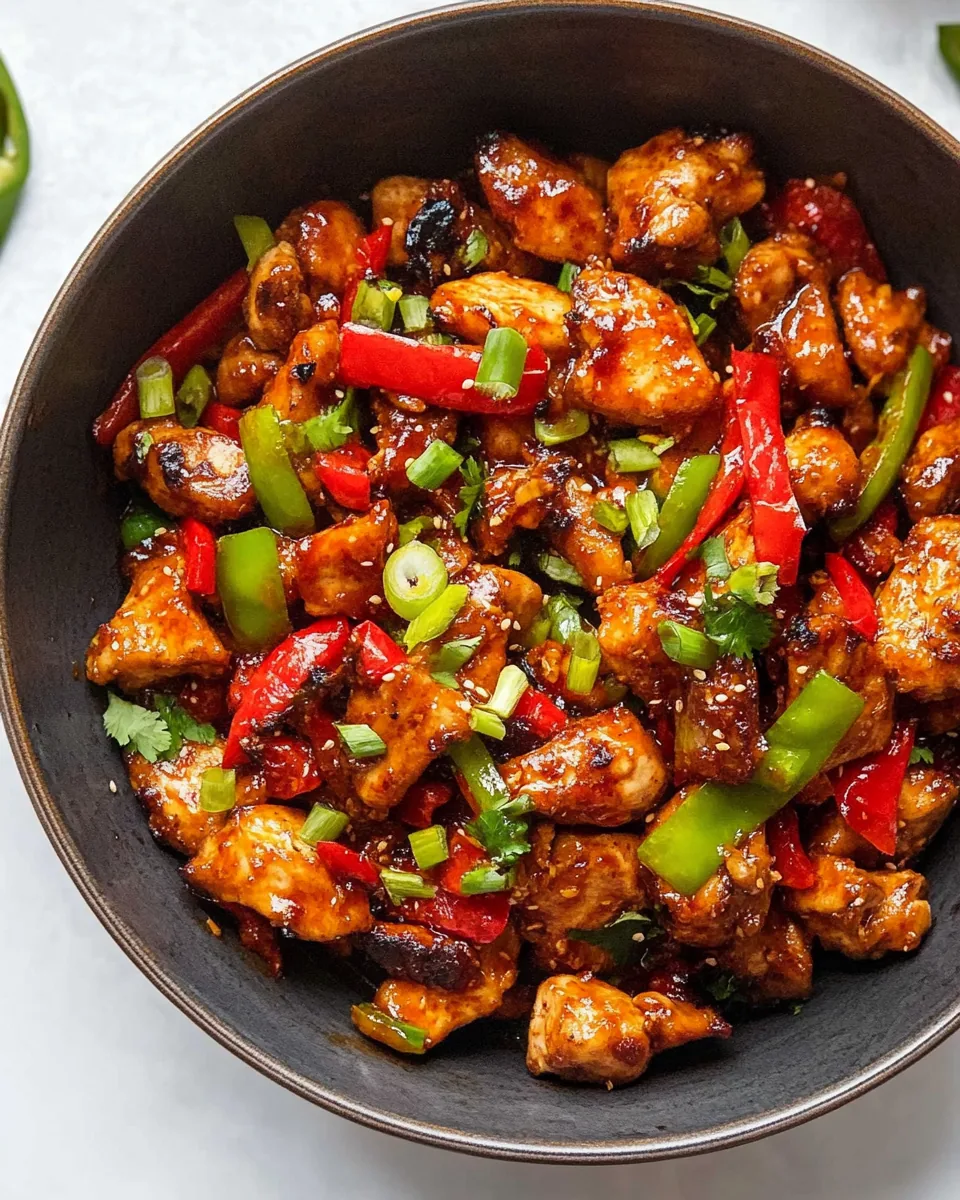
Creating Kung Pao Chicken is a rewarding experience that fills your kitchen with delicious aromas. As you gather your ingredients, the anticipation builds, and you know a delightful meal is on the way. Let’s dive into the steps to bring this savory dish to life!
- Season the chopped chicken with salt and pepper and set it aside. This is the first step to infusing flavor into your dish, so don’t skip it! Make sure to coat every piece evenly for the best results.
- Place cornstarch and beaten eggs into two separate bowls. This step is crucial for the next phase, where you’ll create a crispy coating for the chicken. Dip the seasoned chicken into the cornstarch, ensuring each piece is well-coated before moving on to the egg mixture.
- Heat 2 tablespoons of vegetable oil in a large skillet or wok over medium-high heat. The oil should shimmer before adding the chicken. This indicates it’s hot enough to create that satisfying crunch!
- Add the battered chicken to the pan. If your skillet is small, you may need to work in batches to avoid crowding, which can cause steaming rather than frying.
- Fry the chicken for about 8 to 10 minutes, tossing and turning every few minutes to ensure it browns evenly on each side. You’re looking for a golden, crispy exterior to develop.
- While the chicken is cooking, make the sauce by whisking together the minced red chili pepper, garlic, ginger, soy sauce, rice vinegar, Chinkiang vinegar, and red chili paste in a bowl. This sauce will be the heart of your Kung Pao Chicken.
- In a separate small bowl, whisk together the remaining cornstarch and water to create a cornstarch slurry. This will help thicken your sauce later. Set it aside.
- Once all the chicken is cooked, remove it from the pan and set it aside. Add more of the oil to the pan if needed and toss in the sliced bell peppers and chopped red chilis.
- Sauté the vegetables until they begin to soften and brown, releasing their natural sweetness. You want them to be tender yet still vibrant in color.
- Add the chicken back to the skillet and pour the sauce over the chicken and vegetables. Stir-fry everything together in the Kung Pao sauce for about 4 to 5 minutes, ensuring each piece is well-coated.
- Continue to cook until the sauce has thickened, stirring continually to coat all chicken and vegetables evenly. You’ll know it’s ready when it clings beautifully to everything.
- Remove the pan from heat, and serve the Kung Pao Chicken over rice. Garnish with chopped peanuts and green onions to add a fresh touch.
Things Worth Knowing
- Make sure your oil is hot: Before adding the chicken, check that the oil is hot enough. This ensures a crispy coating rather than a soggy one.
- Don’t overcrowd the pan: If you’re cooking a large batch, fry the chicken in batches. Overcrowding will steam the pieces, preventing them from browning.
- Adjust heat to your preference: If you like it spicier, add more red chili paste or dried red chilis to the dish.
- Use fresh ingredients: Quality fresh garlic, ginger, and vegetables will elevate the flavor of your Kung Pao Chicken.
- Thickening the sauce: The cornstarch slurry is essential for achieving that thick, glossy sauce that clings to the chicken and veggies.
How to Switch It Up
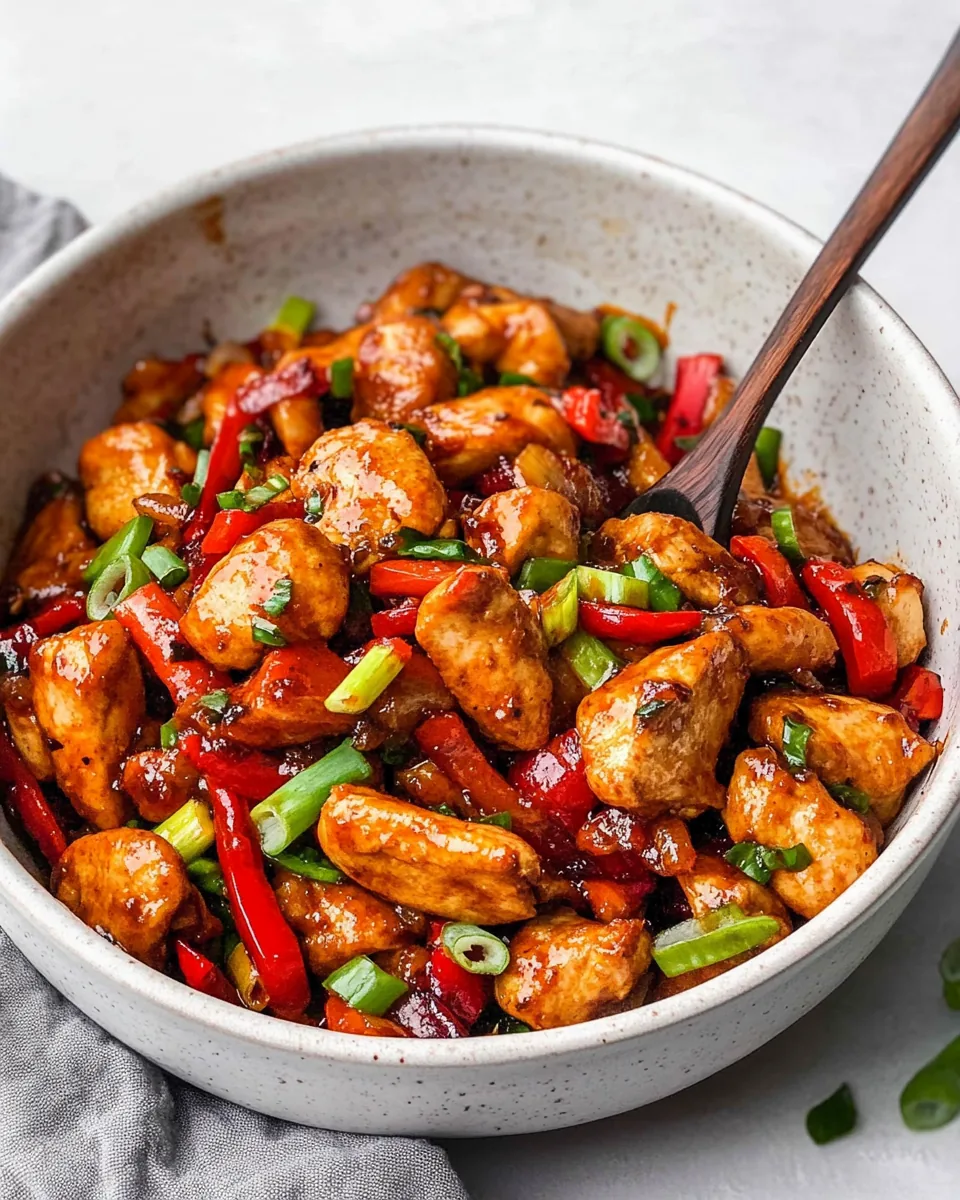
If you’re looking to mix things up with your Kung Pao Chicken, you’re in luck! There are countless ways to customize this dish to suit your taste preferences. Here are some ideas to inspire you:
- Protein variations: Swap out the chicken for beef, shrimp, or even tofu for a vegetarian version.
- Vegetable add-ins: Feel free to experiment with different vegetables like broccoli, snap peas, or carrots for added nutrition and flavor.
- Change the sauce: Try adding hoisin sauce or sesame oil to give the sauce a unique twist.
- Sweetness factor: If you prefer a sweeter dish, add a touch of honey or brown sugar to the sauce mixture.
- Serving options: Serve the Kung Pao Chicken over fried rice, quinoa, or even lettuce wraps for a lighter meal.
- Make it a meal prep: This dish is perfect for meal prep; just store it in an airtight container for up to five days.
Side Dish Ideas for Kung Pao Chicken
Pairing side dishes with Kung Pao Chicken can enhance your dining experience. Here are some ideas to consider:
- Steamed rice: A classic pairing, white or brown rice perfectly absorbs the flavorful sauce, making every bite satisfying.
- Fried rice: For a heartier meal, serve your Kung Pao Chicken over a bed of fried rice, adding more vegetables and protein.
- Spring rolls: Serve crispy spring rolls on the side for a delightful crunch and extra flavor.
- Asian slaw: A refreshing cabbage slaw will complement the dish’s spiciness and provide a crisp texture.
- Stir-fried vegetables: Add a side of sautéed mixed vegetables for a colorful and nutritious addition to your meal.
- Wontons: Crispy wontons can be a fun way to enjoy leftovers or to serve as an appetizer before the main course.
FAQ
Conclusion
In summary, Kung Pao Chicken is a delightful dish that perfectly balances flavors and textures, making it a favorite for many. With its savory sauce, tender chicken, and crunchy peanuts, it’s a dish that promises to satisfy your cravings. I encourage you to give this recipe a try; it’s sure to become a new favorite in your kitchen!
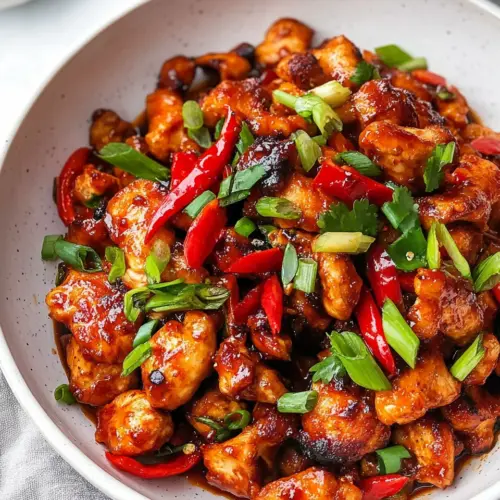
Kung Pao Chicken
Equipment
- Wooden Spoon
- Grater
- Mixing Bowl
- Frying Pan
- Skillet
- Chef's Knife
- Whisk
Ingredients
- 2 pounds chicken breasts cut into bite-sized pieces
- to taste salt and pepper
- 1 ½ cups cornstarch
- 3 eggs beaten
- ¼ cup vegetable oil divided
- 1 dried red chili pepper minced
- 3 cloves garlic minced
- 1 tablespoon ginger grated
- ¼ cup low sodium soy sauce
- ¼ cup rice vinegar
- 2 tablespoons Chinkiang vinegar
- 1 tablespoon red chili paste
- 2 teaspoons cornstarch
- 2 tablespoons water
- 1 large red bell pepper sliced
- 1 large green bell pepper sliced
- ¼ cup dried red chilis roughly chopped
- ¼ cup peanuts roughly chopped
- ¼ cup green onions chopped
Instructions
- Season the chopped chicken with salt and pepper and set aside.
- Place cornstarch and beaten eggs into two separate bowls. Dip the seasoned chicken into the cornstarch, then coat in the egg mixture.
- Heat 2 tablespoons of vegetable oil in a large skillet or wok over medium-high heat.
- Add the battered chicken to the pan. You may need to work in batches to avoid crowding.
- Fry the chicken, tossing and turning every few minutes for about 8 to 10 minutes.
- While the chicken is cooking, make the sauce by whisking together the minced red chili pepper, garlic, ginger, soy sauce, rice vinegar, Chinkiang vinegar, and red chili paste.
- In a separate small bowl, whisk together the remaining cornstarch and water to make a cornstarch slurry.
- Once all the chicken is cooked, remove it from the pan and set aside. Add more of the oil to the pan and add in the sliced bell peppers and chopped red chilis.
- Sauté the vegetables until they begin to soften and brown.
- Add the chicken back to the skillet and pour the sauce over the chicken and vegetables. Stir fry for 4 to 5 minutes.
- Continue to cook until the sauce has thickened, stirring continually.
- Remove the pan from heat. Serve the Kung Pao Chicken over rice and garnish with peanuts and green onions.
Notes
- Storage: Leftovers can be stored in an airtight container in the refrigerator for up to four days.
- Freezing: You can freeze leftovers, but the texture may change slightly upon reheating.
- Pairing: Serve with steamed rice or fried rice for a complete meal.
- Spice level: Adjust the level of red chili paste to suit your taste.
- Meal prep: This dish makes for great meal prep; just reheat it when ready to enjoy.