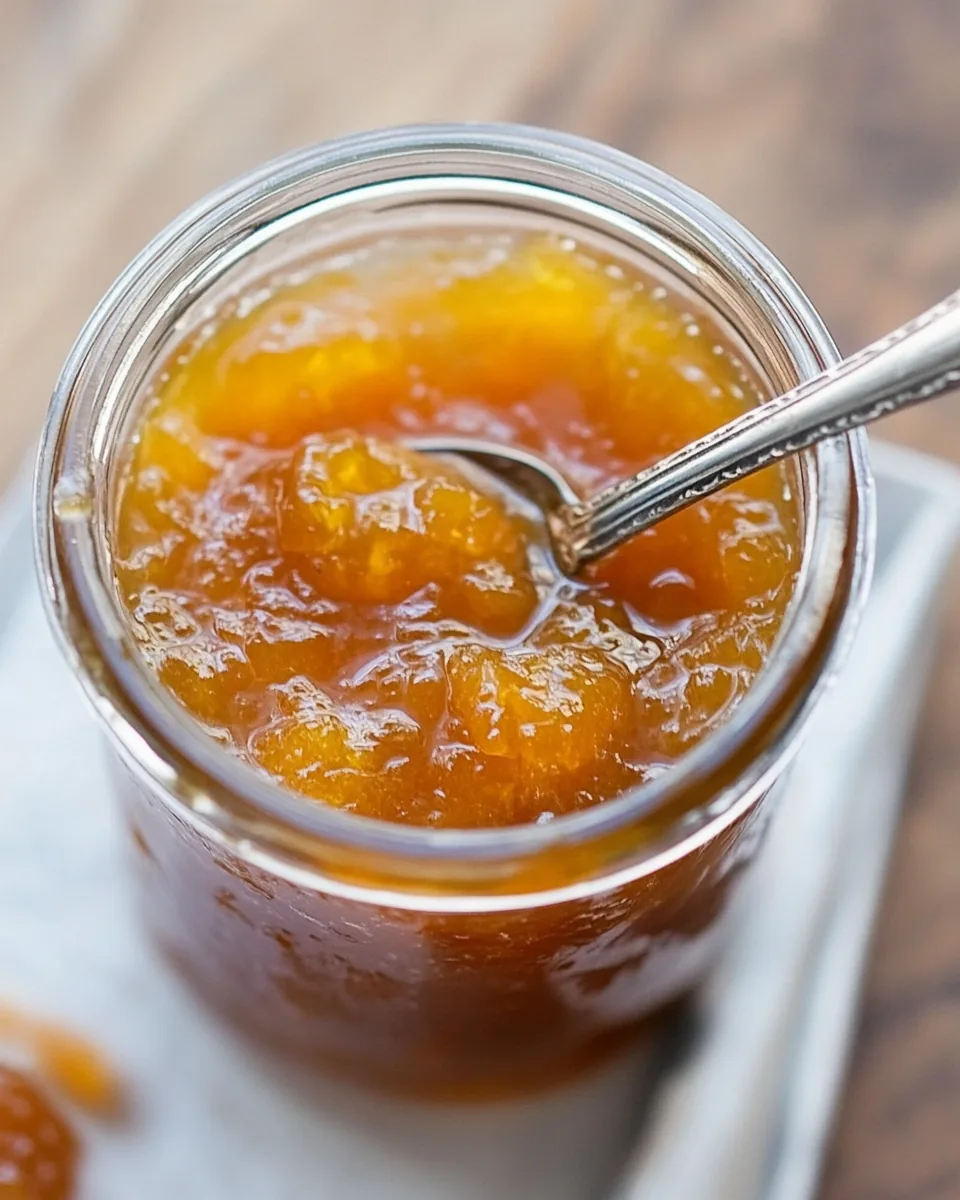
Kumquat Marmalade
There’s something magical about making your own preserves, and Kumquat Marmalade is one of my all-time favorites. I first discovered this bright, zesty spread during a visit to a quaint little farm stand, where the air was fragrant with citrus and warmth. The vibrant orange kumquats caught my eye, and I knew I had to learn how to make marmalade. Each time I prepare it, I’m transported back to that delightful day, surrounded by the sweet scent of kumquats. It’s not just about the taste; it’s about reliving the joy of creating something special at home. This recipe encapsulates the essence of my sunny afternoons spent concocting this delicious treat. The sweet and slightly tart flavor of the kumquats paired with the bright notes of lemon creates a mesmerizing taste that’s perfect for breakfast or a mid-afternoon snack.
Recipe Snapshot
60 mins
0 mins
0 mins
Easy
150 kcal
0 g
Vegan, Gluten-Free, AIP
0 g
Wooden Spoon, Mixing Bowl, Chef’s Knife, Saucepan, Large Pot
The Appeal of This Kumquat Marmalade
Unique Flavor Profile
The combination of sweet and tart in Kumquat Marmalade is simply irresistible. Kumquats are unique because you eat the whole fruit, skin and all, offering a delightful burst of flavor with every bite. The addition of lemons enhances the brightness, creating a well-balanced spread that’s perfect for toast or desserts.
Simple Process
You might think making marmalade is complicated, but I assure you it’s quite straightforward. The steps are simple: boil, simmer, and let it rest. Once you get the hang of it, you’ll find yourself making this marmalade time and again.
Perfect for Gifting
Who wouldn’t love a jar of homemade Kumquat Marmalade? It makes for an excellent gift, especially during the holidays or for housewarming parties. Just imagine the joy on your friends’ faces when they receive a beautifully jarred batch!
Health Benefits
Kumquats are not only delicious but also packed with nutrients. They are rich in vitamin C, which is great for boosting your immune system. Plus, their fiber content helps with digestion, making this marmalade a guilt-free indulgence.
Versatile Use
This marmalade is not just for spreading on bread! You can use it as a glaze for meats, a topping for desserts, or even drizzled over yogurt. The possibilities are endless, and it adds a gourmet touch to any dish.
Family Tradition
Making Kumquat Marmalade has become a cherished family tradition in my home. Every winter, when kumquats are in season, we gather around the kitchen to prepare it together. It’s a bonding experience filled with laughter, stories, and delicious aromas.
What’s In This Kumquat Marmalade
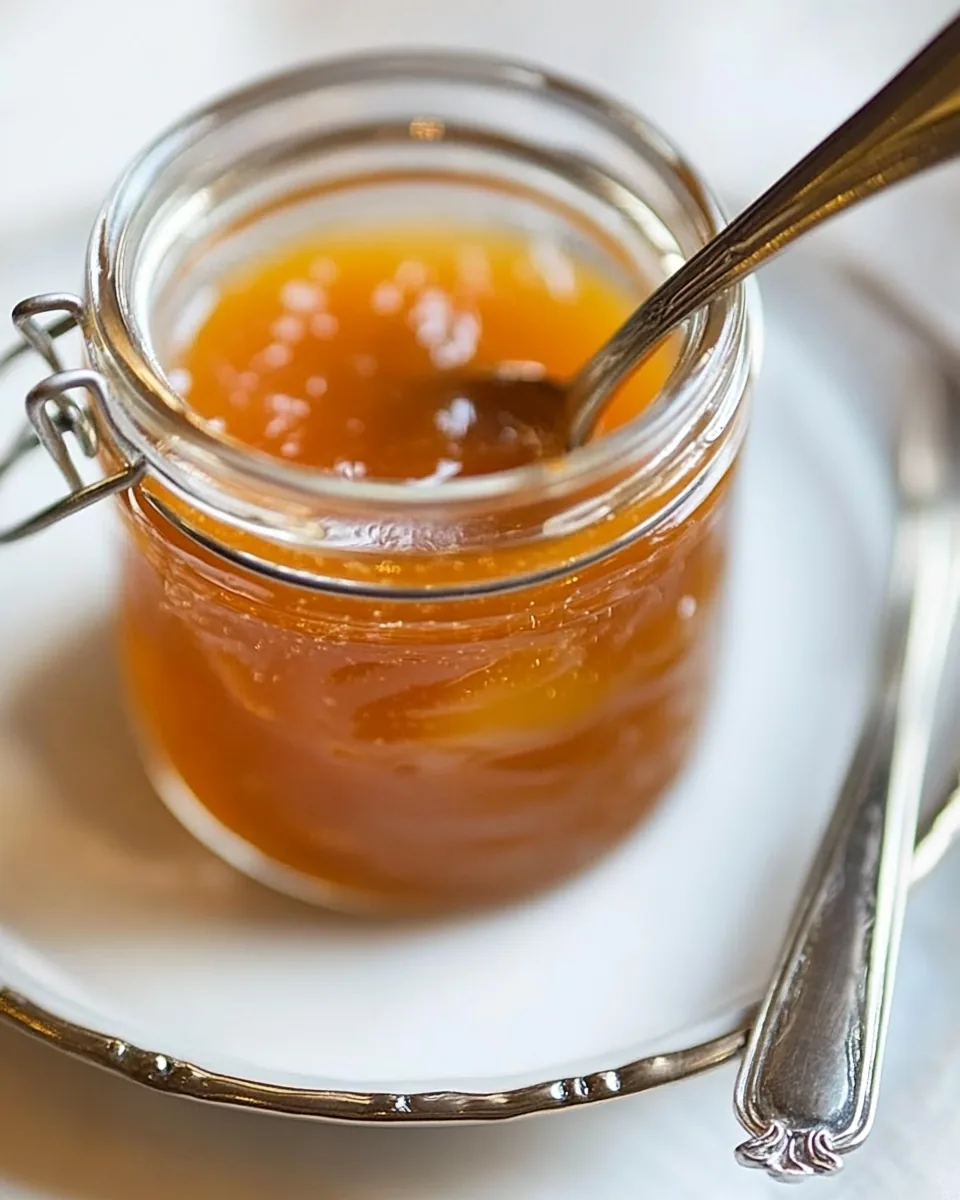
The ingredients in Kumquat Marmalade are simple yet powerful. Each component plays a vital role, creating a harmonious blend of flavors that are both refreshing and satisfying. The key players here are the kumquats and lemons, which together create a unique balance of sweetness and acidity. With just a few ingredients, you can unlock the magic of this delightful marmalade.
- 2 lemons, stemmed, halved lengthwise, seeded, and very thinly sliced: These add a bright, zesty note that complements the kumquats beautifully.
- 1 pound (450g) kumquats, stemmed, seeded, and sliced: The star of the show, these tiny fruits pack a punch of flavor.
- 5 1/2 cups (1.3L) water: This creates the cooking base for our marmalade.
- 2 cups (400g) sugar: Essential for sweetness and helping the marmalade to set.
- pinch of salt: Just a touch enhances all the flavors.
- Optional: 1/2 teaspoon kirsch or other liquor: Adds a subtle depth of flavor if desired.
The Method for Kumquat Marmalade
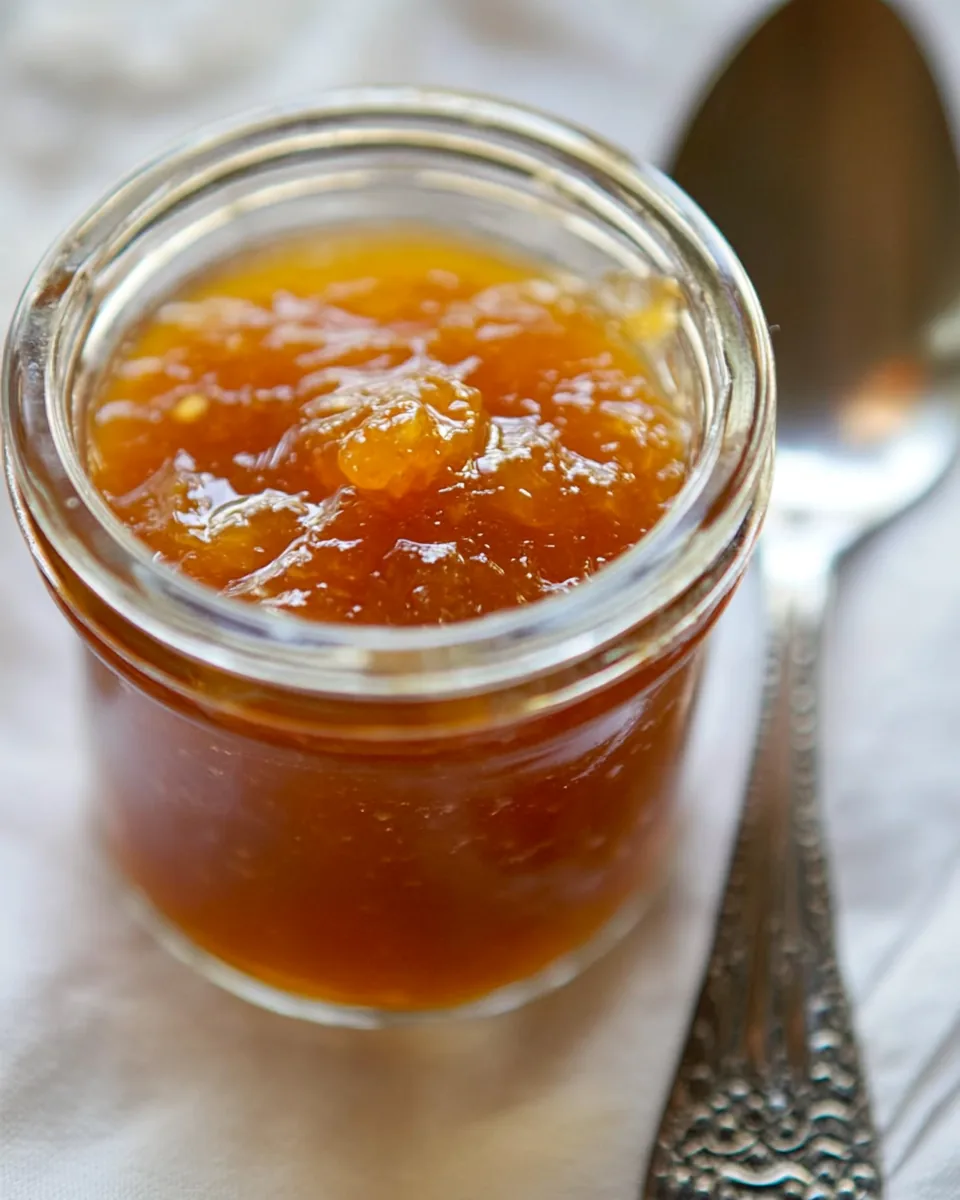
Making Kumquat Marmalade is an enjoyable process that fills your kitchen with a sweet aroma. Follow these steps closely, and you’ll be rewarded with a delightful jar of marmalade that’s perfect for any occasion. Let’s dive in!
-
Start by putting the lemon slices in a large non-reactive pot. Cover them with cold water and bring to a boil. This initial step is crucial, as we want to soften the lemons. Reduce the heat and let it simmer until the lemons are translucent, which should take about 5 minutes. Drain the water, discarding it.
Next, return the blanched lemons back to the pot. Take the seeds from the lemons and kumquats and tie them securely in a piece of cheesecloth. Place this seed sack into the pot along with the sliced kumquats and water. This step will help release the natural pectin from the seeds during cooking, essential for the marmalade to set.
Bring the mixture to a boil again, then remove it from the heat. Cover the pot and let it stand for 24 hours. This resting period allows all the flavors to meld beautifully.
-
The next day, place a small plate in the freezer. This will be used to test the consistency of your marmalade later.
Add the sugar and salt to the pot, stirring well to combine everything. Then, cook the marmalade mixture over medium heat for 30 to 45 minutes. It’s important to keep an eye on it and stir occasionally to prevent burning.
Once the time is up, remove the bag of seeds. Let it cool enough to handle, and make sure to squeeze the cheesecloth bag to extract any remaining pectin into the marmalade. This step is critical for achieving the right consistency.
-
Continue cooking until it reaches the jelling point, about 220ºF (104ºC) degrees if using a candy thermometer. To test the marmalade, turn off the heat and put a small amount on the chilled plate. Return it to the freezer for a few minutes. The marmalade should wrinkle slightly when nudged.
If it isn’t ready, keep cooking and testing until it achieves that perfect consistency. Once it does, remove it from heat and stir in the kirsch if you’re using it.
Finally, ladle the marmalade mixture into clean jars. Make sure to leave some space at the top for expansion. Seal them tightly and let them cool.
Things Worth Knowing
Things Worth Knowing
- Choose ripe kumquats: Make sure to select ripe kumquats that are firm and vibrant in color for the best flavor.
- Consistent stirring: Stir the marmalade consistently while cooking to prevent sticking and burning.
- Test the jelling point: Always use the chilled plate method to ensure your marmalade has the right consistency.
- Storage: Store your jars in a cool place, preferably in the refrigerator, if not used within a few weeks.
Expert Tips about Kumquat Marmalade
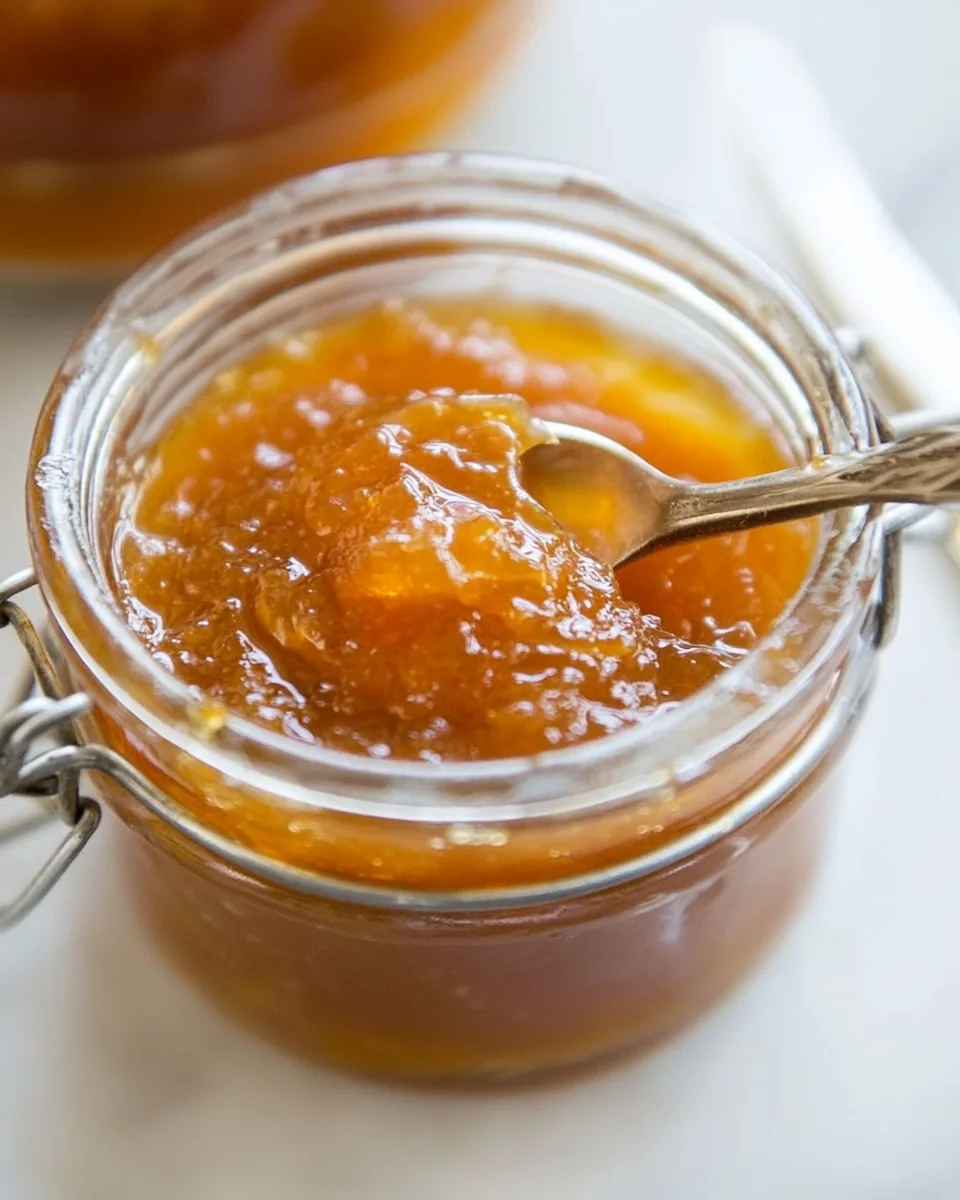
Making Kumquat Marmalade can be a fun and rewarding experience. Here are some expert tips to ensure your marmalade turns out perfectly every time.
- Storage: If you plan to store your marmalade, keep it in a cool, dark place. Refrigeration can extend its shelf life further.
- Freezing: If you want to freeze your marmalade, ensure it’s in airtight containers to avoid freezer burn.
- Pairing: Pair this marmalade with cream cheese on crackers for a delightful appetizer.
- Variations: Experiment with adding spices such as ginger or cinnamon for a unique twist.
- Gift giving: Consider decorating your jars with ribbons and tags for a thoughtful gift.
Serving Options for Kumquat Marmalade
When it comes to serving Kumquat Marmalade, the possibilities are endless. Here are some creative ideas to enjoy this delightful spread:
- Breakfast treat: Spread it generously on toast or pancakes for a refreshing breakfast.
- Cheese pairing: Serve it alongside a cheese platter with soft cheeses like brie or goat cheese, enhancing the flavor profiles.
- Dessert topping: Use it as a topping for vanilla ice cream or yogurt for a delightful dessert.
- Glaze for meats: Brush it over roasted chicken or pork for a sweet and tangy glaze.
- Festive occasions: It’s perfect for holiday gatherings, adding a touch of brightness to your table.
- Seasonal gifts: Jars of Kumquat Marmalade make wonderful homemade gifts during the festive season.
FAQ
Conclusion
Kumquat Marmalade is a bright and flavorful addition to your kitchen that not only satisfies your taste buds but also brings warmth and nostalgia to your cooking experience. Making it is not just about the end result, but also about the joy of creating something special. I encourage you to give this recipe a try; it might just become a beloved staple in your household. Happy cooking!
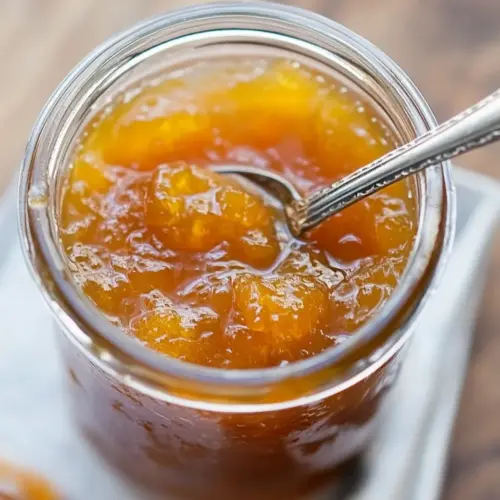
Kumquat Marmalade
Equipment
- Wooden Spoon
- Mixing Bowl
- Chef's Knife
- Saucepan
- Large Pot
Ingredients
- 2 pieces Lemons stemmed, halved lengthwise, seeded, and very thinly sliced
- 1 pound Kumquats stemmed, seeded, and sliced
- 5.5 cups Water
- 2 cups Sugar
- pinch Salt
- 0.5 teaspoon Kirsch optional
Instructions
- Put the lemon slices in a large non-reactive pot. Cover with cold water and bring to a boil. Reduce the heat and simmer until the lemons are translucent, about 5 minutes. Drain. (Discard the water.)
- Put the blanched lemons back in the pot. Tie the seeds from the lemons and kumquats securely in a piece of cheesecloth and add the seed sack to the pot along with the sliced kumquats and water. Bring to a boil; remove from heat, cover, and let stand 24 hours.
- The next day, put a small plate in the freezer.
- Add the sugar and salt to the pot, and cook the marmalade for 30 to 45 minutes over medium heat. Remove the bag of seeds and when it’s cool enough to handle, squeeze the seeds in the cheesecloth using your hands or place it in a ladle and press it with the back of a soup spoon (being careful not to break the fabric and release the seeds) over the jam pot to so the pectin goes directly into the marmalade mixture.
- Continue cooking until it has reached the jelling point, about 220ºF (104ºC) degrees, if using a candy thermometer. To test the marmalade, turn off the heat and put a small amount on the plate that has been chilled in the freezer and briefly return it to the freezer. Check it in a few minutes; it should be slightly jelled and will wrinkle a bit when you slide your finger through it. If not, continue to cook until it wrinkles slightly on the chilled plate when you nudge it.
- Remove from heat, then stir in the kirsch (if using), and ladle the mixture into clean jars.