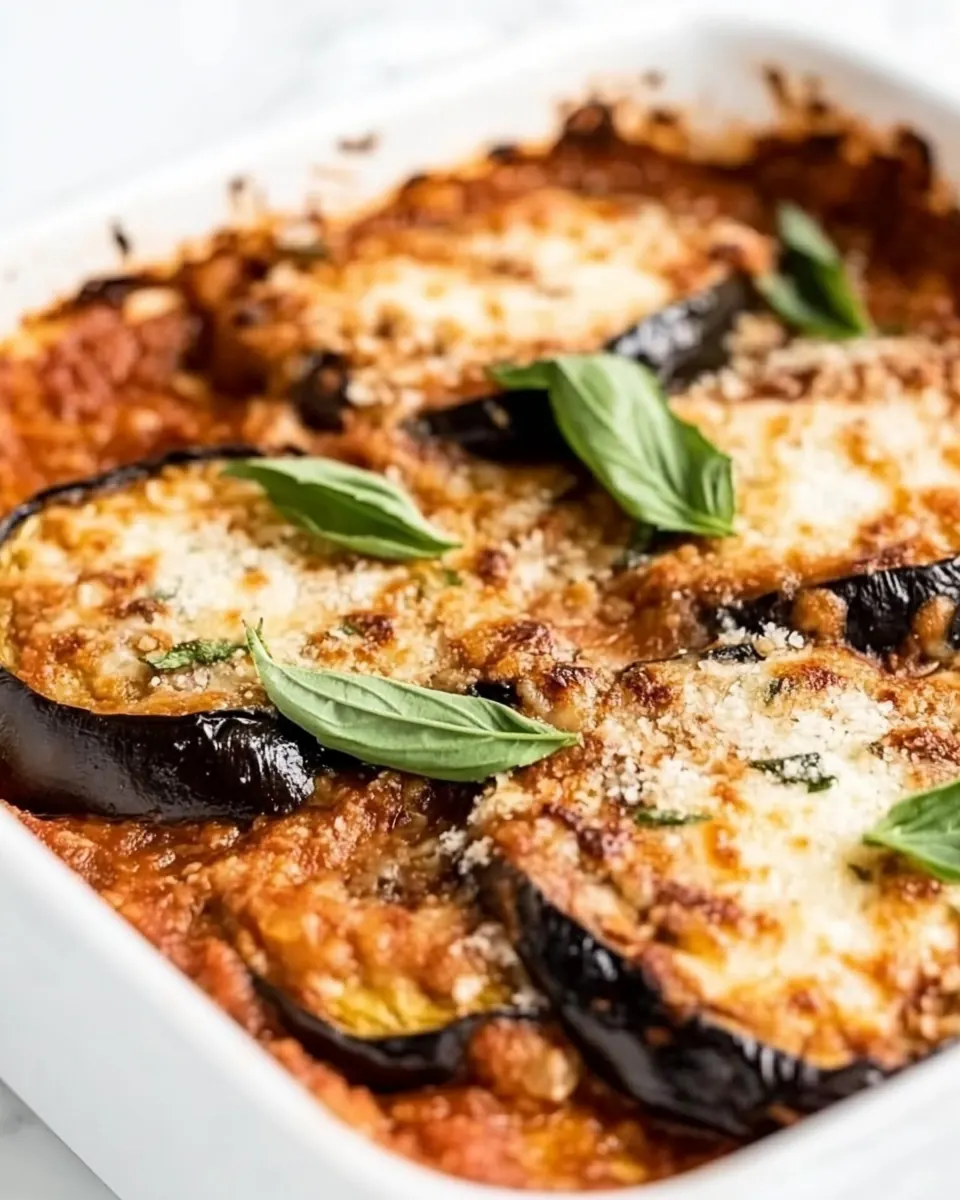
Keto Eggplant Parmesan
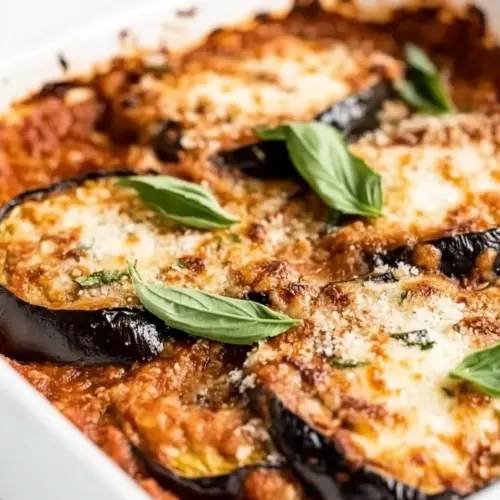
Keto Eggplant Parmesan has been one of those recipes I return to whenever I want something comforting, rich, and surprisingly light. The very first time I made it I remember the kitchen filling with the scent of frying eggplant and warm cheese, and how my skeptical partner wandered in expecting a heavy casserole and left declaring it one of their favorites. This dish feels like a celebration of texture, where crispy browned eggplant slices meet molten, stringy mozzarella and nutty parmesan, all held together by a bright, tangy marinara.
Over the years I have tweaked the technique to suit weeknight cooking and weekend entertaining alike. I love that with a bit of planning you can get perfectly golden eggplant rounds that still stay tender inside, and a bubbling top of cheese that browns without drying out. Every time I serve Keto Eggplant Parmesan I find guests asking for the recipe and then telling me how it surprised them, because it doesn’t rely on heavy breading, yet it keeps the indulgent feel of the classic. I often make a larger batch of marinara to portion and freeze, which makes assembly effortless when I want this comfort food in a hurry.
Recipe Snapshot
60 mins
20 mins
40 mins
Medium
400 kcal
Italian
Keto, Gluten-Free
Dinner
casserole pan (26 x 21 x 5cm)
The Charm of This Keto Eggplant Parmesan
It is wonderfully forgiving
I love how Keto Eggplant Parmesan adapts to different skill levels. If you are pressed for time you can pan fry slightly faster, and if you want to slow roast the slices you still get a great result. The dish does not demand perfect technique to taste excellent, and that makes it a reliable go to when I want something both impressive and achievable.
Big on texture and contrast
The interplay of crispy browned eggplant edges and gooey mozzarella is what keeps me coming back. The textural contrast gives each bite a satisfying variety, the way the soft, savory interior meets a slightly crisp exterior. I think this balance is what makes guests reach for seconds without feeling weighed down.
Flavor layering that sings
Using a bright marinara with aromatic herbs along with both grated parmesan and shredded mozzarella creates layers of umami, tang, and creaminess. I like the sharp salty note from the parmesan cutting through the milky mozzarella, while the marinara provides acid to lift the whole dish, which keeps it from tasting flat or one dimensional.
Great for make ahead and leftovers
I often prepare Keto Eggplant Parmesan a day ahead. It stores beautifully and the flavors deepen overnight. Reheating gently preserves the texture, and if you prefer a crisper top you can pop it briefly under a broiler or in a hot oven. That flexibility makes it ideal for dinner parties or weeknight meal prep.
Comfort food without the carb load
Because this version skips heavy breading and emphasizes eggplant, olive oil, and cheese, it keeps the spirit of traditional Parmesan while aligning with lower carb preferences. I find it satisfying and filling, so even those reducing carbs feel satisfied after a serving, not deprived.
Ingredients Overview for Keto Eggplant Parmesan
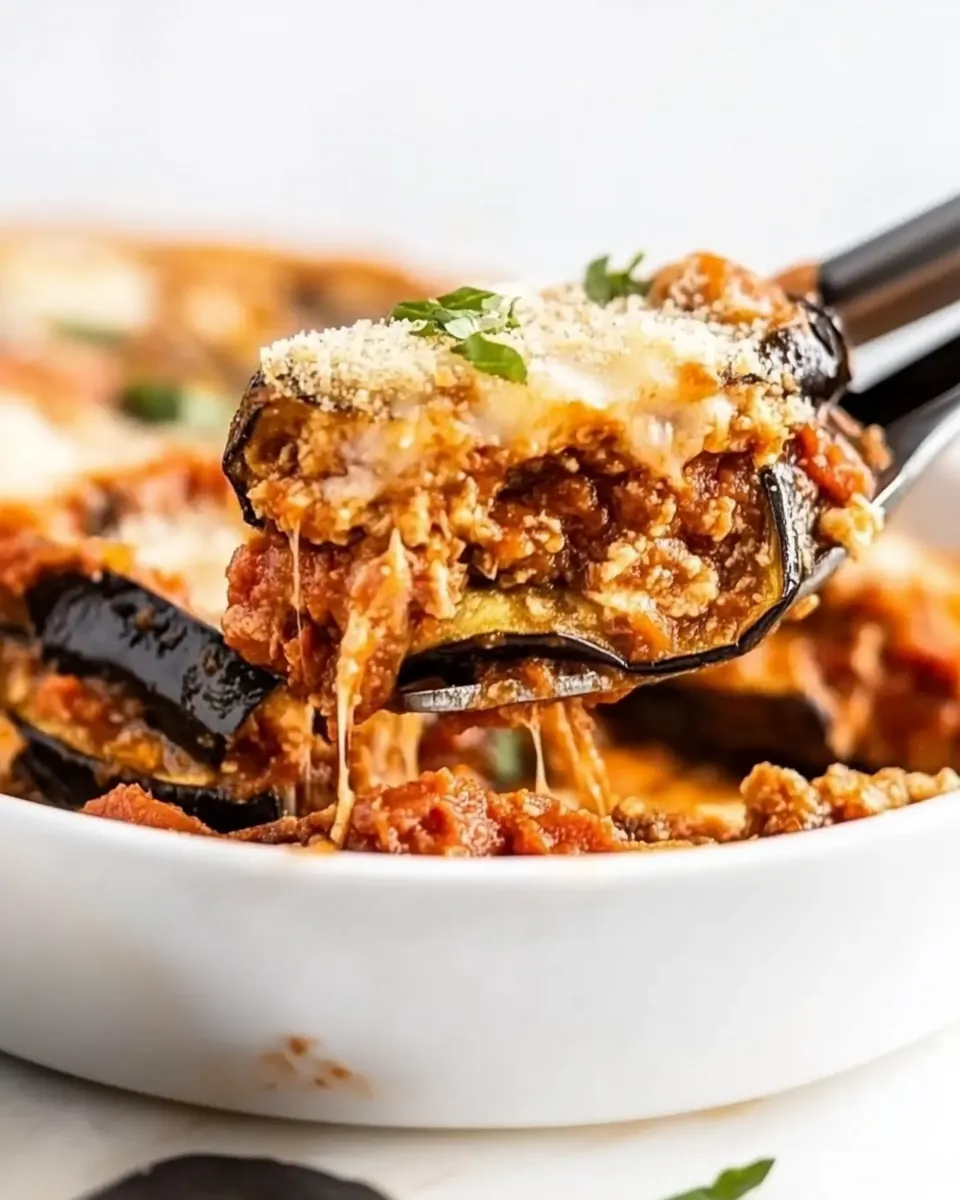
The ingredient list for Keto Eggplant Parmesan is deliberately focused. Each item plays a clear role: the eggplant provides structure and a meaty texture, the marinara brings acidity and herbaceous brightness, and the cheeses deliver creaminess and savory depth. Olive oil helps create those golden, caramelized edges, while a touch of salt and black pepper seasons and balances the flavor. The fresh basil at the end adds a fragrant lift that ties everything together.
- 1/2 portion keto marinara sauce: Adds a rich, tangy tomato base and savory herbs to bind the layers; warms and complements the eggplant while keeping the dish moist. Use keto-friendly marinara to keep carbohydrates low and adjust seasoning as needed during assembly.
- 3 medium eggplantsliced lengthways 1/2 cm thick (700 g / 1.5 pounds) – yields 24 slices, 6 per layer: Provides the main bulk and texture when sliced thinly and layered; offers a meaty, tender bite after roasting or frying to remove excess moisture. Aim for uniform 1/2 cm slices to ensure even cooking and consistent layering throughout the casserole.
- 1/2 teaspoon salt: Enhances overall flavor by drawing out excess moisture from eggplant slices and balancing sweetness in the sauce; helps season each layer evenly. Sprinkle lightly and allow to sit briefly if salting eggplant prior to cooking to improve texture.
- 1/2 teaspoon black pepper: Adds mild heat and depth to the dish, rounding out flavors from the sauce and cheeses; brings a subtle peppery note without overpowering. Grind fresh for best aroma and distribute evenly across layers for consistent seasoning.
- 5 tablespoon olive oil: Provides fat for roasting or pan-frying eggplant slices to achieve golden, caramelized edges and prevent sticking; contributes to mouthfeel and flavor. Use measured tablespoons to control calories and ensure even coating on each slice.
- 1/2 cup grated parmesan 55 g: Contributes a sharp, nutty umami punch that crisps when baked, helping form a savory crust; works well mixed with breadcrumbs alternatives for a keto version. Grate finely and sprinkle between layers to boost savory depth and overall salt balance.
- 1.5 cups shredded mozzarella 170 g: Delivers gooey, melty texture and mild milky flavor that binds layers together when baked; creates that classic casserole stretch. Shred evenly to ensure quick, uniform melting and distribute across each layer for consistent cheesiness.
- 4.4 oz mozzarella ball 125 g, drained (buffalo or cow). Option to use more shredded mozzarella instead: Provides creamy pockets and a softer, silky texture when torn or sliced into the dish; can be substituted with additional shredded cheese for similar melt. Drain thoroughly to avoid excess moisture and slice or tear into pieces to nestle between layers.
- 5 g fresh basil Handful: Brightens and freshens the finished casserole with herbaceous, aromatic notes; adds a pop of color and a light, peppery-sweet finish. Use torn leaves as garnish or layered between cheeses to infuse subtle basil flavor without overwhelming.
Step by Step Instructions for Keto Eggplant Parmesan
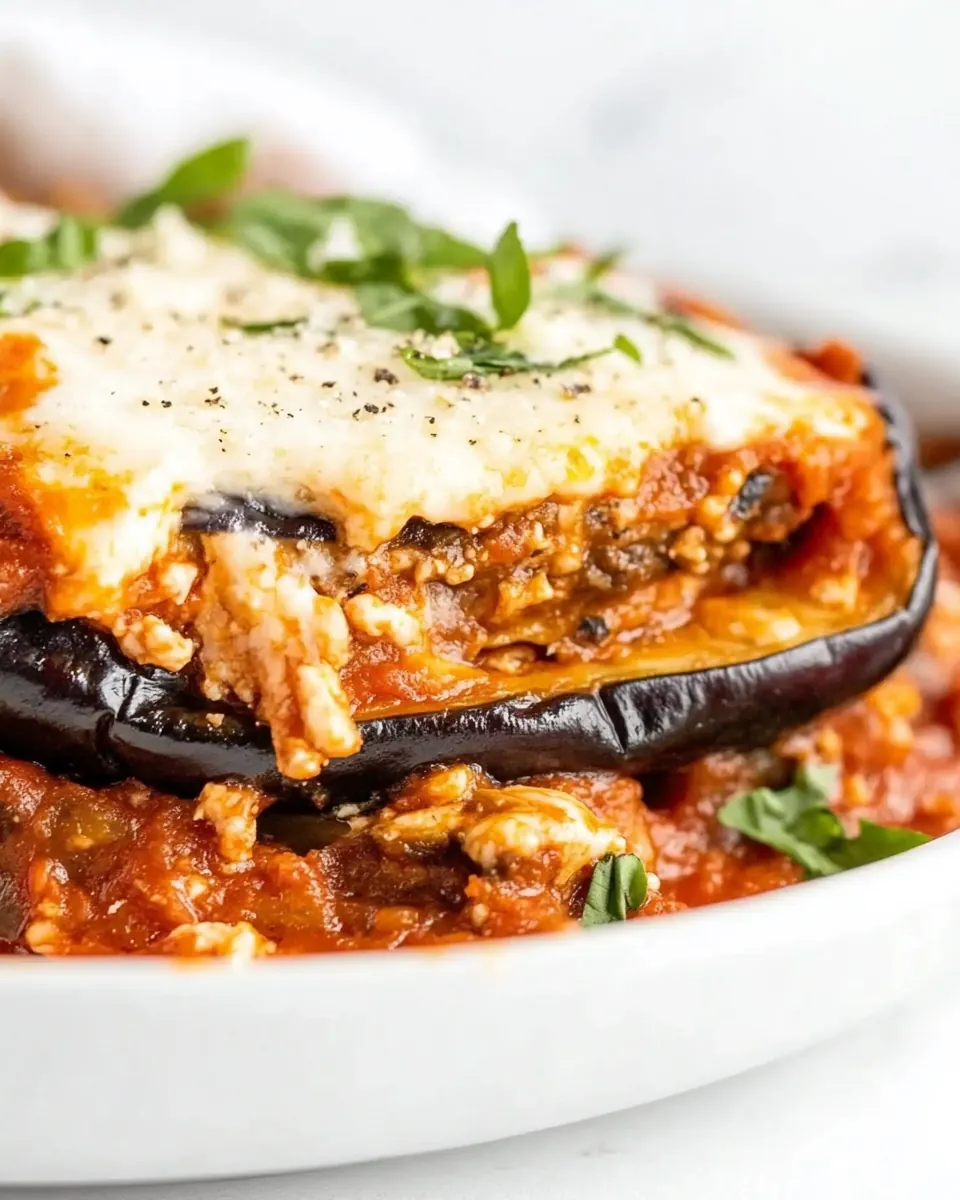
These steps walk you through prepping, frying, layering, and baking to get a beautiful, golden Keto Eggplant Parmesan. I find that approaching each phase with small, mindful actions makes a huge difference in texture and flavor.
- Trim the eggplant and slice lengthways (3 – 5 mm thick). Place in a bowl and sprinkle with 1/2 teaspoon salt and allow to rest.: The moment you slice the eggplant you will notice the sponge like flesh that soaks up oil, which is why uniform thickness matters for even cooking. As you slice, pay attention to the sound of your knife and the smooth, glossy cut surface; this signals a ripe, good quality vegetable. If slices are uneven, thinner pieces will brown too quickly and thicker pieces may remain undercooked, so aim for consistent 3 to 5 mm thickness. A common mistake is pressing too hard while slicing, which can bruise the flesh and make it soggy.
- Make tomato sauce whilst the eggplant rest.: When the salt meets the cut eggplant surfaces, you will soon see tiny beads of moisture forming, which is the salt drawing out bitterness and excess water. Resting improves texture and prevents a watery bake, and you will feel the surface change as liquid is expelled. Avoid leaving them salted for too long or they can become overly soft, and do not skip this step if you want a firmer final texture.
- Rinse the eggplant to remove the salt and pat dry on kitchen paper.: While the eggplant rests, preparing your keto marinara lets flavors meld and saves time. As you simmer, notice the aroma shift from raw tomato to a savory, herb infused scent and pay attention to the sauce thickening visually. A common pitfall is rushing this stage, which can leave the sauce thin and unable to hold the layers together.
- Brush the eggplant on both sides generously with 5 tablespoon of olive oil. Heat a non stick pan and fry for about 1 – 2 minutes per side on a medium heat, or until golden. It's best to do this in batches so as not to overcrowd the eggplant, about 5 slices per frying pan.: Rinsing removes excess surface salt and any released bitter liquids; patting dries the slices so they will crisp when oiled. You should feel the slices go from slick to drier, and the paper should pick up visible moisture. If you skip thorough drying, the surface will steam rather than brown during frying, resulting in limp pieces.
- Preheat oven to 180 C / 350 F electric or 160 C / 320 F fan.: As you brush each slice, observe how the oil saturates the flesh and imparts a glossy sheen, which is essential for caramelization. The oil also carries flavor and helps the eggplant develop those appetizing golden edges when it hits the pan. Avoid using too little oil, or the slices will stick and fail to brown; too much will make them greasy.
- Spread a little marinara over the bottom of the casserole dish. Layer 1/3 of the eggplant on top. Top with 1/3 of the sauce, 1/3 of the black pepper and 1/3 of each of the cheeses. Repeat until all ingredients are used up.: When the pan is ready you will hear a gentle sizzle as slices make contact, and the aroma of toasted eggplant begins to build quickly. Frying batches prevents overcrowding which would cause steaming instead of browning; aim for about five slices per pan if your pan size matches. Look for an even golden brown edge and a softened center as visual cues. A frequent error is turning the slices too soon; they should release easily when they have formed a crust.
- Bake in the oven for 35 – 40 minutes until the cheese is melted and golden on top. Sprinkle with fresh basil leaves to serve.: Working in batches ensures each slice receives direct heat and can brown properly, producing crisp edges and a tender interior. You will notice the pan temperature falls slightly between batches, so allow it a moment to come back up for consistent browning. Overcrowding traps steam and prevents that desirable caramelization, which is a common reason for soggy results.
- Preheat oven to 180 C / 350 F electric or 160 C / 320 F fan: Properly preheating the oven creates a stable environment for the casserole to bake evenly, resulting in melted cheese that bubbles and a top that turns golden. You should feel the heat settle in once preheated and the baking time will be reliable. Placing the dish into an underheated oven often leads to uneven cooking and a pale, unappealing top.
- Spread a little marinara over the bottom of the casserole dish: The first thin layer of marinara prevents sticking and adds moisture so each eggplant slice has a base of flavor. As you spread it, you can sense the herb and tomato aroma settle into the dish which signals the flavor foundation forming. Using too much sauce at this stage risks a watery bake, while too little can make the assembly dry.
- Layer 1/3 of the eggplant on top: When you place the browned eggplant slices into the dish, notice how their warm surfaces soak slightly into the sauce, marrying the textures. Arrange them so they overlap minimally, allowing heat to circulate and cheese to nestle between layers. Avoid stacking too thickly, which can trap steam and prevent even heating throughout the casserole.
- Top with 1/3 of the sauce, 1/3 of the black pepper and 1/3 of each of the cheeses: Adding measured portions of marinara , a sprinkle of black pepper , and both grated parmesan and shredded mozzarella at each layer creates uniform flavor in every bite. You will see the cheeses start to warm as you build layers, and they will melt together during baking to form a cohesive filling. A common mistake is uneven layering which can produce pockets of dry eggplant or overly saucy spots.
- Repeat until all ingredients are used up: As you continue stacking, the casserole gains height and the aromas intensify; the process is a satisfying rhythm that leads to a balanced final dish. Keep an eye on proportion so every layer mirrors the first, ensuring consistent flavor and texture. Rushing the layering can cause uneven distribution and inconsistent results.
- Bake in the oven for 35 to 40 minutes until the cheese is melted and golden on top: During baking you will watch the cheese transform from stringy to bubbly and then to a warm golden crust, with aromas of toasted dairy and herbs pervading the kitchen. The dish should be bubbling at the edges and the top should show even color as signs of doneness. Avoid overbaking which dries out the cheese and makes the casserole dense rather than creamy.
- Sprinkle with fresh basil leaves to serve: Fresh basil added just before serving offers a fragrant, herbaceous lift, and visually it brightens the rich casserole. The cool leaves soften slightly on contact with the warm cheese , releasing an aromatic perfume that complements the tomato and dairy. Adding the basil too early will cause it to wilt and lose its fresh character, so reserve this final flourish for plating.
Customization Ideas
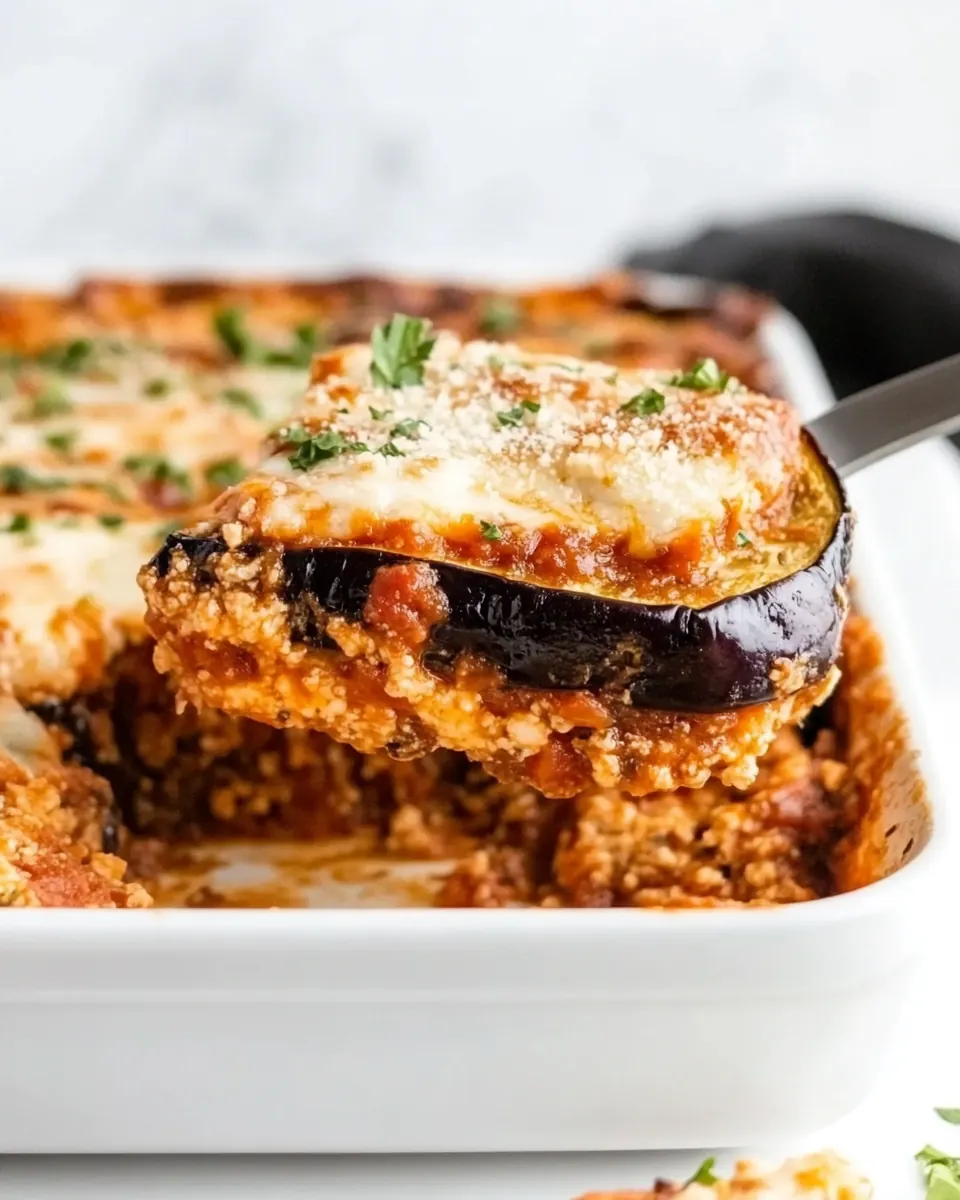
If you want to adapt Keto Eggplant Parmesan to your pantry or preferences, there are many straightforward tweaks that keep the spirit of the dish while shifting flavors or textures. Below are practical ideas, each with a quick note on why it works and how to execute it.
- Use a full portion of keto marinara: If you prefer a saucier bake, double the sauce in the layers; this increases tomato brightness though it will raise the dish’s moisture level a bit, so ensure the eggplant slices are well dried first.
- Swap shredded and ball mozzarella ratios: Replace some shredded mozzarella with more of the soft ball for creamier pockets; remember to drain the ball thoroughly so the casserole does not become watery.
- Oven roast instead of pan fry: Brush slices with olive oil and roast on a tray until golden if you want a lower fuss method; this reduces hands on time but gives slightly different crisping.
- Make extra marinara for freezing: Double the sauce batch and freeze portions to streamline future assemblies, the sauce also works well on keto pizzas or as a quick pasta sauce substitute.
- Adjust seasonings lightly: If you like more heat, add a pinch of black pepper or a few red pepper flakes to the marinara, this lifts the flavor without changing the core technique.
Great Combinations for Keto Eggplant Parmesan
Keto Eggplant Parmesan pairs beautifully with a range of side dishes and occasions. Whether you are serving a casual family meal or a relaxed dinner with friends, choose complementary textures and flavors that enhance the casserole without overwhelming it. Below are ideas for sides, occasions, storage, and seasonal pairings to make serving effortless and thoughtful.
- Light green salad for contrast: A simple salad with a bright vinaigrette adds crunch and acidity, which balances the richness of the cheese filled casserole, making it a great pairing for weeknight dinners.
- Roasted vegetables for a heartier meal: Oven roasted low carb vegetables complement the textures of the eggplant and provide variety on the plate for dinner occasions where you want more substance.
- Serve for lunch or dinner: This dish fits both lunch and dinner occasions; serve smaller portions for a satisfying lunch, or pair with sides for a fuller dinner.
- Ramadan and special dinners: The dish works well for evening meals during Ramadan or other special gatherings, as it reheats cleanly and can be portioned for sharing.
- Storage tips: Cool completely before covering and refrigerate for up to three days; to reheat, warm gently in the oven to preserve texture. For longer storage, freeze in portions and thaw overnight before reheating.
- Seasonal pairing: In summer, add fresh basil at serving for brightness; in cooler months, serve alongside warm roasted greens for comforting, seasonal plates.
FAQ
Conclusion
This version of Keto Eggplant Parmesan stands out for its balanced textures, layered flavors, and low carb approach that does not compromise comfort. It brings together tender, golden eggplant, tangy keto marinara, and melty cheeses to create a dish that feels indulgent yet approachable. I encourage you to give it a try, whether for a cozy family dinner or to impress guests, and tweak the layers to match your taste. Once you master the process, it becomes one of those dependable recipes you’ll revisit often.
Keto Eggplant Parmesan
Equipment
- casserole pan (26 x 21 x 5cm)
Ingredients
- 1/2 portion keto marinara sauce Adds a rich, tangy tomato base and savory herbs to bind the layers; warms and complements the eggplant while keeping the dish moist. Use keto-friendly marinara to keep carbohydrates low and adjust seasoning as needed during assembly.
- 3 medium eggplantsliced lengthways 1/2 cm thick (700 g / 1.5 pounds) - yields 24 slices, 6 per layer Provides the main bulk and texture when sliced thinly and layered; offers a meaty, tender bite after roasting or frying to remove excess moisture. Aim for uniform 1/2 cm slices to ensure even cooking and consistent layering throughout the casserole.
- 1/2 teaspoon salt Enhances overall flavor by drawing out excess moisture from eggplant slices and balancing sweetness in the sauce; helps season each layer evenly. Sprinkle lightly and allow to sit briefly if salting eggplant prior to cooking to improve texture.
- 1/2 teaspoon black pepper Adds mild heat and depth to the dish, rounding out flavors from the sauce and cheeses; brings a subtle peppery note without overpowering. Grind fresh for best aroma and distribute evenly across layers for consistent seasoning.
- 5 tablespoon olive oil Provides fat for roasting or pan-frying eggplant slices to achieve golden, caramelized edges and prevent sticking; contributes to mouthfeel and flavor. Use measured tablespoons to control calories and ensure even coating on each slice.
- 1/2 cup grated parmesan 55 g Contributes a sharp, nutty umami punch that crisps when baked, helping form a savory crust; works well mixed with breadcrumbs alternatives for a keto version. Grate finely and sprinkle between layers to boost savory depth and overall salt balance.
- 1.5 cups shredded mozzarella 170 g Delivers gooey, melty texture and mild milky flavor that binds layers together when baked; creates that classic casserole stretch. Shred evenly to ensure quick, uniform melting and distribute across each layer for consistent cheesiness.
- 4.4 oz mozzarella ball 125 g, drained (buffalo or cow). Option to use more shredded mozzarella instead Provides creamy pockets and a softer, silky texture when torn or sliced into the dish; can be substituted with additional shredded cheese for similar melt. Drain thoroughly to avoid excess moisture and slice or tear into pieces to nestle between layers.
- 5 g fresh basil Handful Brightens and freshens the finished casserole with herbaceous, aromatic notes; adds a pop of color and a light, peppery-sweet finish. Use torn leaves as garnish or layered between cheeses to infuse subtle basil flavor without overwhelming.
Instructions
- Trim the eggplant and slice lengthways (3 - 5 mm thick). Place in a bowl and sprinkle with 1/2 teaspoon salt and allow to rest.: The moment you slice the eggplant you will notice the sponge like flesh that soaks up oil, which is why uniform thickness matters for even cooking. As you slice, pay attention to the sound of your knife and the smooth, glossy cut surface; this signals a ripe, good quality vegetable. If slices are uneven, thinner pieces will brown too quickly and thicker pieces may remain undercooked, so aim for consistent 3 to 5 mm thickness. A common mistake is pressing too hard while slicing, which can bruise the flesh and make it soggy.
- Make tomato sauce whilst the eggplant rest.: When the salt meets the cut eggplant surfaces, you will soon see tiny beads of moisture forming, which is the salt drawing out bitterness and excess water. Resting improves texture and prevents a watery bake, and you will feel the surface change as liquid is expelled. Avoid leaving them salted for too long or they can become overly soft, and do not skip this step if you want a firmer final texture.
- Rinse the eggplant to remove the salt and pat dry on kitchen paper.: While the eggplant rests, preparing your keto marinara lets flavors meld and saves time. As you simmer, notice the aroma shift from raw tomato to a savory, herb infused scent and pay attention to the sauce thickening visually. A common pitfall is rushing this stage, which can leave the sauce thin and unable to hold the layers together.
- Brush the eggplant on both sides generously with 5 tablespoon of olive oil. Heat a non stick pan and fry for about 1 - 2 minutes per side on a medium heat, or until golden. It's best to do this in batches so as not to overcrowd the eggplant, about 5 slices per frying pan.: Rinsing removes excess surface salt and any released bitter liquids; patting dries the slices so they will crisp when oiled. You should feel the slices go from slick to drier, and the paper should pick up visible moisture. If you skip thorough drying, the surface will steam rather than brown during frying, resulting in limp pieces.
- Preheat oven to 180 C / 350 F electric or 160 C / 320 F fan.: As you brush each slice, observe how the oil saturates the flesh and imparts a glossy sheen, which is essential for caramelization. The oil also carries flavor and helps the eggplant develop those appetizing golden edges when it hits the pan. Avoid using too little oil, or the slices will stick and fail to brown; too much will make them greasy.
- Spread a little marinara over the bottom of the casserole dish. Layer 1/3 of the eggplant on top. Top with 1/3 of the sauce, 1/3 of the black pepper and 1/3 of each of the cheeses. Repeat until all ingredients are used up.: When the pan is ready you will hear a gentle sizzle as slices make contact, and the aroma of toasted eggplant begins to build quickly. Frying batches prevents overcrowding which would cause steaming instead of browning; aim for about five slices per pan if your pan size matches. Look for an even golden brown edge and a softened center as visual cues. A frequent error is turning the slices too soon; they should release easily when they have formed a crust.
- Bake in the oven for 35 - 40 minutes until the cheese is melted and golden on top. Sprinkle with fresh basil leaves to serve.: Working in batches ensures each slice receives direct heat and can brown properly, producing crisp edges and a tender interior. You will notice the pan temperature falls slightly between batches, so allow it a moment to come back up for consistent browning. Overcrowding traps steam and prevents that desirable caramelization, which is a common reason for soggy results.
- Preheat oven to 180 C / 350 F electric or 160 C / 320 F fan: Properly preheating the oven creates a stable environment for the casserole to bake evenly, resulting in melted cheese that bubbles and a top that turns golden. You should feel the heat settle in once preheated and the baking time will be reliable. Placing the dish into an underheated oven often leads to uneven cooking and a pale, unappealing top.
- Spread a little marinara over the bottom of the casserole dish: The first thin layer of marinara prevents sticking and adds moisture so each eggplant slice has a base of flavor. As you spread it, you can sense the herb and tomato aroma settle into the dish which signals the flavor foundation forming. Using too much sauce at this stage risks a watery bake, while too little can make the assembly dry.
- Layer 1/3 of the eggplant on top: When you place the browned eggplant slices into the dish, notice how their warm surfaces soak slightly into the sauce, marrying the textures. Arrange them so they overlap minimally, allowing heat to circulate and cheese to nestle between layers. Avoid stacking too thickly, which can trap steam and prevent even heating throughout the casserole.
- Top with 1/3 of the sauce, 1/3 of the black pepper and 1/3 of each of the cheeses: Adding measured portions of marinara , a sprinkle of black pepper , and both grated parmesan and shredded mozzarella at each layer creates uniform flavor in every bite. You will see the cheeses start to warm as you build layers, and they will melt together during baking to form a cohesive filling. A common mistake is uneven layering which can produce pockets of dry eggplant or overly saucy spots.
- Repeat until all ingredients are used up: As you continue stacking, the casserole gains height and the aromas intensify; the process is a satisfying rhythm that leads to a balanced final dish. Keep an eye on proportion so every layer mirrors the first, ensuring consistent flavor and texture. Rushing the layering can cause uneven distribution and inconsistent results.
- Bake in the oven for 35 to 40 minutes until the cheese is melted and golden on top: During baking you will watch the cheese transform from stringy to bubbly and then to a warm golden crust, with aromas of toasted dairy and herbs pervading the kitchen. The dish should be bubbling at the edges and the top should show even color as signs of doneness. Avoid overbaking which dries out the cheese and makes the casserole dense rather than creamy.
- Sprinkle with fresh basil leaves to serve: Fresh basil added just before serving offers a fragrant, herbaceous lift, and visually it brightens the rich casserole. The cool leaves soften slightly on contact with the warm cheese , releasing an aromatic perfume that complements the tomato and dairy. Adding the basil too early will cause it to wilt and lose its fresh character, so reserve this final flourish for plating.
Notes
- Use a full portion of keto marinara: If you prefer a saucier bake, double the sauce in the layers; this increases tomato brightness though it will raise the dish's moisture level a bit, so ensure the eggplant slices are well dried first.
- Swap shredded and ball mozzarella ratios: Replace some shredded mozzarella with more of the soft ball for creamier pockets; remember to drain the ball thoroughly so the casserole does not become watery.
- Oven roast instead of pan fry: Brush slices with olive oil and roast on a tray until golden if you want a lower fuss method; this reduces hands on time but gives slightly different crisping.
- Make extra marinara for freezing: Double the sauce batch and freeze portions to streamline future assemblies, the sauce also works well on keto pizzas or as a quick pasta sauce substitute.
- Adjust seasonings lightly: If you like more heat, add a pinch of black pepper or a few red pepper flakes to the marinara, this lifts the flavor without changing the core technique.
