
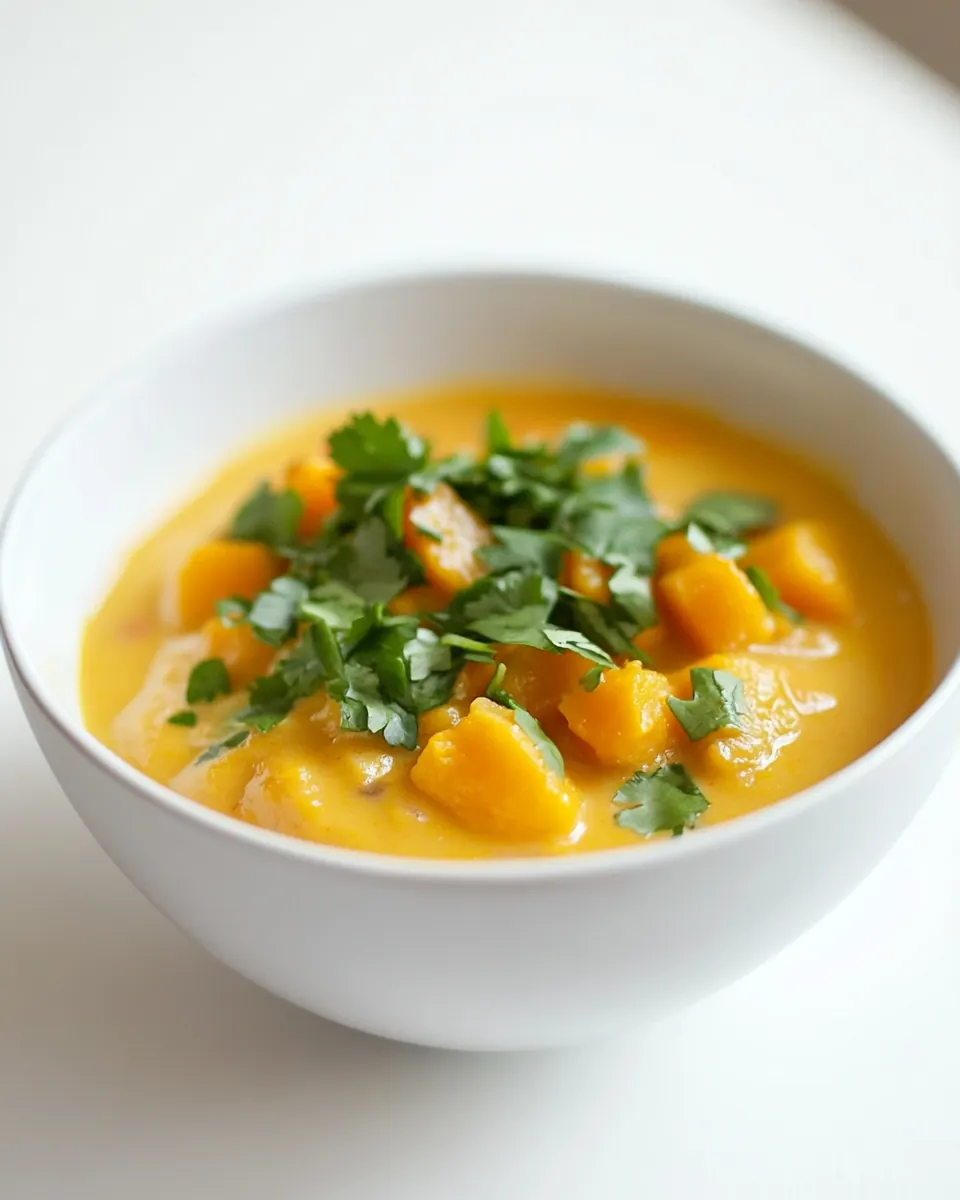
Butternut Squash and Coconut Curry
Butternut Squash and Coconut Curry has been one of those recipes I turn to whenever the days get shorter and the kitchen smells like warm spices, because it captures autumn in a bowl.
I remember the first time I made Butternut Squash and Coconut Curry, a blustery evening when the grocery store was full of orange squash and my pantry still had a half can of coconut milk. I was craving something comforting but bright, so I paired the squash with a spicy Thai red curry paste and a hit of lime. The result was a bowl that felt cozy yet lively, the way a wool blanket and sunshine might feel together.
Since then, I’ve tweaked small things each time, like the size of the squash pieces and the heat level from the jalapeño, learning how those tiny changes shift the dish from good to unforgettable. Friends comment on the silky texture and the way the coconut rounds out the curry paste. I often make extra to toss with noodles, because it soaks into strands in the best way. This recipe lives in my weeknight rotation for how quickly it comes together and for the way it tastes like a special meal without a long fuss.
Recipe Snapshot
40 mins
15 mins
25 mins
Easy
350 kcal
Asian
Gluten-Free, Vegan
Dinner
Large nonstick skillet, Large pot, Colander
The Magic of This Butternut Squash and Coconut Curry
Bright fall flavors with cozy comfort
I love how Butternut Squash and Coconut Curry balances sweet and savory. The squash brings a gentle sweetness and creamy texture, while the Thai red curry paste and jalapeño add an aromatic heat that keeps each bite interesting. That contrast makes this dish feel seasonal and satisfying, perfect for cool evenings.
Simple pantry friendly cooking
One reason I keep returning to this recipe is how pantry friendly it is. With just a can of coconut milk, some basic aromatics like onions and garlic, and the squash, you can make a meal that feels much fancier than the short ingredient list suggests. It’s the kind of recipe I rely on when I want comfort without a long grocery run.
Versatile for noodles or rice
I often serve this over noodles or jasmine rice, depending on mood and what’s in the cupboard. The sauce is rich enough to cling to pasta, yet light enough to work with rice, so it adapts to preferences and dietary choices easily. That versatility makes it my go to when feeding a crowd with mixed tastes.
Quick weeknight winner
From start to finish this recipe moves fast, and yet it layers flavors in a way that feels thoughtful. Because the squash cooks until tender in the sauce itself, you save time on separate roasting or baking. It’s the sort of dish I can make after work and still feel proud to serve.
Fresh finishing touches
The finishing touch of cilantro and a squeeze of lime juice lifts the whole bowl. I find that little brightness at the end makes the coconut and curry paste sing together. Those final notes are what keep people asking for seconds.
Ingredients You’ll Need for Butternut Squash and Coconut Curry
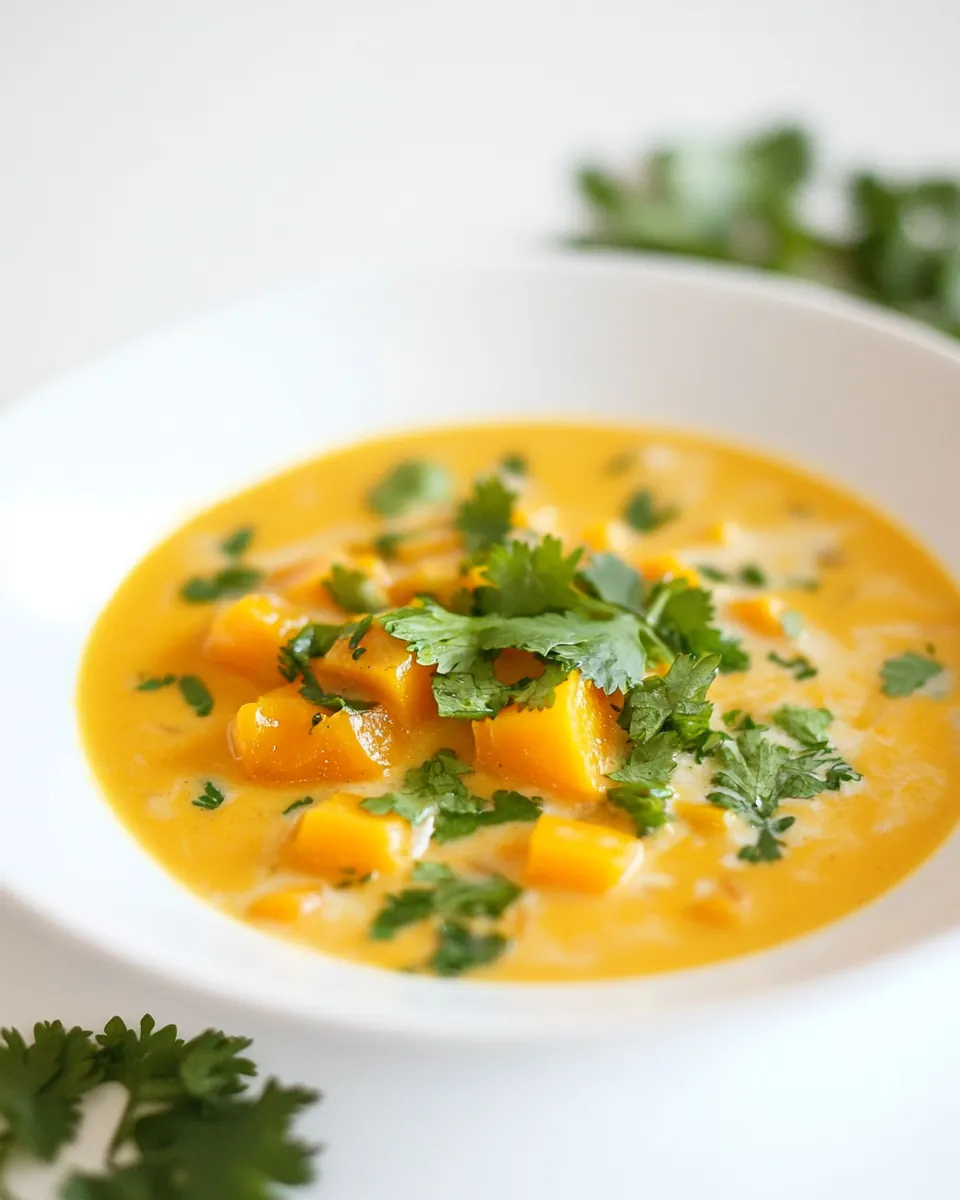
I view these ingredients as a team where texture, aroma, and balance each play a role. The starchy, sweet butternut squash provides body, while the coconut milk gives a silky mouthfeel. Aromatics like onions and garlic build the savory backbone, and the Thai red curry paste plus jalapeño bring heat and complexity. The noodles or rice act as a canvas to soak up the curry, and fresh cilantro brightens the whole dish.
- 1 tablespoon olive oil 1 1/2 cups chopped onions 2 pounds butternut squash, peeled, seeded, cut into 1/2- to 3/4-inch pieces (about 4 1/2 cups) 1 cup canned vegetable broth 1 1/2 tablespoons minced seeded jalapeño chili 1 tablespoon minced garlic 1 cup canned light unsweetened coconut milk 2 tablespoons fresh lime juice 1 teaspoon Thai red curry paste 12 ounces dried futonaga udon noodles (oriental-style spaghetti) or linguine (this dish also goes beautifully with jasmine rice in place of noodles) 1/2 cup chopped fresh cilantro: Heat in a skillet to create a savory cooking medium and to gently sauté aromatics; adds a fruity, slightly peppery richness that helps transfer heat and prevents sticking while carrying flavors through the dish. Olive oil tolerates the initial sauté temperature and binds the curry paste, garlic, and onions together for a cohesive base.
Instructions for Butternut Squash and Coconut Curry
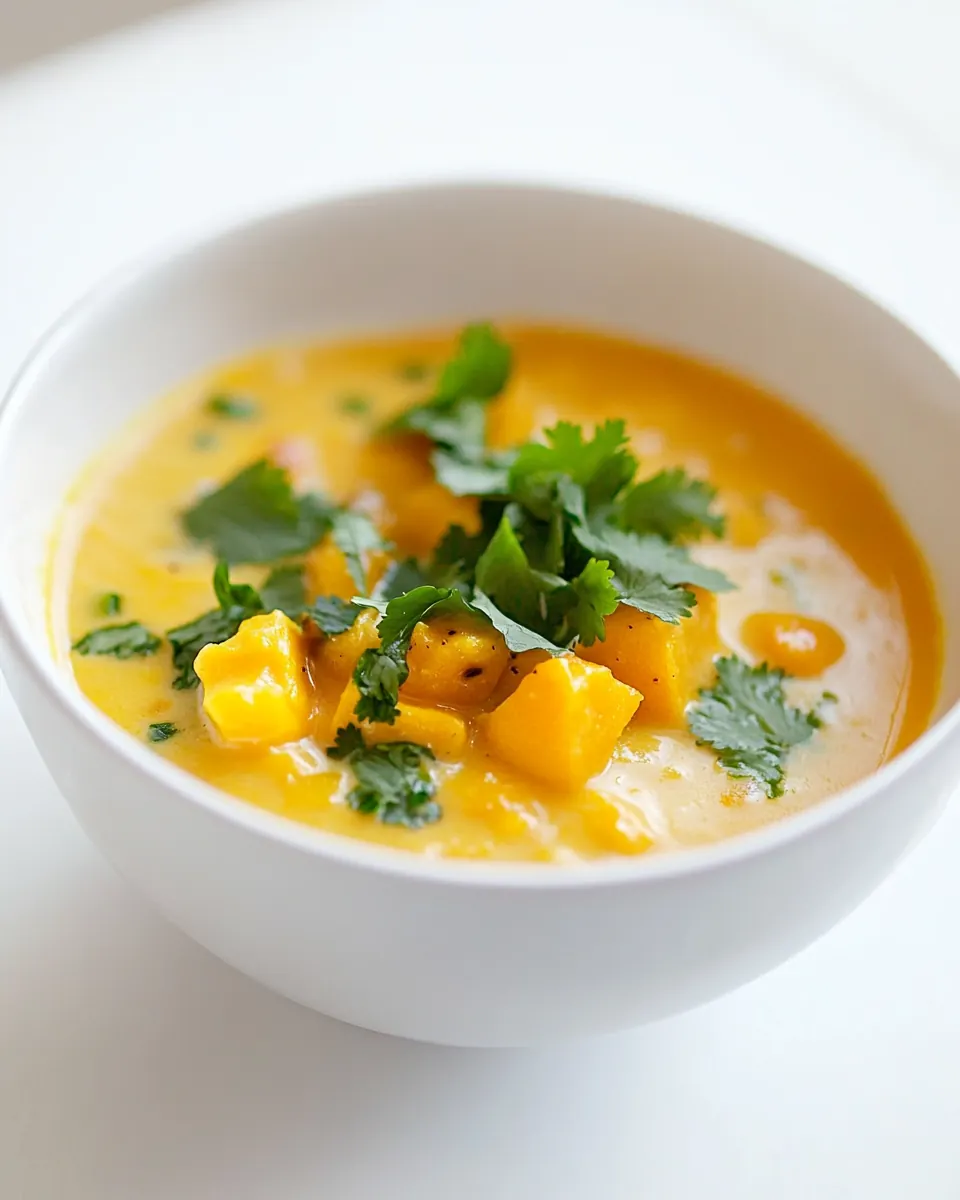
I like to keep the instructions friendly and conversational, so you can cook with intuition. These steps walk you through building layers of flavor, combining textures, and finishing with a bright herb note. Move deliberately and taste as you go.
- Heat oil in large nonstick skillet over medium-high heat. Add onions; sauté until golden, about 5 minutes. Add squash; sauté 4 minutes. Add broth, jalapeño and garlic; bring to boil. Cover; cook until squash is almost tender, about 5 minutes. Stir in coconut milk, lime juice and curry paste. Simmer uncovered until squash is tender and liquid is slightly reduced, about 4 minutes. Season to taste with salt.: When the oil begins to shimmer slightly, you will smell a faint fruitiness, and the pan will look glossy. A properly warmed pan ensures that the onions sizzle gently rather than stick, producing a sweet, caramelizing aroma that forms the base of the dish. If the oil smokes, lower the heat immediately; overheated oil can burn aromatics and leave a bitter taste. A common mistake here is to rush and start with too high heat, which causes uneven browning and scorch marks. The sizzling sound will be steady and moderate, not a fierce crackle, and the pan surface should show thin waves of movement in the oil as it warms.
- Meanwhile, cook noodles in large pot of boiling salted water until just tender but still firm to bite. Drain noodles. Return to pot. Add squash mixture and cilantro to noodles; toss to blend. Serve.: As the onions soften, they release moisture and then sugars that begin to turn golden, giving off a warm, slightly sweet scent. Stir occasionally so the edges brown evenly, scraping any browned bits from the pan to capture flavor. The sound changes from a sharp sizzle to a softer pop as the moisture reduces. If the onions are browning too quickly, reduce heat, because burnt edges will bring a bitter undertone. Aim for translucent centers with golden edges, which will meld seamlessly into the sauce later.
- Add squash; sauté 4 minutes: Adding the cubed butternut squash introduces a denser texture that will start to sear slightly at the edges, giving faintly nutty notes. You should hear a gentle, steady sizzle as the squash contacts the oil, and the pieces will begin to pick up a light golden blush. This initial saut e9 helps develop flavor and caramelization before adding liquid. Avoid overcrowding the pan, because crowded pieces steam instead of browning, losing that toasty depth.
- Add broth jalapeño and garlic; bring to boil: The moment the vegetable broth hits the pan, it lifts the browned bits and creates an aromatic steam. The minced jalapeño adds a fresh, green heat while the garlic becomes fragrant, giving off a warm, savory perfume. Bringing the mixture to a gentle boil releases those aromas and readies the squash to absorb flavor. A common pitfall is adding garlic too early on high heat, which can burn and taste acrid; adding it now lets it mellow as it simmers.
- Cover cook until squash is almost tender about 5 minutes: Covering creates steam that penetrates the squash, softening it quickly and evenly. Lift the lid to check doneness, piercing a cube with a fork; it should yield but still retain some structure. You will notice the steam carries the curry scent, and the liquid reduces slightly under the lid. Avoid overcooking during this stage, because fully collapsing cubes will break down too much when you finish simmering uncovered, resulting in a mushy sauce.
- Stir in coconut milk lime juice and curry paste: Adding the coconut milk envelops the pan in a rich, creamy aroma while the Thai red curry paste blooms in the fat, deepening color and complexity. The lime juice adds an immediate bright note that cuts through the richness. Stir thoroughly so the paste disperses, transforming the liquid into a glossy, saucy coating for the squash. If the curry paste clumps, press it against the pan to dissolve; clumps mean uneven flavor pockets in the final dish.
- Simmer uncovered until squash is tender and liquid is slightly reduced about 4 minutes: With the skillet uncovered, the sauce concentrates, becoming slightly thicker and more flavorful. You will hear a gentle simmer and see the sauce cling to the squash. The aroma will deepen, and the color intensifies to a warm orange. Taste as it reduces so you can stop when it reaches your preferred consistency. A typical mistake is letting it reduce too much and dry out, so maintain a low simmer and add a splash of broth if needed to rescue the texture.
- Season to taste with salt: Salt brightens and rounds the flavors, making the coconut and curry paste sing. Add a little at a time and taste after stirring so the seasoning layers evenly. Proper salting transforms the dish from flat to complex. Be cautious not to oversalt; because the broth and paste contain sodium, gradual additions are best to avoid an overly salty final bowl.
- Meanwhile cook noodles in large pot of boiling salted water until just tender but still firm to bite: The pot of boiling salted water should smell faintly briny, and the noodles will turn glossy as they cook. Cooking until al dente means they will have a slight bite that helps them hold up when tossed with the saucy squash. Overcooked noodles become mushy and can soak up too much liquid, leaving the dish heavy. Keep an eye on the clock and test early to ensure the perfect texture.
- Drain noodles: Draining should be swift to avoid residual cooking from trapped steam. A good drain leaves the noodles moist but not waterlogged, ready to accept the curry sauce. If you rinse, which I do not recommend here, you risk washing away the starches that help the sauce cling. If the noodles seem sticky after draining, toss briefly with a teaspoon of oil to separate them.
- Return to pot Add squash mixture and cilantro to noodles toss to blend: When you add the warm squash mixture to the noodles, steam will rise in a fragrant cloud, and the noodles will soak up the saucy coating. Toss gently so each strand or grain gets enveloped, and fold in the chopped cilantro so its herbaceous scent stays bright. The combined textures should be silky sauce meeting tender squash and springy noodles. Avoid vigorous stirring that can break the squash into mush; gentle folding preserves the integrity of the cubes.
- Serve: The final presentation should be glossy, warm, and aromatic, with flecks of green from the cilantro and a visible sheen on the sauce. Serve immediately so the noodles and sauce remain at their best texture. A common mistake is to let the dish sit too long, which allows noodles to absorb too much sauce and the squash to cool, losing vibrancy. Serve hot for optimal taste and mouthfeel.
Substitutions and Tips
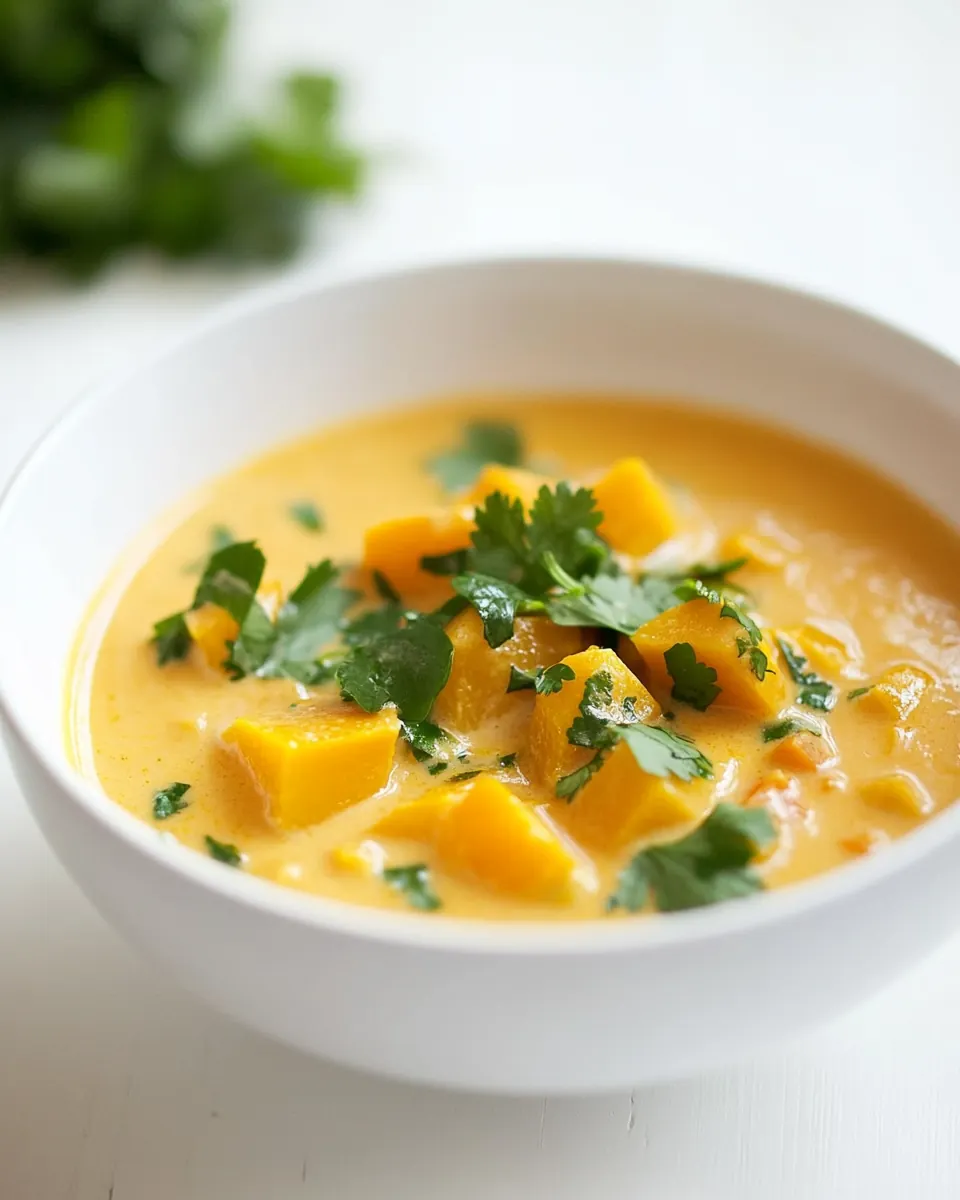
This section offers practical swaps and tips to make the recipe fit your pantry and preferences. Small adjustments can tailor heat level, texture, and presentation while keeping the core profile intact.
- Oil choice Use a neutral oil if you prefer a less pronounced flavor than olive oil, it still provides the right surface for saut e9ing the onions.
- Shrimp or tofu option If you want extra protein, add pan seared tofu cubes toward the end so they keep texture and absorb the sauce.
- Swap for rice If you do not have noodles, serve with jasmine rice for a fragrant, classic pairing that soaks up the curry beautifully.
- Adjusting spice Taste after adding curry paste and jalape